
 English
 中文
 日本語
 한국어
 العربية
 Русский
 Português
 Türkçe
 हिन्दी
 Tiếng Việt
 ไทย
 Indonesia
 Melayu
 ខ្មែរ
 ລາວ
 မြန်မာ
 Afrikaans
 Hausa
 Igbo
 Sesotho
 isiXhosa
 Yorùbá
 isiZulu
Over the past 20 years, I’ve walked through more restaurant and dining rooms than I can count. One thing never changes: the furniture buying process is where most owners get burned.
Ị họrọ a ụlọ oriri na ọṅụṅụ soplaya. You pay a deposit. Two months later, a container shows up with wobbly tables, chairs that scratch after a week, and booth seams already splitting.
We at Mingmeng Furniture learned this the hard way too — back when we helped a Canadian burger chain furnish 12 locations. Their first supplier sent chairs with seat foam that collapsed in 90 days. We had to rush-produce 600 replacement seats within 4 weeks. That experience taught us exactly what to check before signing anything.
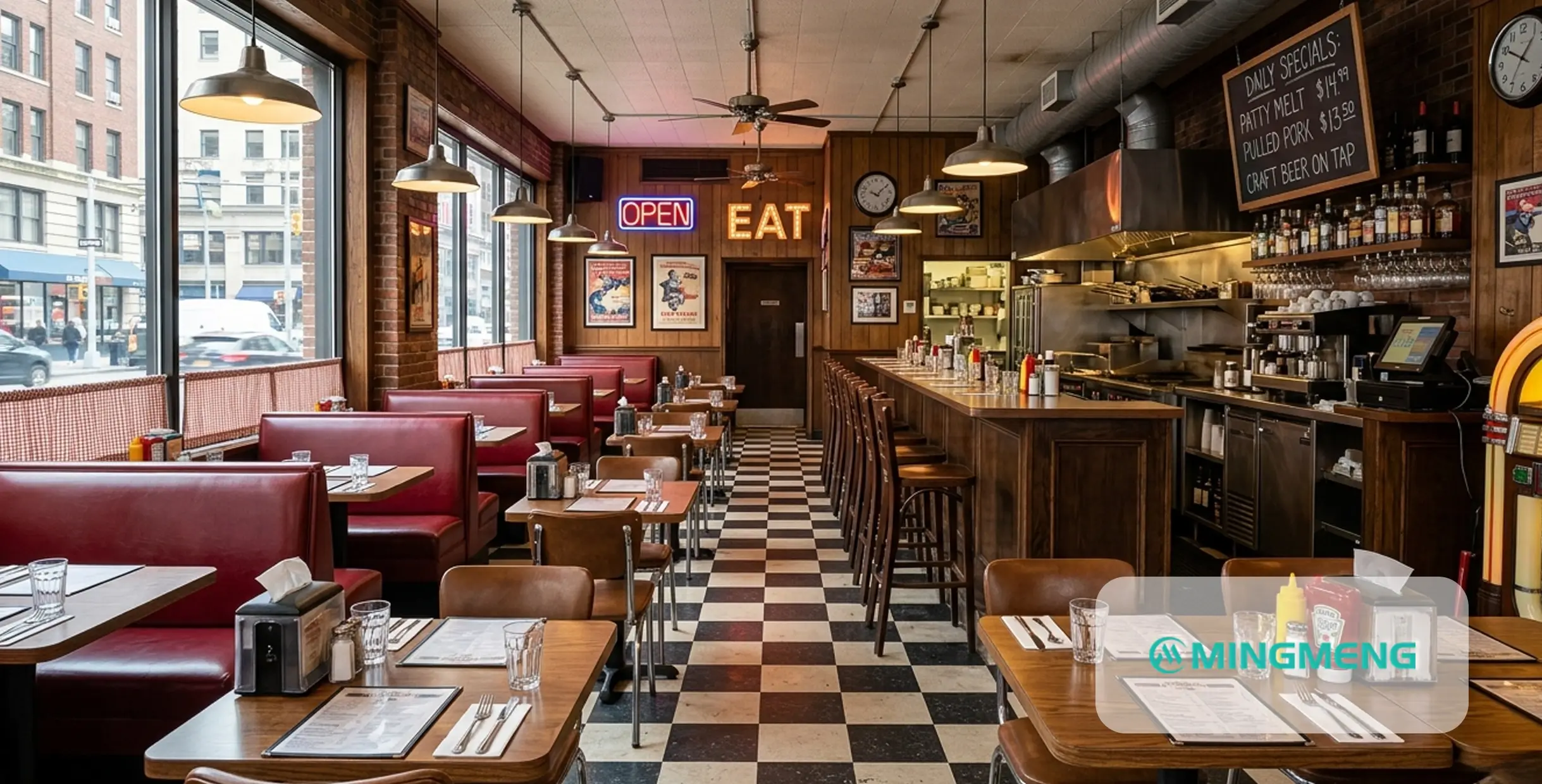
Below is the exact checklist we use internally to audit suppliers. Use it. Or better yet, print it out and force every supplier to answer every line.
Ị na-achọ aha? Malite na nke anyị Ndị na-ebunye ngwá ụlọ oriri na ọṅụṅụ 6 kacha elu na USA, wee megharịa ha na ndepụta ndetu a.
1. Ònye ka gị na ya na-akpa?
Rịọ maka ikikere azụmahịa na ikike mbupu ha. Maka Ndị na-eweta ngwá ụlọ ụlọ oriri na ọṅụṅụ ndị China, check if they’re registered with the Chamber of Commerce. A red flag: they can’t name three US customers from the last two years.
Ihe anyị na-eme dị iche iche: Anyị na-edobe folda akwụkwọ ọnụahịa ọrụ US gara aga (emezigharịrị, n'ezie) wee kesaa ha n'etiti ndị na-azụ ahịa. Ị kwesịrị ịrịọ maka otu ihe ahụ.
2. Nlereanya àgwà - atụkwasịla foto katalọgụ
Nye iwu ihe nlele anụ ahụ. Ọ bụghị obere swatch. Oche zuru oke ma ọ bụ tebụl n'elu. Nke a bụ ihe anyị na-enyocha:
- Njupụta ụfụfụ oche: ọkwa azụmahịa kwesịrị ịbụ 2.5-3.5 lbs kwa cubic ụkwụ. Ihe ọ bụla dị n'okpuru 2.0 lbs ga-adaba n'ime ọnwa 6.

- Frame ọkpụrụkpụ: tubular ígwè maka oche kwesịrị ịbụ 1.5mm ka 2.0mm ọkpụrụkpụ mgbidi. 1.2mm bụ maka ebe obibi - hapụ ya.
- Okpokoro n'elu ọnụ banding: rịọ maka PVC 2mm ma ọ bụ karịa. Mkparịta ụka dị nro na-apụ apụ mgbe 200 kpochapụrụ.
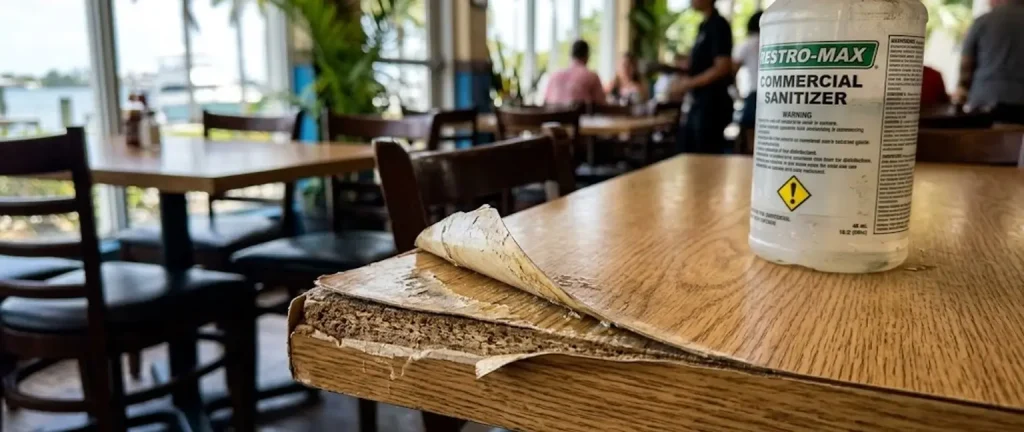
Ezigbo ọmụmaatụ: A Miami seafood restaurant ordered 200 oak-finish tables from a cheap supplier. The edge banding was 0.8mm. After one month of cleaning with standard disinfectants, 60 tables showed peeling. They switched to us. We use 2.5mm ABS edge banding with heat-sealed glue. Zero returns on that spec since 2019.
3. Nhazi — kedu ihe ga-ekwe omume?
Ekwela ka ndị na-ebubata ngwaahịa kwuo "ihe ọ bụla ga-ekwe omume." Nweta nkọwapụta.
- MOQ maka agba omenala: Most factories require 200–500 pieces per SKU. We go down to 50 pieces per design for standard modifications (swap fabric, change leg finish). Full custom (new mold) starts at 300 pieces.
- Ogologo oge maka omenala: Sampling 15–20 days. Bulk production 35–45 days after sample approval. Sea freight to US ports 30–35 days. Total door-to-door 80–100 days. Anyone promising 45 days total for custom? Walk away.
- Ihe ị ga-etinye na nkwekọrịta gị: "Onye na-eweta ngwaahịa ga-enye ihe nlele mmepụta na 30%, 70% na 100% mmecha maka nkwenye onye zụrụ."
4. Logistics - ebe ọtụtụ ọrụ na-anwụ
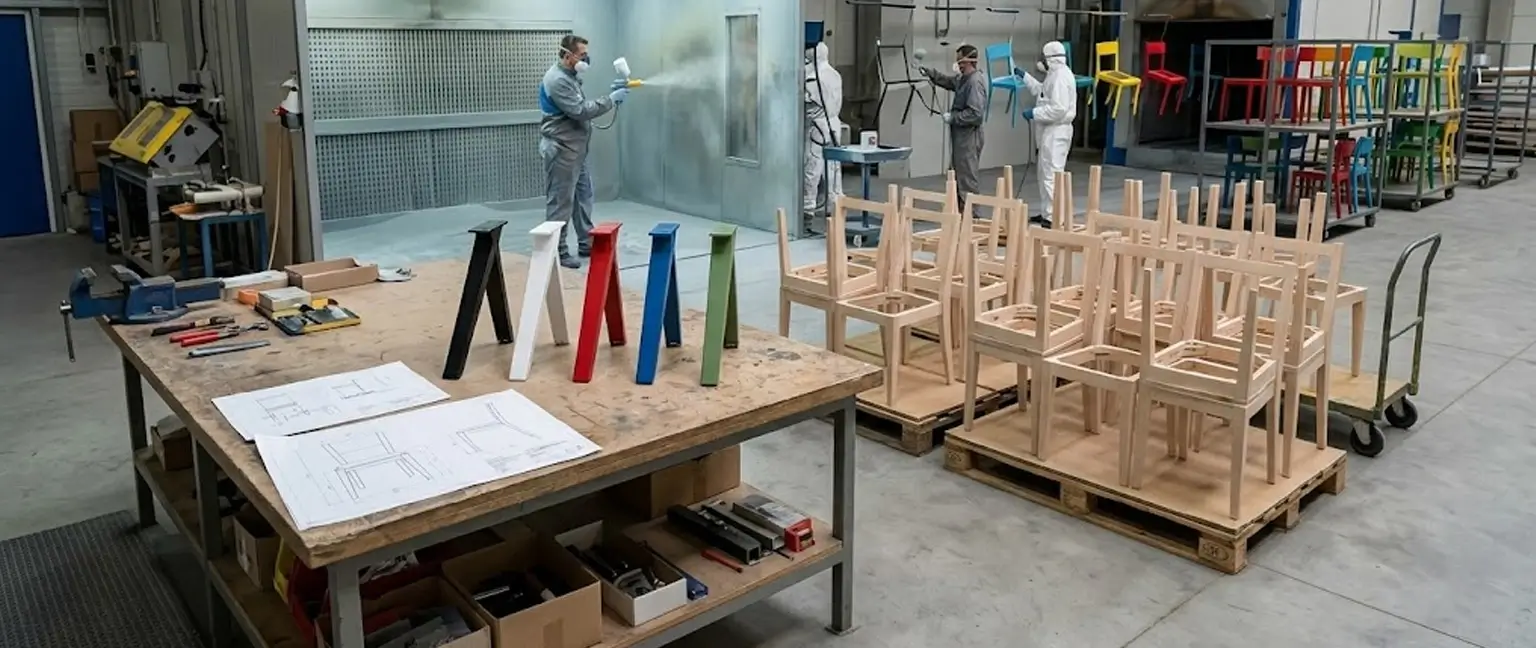
Nke a bụ usoro iheomume nke sitere na oru ngo ụlọ nkwari akụ Los Angeles ikpeazụ (stool omenala 250):
- Nkwenye nlele: Febụwarị 10
- Mmepụta nke ukwuu: Maachị 28
- Ebugoro n'ụgbọ mmiri si Shenzhen: Eprel 5
- Batara ọdụ ụgbọ mmiri Long Beach: Mee 10
- Enyere ya n'ụlọ nkwakọba ihe ndị ahịa: Mee 18
Total: 98 days from deposit to doorstep. This is normal for overseas custom. Budget for it. If a supplier claims 60 days total for fully custom furniture, they’re either lying or shipping low-quality air freight (which costs 4x more).
Nweta nke a na ederede: igbu oge ntaramahụhụ nke 0.5% nke uru iwu kwa izu mgbe emechara ụbọchị ụgbọ mmiri. Ọtụtụ ndị na-eweta ngwá ụlọ ụlọ oriri na ọṅụṅụ ga-adaba na 0.1%. Zute na 0.25%. Ọ na-egosi ezi okwukwe n'akụkụ abụọ.

5. Akwụkwọ ikike - ihe dị iche n'etiti "ahịa" na "residential"
Jụọ: "Gịnị kpọmkwem ka akwụkwọ ikike gị na-ekpuchi, yana afọ ole nke ụlọ oriri na ọṅụṅụ kwa ụbọchị na-eji?"
Usoro anabatara kacha nta maka azụmahịa:
- Frame/welds: afọ 5
- Akwa akwa: afọ 2 (vinyl / akpụkpọ anụ) ma ọ bụ afọ 1 (akwa)
- Foam/nkwado: afọ 2
- Akụkụ na-akpụ akpụ (swivel bases, hinges): 2 afọ
We once replaced 300 bar stool swivel mechanisms for a brewery in Oregon because the original supplier’s warranty was “1 year limited” — which actually covered nothing except manufacturing defects found within 30 days. Read the fine print.
Supplier Scorecard — bipụta nke a
Detuo tebụl a n'ime Excel. Akara onye na-eweta ngwaahịa ọ bụla 1 ruo 5. Ọ nwere ihe dị n'okpuru 3.5? Gaa ihu.
| Otu | Ibu | Onye na-eweta A | Onye na-eweta B | Onye na-eweta C |
|---|---|---|---|---|
| Akwụkwọ ikike + ntụaka | 15% | |||
| Ogo nlele (nkọwapụta dị n'elu) | 20% | |||
| Nhazi MOQ + oge ndu | 15% | |||
| Nkọwapụta logistics | 15% | |||
| Usoro akwụkwọ ikike | 20% | |||
| Nkwekọrịta nkwekọrịta (enweghị ụgwọ ezoro ezo) | 15% | |||
| Ngụkọta nha | 100% | /5 | /5 | /5 |
Ọchịchị anyị: N'okpuru 3.0 bụ ngafe siri ike. 3.0–3.8 dị ize ndụ mana enwere ike yana nkwekọrịta siri ike. 3.9+ bụ onye mmekọ anyị ga-arụkọ ọrụ.
Ọnyà anọ ka na-ejide ndị ahịa nwere ahụmahụ
Ọnyà 1: "Nlereanya àgwà ejirila nnukwu ego"
Without a sealed reference sample, you have no proof. We take a photo of the sample next to a ruler and a color chart, then sign it into the contract as “Exhibit A”. Do this.
Ọnyà 2: "ọnụahịa gụnyere ụgwọ niile" - mgbe ahụ ha anaghị eme ya
We’ve seen suppliers add mold fees ($500–2000), documentation fees ($150), and even “inspection fees” ($300) after the deposit. Ask upfront: “List every possible fee besides the per-unit price and shipping.” If they hesitate, they’re hiding something.
Ọnyà 3: "Naanị izu 2 egbuola oge" ugboro anọ
Write into your contract: “Buyer may cancel the order without penalty if shipment is delayed beyond 30 days from the contracted ship date.” Watch how fast they become realistic about lead times.
Ọnyà 4: "Anyị nwere nkwado US" - kedu kpọmkwem?
Rịọ maka adreesị US na akara ekwentị. Kpọọ ya. Ọ bụrụ na ọ bụ ụlọ obibi ma ọ bụ ụlọ ọrụ mebere, ha enweghị ezigbo nkwado.
Ajụjụ - ezigbo ajụjụ sitere n'aka ndị nwe ụlọ oriri na ọṅụṅụ
Ajụjụ: Gịnị bụ usoro kacha nta maka obere ụlọ oriri na ọṅụṅụ na-emepe ebe mbụ?
A: For stock items (no customization), many suppliers will do 20–50 pieces total mix-and-match. For custom colors or fabric, expect 50–100 pieces per SKU. We personally accept 30 pieces per design for upholstery changes only. If you need less than that, buy stock and add custom touches yourself (replacement cushions, local refinishing).
Ajụjụ: Ego ole ka m ga-emefu ego maka mbupu site na China gaa n'ụlọ nkwakọba ihe US?
A: Rough rule: $3–5 per kilogram for sea freight (LCL), plus $200–400 for customs clearance and truck delivery. A full container (20ft, about 500–600 chairs) runs $3,500–5,500 total. Get three freight quotes yourself — don’t let the supplier mark it up 40%.
Ajụjụ: Enwere m ike nyochaa mmepụta tupu mbupu?
A: Yes and you should for orders above $20,000. Hire a third-party like SGS or Bureau Veritas for $300–500 per inspection. They’ll check random samples, take photos, and issue a report. Put in the contract: “Buyer has the right to one pre-shipment inspection at supplier’s facility. Supplier must fix any defects identified before loading.”
Ajụjụ: Kedu ogologo ndụ nke azụmahịa vs. arịa ụlọ obibi na ụlọ oriri na ọṅụṅụ?
A: Residential chairs: 12–18 months before joints loosen, fabric fades, or foam flattens. Commercial-grade (1.5mm+ steel frame, 3lb foam, commercial vinyl): 5–8 years with daily use. The price difference is usually 30–50% more upfront but saves you three replacement cycles.
Ajụjụ: Ị na-aga n'ihu na-akpọ MingMeng Furniture. Gịnị mere m ga-eji tụkwasị obi na ndepụta ndenye gị?
A: You shouldn’t blindly trust any supplier. That’s the point of this checklist — use it on us too. Ask for our past US client contacts, order a sample, check our warranty, and negotiate the contract. If we pass your audit, great. If not, find someone who does.
Ị dịla njikere itinye onye na-ebu ihe n'ebe ahụ?
Ziga ndepụta nlele a nye onye ọ bụla nwere ike ime. Ọ bụrụ na ha ajụ ịza ahịrị n'ahịrị, ị zọpụtala onwe gị ọnwa mgbu.
Achọrọ ndepụta nhọrọ iji malite? Nke a bụ isii anyị enyochalarị - mana mee nyocha nke gị na agbanyeghị.
Maka echiche nke abụọ n'efu maka onye na-ebubata ihe ị na-atụle, hapụ anyị akara site na nke anyị ibe kọntaktị. Anyị anaghị akwụ ụgwọ maka nyocha ngwa ngwa.