

 English
 中文
 日本語
 한국어
 العربية
 Русский
 Português
 Türkçe
 हिन्दी
 Tiếng Việt
 ไทย
 Indonesia
 Melayu
 ខ្មែរ
 ລາວ
 မြန်မာ
 Afrikaans
 Hausa
 Igbo
 Sesotho
 isiXhosa
 Yorùbá
 isiZulu
In the hospitality industry, the table is the foundation of the guest experience. It’s where first impressions are formed, meals are savored, conversations flow, and lasting memories are made. For restaurant owners and operators, selecting the right tebụl oriri na ọṅụṅụ is a strategic decision that impacts everything from brand perception and guest comfort to operational efficiency and long-term profitability. A table must balance aesthetic appeal with the rigorous demands of a commercial environment—spills, heat, constant use, and daily cleaning.
This comprehensive 2026 guide is designed for restaurant owners, managers, interior designers, and procurement professionals. We provide a systematic framework for selecting tebụl ụlọ oriri na ọṅụṅụ azụmahịa that meet the unique needs of your concept, budget, and operational reality, ensuring your investment pays dividends for years to come.
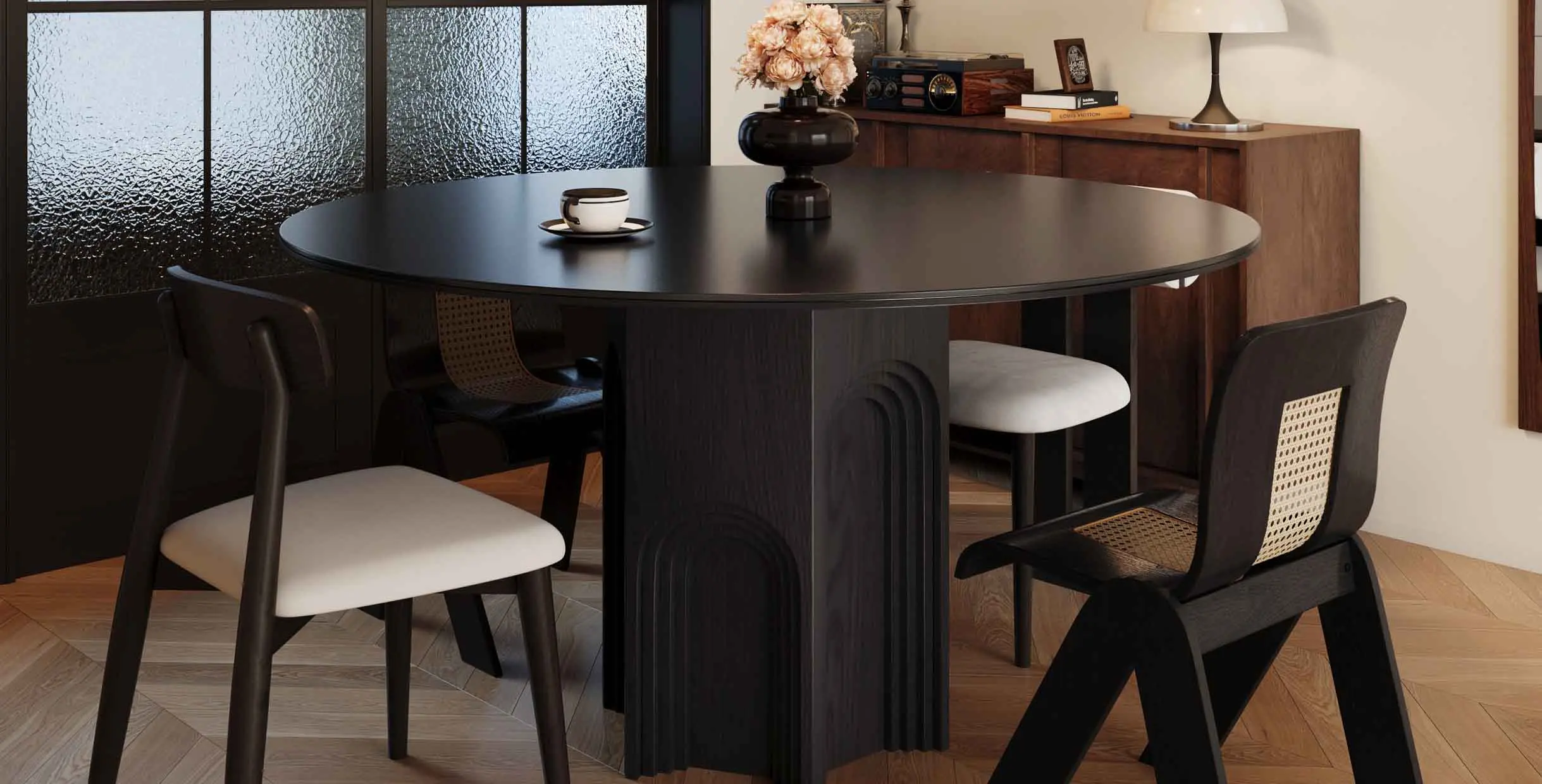
1. Ọrụ Strategic nke Tebụl na Ịga nke Ọma Ụlọ oriri na ọṅụṅụ
A họọrọ nke ọma okpokoro nri is a multifunctional asset that contributes directly to your bottom line:
- Nkọwapụta ika: The table’s material, shape, and finish communicate your restaurant’s identity—be it rustic farmhouse, sleek modern, or classic European.
- Nkwalite ego mbata: Proper sizing and layout maximize seat turnover while maintaining guest comfort, directly impacting covers per hour[¹].
- Ịrụ arụ ọrụ: Tables that are the right height, durable, and easy to clean streamline service and reduce labor costs.
- Afọ ojuju ndị ọbịa: A stable, comfortable, and aesthetically pleasing table enhances the dining experience, encouraging longer stays and repeat visits.
2. Oge 1: Ịkọwapụta mkpa gị - Echiche, nhazi & ọrụ
Tupu ị na-eme nchọgharị na katalọgụ, guzobe nkenke doro anya:
- Echiche ụlọ oriri na ọṅụṅụ: Fine dining, casual bistro, fast-casual, or family-style? Each dictates different material and design priorities.
- Nyocha atụmatụ ala: Work from CAD drawings. Map out traffic flow, service stations, and seating zones. Determine exact dimensions needed for each table, accounting for chair clearance (minimum 24-30″ between tables).
- Ihe achọrọ arụ ọrụ: Consider daily use patterns. Will tables need to be moved frequently? Are they for indoor or outdoor use? Do they need to accommodate wheelchair access (ADA compliance requires 27″ minimum knee clearance)?
3. Phase 2: Material Selection – Balancing Beauty & Commercial Duty
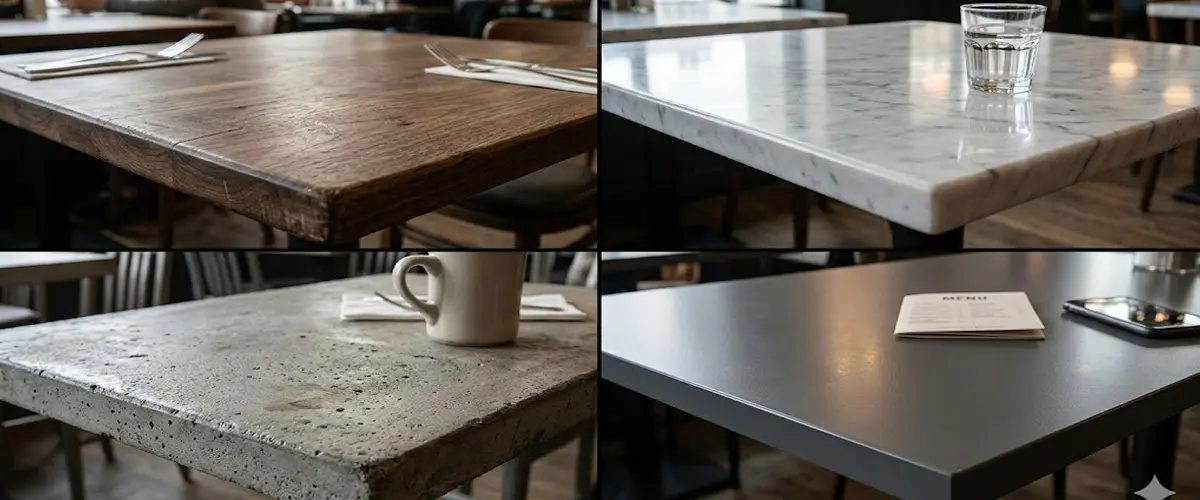
The tabletop material is the most visible and most abused surface in your restaurant. Choose wisely.
| Ụdị ihe | Kachasị mma maka | Uru ndị bụ isi | Echiche Azụmahịa |
|---|---|---|---|
| Laminate nke nrụgide dị elu (HPL) | Nri oriri nkịtị na-agbanwe agbanwe, agbụ ngwa ngwa, ụlọ nri ezinụlọ. | Extremely durable, scratch & stain-resistant, vast design options, budget-friendly. | Specify commercial-grade HPL (0.048″ minimum thickness). Edges must be well-sealed against moisture. |
| Osisi siri ike | Iri nri dị mma, echiche ime obodo, mmanya mmanya. | Ọmụma na agwa enweghị atụ. Enwere ike imezigharị ka oge na-aga. | Requires commercial-grade catalyzed finish. Softer woods (walnut) need more care than hardwoods (oak, maple). Higher maintenance. |
| Ihe mkpuchi osisi n'elu Plywood | Echiche dị n'etiti ruo na elu na-achọ osisi na-ele anya na nkwụsi ike ka mma. | Warms look of wood with greater dimensional stability than solid slabs. Less prone to warping. | Critical: Must have a durable, moisture-resistant topcoat. Edge banding must be robust. |
| Laminate (Melamine) | Arụmọrụ na-emefu ego, n'azụ ụlọ, n'èzí. | Ọnụ ala dị ala, dị arọ, dị mfe ihicha. | Less durable than HPL. Prone to chipping and edge swelling if not well-sealed. |
| Elu siri ike (dịka, Corian) | Ogwe ndị dị elu, counter sushi, echiche ọgbara ọhụrụ. | Enweghị enweghị nkebi, enweghị oghere, enwere ike ịrụzi, enwere ike ịme ka ọ bụrụ temometa ka ọ bụrụ ụdị. | Higher cost. Can scratch but can be sanded out. Requires professional fabrication. |
| Nkume okike (Granite, Quartzite) | Ụlọ steak dị elu, ụlọ oriri na ọṅụṅụ họtel mara mma. | okomoko na-enweghị atụ, okpomọkụ na-eguzogide, na-adịgide adịgide. | Very heavy (requires robust base). Porous stones need sealing. Highest cost. |
| Ọla (igwe anaghị agba nchara, igwe mkpuchi ntụ ntụ) | Echiche ụlọ ọrụ, iri nri n'èzí, ụlọ mmanya. | Na-adịgide adịgide, dị mfe ime ka ọ dị ọcha, ọdịdị ụlọ ọrụ ọgbara ọhụrụ. | Can dent. Stainless shows fingerprints (brushed finish helps). Conducts heat/cold. |
| Ihe siri ike | Industrial-chic, ụlọ mmanya dị elu, ụlọ ezumike ọgbara ọhụrụ. | Ụdị pụrụ iche, nke na-adịte aka nke ukwuu, nwere ike ịwụ ya n'ụdị. | Very heavy. Must be sealed to prevent staining. Can crack if not properly reinforced. |
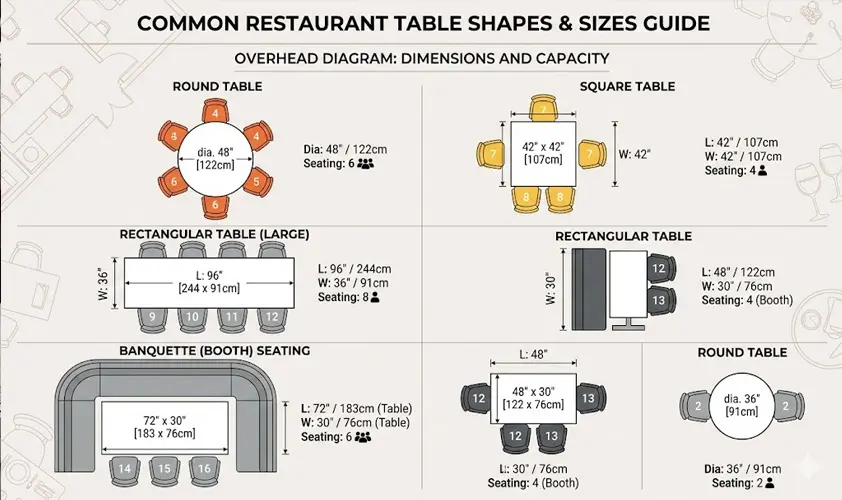
4. Nkeji 3: Ụdị Tebụl & nha - Na-eme ka atụmatụ ala gị dịkwuo mma
| Ụdị | Kachasị mma maka | Ọkọlọtọ Akụkụ (Azụmahịa) | Nlebanya oghere & nfegharị |
|---|---|---|---|
| Gburugburu | Ebe obibi chiri anya, obere oghere, ebe oriri na ọṅụṅụ. | 24" (2 oche), 30" (2-3 oche), 36" (4 oche), 48" (4-5 oche). | Encourages conversation. Efficient for tight corners. Requires less clearance space than squares for same seat count?[²] |
| Square | Nhazi 2-elu na nke 4 nke ọma. | 24×24" (2-elu), 30×30" (2-3 n'elu), 36×36" (4-n'elu). | Highly modular; can be combined for larger parties. Easy to arrange in grids. |
| Rektangulu | Nke a na-ahụkarị maka elu 4-elu, tebụl ọha mmadụ, njikọta oriri na ọṅụṅụ. | 30×48" (4-elu), 36×60" (6-elu), 36×72" (8-elu). | Maximizes seating along walls and in long spaces. Standard for most dining rooms. |
| Square/Rectangle (akụkụ Banquette) | Ejikọtara ya na oche ụlọ ntu. | Omimi: 24-30 ″. Ogologo ogologo ka ọ dabara ụlọ ntu. | One side cut straight for banquette abutment. Allows seamless built-in look. |
| Organic/Nnwere onwe | Nhazi dị elu, oghere nkwupụta. | Akụkụ omenala. | Creates unique focal point. Requires custom fabrication and careful layout planning. |
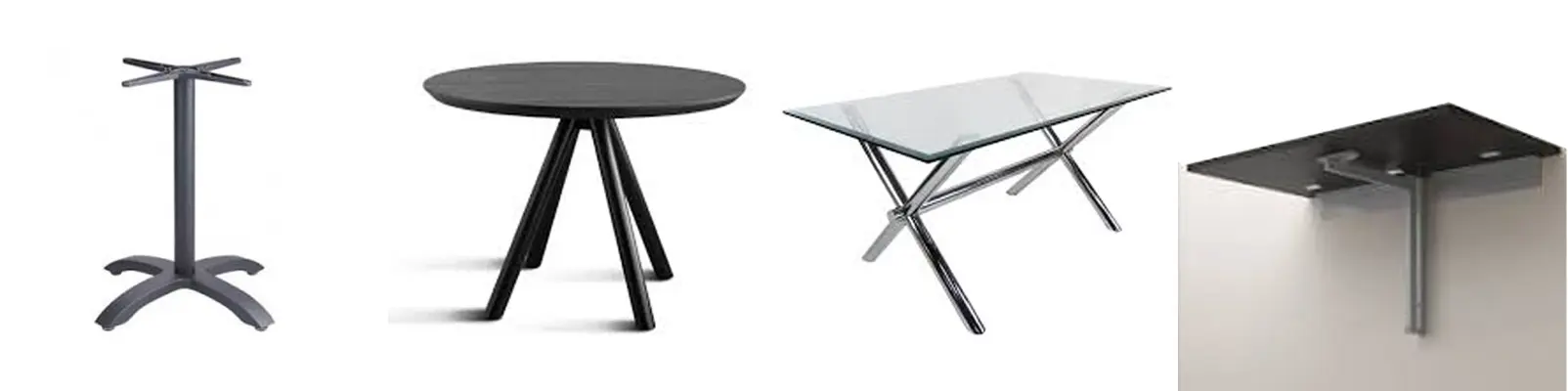
5. Usoro 4: Ụdị Ụdị - Nkwụsi ike, Aesthetics & Mgbanwe
Isi ihe dị mkpa dị ka n'elu maka ọrụ na ụdị.
- Ebe etiti pedestal:
- Uru: Unobstructed legroom, elegant look, easy for guests to slide in/out. Ideal for round tables and fine dining.
- ọghọm: Less stable on uneven floors than four-leg bases. Single point of support requires robust construction.
- Ndụmọdụ nkọwa: Look for weighted, stable bases (cast iron or weighted steel) to prevent tipping. Adjustable glides are essential.
- Isi Ụkwụ anọ:
- Uru: Maximum stability, traditional look, excellent for heavy tops and high-traffic areas.
- ọghọm: Ụkwụ nwere ike igbochi ndị ọbịa oche na ihicha.
- Ndụmọdụ nkọwa: Ensure legs are set back sufficiently from the table edge to avoid knee knock. Crossbars add rigidity but may reduce legroom.
- Trestle ma ọ bụ X-Base:
- Uru: Ụlọ ọrụ mmepụta ihe ma ọ bụ ihe ịchọ mma, kwụsiri ike nke ukwuu, dị mma maka tebụl ọnụ.
- ọghọm: Nwere ike ịmachi legroom tụnyere pedestals. Arọ.
- Ndụmọdụ nkọwa: Ensure the central support is high enough to allow comfortable leg positioning.
- N'elu tebụl naanị (maka ntọala ndị dị):
- Uru: Cost-effective refresh option if bases are still in good condition. Allows material/color update without full replacement.
- ọghọm: Kwesịrị hụ na ndakọrịta (nha, ụkpụrụ nrịgo) na ntọala ndị dị adị.
- Ndụmọdụ nkọwa: Nye ndị na-ebubata gị ụkpụrụ oghere mgbago kpọmkwem.
- Tebụl ndị etinyere na mgbidi / mpịachi:
- Uru: Maximizes flexibility in small spaces or multi-purpose rooms. Can be folded down when not in use.
- ọghọm: Obere nke kwụsiri ike karịa nnwere onwe. Na-achọ ịgbanye mgbidi siri ike.
- Ndụmọdụ nkọwa: Ideal for cafes with fluctuating capacity or private dining rooms that convert to event space.
6. Nkeji 5: Nhazi tebụl na ebe a na-eri nri
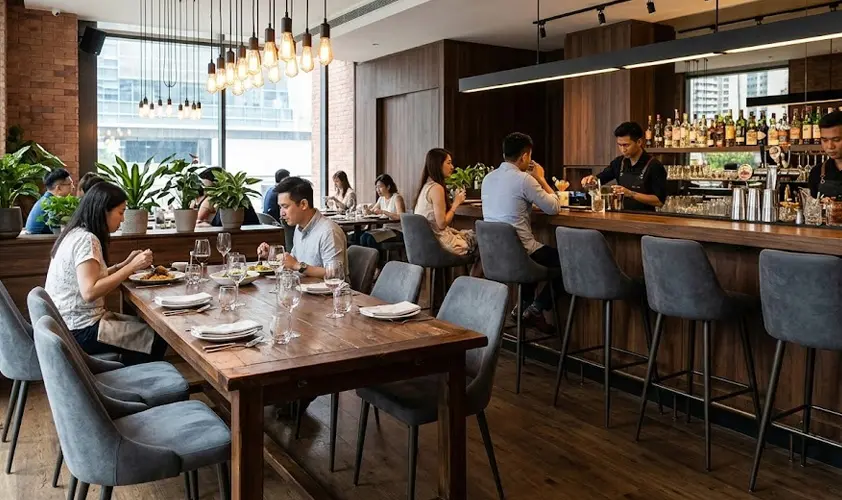
A cohesive dining room requires harmony between tables and chairs. Use this coordination guide:
| Ụdị Tebụl & Ụdị | Njikọ oche akwadoro | Mmakọ stool mmanya akwadoro (maka ọnụ ụlọ mmanya) | Atụmatụ imewe |
|---|---|---|---|
| Osisi dị n'elu + ihe mgbakwasị ụkwụ (nri dị mma) | Upholstered dining chairs with medium-high backs, e.g., our Contour Lounge Chair. | Backless or low-back bar stools with upholstered seats, e.g., Metro Adjustable Stool with padded seat. | Na-emepụta mpaghara ndị a nụchara anụcha, dị mma. Pedestal na-enye ohere ijegharị oche dị mfe. |
| Laminate Top + Isi ụkwụ anọ (nri nri nkịtị) | Stackable wood or polypropylene chairs, e.g., our Bistro Classic or Utility Series. | Simple metal or wood bar stools with footrests, e.g., Industrial Utility Stool. | Durable, easy-clean, high-turnover focused. Chairs match table’s utilitarian efficiency. |
| Ihe kacha elu + Trestle base (ụlọ ọrụ mmepụta ihe) | Metal frame chairs with wood or metal seats, e.g., our Forge Series chair. | Welded steel bar stools with industrial finish, e.g., Pivot Series adjustable stool. | Raw materials speak the same industrial language. Visual weight balanced. |
| Gburugburu Marble Top + Pedestal (ụlọ ezumike okomoko) | Velvet or leather armchairs, e.g., our Curve Lounge Chair. | Luxe velvet or leather bar stools with swivel, e.g., custom upholstered swivel stools. | Opulent materials paired with equally luxurious seating. Encourages lingering. |
| Ọkwa HPL kachasị elu + Aluminom Base (Patio) | All-weather resin or aluminum chairs, e.g., our Alfresco Collection oche nri. | Weather-resistant bar stools with quick-dry cushions, e.g., Coastal Breeze stool. | Both table and chair specified for all-weather endurance and easy cleaning. |
Ndụmọdụ Pro: Mgbe ịtụ Tebụl ụlọ oriri na ọṅụṅụ n'ogbe, request finish samples (wood stain, laminate pattern, metal powder-coat) alongside your oche ụlọ oriri na ọṅụṅụ fabric or finish samples to ensure perfect coordination under your actual lighting.
7. Usoro 6: Usoro Ịzụta - Isi mmalite & Nkọwapụta
| Ụdị ndị na-ebubata ihe | Uru | Cons | Kachasị mma maka |
|---|---|---|---|
| Onye nrụpụta ozugbo (dịka, MingMeng) | Best pricing, full customization, direct quality control, dedicated project support. | Ọnụ ọgụgụ kacha nta dị elu (MOQs), ogologo oge ndu maka ọrụ omenala. | Agbụ nke ọtụtụ nkeji, nnukwu ọrụ, nkọwapụta pụrụ iche. |
| Onye nkesa n'ogbe | MOQ dị ala, ịnweta ọtụtụ ụdị, mbupu ngwa ngwa na ihe echekwara. | Less customization, markup added, potential for less technical expertise on specific products. | Ụlọ oriri na ọṅụṅụ ndị nta, ọrụ na-eji nha ọkọlọtọ na emecha. |
| Onye na-ere ngwá ụlọ nkwekọrịta | Ndụmọdụ imewe, njikwa ọrụ, ọrụ nrụnye. | Ọnụ ego kachasị elu, ejedebere na ụdị ha na-anọchite anya ya. | Ọrụ zuru oke na-achọ azịza ntụgharị igodo. |
Ndepụta nyocha nke Smart Buyer:
- Rịọ nlele anụ ahụ: Ezipụtala mgbe ọ bụla na-ahụghị ma metụ ihe n'ezie aka.
- Nyochaa akwụkwọ ikike azụmahịa: Lebe anya Afọ 5+ na nhazi, afọ 2+ agwụla.
- Kọwaa oge ndu: Ngwaahịa: 4-6 izu. Iwu omenala: 8-12 izu site na nkwụnye ego.
- Ghọta INCOTERMS: Kedu onye na-akwụ ụgwọ maka ibu, mkpuchi, kọstọm?
- Nyocha mgbe ebufera ya: Detuo mmebi ozugbo (n'ime awa 24-48).
8. Usoro 7: Nlekọta & Nlekọta Ndụ
Jiri nlezianya chekwaa ego gị:
- Kwa ụbọchị: Wipe with a soft, damp cloth. Use appropriate cleaners for the material (e.g., mild soap for laminate, stone-specific cleaner for marble). Avoid abrasive pads.
- Kwa izu: Inspect all legs and bases for loose screws or glides. Tighten as needed.
- Kwa ọnwa: Apply protective treatments as recommended (e.g., stone sealer, wood polish).
- Kwa afọ: Tụlee ihicha miri emi ọkachamara ma ọ bụ refinishing maka akwa uwe elu.
9. 2026 Ọnọdụ na Tebụlụ ụlọ oriri na ọṅụṅụ Azụmahịa
- Ihe na-adigide Demand for FSC-certified woods, recycled material content in laminates, and low-VOC finishes is accelerating.
- Ngwakọta agwakọta: Combining wood with metal, stone with wood, or concrete with reclaimed timber for textural contrast.
- Ụdị organic: Curved, live-edge, and freeform tabletops that break from rigid geometry, adding visual softness.
- Ihe ndị dị n'elu jikọtara teknụzụ: Tables with discreet wireless charging zones built into the surface or edge.
- Ọga n'ihu n'ime ime-n'èzí: Materials and designs that work seamlessly across both environments, using weather-resistant woods and powder-coated aluminum.
10. Mkpebi: Iwulite ntọala maka ịga nke ọma
Ịhọrọ aka nri tebụl oriri na ọṅụṅụ is a foundational investment in your establishment’s success. By methodically working through concept definition, material selection, size optimization, and base coordination, you create a dining environment that is both beautiful and operationally sound. The perfect table is one that guests admire, staff appreciate, and that performs flawlessly through thousands of meals.
Nke a bụ ebe mmekọrịta ya na onye nrụpụta pụrụ iche dị ka MingMeng na-egosi na bara uru. Dị ka a kpọmkwem Onye na-emepụta tebụl ụlọ oriri na ọṅụṅụ na ndị na-ebubata azụmahịa, we offer extensive customization, commercial-grade materials, and dedicated project support. Whether you need a full dining room of custom-sized tables, a statement piece for your bar, or durable outdoor tops for your patio, we collaborate with you to deliver solutions that elevate your brand and endure daily use.
Ị dịla njikere iwu ntọala ụlọ oriri na ọṅụṅụ gị? Kpọtụrụ MingMeng commercial team today to discuss your project, request material samples, and receive a transparent, volume-based quote for your custom restaurant tables.
Ajụjụ ndị na-azụ ahịa azụmaahịa
1. Gịnị bụ ọkọlọtọ ọkọlọtọ maka tebụl nri?
Ọkọlọtọ tebụl iri nri dị elu bụ 29-30 sentimita asatọ from floor to tabletop. For bar-height tables (casual dining or bar areas), standard is 41-43 sentimita asatọ, paired with bar stools (29-31″ seat height). Always measure your specific chairs to ensure proper pairing.
2. Tebụl ole ka m nwere ike dabara n'ime ụlọ iri nri m?
Iwu izugbe: ekenye 12-15 square ụkwụ kwa ọbịa for full-service dining, including circulation space. For a given floor plan, subtract space for service stations, entry, and restrooms, then divide remaining area by this per-guest allowance to estimate capacity. Professional space planning software or a designer is recommended for accuracy.
3. What is the most durable tabletop material for a busy family restaurant?
Laminate nke nrụgide dị elu (HPL) is often the best choice for high-turnover, family-friendly environments. It offers excellent resistance to scratches, stains, and heat, is easy to clean, and comes in countless designs. Specify commercial-grade HPL (0.048″+) with fully sealed edges for maximum longevity.
4. Enwere m ike iji okpokoro osisi n'èzí?
Only if the wood is specifically treated for outdoor use. Options include Accoya® (osisi emezigharịrị nwere ogologo oge klaasị 1), Ipe, Teak, ma ọ bụ Cedar. These species have natural oils or treatments that resist rot and insects. Even then, they require maintenance. For most commercial outdoor applications, powder-coated aluminum frames with HPL or solid surface tops are lower-maintenance alternatives.
5. Gịnị bụ oge ụzọ maka tebụl ụlọ oriri na ọṅụṅụ na-emekarị?
Maka akụkụ ahaziri ahazi, mmecha na nkọwa ihu, hazie maka 8-12 izu from finalized drawings and deposit to shipment. This includes material sourcing, production, finishing/curing, and packaging. Add 2-4 weeks for ocean freight depending on destination. Stock sizes may ship in 4-6 izu.
6. Kedu ka m ga-esi ehicha ihe dị iche iche tabletop?
- Laminate/HPL: Ncha na mmiri dị nro. Zenarị ndị na-ehicha ihe abrasive.
- Osisi: Damp cloth (not wet). Use wood-specific cleaner periodically. Avoid excess moisture.
- Nkume: pH-anọpụ iche nkume Cleaner. Hichapụ ihe ndị awụfuru ozugbo. Reseal kwa afọ.
- Ọla: Ncha na mmiri dị nro. Igwe anaghị agba nchara maka smudges.
- Ihe siri ike: pH-neutral cleaner. Ensure sealer is intact. Avoid acidic spills (wine, citrus).
7. Kedu tebụl kacha mma maka nnabata ADA?
Opekempe 5% nke tebụl (ma ọ bụ otu ụdị) ga-enyerịrị 27 sentimita asatọ nke nkwụsị ikpere (height: 27″ min, width: 30″ min, depth: 19″ min) and a table height of 28-34 sentimita asatọ. Consider adjustable-height tables or tables with removable leaves for maximum flexibility.
Ihe odide ala ala peeji:
[¹] Industry studies suggest optimizing table turnover through proper sizing and spacing can increase covers by 15-25% during peak hours.
[²] Round tables typically require 4-6 inches less clearance per seat than square ta


