

 English
 中文
 日本語
 한국어
 العربية
 Русский
 Português
 Türkçe
 हिन्दी
 Tiếng Việt
 ไทย
 Indonesia
 Melayu
 ខ្មែរ
 ລາວ
 မြန်မာ
 Afrikaans
 Hausa
 Igbo
 Sesotho
 isiXhosa
 Yorùbá
 isiZulu
The modern restaurant has evolved beyond a place to eat—it’s now a destination for socializing, relaxation, and extended experiences. The lounge area has become a key revenue zone, encouraging guests to transition from a quick meal to a leisurely evening. The right lounge furniture for restaurant spaces plays a critical role in this transformation, directly influencing customer dwell time, average check size, and overall brand perception. It creates the “third place” that customers crave—a comfortable, stylish environment that invites them to stay, socialize, and return.
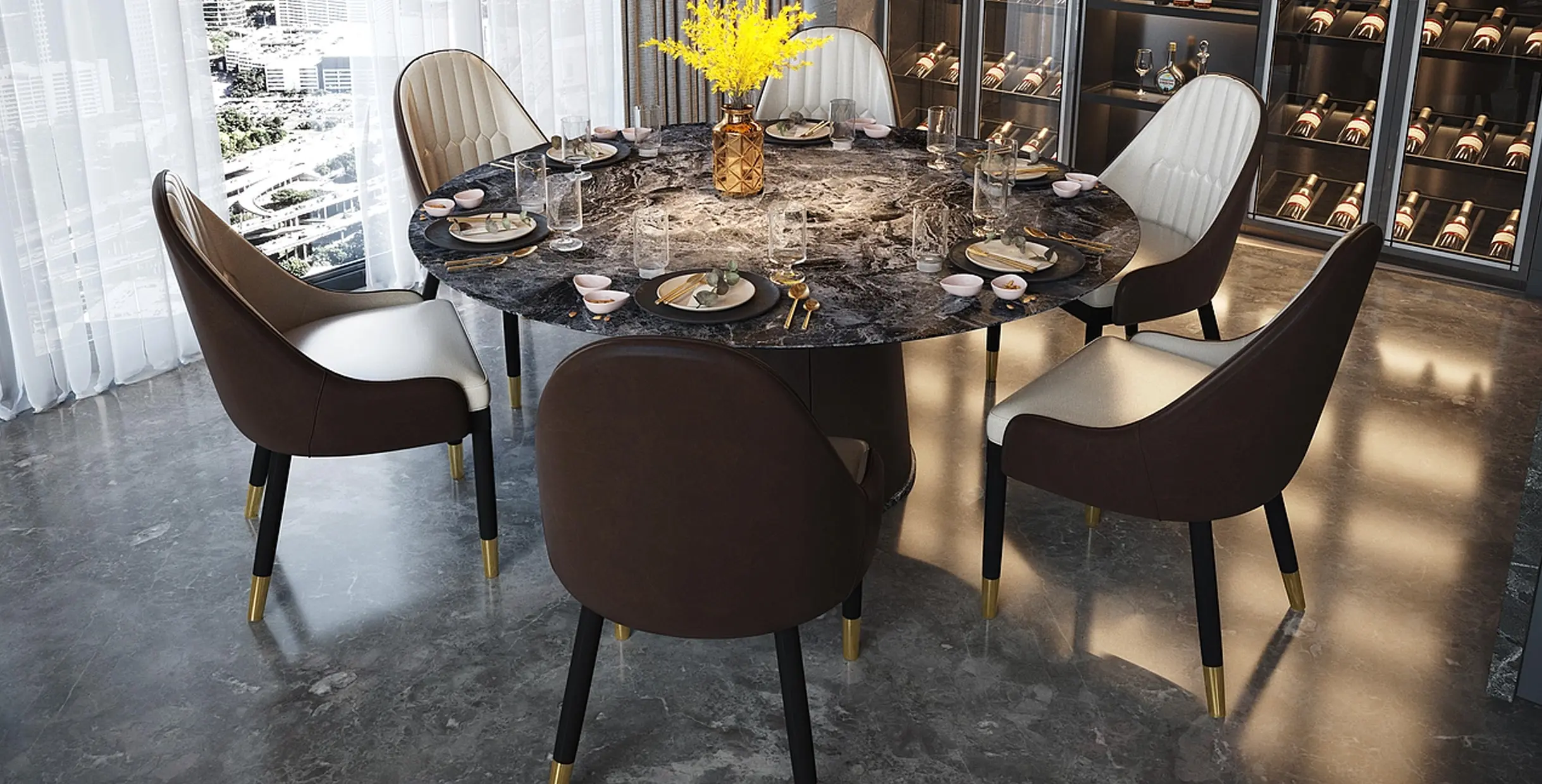
This guide delves into how selecting the right commercial lounge furniture can transform your restaurant’s ambiance, drive profitability, and distinguish your establishment in a competitive market.
1. The Power of the Lounge: More Than Just Seating
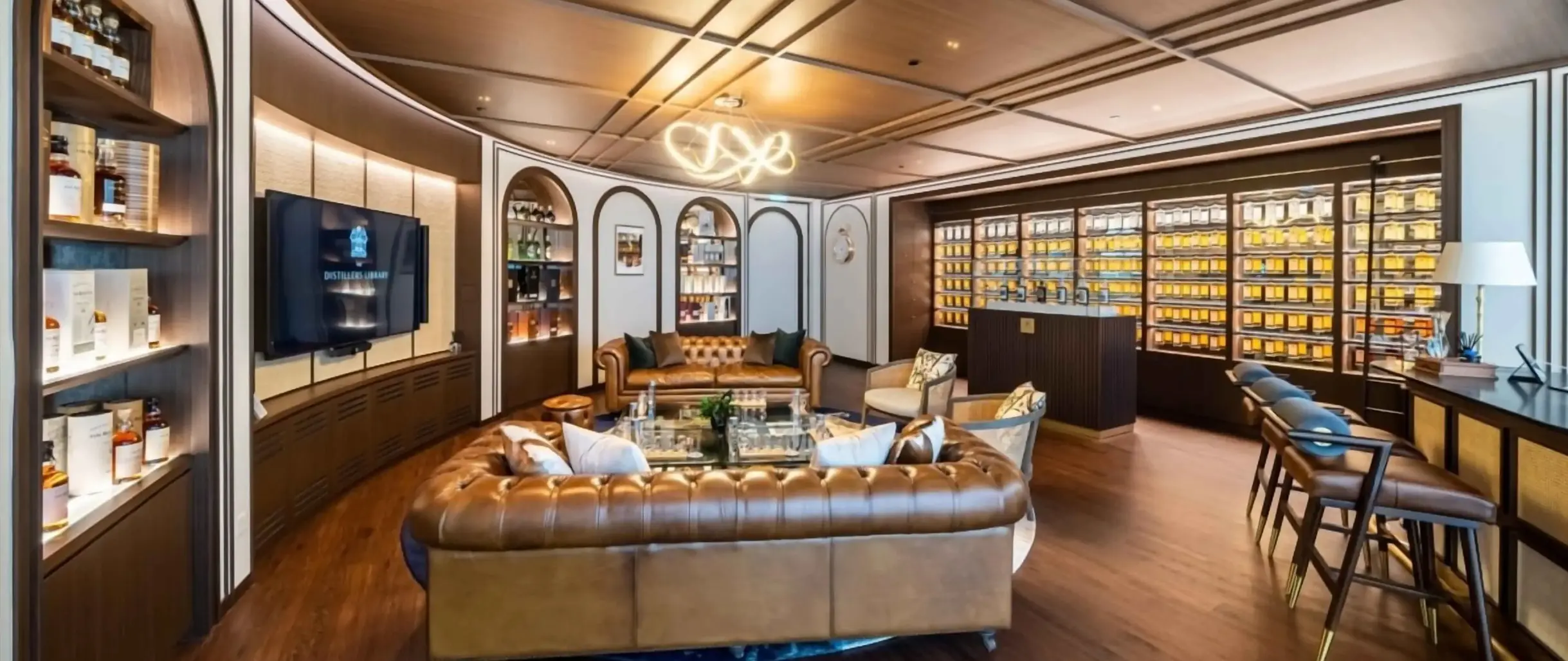
A well-designed lounge area is an invaluable business asset. It serves multiple functions: a welcoming waiting area, a vibrant social hub adjacent to the bar, a versatile space for private events, and a cozy retreat for dessert or after-dinner drinks. Investing in lounge furnituyre for restaurant use sends a clear message to guests: their comfort is a priority, which in turn enhances their overall experience and fosters loyalty. This strategic investment directly impacts your bottom line by increasing the time—and money—guests are willing to spend in your restaurant.
2. Design Principles for a Profitable Restaurant Lounge
Creating an effective lounge requires intentional design that focuses on both atmosphere and flow. Here are some key principles to guide you in designing a successful restaurant lounge:
- Zoning & Intimacy: Use furniture arrangements to create intimate conversational zones. Sectional sofas, high-backed chairs, and low tables can define separate areas within a larger space, helping guests feel nestled in rather than exposed.
- Flexibility & Flow: Incorporate modular lounge seating that can be easily reconfigured for different group sizes or events. Be sure to leave clear pathways for both staff and guests moving between dining tables.
- Comfort is King: Lounge seating demands deep seats, plush cushions (with high-density, commercial-grade foam), and ergonomic back support. The more comfortable your seating, the longer guests are likely to stay.
3. Key Pieces: Building Blocks of a Great Lounge
A well-balanced lounge consists of a mix of various commercial lounge furniture pieces:
| Piece | Primary Function | Key Considerations |
|---|---|---|
| Modular Sectionals | Defining spaces, accommodating flexible groups | Look for reversible cushions, durable upholstery, and easy-to-clean frames. |
| Accent Armchairs & Loveseats | Adding visual interest, creating intimate pairs | Prioritize unique designs that reflect your brand; ensure stability and durability. |
| Occasional Tables (Coffee, Nesting) | Providing utility (drinks, small plates) and aesthetic anchor | Mix heights and shapes; materials should withstand condensation and frequent cleaning. |
| Bar-Lounge Hybrid Stools | Connecting lounge to bar service, flexible perching | Opt for back support and footrests even at lower heights (24″-26″). |
| Banquettes with Lounge Depth | Space-efficient, luxurious perimeter seating | Ensure seat depth is a minimum of 22 inches for a true lounge feel. |
4. 2025 Trends in Restaurant Lounge Design
As the demand for unique dining experiences grows, restaurant lounge designs have evolved to reflect a more residential and luxurious feel. The following trends are set to dominate in 2025:
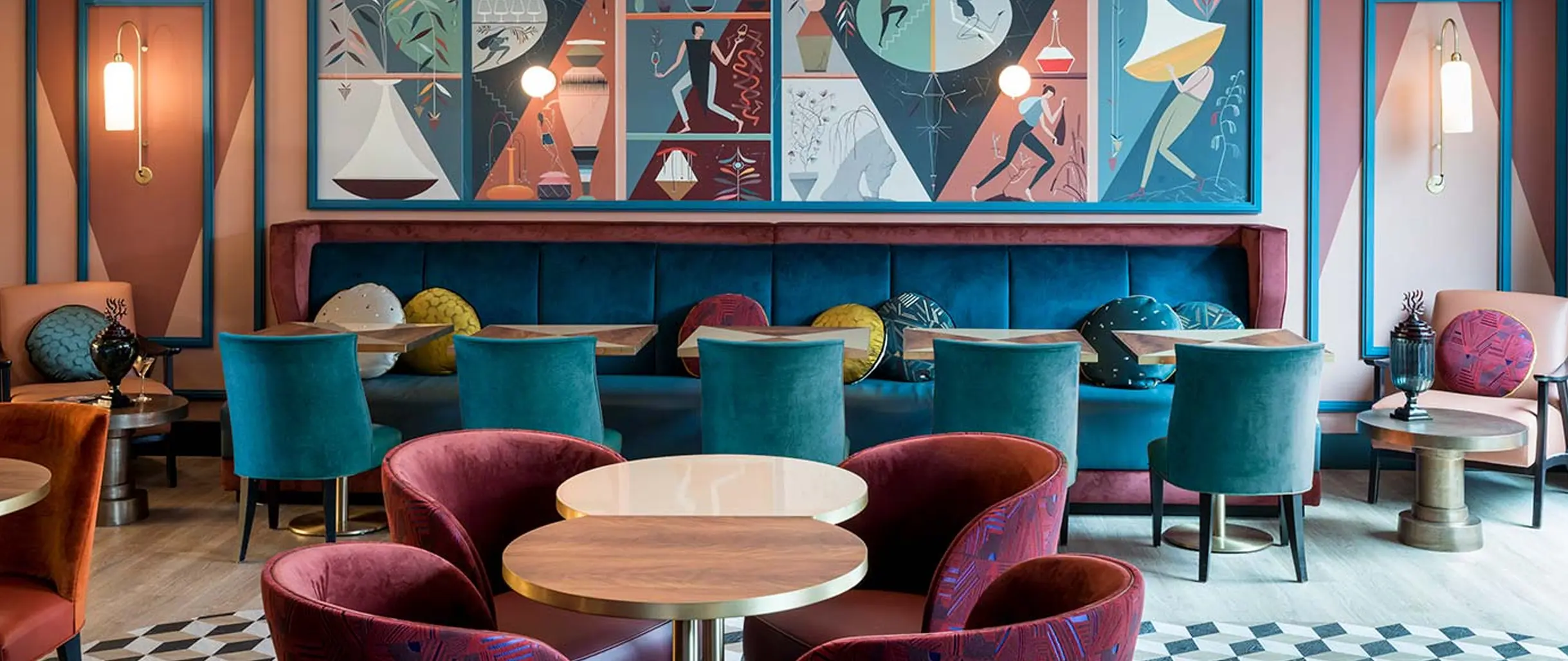
- Residential Luxury: The boundary between high-end homes and hospitality spaces continues to blur. Lounge furniture feels curated and luxurious, with rich textures like velvet, bouclé, and top-grain leather becoming key materials.
- Organic & Biophilic Forms: Sofas and chairs with soft, curved silhouettes that mimic natural forms are gaining popularity. The inclusion of live-edge wood tables and abundant greenery creates a serene and inviting atmosphere.
- Adaptable Multi-Function: With space at a premium, multifunctional furniture—such as lounge seating with integrated side tables or storage—is becoming essential for maximizing utility in smaller areas.
5. Material Selection for Durability & Style
Choosing the right materials ensures your lounge furniture withstands the rigors of commercial use while maintaining a stylish appearance.
- Awọn fireemu: Look for kiln-dried hardwood or reinforced steel for durability. Avoid cheap particle board or flimsy materials that won’t stand up to heavy traffic.
- Ohun ọṣọ: Opt for commercial-grade performance fabrics (100,000+ double rubs), treated vinyls, or solution-dyed acrylics that offer stain resistance, easy cleaning, and fade resistance.
- Finishes: Powder-coated metal legs and moisture-resistant finishes on wood are essential for ease of maintenance and long-term durability.
6. Curating Your Space: A Cohesive Furniture Plan
To create a truly cohesive lounge, start by selecting a focal point, such as a striking sectional or fireplace, and build your space around it. Layer in different textures and heights—pairing plush sofas with sleek metal chairs and a raw wood table. Be sure to order swatches and, if possible, sample chairs to test comfort, scale, and color under your actual lighting before committing to a full set of lounge furniture for restaurant use.
7. Conclusion: Investing in the Lounge Experience
Your restaurant’s lounge is more than just a place for customers to sit—it’s an essential space for building community, enhancing brand identity, and driving revenue. Thoughtfully selected commercial lounge furniture is not merely a cost but a strategic investment in creating memorable experiences that turn first-time visitors into regulars. By prioritizing comfort, design cohesion, and commercial durability, you create a space that customers will photograph, recommend, and eagerly return to.
Ready to design an unforgettable lounge? Contact Mingmeng’s commercial design team to explore our curated collection of durable, stylish lounge furniture and create a custom layout for your restaurant.
FAQs
Q1: How much space should I allocate per guest in a lounge area?
Allow 12-15 square feet per person in a lounge setting, which is more generous than dining areas to facilitate comfort, movement, and a relaxed atmosphere.
Q2: Can lounge furniture withstand high-traffic restaurant use?
Absolutely, if it is commercial-grade. Residential furniture will fail quickly. Look for frames with lifetime warranties, high double-rub count fabrics (50,000+), and high-density foam cushions (1.8+ density) designed specifically for contract use.
Q3: How do I choose between sofas and individual chairs?
Use a mix. Sectionals and sofas are great for larger groups and creating a cozy vibe. Armchairs and accent chairs offer flexibility for rearranging and add visual variety. A 60/40 mix (sofas to chairs) is often a good starting point.
Q4: What’s the ideal seat height and depth for lounge seating?
For true lounge comfort, aim for a seat height of 17-19 inches (lower than dining chairs) and a seat depth of 22-24 inches to allow for curling up or relaxed sitting.
Q5: How can I make my lounge area easy to clean and maintain?
Choose performance fabrics with stain repellency, use removable/washable cushion covers where possible, select dark or patterned fabrics to disguise minor wear, and opt for tables with sealed, non-porous tops.


