language

Hướng dẫn thực tế dành cho người mua về Ghế nhà hàng bằng gỗ thương mại: Giải thích về sức mạnh, sự thoải mái và thiết kế

Commercial wood restaurant chairs remain one of the most reliable, versatile, and visually appealing seating choices for cafés, bistros, hotels, and full-service restaurants. When chosen well, they communicate quality, elevate the dining atmosphere, and withstand years of daily customer traffic. But not all wood chairs are built the same—and if you’re a restaurant owner or procurement manager, you already know how hard it can be to distinguish a beautiful chair from one that will actually survive a commercial environment.


This practical buyer’s guide breaks down everything you need to know before purchasing commercial wood restaurant chairs: structural strength, comfort factors, finishes, joinery, cost tiers, and real-world examples. Along the way, you’ll find expert insights, comparison tables, and curated product picks designed to help you buy with confidence.
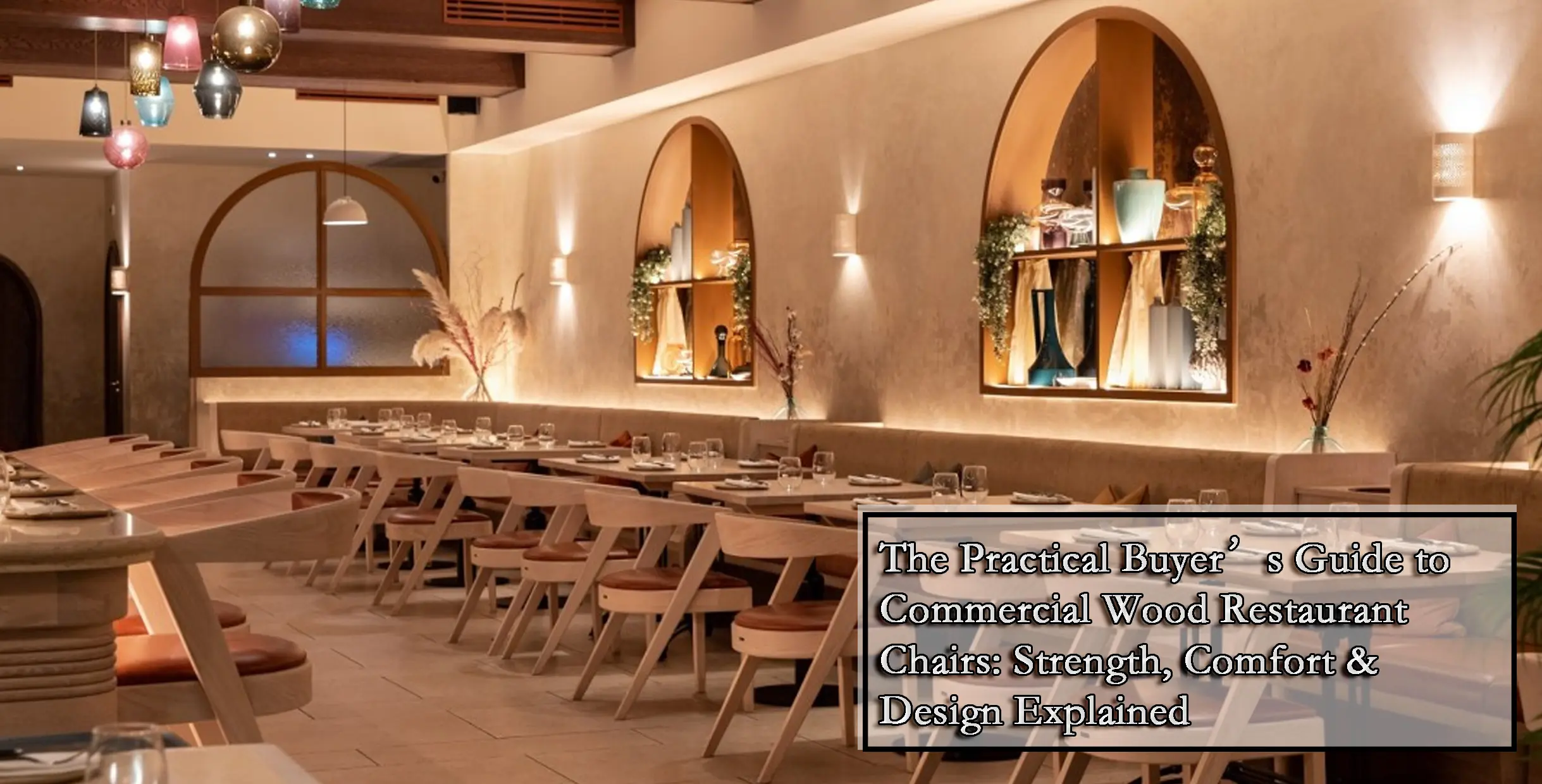
commercial wood restaurant chairs arranged in a warm modern dining interior with soft lighting and long banquet seating

Why Commercial Wood Chairs Still Lead in 2025

Unlike metal or plastic chairs, wood chairs bring a warmth and authenticity that many modern dining environments rely on. Whether you run a minimalist café or a Japanese fusion restaurant, a well-crafted wood chair instantly gives the space personality.

Here’s what today’s buyers value most:

  • Longevity — When properly constructed, solid wood chairs can last 5–10+ years in commercial settings.
  • Aesthetic flexibility — Works with Scandinavian, rustic, contemporary, or Asian dining concepts.
  • Comfort — Wood frames paired with upholstered seats remain customer favorites for long meals.
  • Brand storytelling — Guests can feel the difference between mass-produced seating and artisan-grade craftsmanship.

How to Evaluate Commercial Wood Restaurant Chairs

Below is a simple, buyer-friendly checklist—based on what furniture engineers, restaurant designers, and procurement teams look for.


1. Frame Strength & Joinery

Wood chairs don’t usually break from the seat; they fail at the joints. That’s why joinery method is more important than wood species.

Những gì cần tìm:

Joinery TypeStrength LevelGhi chú
Mortise & Tenon⭐⭐⭐⭐⭐Best for commercial use; prevents wobbling long-term
Dowel Joints⭐⭐⭐⭐Strong if reinforced with glue
Metal Brackets⭐⭐⭐Good for budget chairs
Screwed Only⭐Avoid for high-traffic restaurants

Mẹo: If the manufacturer is transparent about joinery, they are usually reputable.

Example of excellent craftsmanship:

➡ Ghế nhà hàng bọc gỗ nguyên khối tùy chỉnh cho không gian ăn uống kiểu Nhật
A well-built frame using reinforced joints, ideal for restaurants seeking traditional Japanese aesthetics.
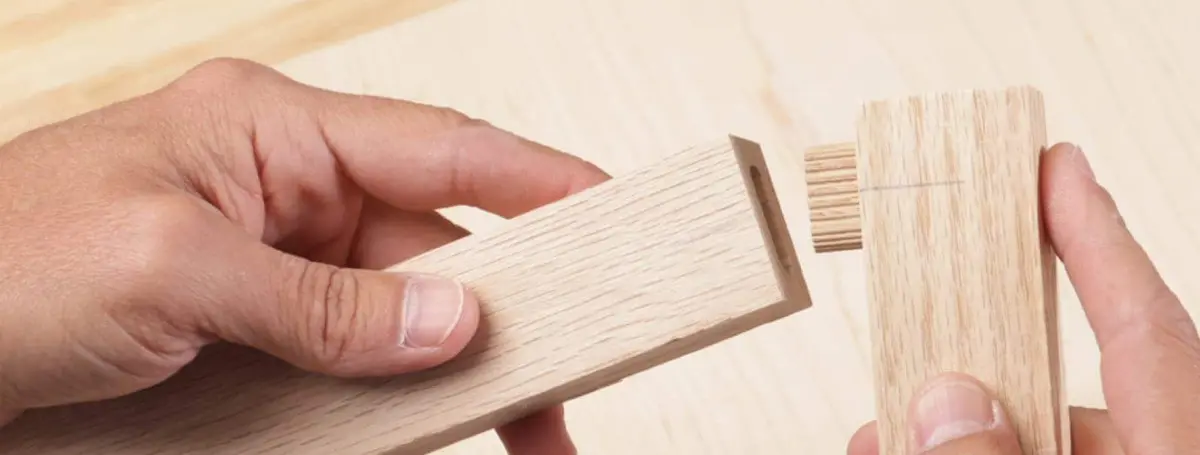
close-up of high-strength mortise and tenon joinery used in commercial wood restaurant chairs

2. Choosing the Right Wood Type

Not all woods are equal. Below is a simplified comparison:

Loại gỗĐộ bềnTốt nhất choPrice Tier
AshCaoModern cafés, fast-casual$$
BeechRất caoHotels, fine dining$$–$$$
Gỗ sồiCaoRustic, industrial$$
quả óc chóPhần thưởngNhà hàng cao cấp$$$
RubberwoodTrung bìnhBudget segments$

Best overall value: Beech wood
Best for premium interiors: Walnut or ash
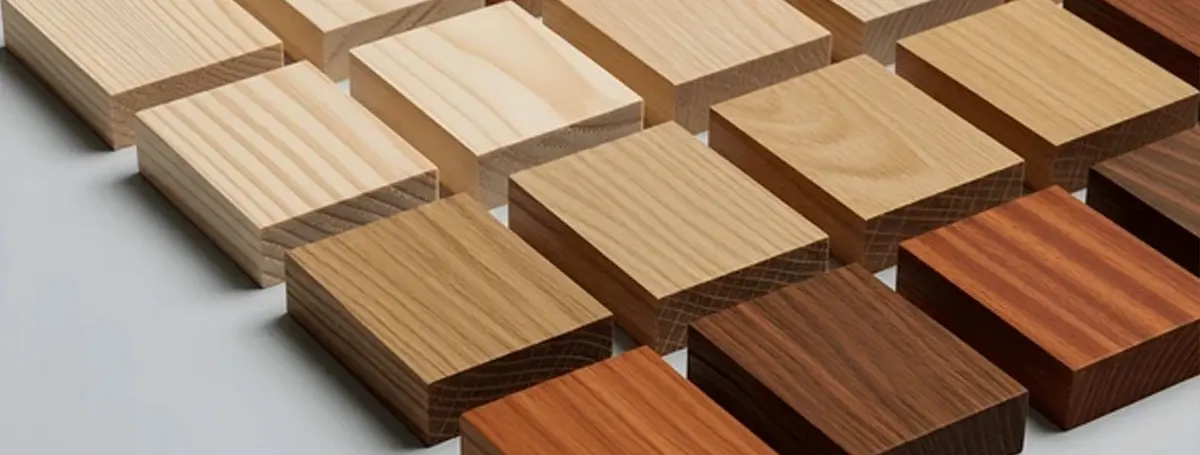
various wood material samples used for commercial restaurant chairs and tables

3. Comfort: The Often-Ignored Conversion Booster

Restaurant owners often underestimate how much seating comfort affects:

  • Average dining duration
  • Per-customer spending
  • Online reviews (comfort is frequently mentioned)

Hãy tìm:

  • Curved backrest or ergonomic shaping
  • Upholstered seat (PU, fabric, velvet, or leather)
  • Seat depth 17.5–19 inches for adults
  • Backrest angle 96–105 degrees

Example of comfort-focused chair:

➡ Ghế nhà hàng gỗ lưng cao lưng da PU
Designed for restaurants where guests remain seated for extended periods.
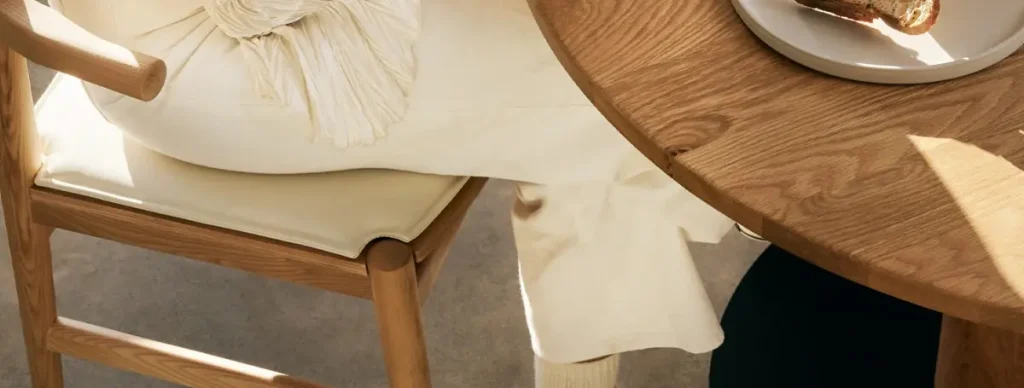
ergonomic wooden restaurant chair with an upholstered seat offering enhanced comfort

4. Finishes & Surface Protection

Commercial chairs must survive:

  • Cleaning chemicals
  • Heat and humidity
  • Frequent contact with body oils
  • Scratches from bags, belts, metal buttons

Best finish options:

  • Polyurethane (PU) coating — Most durable for restaurants
  • Water-based lacquer — Eco-friendly, matte finish
  • Oil finish — Beautiful but requires maintenance

If the manufacturer offers ANSI/BIFMA-tested coatings, even better.

durable commercial-grade wood restaurant chairs arranged in a modern dining area

5. Style Selection: Matching Chairs to Your Restaurant Concept

Choosing style is more than matching colors—it’s about creating visual harmony that your guests will instantly notice.

Popular design directions in 2025:

A. Japanese & Minimalist Concepts

B. Retro & Vintage Cafés

C. Boutique & Artistic Restaurants

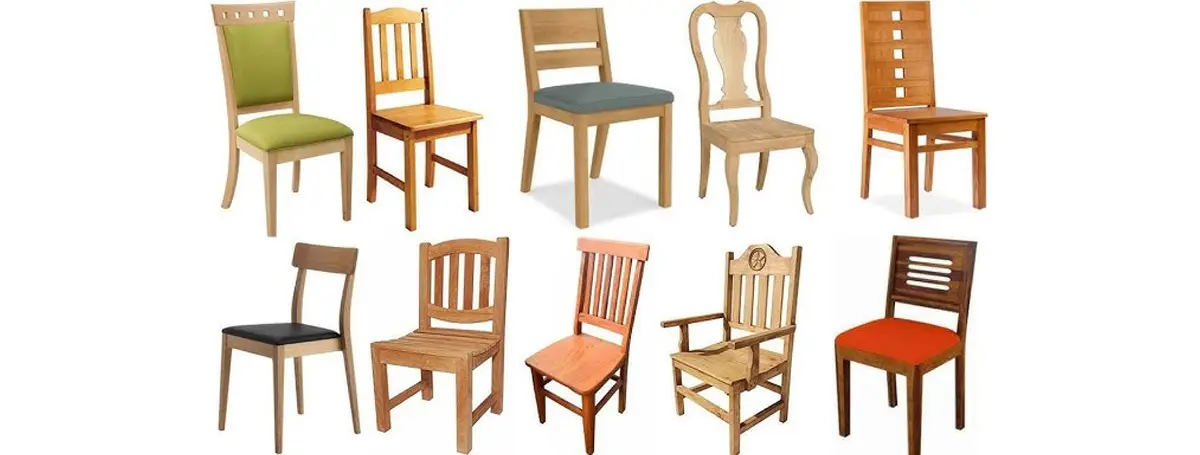
different wood restaurant chair styles suitable for various themed dining interiors

6. Price Guide: What Should You Expect to Pay?

Khoảng giáWhat You Get
$40–$70Basic rubberwood chairs; not recommended for heavy commercial use
$70–$120Good value; solid wood frame with PU seat
$120–$180High-quality hardwood, better craftsmanship
$180–$250+Designer-grade chairs, premium finishes

Most restaurants fall in the $90–$160 range.


7. Real-World Buying Mistakes to Avoid

Here are the four issues restaurant owners uncover too late:

❌ Buying residential-grade chairs

They look nice—but can’t handle commercial use. Always confirm load capacity ≥ 250 lbs.

❌ Ignoring wobble testing

A new chair that already moves slightly will only get worse.

❌ Underestimating weight

Too light = unstable. Too heavy = hard for staff to move during cleaning.

❌ Forgetting replacement cycles

Choose models with consistent supply for future reorders.


8. Comparison Table: Upholstered vs. Non-Upholstered Wood Chairs

Tính năngbọc nệmNon-Upholstered
An ủi⭐⭐⭐⭐⭐⭐⭐⭐
BẢO TRÌTrung bìnhRất dễ dàng
GiáCao hơnThấp hơn
Tốt nhất choFine dining, cafésFast casual, high traffic

Recommended Wood Chairs from Mingmeng

These examples show how different styles fit various dining environments:

ModelTốt nhất choCác tính năng chính
Custom Solid Wood Upholstered Japanese ChairAsian dining, minimalist interiorsReinforced joints, fabric or PU cushioned seat
High Back Wooden Restaurant ChairHotels, full-service restaurantsSupportive back, commercial PU seat
Ghế cà phê gỗ nguyên khối cổ điểnRetro cafés, bakeriesWalnut finish, carved details
Artistic Velvet Wood ChairBoutique restaurantsDistinctive look, soft seating

FAQ: Real Questions from Buyers of Commercial Wood Restaurant Chairs

1. Are commercial wood restaurant chairs durable enough for high-traffic restaurants?

Yes—if they use hardwood (beech, ash, oak) and mortise-and-tenon joints.
Cheap rubberwood chairs often fail within 1–2 years, while high-quality wood chairs last 5–10 years.

2. What’s the average lifespan of commercial wood chairs?

5–8 years with daily use. Premium chairs can last a decade with proper care.

3. Which finish is best for restaurants?

A polyurethane finish offers the strongest protection against cleaning chemicals and scratches.

4. Are upholstered wood chairs harder to maintain?

They require more upkeep, but they significantly improve guest comfort.
For most mid- to high-end restaurants, upholstered seats remain the preferred choice.

5. How many spare chairs should a restaurant keep?

Most operators keep 5–10% extra for replacements or seasonal traffic spikes.


Conclusion (Light, Simple, Non-Template Ending)

Lựa chọn quyền commercial wood restaurant chairs isn’t just a design decision—it’s a long-term investment in guest comfort, durability, and your restaurant’s identity. Once you understand how materials, joinery, finishes, and style choices affect performance, selecting the right chairs becomes significantly easier.

If you’d like expert recommendations or need help sourcing commercial-grade wooden chairs that match your concept, MingMeng is ready to assist with specifications, design advice, or bulk quoting.

+86 13632456645
eiko@mingmeng07.com
Đã sao chép ✓
WhatsApp
Bắt đầu nhập để xem sản phẩm bạn đang tìm kiếm.
The Practical Buyer’s Guide to Commercial Wood Restaurant Chairs: Strength, Comfort & Design Explained - MingMeng Furniture
language

The Practical Buyer’s Guide to Commercial Wood Restaurant Chairs: Strength, Comfort & Design Explained

Commercial wood restaurant chairs remain one of the most reliable, versatile, and visually appealing seating choices for cafés, bistros, hotels, and full-service restaurants. When chosen well, they communicate quality, elevate the dining atmosphere, and withstand years of daily customer traffic. But not all wood chairs are built the same—and if you’re a restaurant owner or procurement manager, you already know how hard it can be to distinguish a beautiful chair from one that will actually survive a commercial environment.


This practical buyer’s guide breaks down everything you need to know before purchasing commercial wood restaurant chairs: structural strength, comfort factors, finishes, joinery, cost tiers, and real-world examples. Along the way, you’ll find expert insights, comparison tables, and curated product picks designed to help you buy with confidence.

commercial wood restaurant chairs arranged in a warm modern dining interior with soft lighting and long banquet seating

Why Commercial Wood Chairs Still Lead in 2025

Unlike metal or plastic chairs, wood chairs bring a warmth and authenticity that many modern dining environments rely on. Whether you run a minimalist café or a Japanese fusion restaurant, a well-crafted wood chair instantly gives the space personality.

Here’s what today’s buyers value most:

  • Longevity — When properly constructed, solid wood chairs can last 5–10+ years in commercial settings.
  • Aesthetic flexibility — Works with Scandinavian, rustic, contemporary, or Asian dining concepts.
  • Comfort — Wood frames paired with upholstered seats remain customer favorites for long meals.
  • Brand storytelling — Guests can feel the difference between mass-produced seating and artisan-grade craftsmanship.

How to Evaluate Commercial Wood Restaurant Chairs

Below is a simple, buyer-friendly checklist—based on what furniture engineers, restaurant designers, and procurement teams look for.


1. Frame Strength & Joinery

Wood chairs don’t usually break from the seat; they fail at the joints. That’s why joinery method is more important than wood species.

What to look for:

Joinery TypeStrength LevelNotes
Mortise & Tenon⭐⭐⭐⭐⭐Best for commercial use; prevents wobbling long-term
Dowel Joints⭐⭐⭐⭐Strong if reinforced with glue
Metal Brackets⭐⭐⭐Good for budget chairs
Screwed Only⭐Avoid for high-traffic restaurants

Tip: If the manufacturer is transparent about joinery, they are usually reputable.

Example of excellent craftsmanship:

➡ Custom Solid Wood Upholstered Restaurant Chair for Japanese Dining Spaces
A well-built frame using reinforced joints, ideal for restaurants seeking traditional Japanese aesthetics.

close-up of high-strength mortise and tenon joinery used in commercial wood restaurant chairs

2. Choosing the Right Wood Type

Not all woods are equal. Below is a simplified comparison:

Wood TypeDurabilityBest ForPrice Tier
AshHighModern cafés, fast-casual$$
BeechVery HighHotels, fine dining$$–$$$
OakHighRustic, industrial$$
WalnutPremiumUpscale restaurants$$$
RubberwoodMediumBudget segments$

Best overall value: Beech wood
Best for premium interiors: Walnut or ash

various wood material samples used for commercial restaurant chairs and tables

3. Comfort: The Often-Ignored Conversion Booster

Restaurant owners often underestimate how much seating comfort affects:

  • Average dining duration
  • Per-customer spending
  • Online reviews (comfort is frequently mentioned)

Look for:

  • Curved backrest or ergonomic shaping
  • Upholstered seat (PU, fabric, velvet, or leather)
  • Seat depth 17.5–19 inches for adults
  • Backrest angle 96–105 degrees

Example of comfort-focused chair:

➡ High Back Wooden Restaurant Chair with PU Leather Seat
Designed for restaurants where guests remain seated for extended periods.

ergonomic wooden restaurant chair with an upholstered seat offering enhanced comfort

4. Finishes & Surface Protection

Commercial chairs must survive:

  • Cleaning chemicals
  • Heat and humidity
  • Frequent contact with body oils
  • Scratches from bags, belts, metal buttons

Best finish options:

  • Polyurethane (PU) coating — Most durable for restaurants
  • Water-based lacquer — Eco-friendly, matte finish
  • Oil finish — Beautiful but requires maintenance

If the manufacturer offers ANSI/BIFMA-tested coatings, even better.

durable commercial-grade wood restaurant chairs arranged in a modern dining area

5. Style Selection: Matching Chairs to Your Restaurant Concept

Choosing style is more than matching colors—it’s about creating visual harmony that your guests will instantly notice.

Popular design directions in 2025:

A. Japanese & Minimalist Concepts

B. Retro & Vintage Cafés

C. Boutique & Artistic Restaurants

different wood restaurant chair styles suitable for various themed dining interiors

6. Price Guide: What Should You Expect to Pay?

Price RangeWhat You Get
$40–$70Basic rubberwood chairs; not recommended for heavy commercial use
$70–$120Good value; solid wood frame with PU seat
$120–$180High-quality hardwood, better craftsmanship
$180–$250+Designer-grade chairs, premium finishes

Most restaurants fall in the $90–$160 range.


7. Real-World Buying Mistakes to Avoid

Here are the four issues restaurant owners uncover too late:

❌ Buying residential-grade chairs

They look nice—but can’t handle commercial use. Always confirm load capacity ≥ 250 lbs.

❌ Ignoring wobble testing

A new chair that already moves slightly will only get worse.

❌ Underestimating weight

Too light = unstable. Too heavy = hard for staff to move during cleaning.

❌ Forgetting replacement cycles

Choose models with consistent supply for future reorders.


8. Comparison Table: Upholstered vs. Non-Upholstered Wood Chairs

FeatureUpholsteredNon-Upholstered
Comfort⭐⭐⭐⭐⭐⭐⭐⭐
MaintenanceMediumVery easy
PriceHigherLower
Best ForFine dining, cafésFast casual, high traffic

Recommended Wood Chairs from Mingmeng

These examples show how different styles fit various dining environments:

ModelBest ForKey Features
Custom Solid Wood Upholstered Japanese ChairAsian dining, minimalist interiorsReinforced joints, fabric or PU cushioned seat
High Back Wooden Restaurant ChairHotels, full-service restaurantsSupportive back, commercial PU seat
Vintage Solid Wood Coffee ChairRetro cafés, bakeriesWalnut finish, carved details
Artistic Velvet Wood ChairBoutique restaurantsDistinctive look, soft seating

FAQ: Real Questions from Buyers of Commercial Wood Restaurant Chairs

1. Are commercial wood restaurant chairs durable enough for high-traffic restaurants?

Yes—if they use hardwood (beech, ash, oak) and mortise-and-tenon joints.
Cheap rubberwood chairs often fail within 1–2 years, while high-quality wood chairs last 5–10 years.

2. What’s the average lifespan of commercial wood chairs?

5–8 years with daily use. Premium chairs can last a decade with proper care.

3. Which finish is best for restaurants?

A polyurethane finish offers the strongest protection against cleaning chemicals and scratches.

4. Are upholstered wood chairs harder to maintain?

They require more upkeep, but they significantly improve guest comfort.
For most mid- to high-end restaurants, upholstered seats remain the preferred choice.

5. How many spare chairs should a restaurant keep?

Most operators keep 5–10% extra for replacements or seasonal traffic spikes.


Conclusion (Light, Simple, Non-Template Ending)

Choosing the right commercial wood restaurant chairs isn’t just a design decision—it’s a long-term investment in guest comfort, durability, and your restaurant’s identity. Once you understand how materials, joinery, finishes, and style choices affect performance, selecting the right chairs becomes significantly easier.

If you’d like expert recommendations or need help sourcing commercial-grade wooden chairs that match your concept, Mingmeng is ready to assist with specifications, design advice, or bulk quoting.

+86 13632456645
eiko@mingmeng07.com
Copied ✓
WhatsApp
Start typing to see products you are looking for.