

 English
 中文
 日本語
 한국어
 العربية
 Русский
 Português
 Türkçe
 हिन्दी
 Tiếng Việt
 ไทย
 Indonesia
 Melayu
 ខ្មែរ
 ລາວ
 မြန်မာ
 Afrikaans
 Hausa
 Igbo
 Sesotho
 isiXhosa
 Yorùbá
 isiZulu
Commercial wood restaurant chairs remain one of the most reliable, versatile, and visually appealing seating choices for cafés, bistros, hotels, and full-service restaurants. When chosen well, they communicate quality, elevate the dining atmosphere, and withstand years of daily customer traffic. But not all wood chairs are built the same—and if you’re a restaurant owner or procurement manager, you already know how hard it can be to distinguish a beautiful chair from one that will actually survive a commercial environment.
This practical buyer’s guide breaks down everything you need to know before purchasing commercial wood restaurant chairs: structural strength, comfort factors, finishes, joinery, cost tiers, and real-world examples. Along the way, you’ll find expert insights, comparison tables, and curated product picks designed to help you buy with confidence.
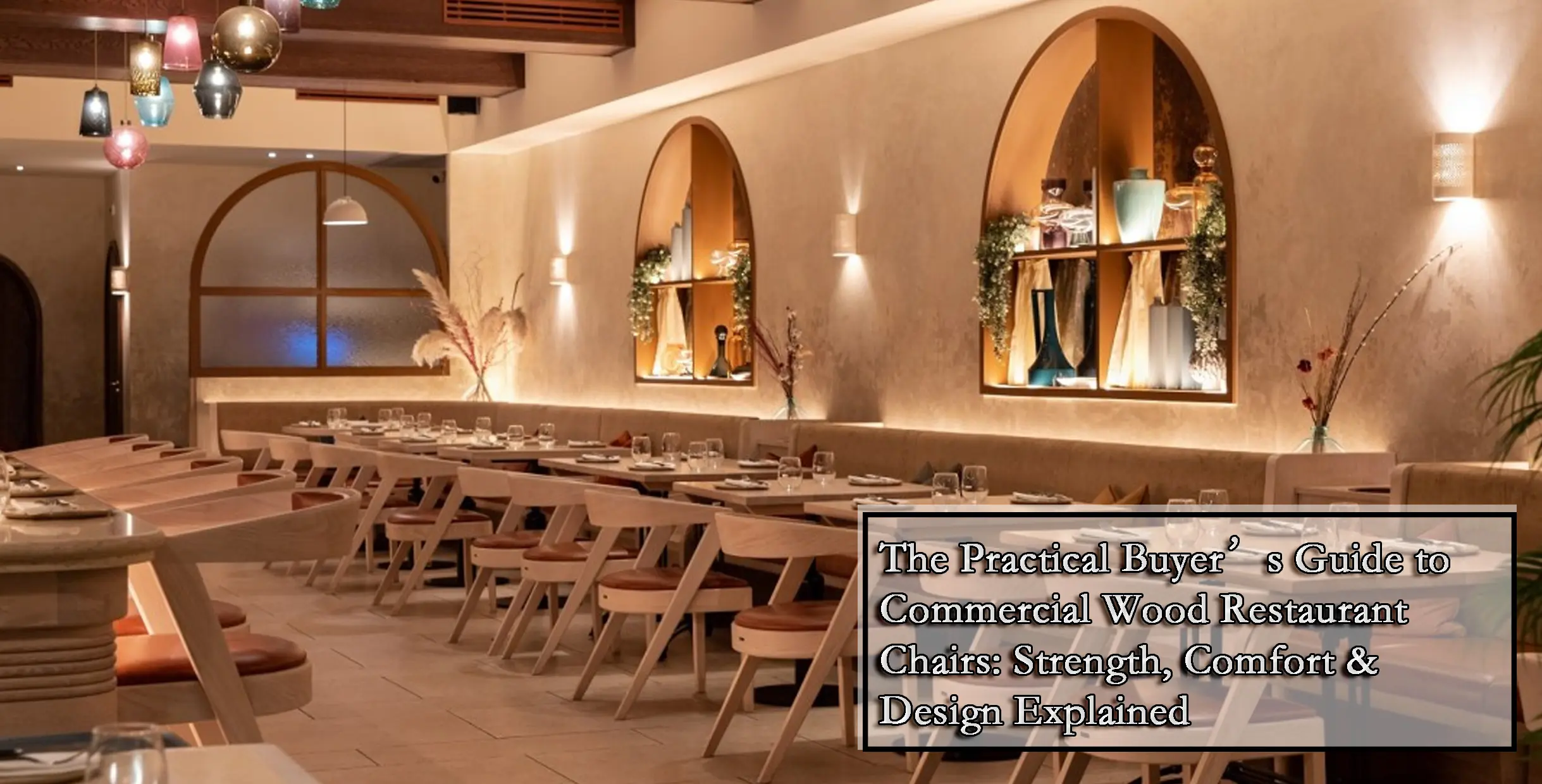
Why Commercial Wood Chairs Still Lead in 2025
Unlike metal or plastic chairs, wood chairs bring a warmth and authenticity that many modern dining environments rely on. Whether you run a minimalist café or a Japanese fusion restaurant, a well-crafted wood chair instantly gives the space personality.
Here’s what today’s buyers value most:
- Longevity — When properly constructed, solid wood chairs can last 5–10+ years in commercial settings.
- Aesthetic flexibility — Works with Scandinavian, rustic, contemporary, or Asian dining concepts.
- Comfort — Wood frames paired with upholstered seats remain customer favorites for long meals.
- Brand storytelling — Guests can feel the difference between mass-produced seating and artisan-grade craftsmanship.
How to Evaluate Commercial Wood Restaurant Chairs
Below is a simple, buyer-friendly checklist—based on what furniture engineers, restaurant designers, and procurement teams look for.
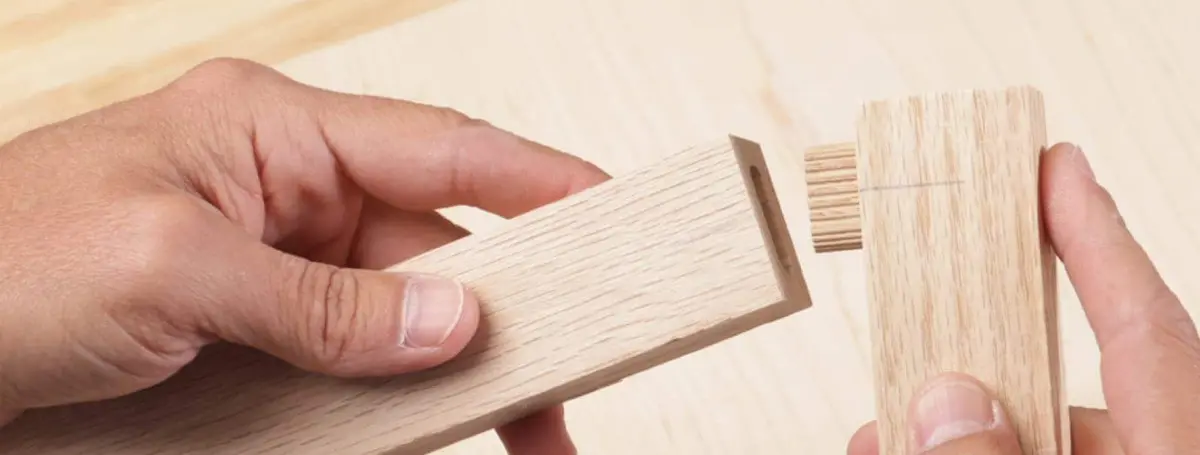
1. Frame Strength & Joinery
Wood chairs don’t usually break from the seat; they fail at the joints. That’s why joinery method is more important than wood species.
ဘာကိုရှာရမလဲ-
| Joinery Type | Strength Level | မှတ်စုများ |
|---|---|---|
| Mortise & Tenon | ⭐⭐⭐⭐⭐ | Best for commercial use; prevents wobbling long-term |
| Dowel Joints | ⭐⭐⭐⭐ | Strong if reinforced with glue |
| Metal Brackets | ⭐⭐⭐ | Good for budget chairs |
| Screwed Only | ⭐ | Avoid for high-traffic restaurants |
အကြံပြုချက်- If the manufacturer is transparent about joinery, they are usually reputable.
Example of excellent craftsmanship:
➡ ဂျပန်ထမင်းစားခန်းများအတွက် စိတ်ကြိုက်အစိုင်အခဲသစ်သားဖြင့်ပြုလုပ်ထားသော စားသောက်ဆိုင်ထိုင်ခုံ
A well-built frame using reinforced joints, ideal for restaurants seeking traditional Japanese aesthetics.
2. Choosing the Right Wood Type
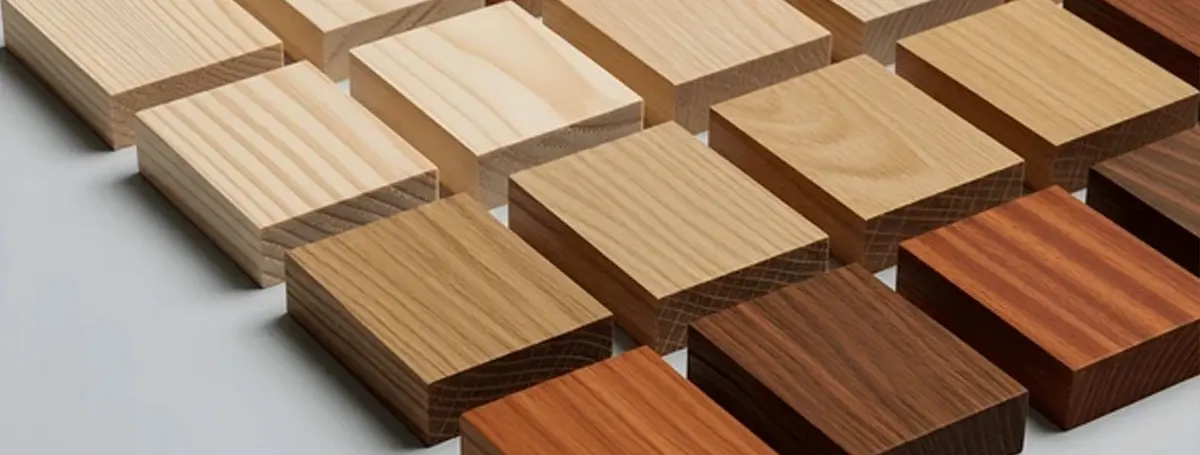
Not all woods are equal. Below is a simplified comparison:
| သစ်သားအမျိုးအစား | ယာဉ်စည်းကမ်း | အကောင်းဆုံး | Price Tier |
|---|---|---|---|
| ပြာ | မြင့်သည်။ | Modern cafés, fast-casual | $$ |
| Beech | အရမ်းမြင့်တယ်။ | Hotels, fine dining | $$–$$$ |
| ဝက်သစ်ချ | မြင့်သည်။ | Rustic, industrial | $$ |
| Walnut | ပရီမီယံ | အဆင့်မြင့် စားသောက်ဆိုင်များ | $$$ |
| Rubberwood | လတ် | Budget segments | $ |
Best overall value: Beech wood
Best for premium interiors: Walnut or ash
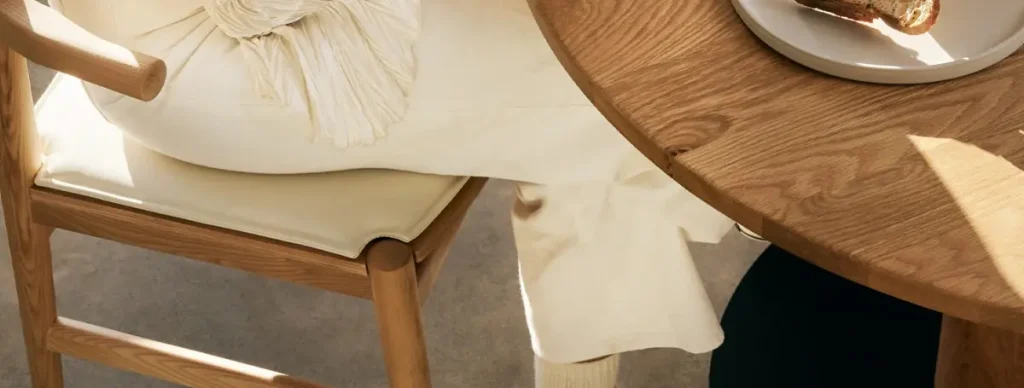
3. Comfort: The Often-Ignored Conversion Booster
Restaurant owners often underestimate how much seating comfort affects:
- Average dining duration
- Per-customer spending
- Online reviews (comfort is frequently mentioned)
ကိုလိုက်ရှာနေသည်:
- Curved backrest or ergonomic shaping
- Upholstered seat (PU, fabric, velvet, or leather)
- Seat depth 17.5–19 inches for adults
- Backrest angle 96–105 degrees
Example of comfort-focused chair:
➡ PU သားရေထိုင်ခုံပါသော နောက်ကျောမြင့် သစ်သား စားသောက်ဆိုင် ထိုင်ခုံ
Designed for restaurants where guests remain seated for extended periods.
4. Finishes & Surface Protection
Commercial chairs must survive:
- Cleaning chemicals
- Heat and humidity
- Frequent contact with body oils
- Scratches from bags, belts, metal buttons
Best finish options:
- Polyurethane (PU) coating — Most durable for restaurants
- Water-based lacquer — Eco-friendly, matte finish
- Oil finish — Beautiful but requires maintenance
If the manufacturer offers ANSI/BIFMA-tested coatings, even better.

5. Style Selection: Matching Chairs to Your Restaurant Concept
Choosing style is more than matching colors—it’s about creating visual harmony that your guests will instantly notice.
Popular design directions in 2025:
A. Japanese & Minimalist Concepts
- Clean lines, ash wood, natural tones
- Works beautifully with sushi bars & teahouses
Custom Solid Wood Upholstered Restaurant Chair
B. Retro & Vintage Cafés
- Curved wooden backrests
- Dark walnut finishes
👉 Example: Vintage Solid Wood Coffee Chair – Dark Walnut Finish
C. Boutique & Artistic Restaurants
- Velvet upholstery
- Sculptural shapes
👉 Example: Artistic Restaurant Chair – Black Wood Frame with Green Velvet Seat
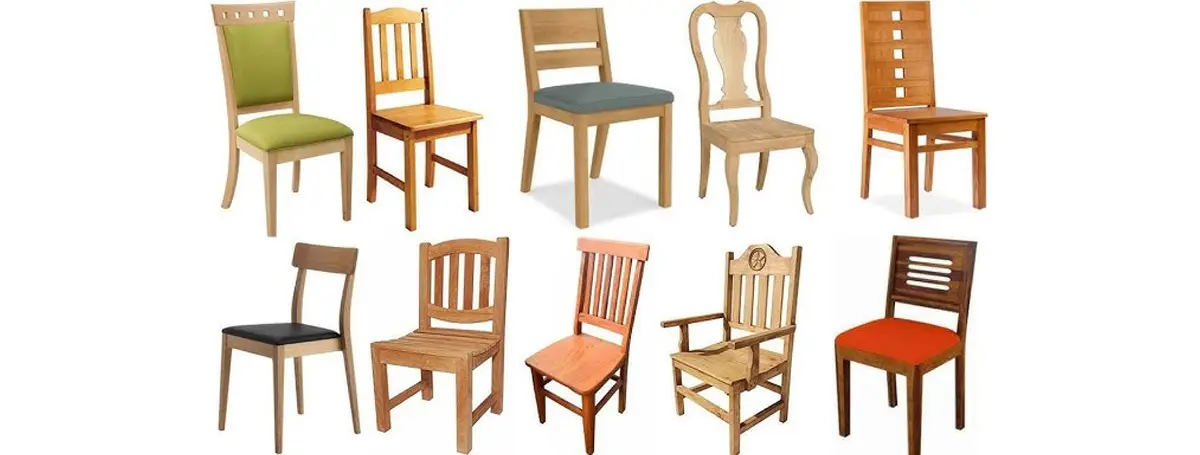
6. Price Guide: What Should You Expect to Pay?
| Price Range | What You Get |
|---|---|
| $40–$70 | Basic rubberwood chairs; not recommended for heavy commercial use |
| $70–$120 | Good value; solid wood frame with PU seat |
| $120–$180 | High-quality hardwood, better craftsmanship |
| $180–$250+ | Designer-grade chairs, premium finishes |
Most restaurants fall in the $90–$160 range.
7. Real-World Buying Mistakes to Avoid
Here are the four issues restaurant owners uncover too late:
❌ Buying residential-grade chairs
They look nice—but can’t handle commercial use. Always confirm load capacity ≥ 250 lbs.
❌ Ignoring wobble testing
A new chair that already moves slightly will only get worse.
❌ Underestimating weight
Too light = unstable. Too heavy = hard for staff to move during cleaning.
❌ Forgetting replacement cycles
Choose models with consistent supply for future reorders.
8. Comparison Table: Upholstered vs. Non-Upholstered Wood Chairs
| ထူးခြားချက် | ကူရှင် | Non-Upholstered |
|---|---|---|
| နှစ်သိမ့်မှု | ⭐⭐⭐⭐⭐ | ⭐⭐⭐ |
| ထိန်းသိမ်းခြင်း။ | လတ် | Very easy |
| စျေးနှုန်း | Higher | Lower |
| အကောင်းဆုံး | Fine dining, cafés | Fast casual, high traffic |
Recommended Wood Chairs from Mingmeng
These examples show how different styles fit various dining environments:
| မော်ဒယ် | အကောင်းဆုံး | အဓိကအင်္ဂါရပ်များ |
|---|---|---|
| Custom Solid Wood Upholstered Japanese Chair | Asian dining, minimalist interiors | Reinforced joints, fabric or PU cushioned seat |
| High Back Wooden Restaurant Chair | Hotels, full-service restaurants | Supportive back, commercial PU seat |
| Vintage Solid Wood Coffee Chair | Retro cafés, bakeries | Walnut finish, carved details |
| Artistic Velvet Wood Chair | Boutique စားသောက်ဆိုင်များ | Distinctive look, soft seating |
FAQ: Real Questions from Buyers of Commercial Wood Restaurant Chairs
1. Are commercial wood restaurant chairs durable enough for high-traffic restaurants?
Yes—if they use hardwood (beech, ash, oak) and mortise-and-tenon joints.
Cheap rubberwood chairs often fail within 1–2 years, while high-quality wood chairs last 5–10 years.
2. What’s the average lifespan of commercial wood chairs?
5–8 years with daily use. Premium chairs can last a decade with proper care.
3. Which finish is best for restaurants?
A polyurethane finish offers the strongest protection against cleaning chemicals and scratches.
4. Are upholstered wood chairs harder to maintain?
They require more upkeep, but they significantly improve guest comfort.
For most mid- to high-end restaurants, upholstered seats remain the preferred choice.
5. How many spare chairs should a restaurant keep?
Most operators keep 5–10% extra for replacements or seasonal traffic spikes.
Conclusion (Light, Simple, Non-Template Ending)
မှန်ကန်စွာရွေးချယ်ခြင်း။ commercial wood restaurant chairs isn’t just a design decision—it’s a long-term investment in guest comfort, durability, and your restaurant’s identity. Once you understand how materials, joinery, finishes, and style choices affect performance, selecting the right chairs becomes significantly easier.
If you’d like expert recommendations or need help sourcing commercial-grade wooden chairs that match your concept, MingMeng is ready to assist with specifications, design advice, or bulk quoting.


