

 English
 中文
 日本語
 한국어
 العربية
 Русский
 Português
 Türkçe
 हिन्दी
 Tiếng Việt
 ไทย
 Indonesia
 Melayu
 ខ្មែរ
 ລາວ
 မြန်မာ
 Afrikaans
 Hausa
 Igbo
 Sesotho
 isiXhosa
 Yorùbá
 isiZulu
Choosing the right seating is a critical decision for any restaurant. Beyond aesthetics, stools directly influence customer comfort, seating efficiency, and how well your space functions during peak hours. Among the most common questions restaurant owners and designers face is whether to choose bar stools for restaurants or counter stools.
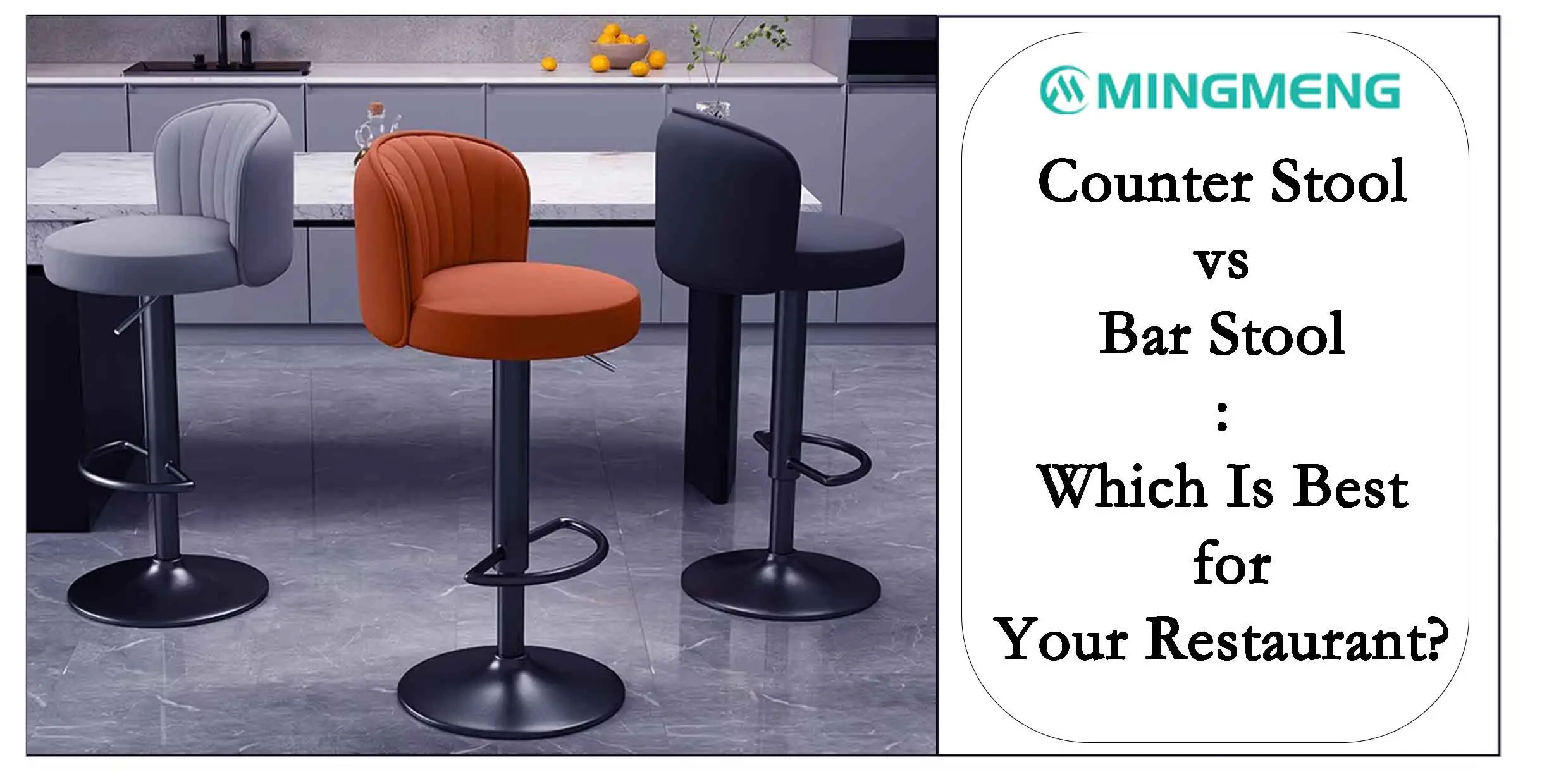
While these two seating options may look similar at first glance, selecting the right solution for bar counters and dining areas often means comparing restaurants bar stools with other commercial seating options. This guide breaks down the key distinctions and helps you determine which option best suits your restaurant’s layout, service style, and customer experience.
What Is a Bar Stool vs Counter Stool?
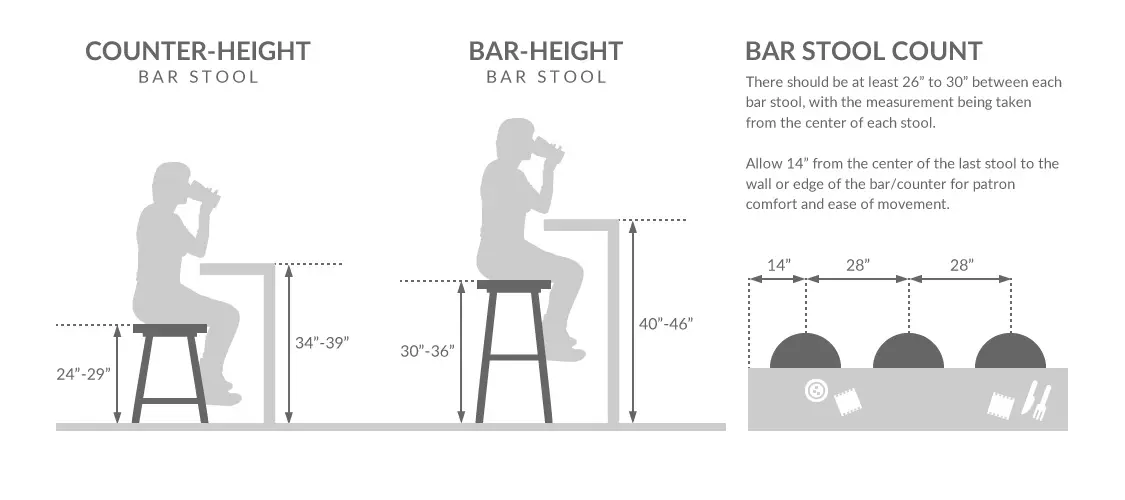
The core distinction between a bar stool and a counter stool lies in seat height (the most critical factor), paired with intended use scenarios, design features, and the height of the surfaces they match. Minor variations in dimensions exist by brand, but industry standard measurements are widely followed for both styles.
สตูลบาร์
A เก้าอี้บาร์ typically has a seat height between 28–32 inches and is designed to pair with bar-height surfaces measuring around 40–42 inches.
Design characteristics:
- Available with or without backrests
- Often includes footrests for added support
- Common materials include metal, wood, leather, and upholstered finishes
Typical use environments:
- บาร์และผับ
- Casual dining restaurants with bar counters
- Cafes with high communal tables
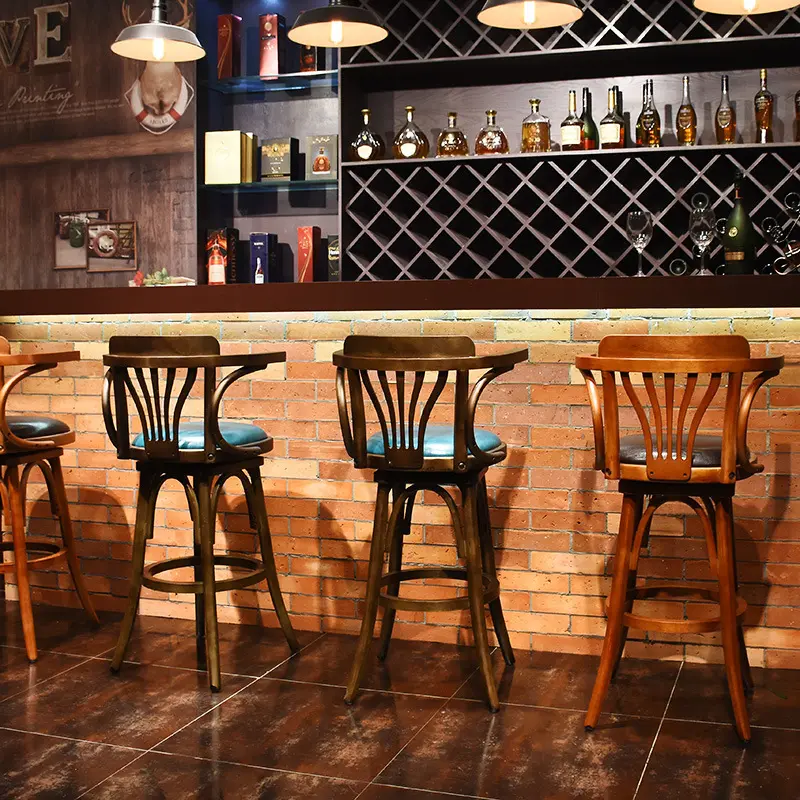
In commercial settings, bar stools for restaurants are commonly selected for durability, ease of maintenance, and efficient space usage. They are ideal for areas focused on drinks, social interaction, or quick dining.
สตูลเคาน์เตอร์
A counter stool usually features a seat height between 24–27 inches, making it suitable for counter-height surfaces measuring around 34–36 inches.
Design characteristics:
- Offered in both backless and backed designs
- Emphasizes comfort and stability
- Often features cushioned seats or ergonomic shaping
Typical use environments:
- Restaurant counters and service stations
- Cafes and casual dining spaces
- Kitchen islands or lower-height dining counters
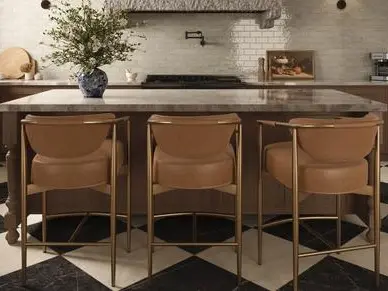
Counter stools are designed for more relaxed dining experiences, where guests tend to sit longer and expect greater comfort.
Key Differences Between Bar Stools and Counter Stools
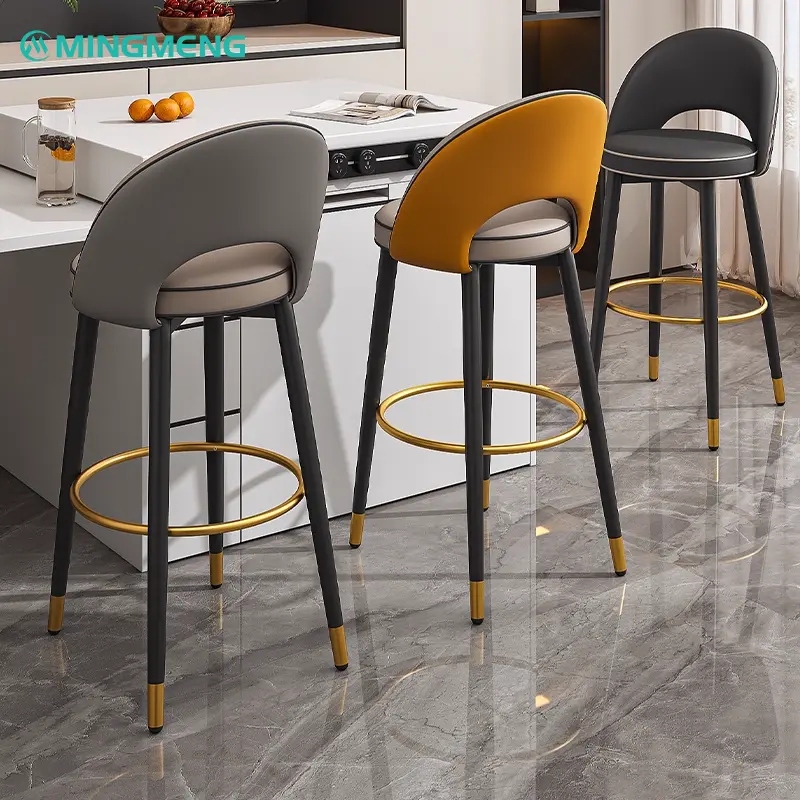
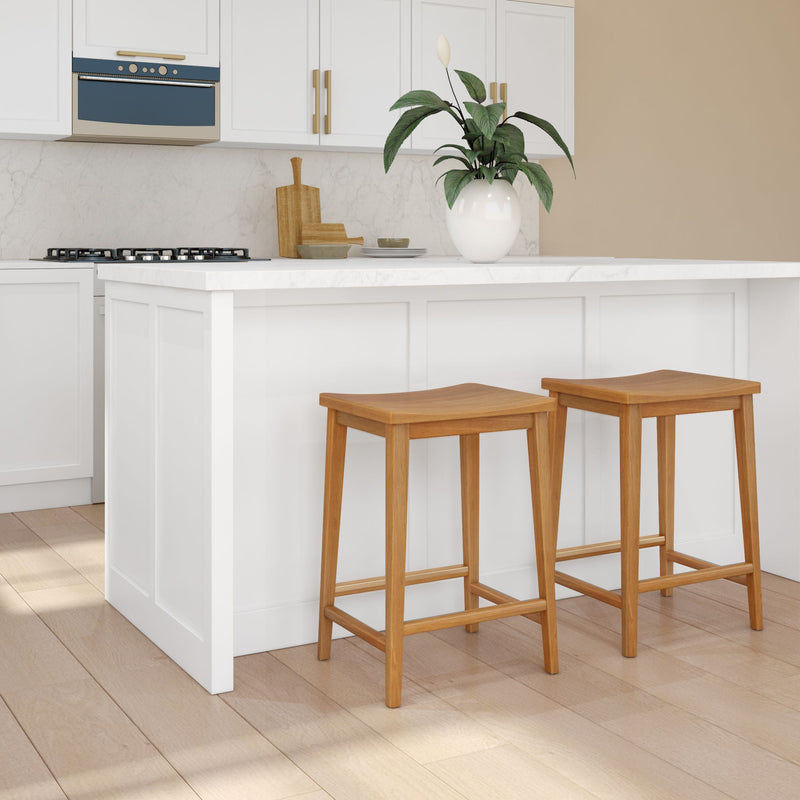
1. Height Difference
เก้าอี้บาร์ align with taller bar counters, allowing guests to sit at eye level with bartenders or high tables.
Counter stools are lower and provide a more natural, grounded seating posture.
Using the wrong stool height is one of the most common causes of discomfort and poor dining ergonomics in restaurant projects.
2. Space Compatibility
เก้าอี้บาร์ work best in open layouts where vertical space enhances the design.
Counter stools are more adaptable in compact or multi-purpose dining areas where circulation and flexibility matter.
For smaller restaurants, counter stools often improve space efficiency.
3. Usage Environment
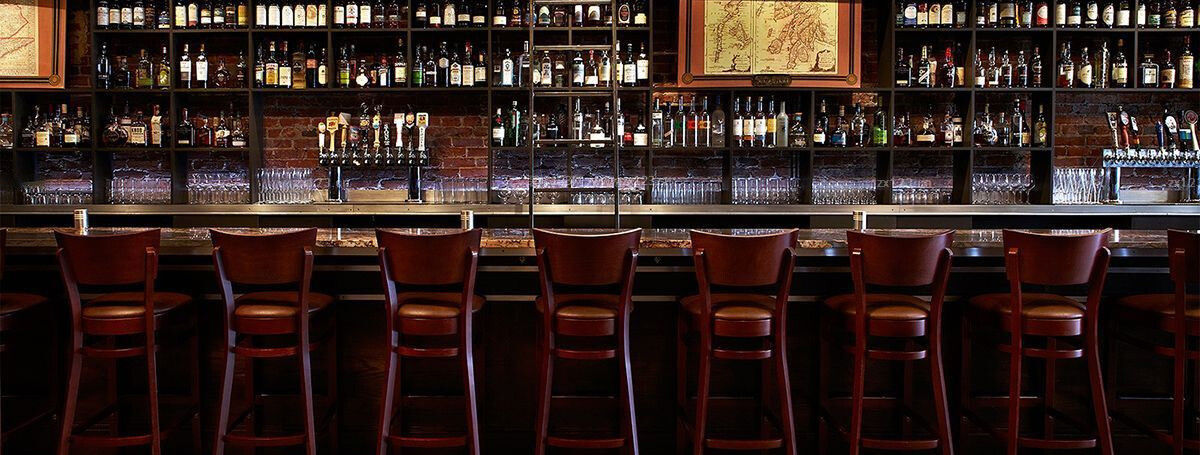
bar stools for restaurants are most suitable for:
- Beverage-focused zones
- High-traffic bar areas
- Shorter guest stays
Counter stools perform better in:
- Full-meal dining areas
- All-day cafes
- Concepts that encourage longer dwell time
Understanding how guests use each seating zone is essential when choosing between the two.
How to Choose Between Bar Stools and Counter Stools for Your Restaurant
1. Match the Stool to Your Restaurant Style
Modern or industrial-style restaurants often favor sleek เก้าอี้บาร์ made from metal or leather to complement high counters.
Warm, casual, or family-oriented restaurants usually benefit from counter stools that prioritize comfort and a welcoming atmosphere.
Seating should always reinforce your brand identity, not conflict with it.
2. Consider Guest Comfort and Dwell Time
If your concept encourages longer dining times, counter stools generally provide better posture support and comfort.
For faster turnover or drink-led concepts, bar stools for restaurants offer practicality without encouraging extended stays.
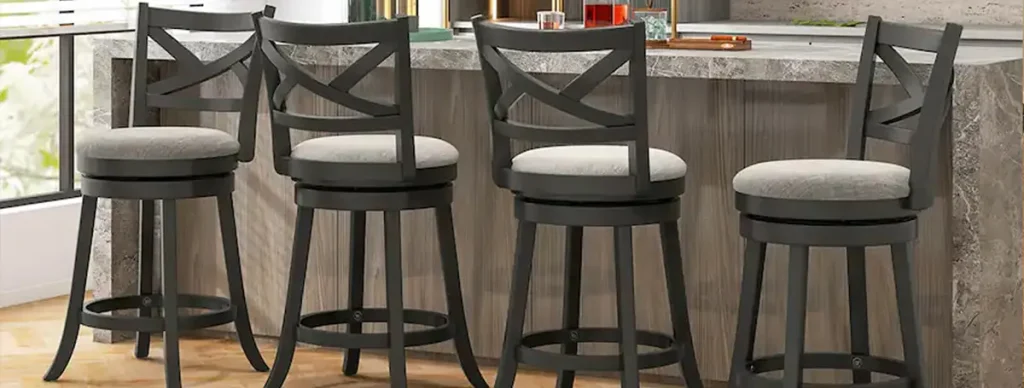
3. Evaluate Space and Budget Constraints
Limited space often favors counter stools, which integrate easily with standard-height surfaces.
With larger budgets, restaurants may invest in premium เก้าอี้บาร์ featuring enhanced materials, finishes, and structural strength for long-term commercial use.
Bar Stool vs Counter Stool: Quick Comparison
| คุณสมบัติ | สตูลบาร์ | สตูลเคาน์เตอร์ |
|---|---|---|
| ความสูงของที่นั่ง | 28–32 inches | 24–27 inches |
| Surface Height | 40–42 inches | 34–36 inches |
| การใช้งานทั่วไป | Bars, cafes, high tables | Counters, dining areas |
| ระดับความสะดวกสบาย | ปานกลาง | Higher for long seating |
| สไตล์การออกแบบ | Modern, bold | Warm, practical |
| ประสิทธิภาพพื้นที่ | Better in open spaces | Better in compact layouts |
Bar Stool vs Counter Stool: Which Is Better for Different Restaurant Types?
Best Uses for Bar Stools
- บาร์และผับ
- Restaurants with dedicated bar seating
- Open kitchens with tall counters
Best Uses for Counter Stools
- ร้านอาหารบรรยากาศสบายๆ
- Cafes and all-day dining concepts
- Dining counters where guests eat full meals
คำถามที่พบบ่อย
Are bar stools for restaurants comfortable enough for long seating?
Bar stools are best suited for shorter stays. For long dining durations, counter stools usually offer better comfort.
Can bar stools be used at counter-height tables?
Using restaurants เก้าอี้บาร์ at lower counters often leads to awkward leg positioning and reduced comfort.
Which stool type is better for small restaurants?
In compact layouts, counter stools typically provide better space efficiency and circulation.
ความคิดสุดท้าย
There is no universally better choice between bar stools and counter stools. The right option depends on your counter height, restaurant layout, service model, and expected guest dwell time.
By understanding these functional differences and selecting seating that matches your operational needs, you can improve comfort, optimize space, and enhance the overall dining experience.
Ready to Choose the Right Stools for Your Restaurant?
If you’re currently evaluating seating options, reviewing a curated range of bar stools for restaurants และ counter stools designed for commercial use can help streamline decision-making. Comparing dimensions, materials, and construction quality ensures your final choice supports both daily operations and long-term durability.


