

 English
 中文
 日本語
 한국어
 العربية
 Русский
 Português
 Türkçe
 हिन्दी
 Tiếng Việt
 ไทย
 Indonesia
 Melayu
 ខ្មែរ
 ລາວ
 မြန်မာ
 Afrikaans
 Hausa
 Igbo
 Sesotho
 isiXhosa
 Yorùbá
 isiZulu
The landscape of restaurant design is undergoing a profound shift. In 2025, a successful interior scheme transcends mere aesthetics to become a strategic tool for storytelling, operational efficiency, and creating unforgettable guest experiences. It’s a calculated fusion of ambiance, comfort, and brand identity, where every choice directly impacts the bottom line. To master this, one must understand that contemporary Modern Restaurant Decor is defined by a philosophy of “Warm Modernism”—an approach that prioritizes human-centric design and experiential depth.

This guide explores the forefront of current trends, presenting actionable ideas that balance striking style with essential functionality to future-proof your space. We will delve into how the very concept of sophisticated restaurant design is evolving to meet new demands for sustainability, flexibility, and technological integration.
1. The 2025 Philosophy: Modern as an Experience
Gone are the days of cold, sterile minimalism. The 2025 definition is “Warm Modernism”—an approach that creates emotionally resonant atmospheres through natural materials, intuitive layouts, and layered lighting. The goal of today’s design is a space that feels both impressively conceived and inherently welcoming, encouraging longer dwell times and social sharing. It’s about crafting a cohesive narrative where every element, from the chair to the ceiling fixture, contributes to a singular, immersive experience.
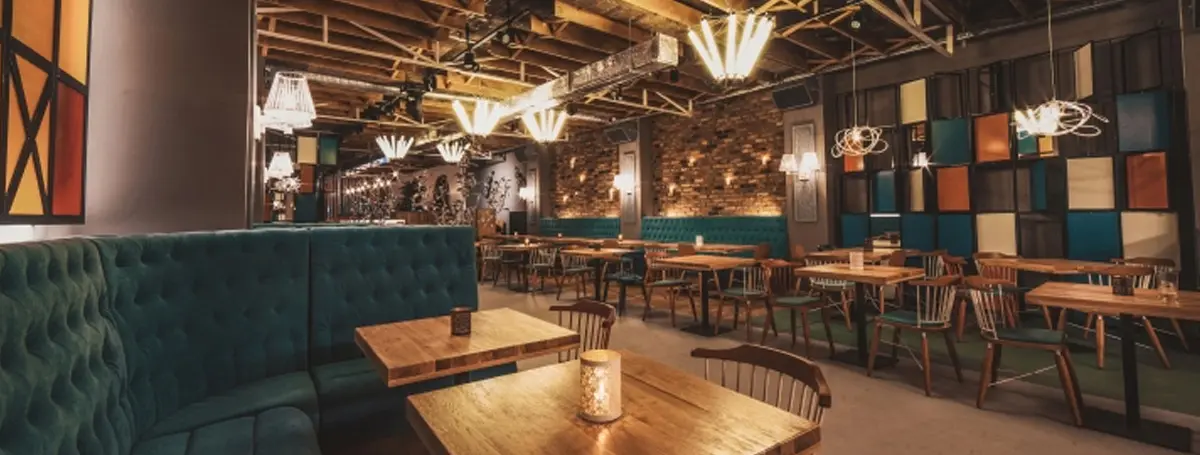
Core Trend 1: Biophilic & Organic Modernism
This trend actively connects guests to nature, reducing stress and enhancing well-being—a core principle of thoughtful spatial design.
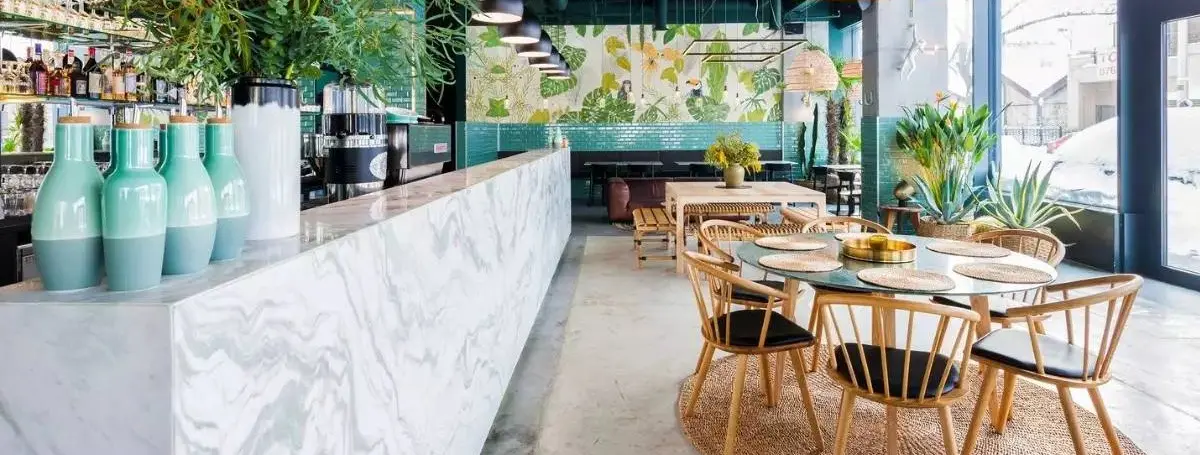
- Idea: Integrate living walls as focal dividers, use organic materials like unglazed terracotta tiles, rattan light fixtures, and live-edge wood tabletops.
- Functional Benefit: Improves air quality and acoustics. Natural materials are often durable and age gracefully, telling a story over time.
- Mingmeng Touch: Our
Terraseries of tables features sustainably sourced stone bases with organic, sculptural forms, perfectly anchoring a biophilic theme.
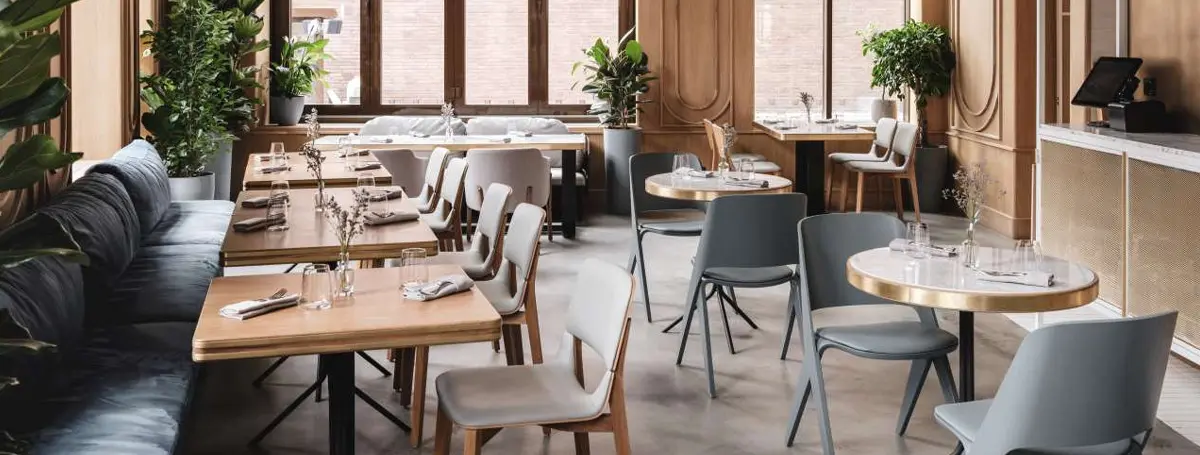
Core Trend 2: Adaptive & Multi-Functional Spaces
Flexibility is key for maximizing revenue and catering to diverse clientele, making it a non-negotiable aspect of practical Modern Restaurant Decor.
- Idea: Utilize modular banquettes that can be reconfigured daily. Employ movable partitions or sliding doors to transform a daytime café into an intimate evening dining room.
- Functional Benefit: Allows for easy accommodation of private events, changing group sizes, and evolving service models without costly renovation.
Core Trend 3: Textural Contrast & Crafted Details
Depth and sophistication are created through a deliberate mix of materials and artisanal elements.
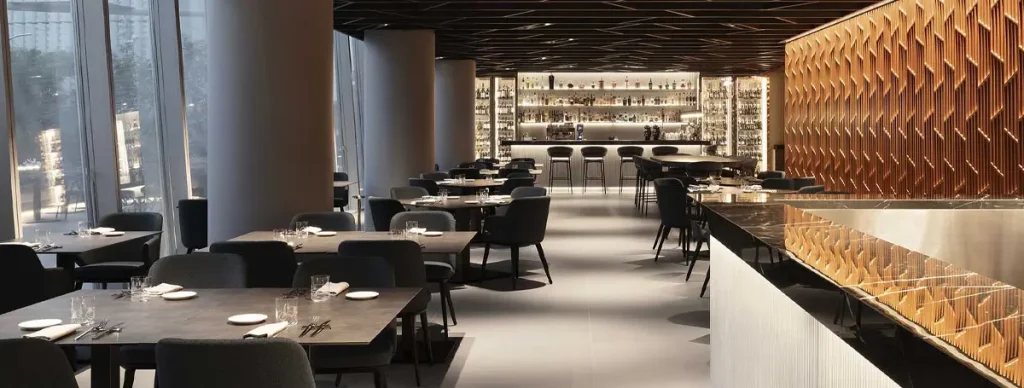
- Idea: Pair smooth, polished surfaces (e.g., poured concrete floors) with tactile, rough textures (e.g., hand-thrown ceramic tableware, nubby bouclé fabric on chairs). Incorporate local artwork or custom ceramic light installations.
- Functional Benefit: Textural variety adds visual interest without clutter, making spaces feel curated and high-value. Durable, quality materials withstand the rigors of service.
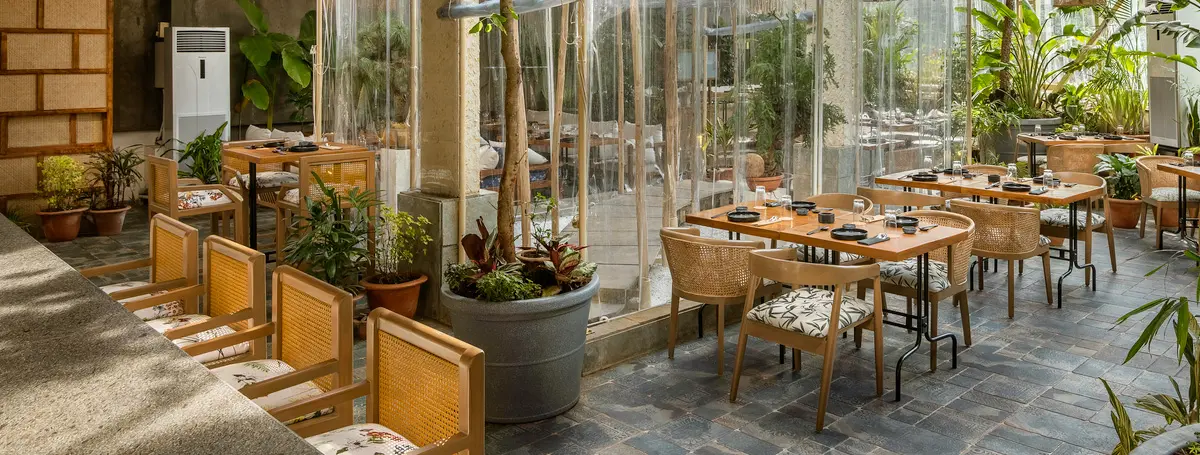
Core Trend 4: Integrated Ambient Technology
Technology is seamlessly woven into the environment to enhance, not disrupt, the guest journey.
- Idea: Implement architectural LED lighting systems that change color temperature from energizing midday to warm evening glow. Use discreet wireless charging pads integrated into table bases or banquette sides.
- Functional Benefit: Dynamic lighting can reset the mood for different dayparts. Convenient charging keeps guests comfortable without unsightly cords cluttering the aesthetic.
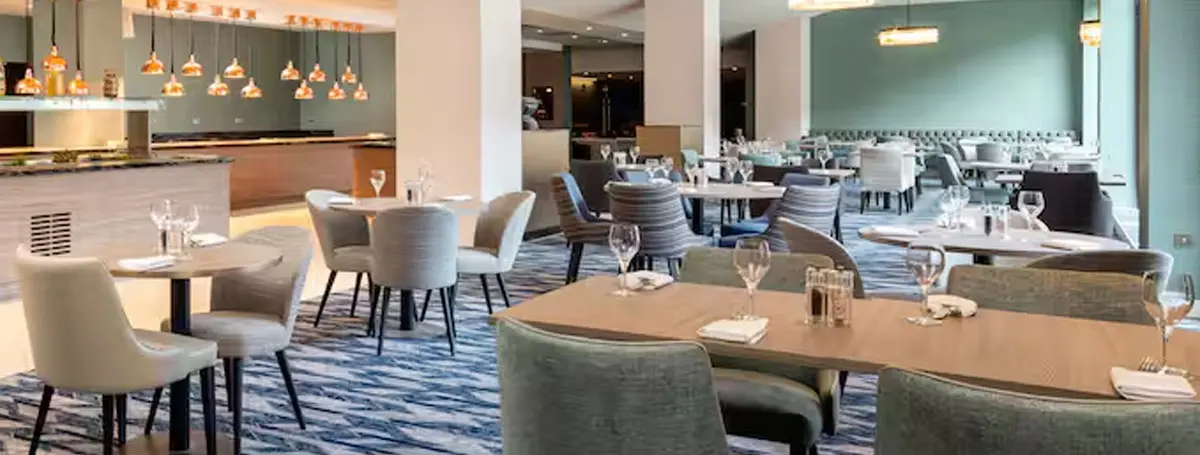
The Functional Backbone: Layout, Acoustics & Flow
The most beautiful decor fails if the space doesn’t work. Functionality is the true hallmark of superior Modern Restaurant Decor.
- Acoustics: Incorporate sound-absorbing materials like acoustical paneling disguised as art, heavy drapes, or felted ceiling baffles to manage noise levels and ensure comfortable conversation.
- Flow & Accessibility: Ensure ADA compliance is designed in, not added on. Create clear pathways for service and guests. The choice of commercial-grade furniture, like our stable, easy-to-move chairs, is critical here.
Sourcing Your Vision: A Curated Approach
Source from partners who understand commercial durability and design integrity.
- Furniture: Choose suppliers like MingMeng that specialize in ເຄື່ອງເຟີນີເຈີສັນຍາການຄ້າ, offering customization for size, fabric, and finish to fit your exact vision and traffic needs.
- Lighting & Decor: Partner with studios that create durable, UL-listed fixtures and decor pieces rated for commercial use.
- Art & Final Layer: Source from local artists or specialized agencies for unique, conversation-starting pieces that cement your brand story.
Implementing Your Plan: A 5-Step Framework
- Define Your Brand Narrative: What story does your space tell? (e.g., “Urban Oasis,” “Tech-Forward Craft Kitchen”).
- Work with a Professional: Engage a commercial interior designer experienced in F&B. They navigate codes, workflow, and vendor relationships.
- Create a Cohesive Palette: Select 2-3 core materials and 1 accent texture/color to unify the space.
- Prioritize Key Investments: Spend on durable, high-impact items like seating and main lighting. Save on easily updatable decor.
- Mock-Up & Test: Create a sample board and, if possible, a full-scale mock-up of a booth or table setting to test comfort and aesthetics.
ສະຫຼຸບ
Ultimately, effective interior design in 2025 is an intelligent blend of beauty and brains. It’s about crafting spaces that are Instagrammable yet incredibly comfortable, visually stunning yet operationally sound. By embracing trends like biophilic design, flexible layouts, and integrated technology, you create more than a restaurant—you create a destination with lasting appeal. Thoughtful Modern Restaurant Decor is, therefore, one of the most powerful investments you can make in your brand’s future.
Ready to bring your modern restaurant vision to life? Contact Mingmeng’s contract design team today for a consultation on custom furniture and integrated decor solutions that are as functional as they are striking.
FAQs
1. What is the biggest mistake in modern restaurant design?
Prioritizing form over function. The most common error is choosing furniture that looks great but is uncomfortable, difficult to clean, or unable to withstand commercial use, leading to high replacement costs and guest dissatisfaction.
2. How can I make a contemporary space feel warm and inviting?
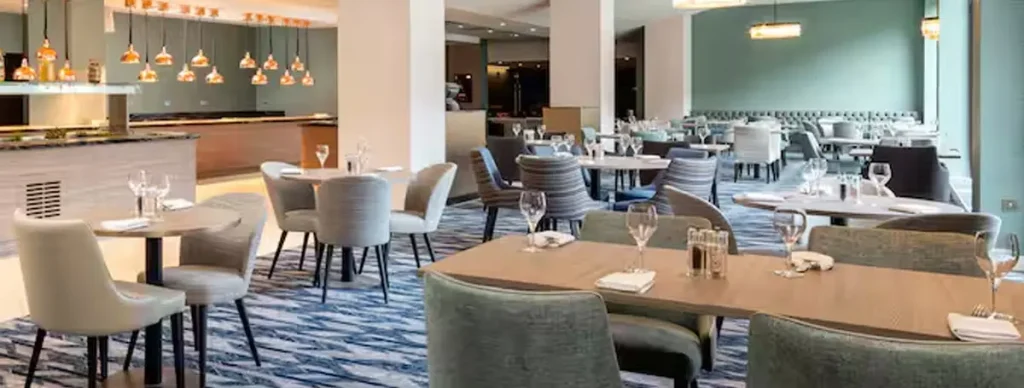
The key is in materiality and lighting. Use warm wood tones, textured fabrics, and layered, dimmable lighting (overhead, perimeter, and table-level) to create pools of light and avoid a flat, cold feel.
3. What’s a cost-effective way to update my interior?
Focus on the “high-touch” points: re-upholstering chairs, updating light fixtures, and adding new, impactful art or statement greenery. A fresh coat of paint in a modern, neutral tone can also dramatically transform a space.
4. How important is lighting in a modern scheme?
It is paramount. Lighting is the single most effective tool for defining zones, creating mood, and even influencing how food appears. Invest in a professional lighting design with multiple controls.
5. Can I mix modern elements with existing traditional architecture?
Yes, this “transitional” approach can be highly effective. The key is juxtaposition. Pair a traditional architectural detail (like crown moldings) with sleek, modern furniture and minimalist lighting to create a dynamic, layered look.


