
 English
 中文
 日本語
 한국어
 العربية
 Русский
 Português
 Türkçe
 हिन्दी
 Tiếng Việt
 ไทย
 Indonesia
 Melayu
 ខ្មែរ
 ລາວ
 မြန်မာ
 Afrikaans
 Hausa
 Igbo
 Sesotho
 isiXhosa
 Yorùbá
 isiZulu
By Mingmeng Commercial Furniture R&D Team
Industry Insight: Why the “Opening Night Look” is Just the Tip of the Iceberg
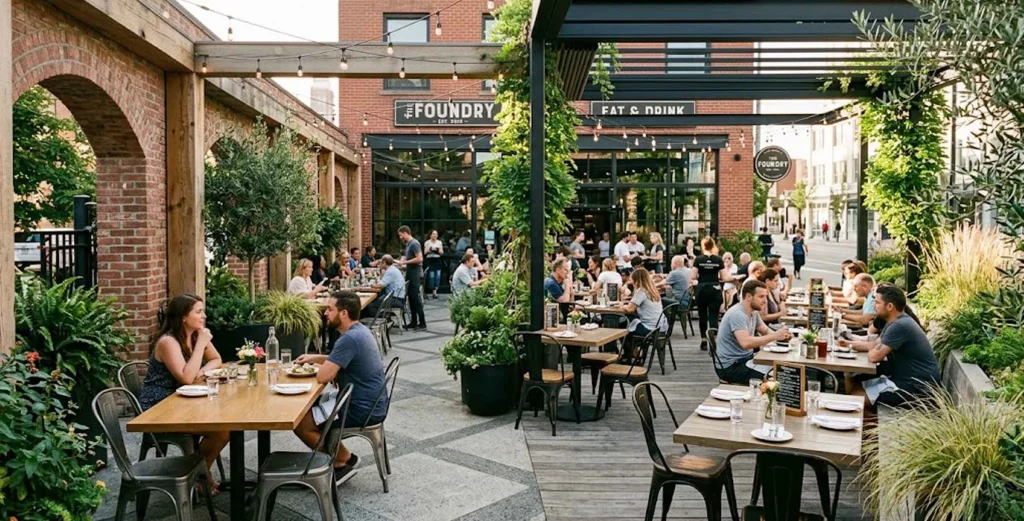
ຖ້າທ່ານໃຊ້ເວລາພຽງພໍໃນ ການສະຫນອງເຟີນີເຈີການຄ້າ industry, you notice a recurring pattern. Restaurant owners and hospitality procurement teams often fall in love with the “opening night” aesthetic of an outdoor space. They sign off on gorgeous, natural materials based on how they look under perfect studio lighting or in a 3D architectural rendering.
But out on the patio, furniture doesn’t live in a vacuum. It lives in a brutal environment of UV radiation, acidic rain, coastal salt spray, spilled vinaigrettes, and the daily physical wear and tear of a bustling service.
Choosing the right material for a 50-seat outdoor patio isn’t just a design choice; it is a serious financial decision. Make the wrong call, and you aren’t just paying for chairs—you are committing to thousands of dollars in hidden labor and maintenance costs over the next decade.
In this guide from Mingmeng, we are pulling back the curtain on the two titans of ເຟີນິເຈີກາງແຈ້ງແບບພິເສດ: ໄມ້ສັກ ແຂງ ແລະ ອະລູມິນຽມເຄືອບຜົງ. We’ll break down the material science, the daily operational realities, and most importantly, the 10-year Total Cost of Ownership (TCO) so you can make a decision that protects both your brand’s image and your bottom line.
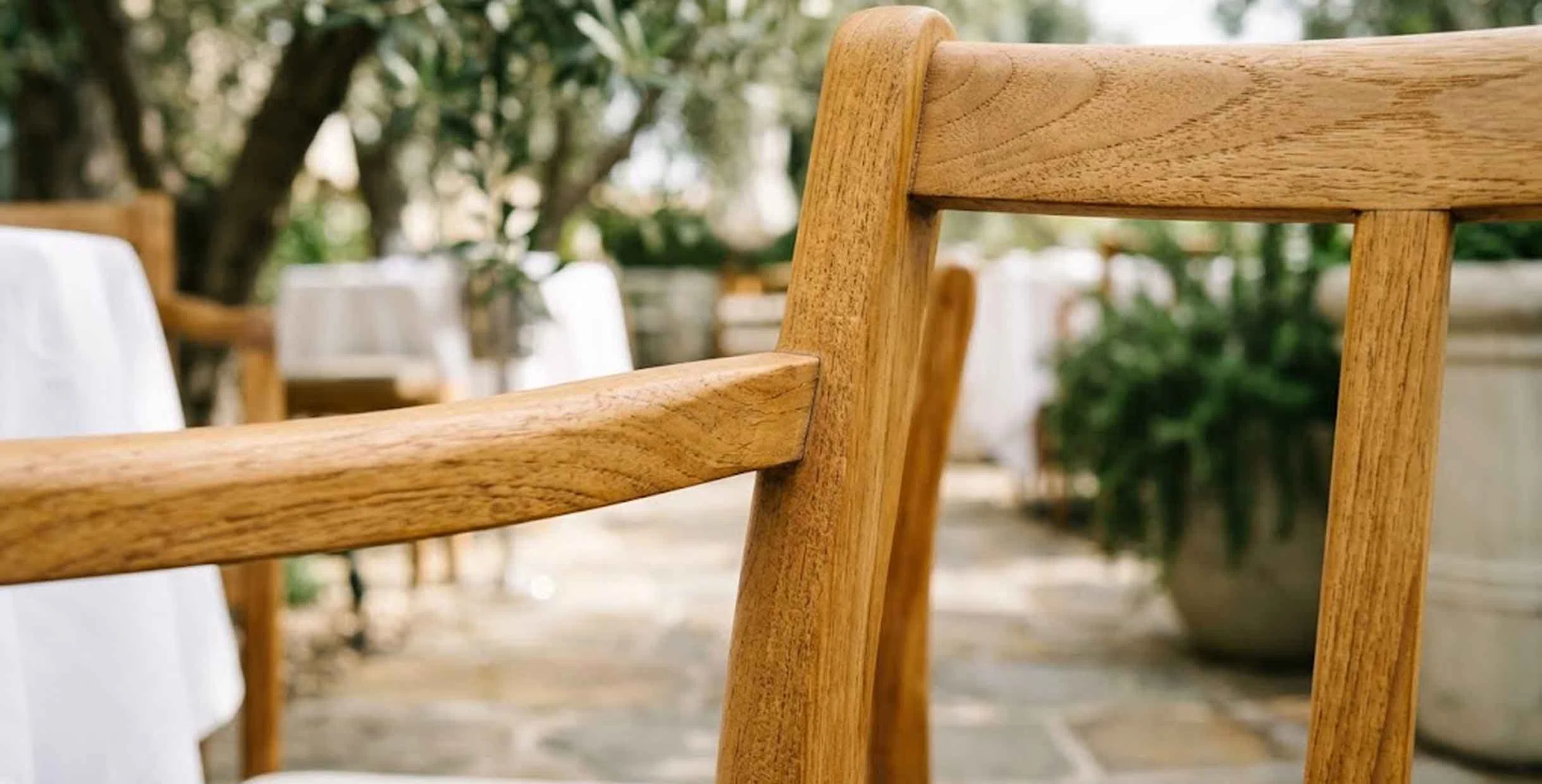
Solid Teak — The Classic Aesthetic and the Price of Nature
ໄມ້ສັກ (Tectona grandis) has earned its reputation as the king of outdoor woods. Historically used in shipbuilding, it is undeniably beautiful and structurally incredibly sound. However, in a high-turnover hospitality setting, teak is a double-edged sword.
ວິທະຍາສາດວັດສະດຸຂອງໄມ້ສັກ
What makes teak so special—and so expensive—is its dense grain and naturally high levels of rubber and silica oils. These natural oils act as a built-in defense mechanism against rot, insects, and water penetration.
- ຄວາມຕ້ານທານສະພາບອາກາດ: High-grade teak can survive extreme wet-to-dry cycles without warping or cracking like cheaper woods (such as acacia or eucalyptus).
- ຄວາມສະບາຍຄວາມຮ້ອນ: Wood is a fantastic thermal insulator. Whether it’s sitting in the blazing July sun or out on a crisp October evening, teak remains comfortable to the touch for your guests.
ການຄ້າ "ໃສ່ກັບດັກບໍາລຸງຮັກສາ"
Here is the reality check: natural resistance to rot does not mean “maintenance-free.”
When exposed to UV light and oxygen, the surface oils evaporate, and the wood undergoes a chemical change, fading into a silvery-grey patina. While some boutique coastal resorts love this weathered look, many fine-dining establishments view it as looking “tired” or neglected.
To maintain that warm, golden-honey color, you are signing up for a grueling maintenance protocol:
- ວົງຈອນການ Sanding: At least once a year, the wood requires light sanding to remove the oxidized surface layer.
- ການທານ້ຳມັນ ແລະ ການຜະນຶກ: Every 3 to 6 months, the furniture must be meticulously cleaned with specialized teak washes and re-oiled.
- ຄວາມອ່ອນແອຂອງຮອຍເປື້ອນ: Because it is porous, a spilled glass of red wine or a greasy dropped french fry will penetrate the wood fiber rapidly.
- ພາລະກອນແຮງງານ: You cannot ask your bussers to sand and oil furniture at the end of a shift. This requires hiring professional maintenance contractors or paying your dedicated facility staff significant overtime.
Powder-Coated Aluminum — The Engine of Modern Hospitality
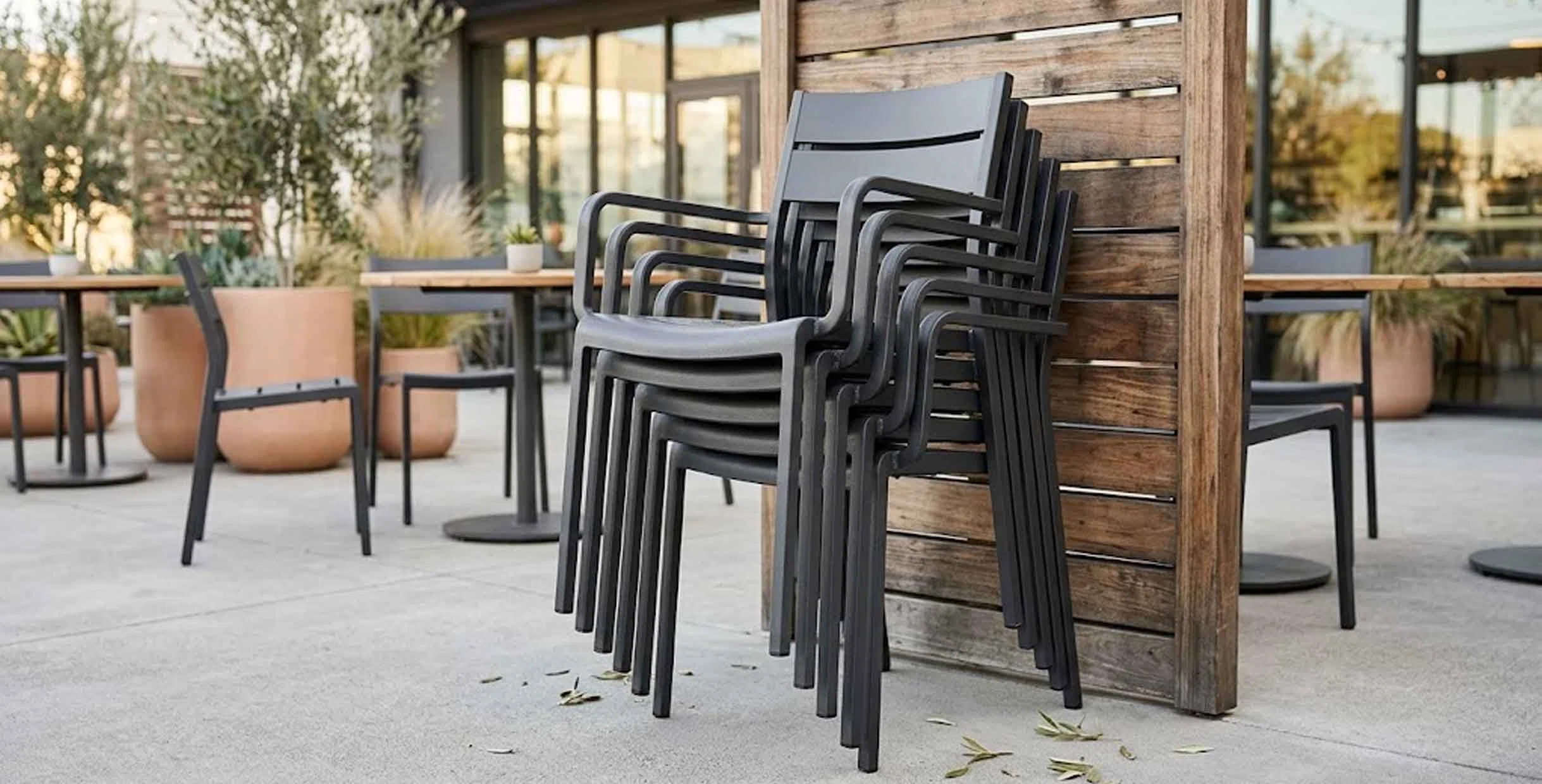
If teak is a vintage sports car that needs constant tuning, commercial-grade aluminum is the reliable commercial fleet vehicle. In the modern restaurant industry, where minimizing operational friction is the name of the game, aluminum has become the undisputed standard.
Structural Integrity: Lightweight but Fierce
At Mingmeng, our custom outdoor frames are built using ອາລູມີນຽມ extruded 14-gauge. The defining characteristic of aluminum is that it physically cannot rust. When exposed to air, it instantly forms a microscopic layer of aluminum oxide that seals the metal inside.
- Coastal Dominance: Unlike steel or wrought iron, which will aggressively rust from the inside out in salty sea air, aluminum remains structurally perfect on beachfront properties.
- ຄວາມຄ່ອງແຄ້ວໃນການປະຕິບັດງານ: Restaurant layouts change. You push tables together for large parties; you stack chairs at closing time to hose down the patio. Aluminum is drastically lighter than solid wood, severely reducing setup times and lowering the risk of workers’ compensation claims from staff lifting heavy furniture.
ພະລັງງານຂອງການສໍາເລັດຮູບ
Raw aluminum isn’t meant for dining. The magic lies in the ການເຄືອບຜົງ.
This isn’t wet paint. Dry powder is electrostatically applied to the metal, bonding to it, and then baked in a high-temperature oven. The result is a hardened “skin” that wraps the frame. High-quality commercial powder coats (like the ones we use, tested against 1,000+ hours of UV and salt-spray exposure) resist scratching from jeans rivets, chemical cleaners, and general high-volume abuse.
The Hard Data — 10-Year Lifecycle & TCO Analysis
To help you justify your FF&E (Furniture, Fixtures, and Equipment) budget, we’ve run the numbers. Below is a realistic financial projection for outfitting a standard 50-seat outdoor dining space over a decade.
ຕາຕະລາງ 1: ການປຽບທຽບສະເພາະທາງການຄ້າ
| ຄຸນສົມບັດ | ໄມ້ສັກການຄ້າແຂງ | ອະລູມິນຽມເຄືອບຜົງ |
| ຄ່າໃຊ້ຈ່າຍເບື້ອງຕົ້ນ (ຕໍ່ເກົ້າອີ້) | $350 – $750+ | $120 – $280 |
| ຄວາມຕ້ານທານຕໍ່ການກັດກ່ອນ | ສູງຫຼາຍ (ນໍ້າມັນທຳມະຊາດ) | ສູງທີ່ສຸດ (ບໍ່ສາມາດ rust) |
| ຄວາມພະຍາຍາມທໍາຄວາມສະອາດປະຈໍາວັນ | ສູງ (ຕ້ອງການການອະນາໄມຂີ້ເຫຍື້ອທັນທີ) | ໜ້ອຍທີ່ສຸດ (ສະບູ ແລະ ນໍ້າອ່ອນໆ) |
| ນ້ຳໜັກ & ເຄື່ອນທີ່ | ໜັກ; ຍາກທີ່ຈະຍ້າຍຫຼື stack | ນ້ຳໜັກເບົາ; ມັກ stackable ໄດ້ຢ່າງງ່າຍດາຍ |
| Vibe ຄວາມງາມ | ຟຸ່ມເຟືອຍ, ປອດສານພິດ, ອົບອຸ່ນ | ລວດລາຍ, ທັນສະໄຫມ, ຫຼືໂຄງສ້າງໄມ້ faux |
| ອາຍຸການຄ້າ | 15-20+ ປີ (ມີການດູແລຢ່າງເຂັ້ມງວດ) | 8-12 ປີ (ການສໍາເລັດຮູບອາດຈະສວມໃສ່ໃນທີ່ສຸດ) |
| ຄວາມຍືນຍົງ | ອີງໃສ່ການບັນທຶກການຢັ້ງຢືນ FSC | ສາມາດຣີໄຊເຄິນໄດ້ສູງ |
Table 2: 10-Year Total Cost of Ownership (TCO) for a 50-Seat Patio
Note: Estimates based on current North American/Australian commercial labor and material rates.
| ປະເພດຄ່າໃຊ້ຈ່າຍ | ຍຸດທະສາດໄມ້ສັກ | ຍຸດທະສາດອາລູມິນຽມ |
| ການລົງທຶນ FF&E ເບື້ອງຕົ້ນ | $25,000 | $9,000 |
| ແຮງງານປະຈໍາປີສໍາລັບການດູແລ | $2,000/ປີ (ການເຮັດດິນຊາຍ / ການທາມັນ) | $0 (ສ່ວນໜຶ່ງຂອງການໂດຍສານປະຈຳວັນມາດຕະຖານ) |
| ອຸປະກອນພິເສດ (10 ປີ) | $4,500 (ເຄື່ອງເຮັດຄວາມສະອາດໄມ້ສັກ, ນໍ້າມັນຊັ້ນນໍາ) | $500 (Basic wipes, occasional touch-up pen) |
| ຄ່າທົດແທນທີ່ຄາດໄວ້ | $0 (ຄວນຢູ່ລອດ 10 ປີຖ້າຮັກສາໄວ້) | $2,500 (Assuming 20% partial replacement over 10 yrs due to severe damage) |
| ລາຍຈ່າຍທັງໝົດ 10 ປີ | ~$49,500 | ~$12,000 |
ເສັ້ນທາງລຸ່ມ: While teak is practically immortal from a structural standpoint, the grueling labor required to keep it looking “hospitality-ready” makes its 10-year total cost roughly ສູງກວ່າສີ່ເທົ່າ ກ່ວາການຕິດຕັ້ງອາລູມິນຽມທີ່ມີຄຸນນະພາບສູງ.
ການຈັບຄູ່ວັດສະດຸກັບແນວຄວາມຄິດຂອງທ່ານ
There is no one-size-fits-all answer. Your choice should be dictated by your specific service model and brand identity.
ເມື່ອໃດທີ່ຈະເລືອກ Teak ຢ່າງແນ່ນອນ:
- ການຮັບປະທານອາຫານທີ່ດີເລີດ: If your average cover is $150+ and your brand ethos revolves around “authenticity” and organic elements, your clientele will notice the difference. Teak justifies its cost here.
- ແນວຄວາມຄິດຂອງ "ສະພາບອາກາດ": If you are actively going for a rustic, sun-bleached aesthetic and intend to ໃຫ້ the teak turn grey naturally, your maintenance costs drop significantly.
- ສະພາບອາກາດທີ່ໝັ້ນຄົງ: Covered patios with consistent humidity levels are much kinder to wood.
ເມື່ອອາລູມິນຽມເປັນທາງເລືອກທີ່ມີເຫດຜົນເທົ່ານັ້ນ:
- ຮ້ານອາຫານທີ່ມີລາຍຮັບສູງ: Cafes, breweries, and casual dining spots where tables flip 4-5 times a day. You need a surface you can sanitize in 10 seconds.
- ໜ້າຫາດຊາຍ ແລະສະລອຍນ້ຳ: Salt, chlorine, and wet swimsuits destroy natural materials. Aluminum thrives here.
- ສະຖານທີ່ໃຊ້ຫຼາຍ: If you frequently clear your patio for live music, weddings, or corporate events, the stackability and lightweight nature of aluminum is non-negotiable.
Mingmeng’s Innovation — The “Wood-Look” Aluminum Solution
What if you want the visual warmth of a rustic wood booth, but the zero-maintenance efficiency of metal?
At Mingmeng, we recognized this exact pain point for B2B buyers. That is why we heavily utilize ເຕັກໂນໂລຊີ Sublimation ໄມ້-ເມັດພືດ ກ່ຽວກັບສາຍອາລູມິນຽມ custom ຂອງພວກເຮົາ.
ການເຊື່ອມຕໍ່ຊ່ອງຫວ່າງ
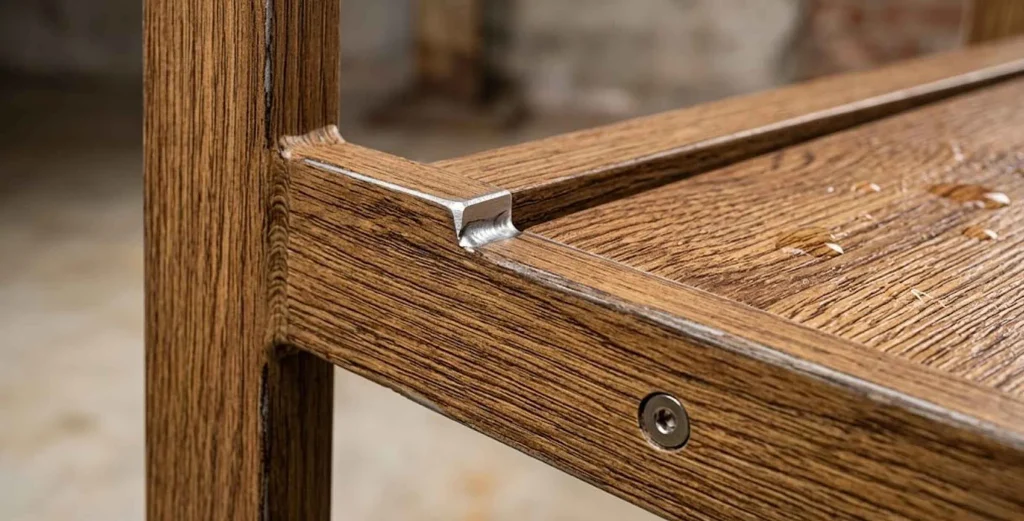
Through a specialized heat-transfer process, we embed highly realistic wood grain patterns—mimicking teak, oak, or walnut—directly into the powder coating of the aluminum.
- ການທົດສອບ 3 ຕີນ: We consistently find that from just three feet away, guests cannot tell they are looking at metal. We even add a subtle textured clear coat so it doesn’t feel perfectly smooth like cheap plastic.
- ສູນປະນີປະນອມ: You get the mid-century or rustic aesthetic your designer wants, while your operations manager gets a patio that can be pressure-washed at the end of the night without a second thought.
ການປັບແຕ່ງຕາມຈຸດປະສົງ
We don’t just pull chairs off a shelf. We manufacture for the realities of your space:
- ການເພີ່ມປະສິດທິພາບຮອຍຕີນ: Need shallow-depth booth seating to maximize capacity on a narrow sidewalk patio? We engineer custom dimensions to save space.
- ປະສິດທິພາບ Upholstery: We pair our frames with marine-grade, UV-resistant fabrics and quick-dry reticulated foam, meaning your patio is ready for seating just minutes after a rainstorm.
ລາຍການກວດສອບຂອງຜູ້ຊື້
Before you sign off on a purchase order for ເຟີນິເຈີນອກ, ask your operations team these three questions:
- Do we have a dedicated line item in our annual budget for furniture maintenance? (ຖ້າບໍ່ມີ, ຫຼີກເວັ້ນໄມ້ທໍາມະຊາດ).
- Will our front-of-house staff need to move this furniture daily? (ຖ້າແມ່ນ, ໃຫ້ຄວາມສໍາຄັນກັບອາລູມິນຽມ).
- ສະພາບອາກາດໃນທ້ອງຖິ່ນຂອງພວກເຮົາຮ້າຍແຮງແນວໃດ? (Direct baking sun? Freezing winters? Salt air? Factor this into the finish type).
ຄວາມຄິດສຸດທ້າຍ
A successful outdoor dining space seamlessly blends guest comfort with operational efficiency. While teak pays a beautiful homage to traditional craftsmanship, commercial aluminum is the undeniable champion of business efficiency. By leveraging advanced finishes like wood-look sublimation, operators no longer have to choose between looking good and protecting their margins.
ຄຳຖາມທີ່ຖາມເລື້ອຍໆ (FAQs)
Q: Can aluminum furniture really withstand heavy commercial use?
Absolutely, provided you buy commercial-grade. Residential aluminum from big-box stores is often thin-walled (18-gauge or worse) and will bend. Mingmeng uses thick, 14-gauge extrusions with reinforced welding points specifically designed to handle 300+ lb weight capacities and daily commercial abuse.
ຖາມ: ພວກເຮົາສາມາດປະສົມແລະຈັບຄູ່ວັດສະດຸໄດ້ບໍ?
Yes, and we highly recommend it! A popular strategy for luxury hotels is using solid teak for statement pieces—like the host stand or a few premium VIP cabanas—while outfitting the bulk of the high-turnover dining floor with wood-look aluminum. It balances the budget perfectly.
Q: If we choose teak and let it turn grey, is the wood ruined?
No. The silvery-grey patina is strictly a cosmetic surface change; the wood remains structurally sound. If you ever change your mind, the grey layer can be aggressively sanded off to reveal the honey-colored wood underneath, though this is a highly labor-intensive process.
Q: How do we fix a scratch on powder-coated aluminum?
While the coating is tough, deep scratches from sharp metal objects can happen. Because the aluminum underneath won’t rust, the scratch is purely cosmetic. We provide our B2B clients with exact-color-match touch-up paint pens that seal and hide the scratch in seconds.
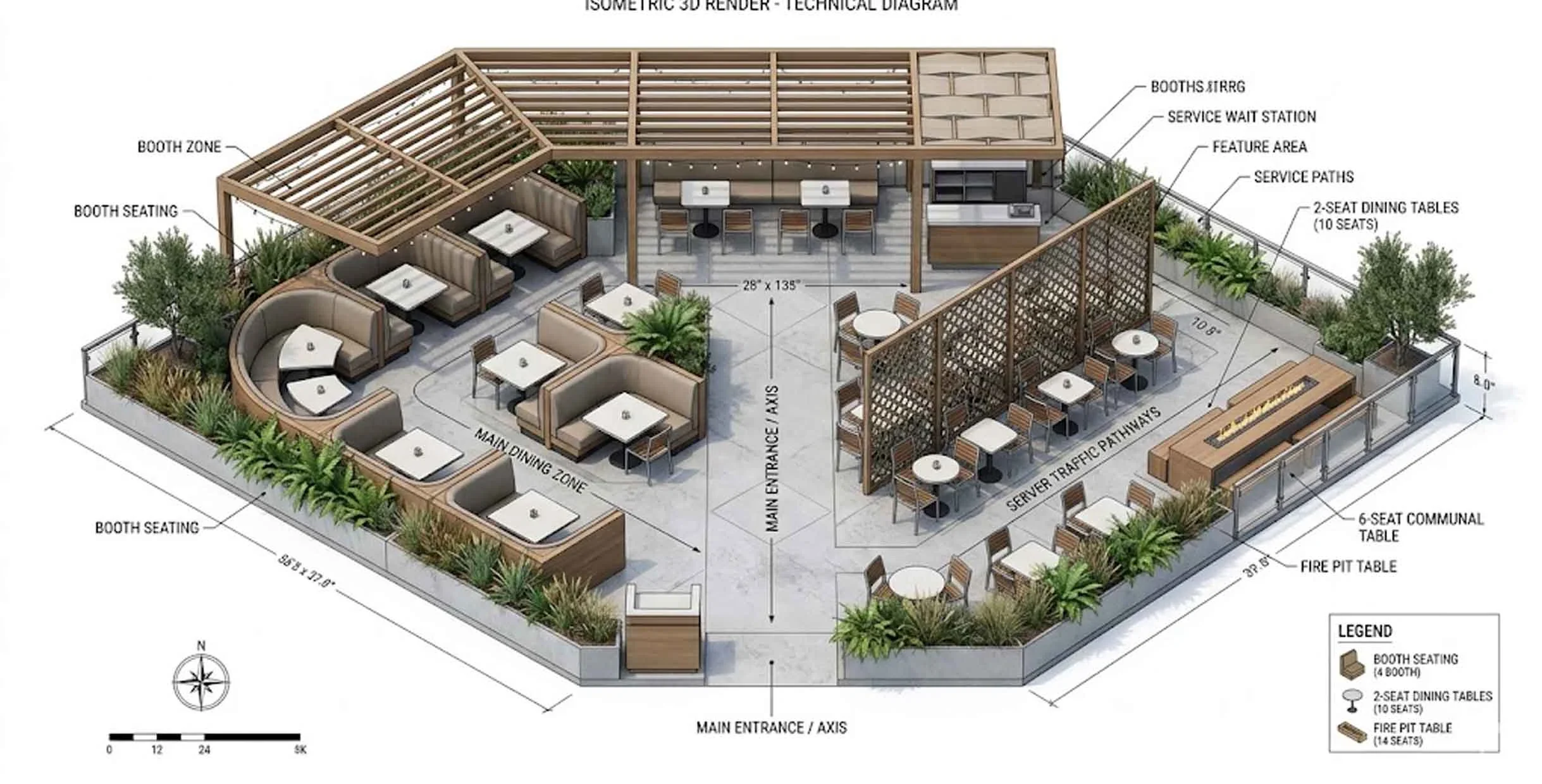
Ready to engineer your patio for maximum ROI? ຕິດຕໍ່ທີມງານ MingMeng ໃນມື້ນີ້. We provide precise lifecycle cost breakdowns, custom 3D space planning, and finish samples tailored to your specific hospitality concept.