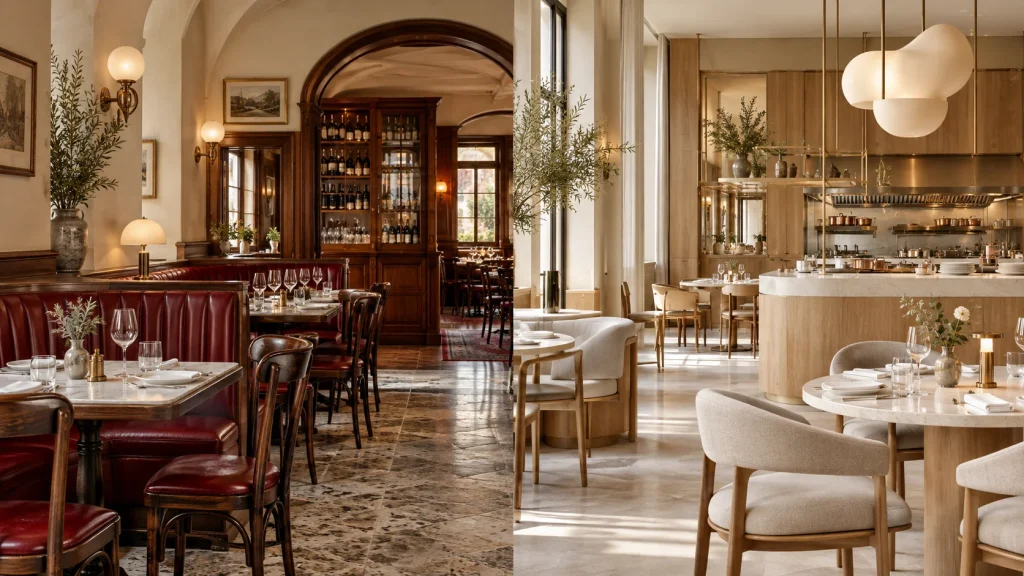
Italian restaurant design is not one style. It is two — and most owners who say “I want an Italian restaurant” have not decided which one they mean.
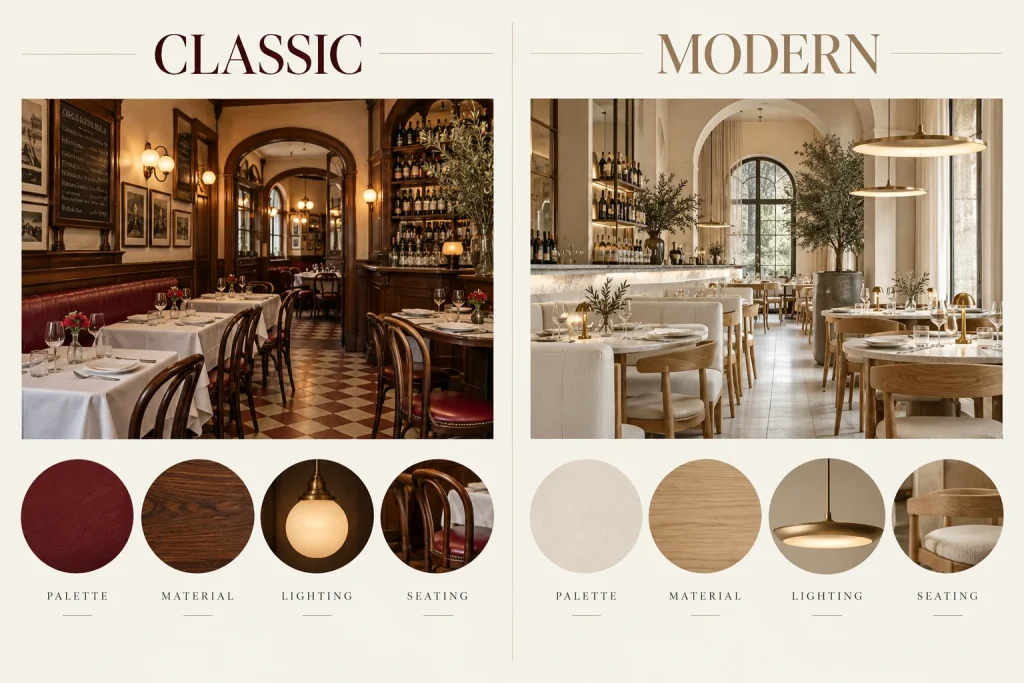
ປະເພນີທໍາອິດແມ່ນ ຄລາສິກ: the trattoria, the osteria, the Tuscan countryside room — warm wood, travertine, checkered marble, wrought iron, deep red and cream, low candlelight, banquette seating. The second is ທັນສະໄຫມ: the Milanese contemporary room, the coastal minimalist — light ash and oak, neutral palette, brass accents, sculptural pendant lighting, open kitchen as theater, mixed materials.
The most expensive design error in this category is blending the two without choosing. A room with travertine walls, a checkered floor, ແລະ a white-oak communal table under a chrome pendant reads as confusion, not Italy. Pick one tradition as your material anchor, then let furniture, lighting, and layout serve it.
This guide breaks down both Italian design languages and the furniture, material, lighting, and layout decisions that make each one work — plus where to customize for your specific concept.
ຄລາສິກທຽບກັບອິຕາລີທີ່ທັນສະໄຫມ — ພາສາອອກແບບສອງ
ຄລາສສິກ Italian (trattoria / osteria / Tuscan):
Palette: Terracotta and cream walls, deep red and olive green accents, natural wood tones, black-and-white checkered marble or terrazzo floor.
ແສງສະຫວ່າງ: Layered and architectural — pendant clusters over tables, recessed warm ambient, accent washing a feature wall or open kitchen.
ບ່ອນນັ່ງ: Mix of wood dining chairs and boucle/leather stools, communal tables, banquette only as a perimeter anchor.
ເຄັດລັບ Pro: Write your single tradition on the brief before specifying anything. Every furniture and lighting choice should pass one test: “Does this belong to classic or modern — and if I’m mixing, is there a deliberate reason?”
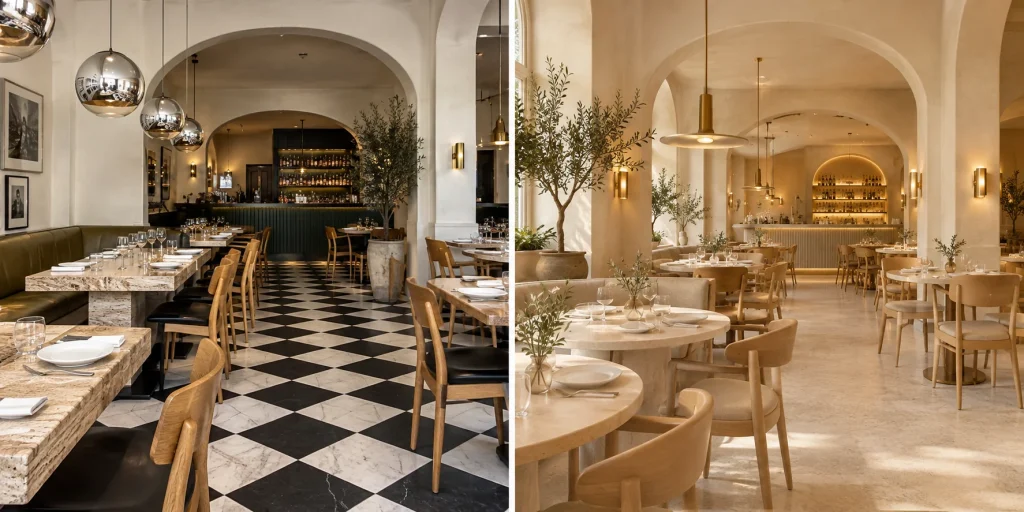
A visual comparison of the palettes, materials, lighting and seating used in classic and modern Italian restaurant design.
ໄມ້ — ກະດູກສັນຫຼັງຂອງເຟີນິເຈີຮ້ານອາຫານອິຕາລຽນ
Wood is the defining material of Italian restaurant furniture, in both traditions. The difference is species and finish.
ປະເພດໄມ້ຕາມປະເພນີ:
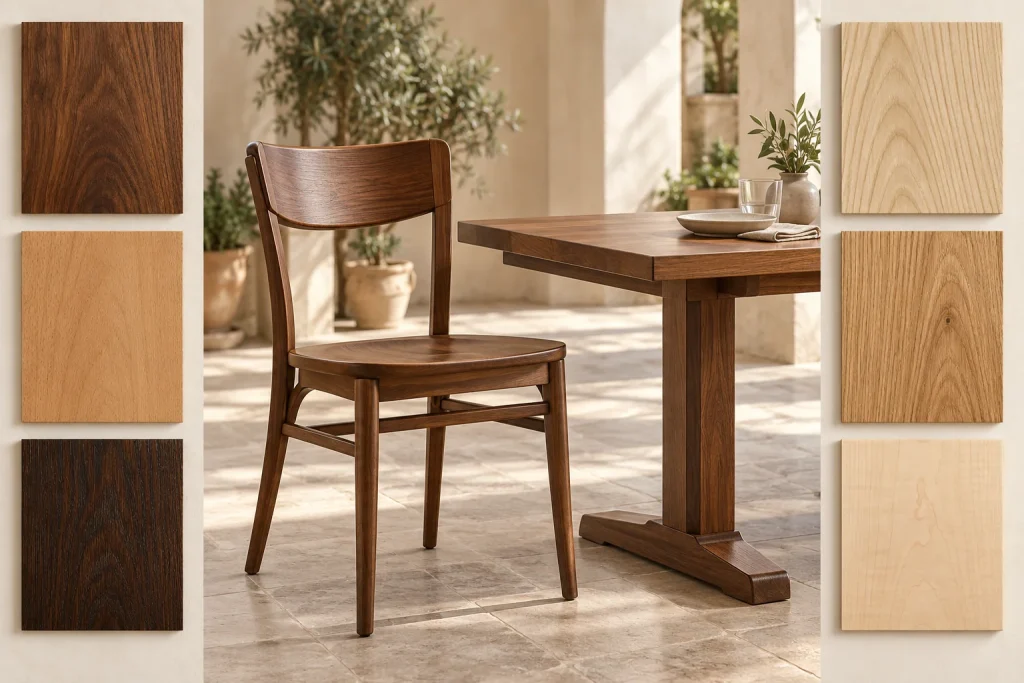
ຄລາສິກ: Walnut, beech, dark-stained oak. Heavy, warm, grounded. Reads as Tuscan or Lombard tradition.
ທັນສະໄຫມ: Ash, natural oak, maple. Light, clean-lined. Reads as contemporary Milanese or coastal.
Wood furniture and finish samples illustrate material options for classic and contemporary Italian restaurant projects.
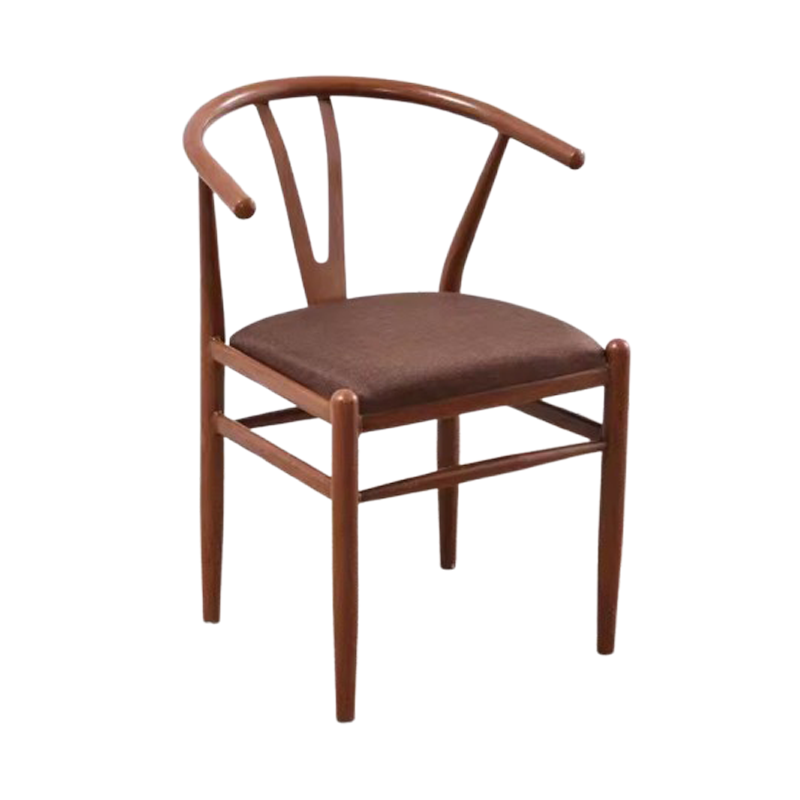
ເກົ້າອີ້ອາຫານໄມ້ - ບ່ອນນັ່ງອິຕາລີລາຍເຊັນ: The bentwood and Windsor-style solid wood chair is the most recognizably Italian restaurant seat after the banquette. Spec it commercial-grade:
ກອບ: Solid wood (oak/beech/ash), kiln-dried, mortise-and-tenon or dowel joint rated to BIFMA M7.1 (250 lb static, 100k+ ຮອບວຽນ).
ຈົບ: lacquer catalyzed — the non-porous industrial seal that blocks olive oil, tomato, and wine penetration. Raw oil or wax finishes stain permanently in an Italian kitchen.
ບ່ອນນັ່ງ: Solid wood, wood with upholstered pad, or cane/weave for classic; molded or upholstered for modern.
Stackability: Confirm 8–10 high for event reconfiguration (Italian restaurants host large family groups).
ຄົ້ນຫາ ຕັ່ງໄມ້ built to commercial BIFMA standards — solid oak, ash, and beech frames with catalyzed-lacquer finish for daily-volume Italian service.
ໂຕະໄມ້:
ເທິງ: Solid wood (oak, ash, walnut) with catalyzed lacquer; plank top for classic, clean live-edge or square edge for modern.
ຄວາມສູງ: ອາຫານມາດຕະຖານ 29″–30″; 30″×30″ for 2-top, 36″×36″ or 42″ round for 4-top, 48″–60″ for 6-top.
ຖານ: Wood pedestal or cast iron; match base finish to chair frame for cohesion.
Key Takeaway: Italian food is oil- and acid-dense (olive oil, tomato, lemon, wine). Raw or oil-finished wood tables stain within weeks. Catalyzed lacquer is non-negotiable for any wood surface in an Italian restaurant.
Italian seating relies on upholstery for warmth — but the wrong upholstery fails fast under Italian menus.
upholstery ຄລາສສິກ:
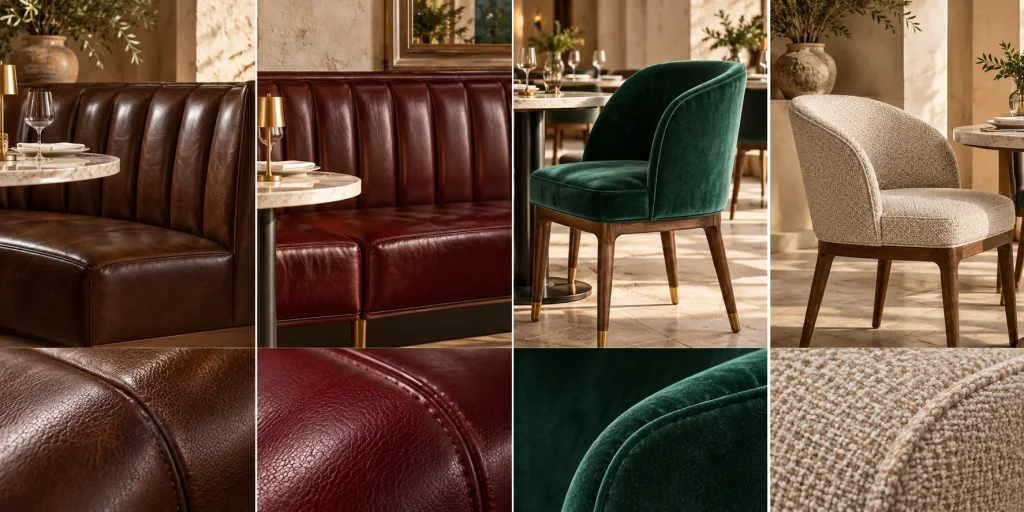
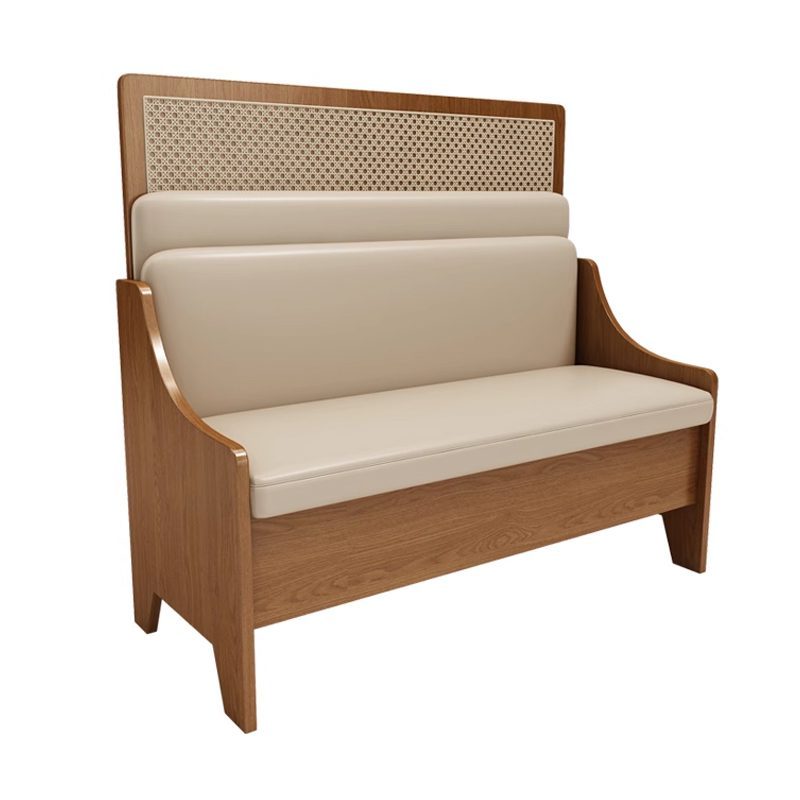
ງານລ້ຽງໜັງ: Tufted or channel-back, deep brown or oxblood. The signature classic-Italian seating. Commercial-grade full-grain or PU leather only.
ເກົ້າອີ້ velvet: Emerald, oxblood, or mustard velvet dining chairs for a Venetian or Bologna room. Use velvet ປະສິດທິພາບ (ການປິ່ນປົວທົນທານຕໍ່ຮອຍເປື້ອນ), ບໍ່ແມ່ນ velvet ທີ່ຢູ່ອາໄສ.
upholstery ທັນສະໄຫມ:
Boucle ແລະຜ້າປະສິດທິພາບ: Neutral boucle or textured performance fabric on chairs and banquettes. Performance fabric resists oil and wine better than untreated textile.
ຫນັງ: ອາຈົມຫນັງ Tan ຫຼືສີດໍາແລະງານລ້ຽງສໍາລັບບາ Milanese.
A material comparison of leather banquettes, an emerald velvet chair and a neutral textured chair for Italian restaurant seating.
ກົດລະບຽບສະເພາະສໍາລັບ upholstery ທັງຫມົດ:
Commercial-grade vinyl or PU leather in high-traffic banquettes — never untreated fabric in the dining room.
HR foam density ≥ 30 kg/m³ for banquette comfort over long, social Italian meals.
ຄວາມຜິດພາດທົ່ວໄປ: Specifying residential velvet or fabric banquettes for the “look.” Tomato, olive oil, and red wine permanently mark untreated textile. The replacement cost typically runs 3–4× higher than vinyl within 18 months.
ພາກທີ 4: ແສງສະຫວ່າງ — ເຄື່ອງຈັກໃນບັນຍາກາດ
Italian dining is long, social, and intimate. Lighting is not decoration — it is the primary atmosphere driver, and it is where most Italian restaurant designs succeed or fail.
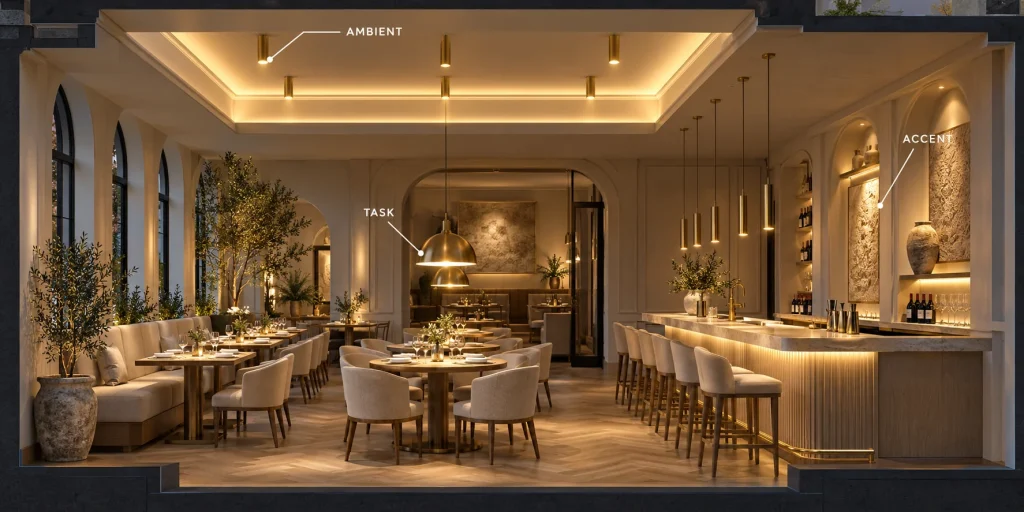
ແສງສະຫວ່າງສາມຊັ້ນ:
ບັນຍາກາດ: ແສງສະຫວ່າງໂດຍລວມອົບອຸ່ນ, 2700K–3000K, 100–200 lux. Dimmed for dinner service. Classic uses candlelight + sconces; modern uses recessed warm ambient.
ວຽກງານ: 200-300 lumen ຕໍ່ຕາຕະລາງ from a pendant or track spot so guests can see food and photograph it (critical for social media marketing). Classic: wrought-iron pendant; modern: clustered minimal pendants.
ສຳນຽງ: Wall-wash a feature surface — travertine wall, open kitchen pass, wine display. Draws the eye and adds depth.
An Italian restaurant lighting diagram showing ceiling ambient light, table task light and feature-wall accent light.
ປະເພນີສະເພາະ:
ຄລາສິກ: Low, warm, candle-forward. Wrought-iron chandeliers, wall sconces, minimal ceiling light. The room should feel like a room, not a lit box.
ທັນສະໄຫມ: Architectural and layered. Sculptural pendant clusters, recessed accent, a lit open kitchen as the focal point.
ເຄັດລັບ Pro: Italian restaurants dim for dinner. Specify dimmable all circuits and a separate task circuit over tables so you can keep food readable while the room stays intimate.
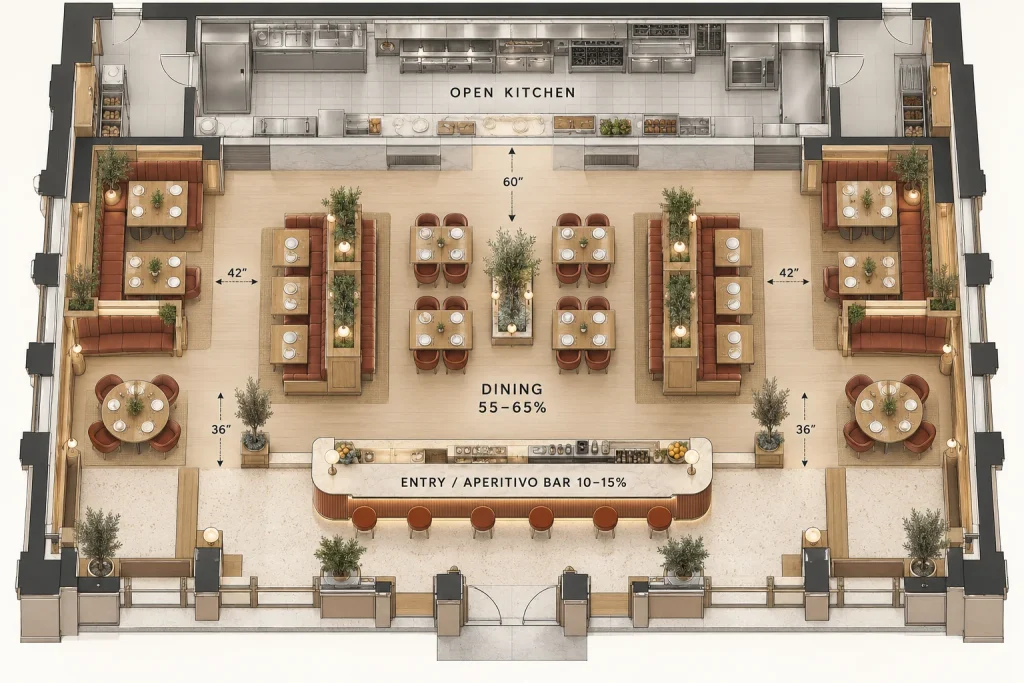
Italian dining has a rhythm: arrival (aperitivo at the bar), long seated meal, lingering. The layout should support all three.
ເຂດ 1 — ແຖບເຂົ້າ ແລະ aperitivo (10–15%): The aperitivo culture (Negroni, Americano, spritz) means the bar is a destination, not an afterthought. A defined bar with 28″–30″ stools and a few posado high-tops drives pre-dinner margin and sets the mood. Size it 10–15% of floor area.
ເຂດ 2 — ຫ້ອງຮັບປະທານອາຫານ (55–65%):
ຄລາສິກ: Banquette/booth-forward along perimeter walls, solid wood 2-tops and 4-tops in the center, tighter European spacing (24″–28″ between table edges). Intimate and dense.
ທັນສະໄຫມ: Mix of wood chairs, a communal table (seats 8–12) as a centerpiece, banquette only on perimeter. More open, more air.
ເຂດ 3 — ຫ້ອງຄົວເປີດ (ທາງເລືອກແຕ່ມີພະລັງ): Modern Italian rooms use the open kitchen as theater — a visible pass with warm lighting draws guests and signals freshness. Classic rooms keep the kitchen hidden behind plaster.
ການໄຫຼວຽນຂອງ:ຕໍາ່ສຸດທີ່ 36″ clear aisle (ການປະຕິບັດຕາມ ADA) ໃນທຸກເສັ້ນທາງ; 42″ behind banquettes for server tray delivery (Italian service includes passed pasta, large shared plates); 60″ ໃນເສັ້ນທາງເຂົ້າ-ໄປ-ຮັບປະທານອາຫານ ແລະບ່ອນຮັບປະທານເຂົ້າ-ຫ້ອງນໍ້າຕົ້ນຕໍ.
A conceptual Italian restaurant floor plan showing an aperitivo bar, dining zone, open kitchen and example circulation widths.
1. ການຜະສົມຜະສານຄລາສສິກແລະທັນສະໄຫມໂດຍບໍ່ມີແຜນການ. Travertine + checkered floor + white-oak table + chrome pendant = confusion. Choose one tradition as the anchor.
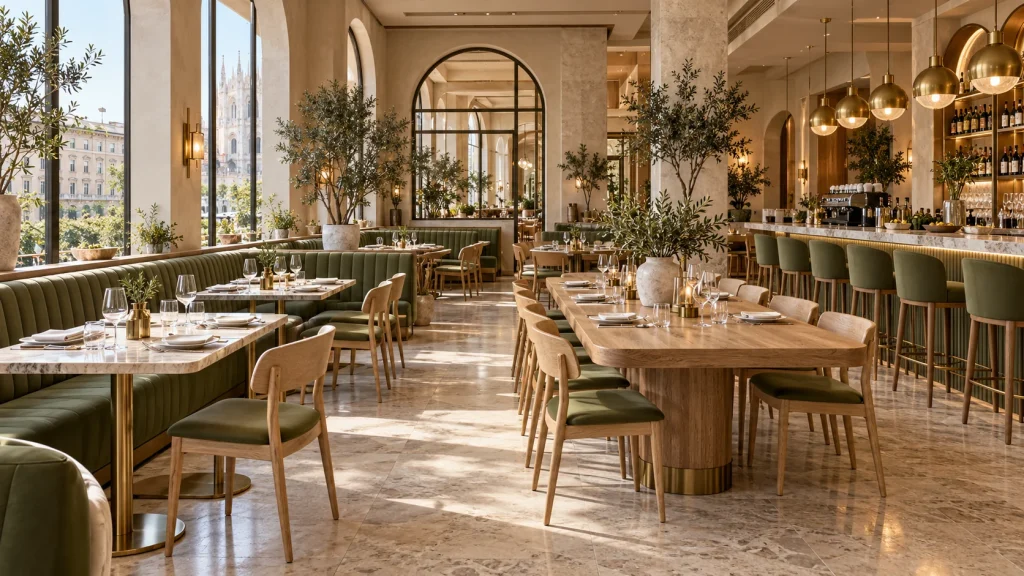
A before-and-after comparison shows how coordinated furniture, finishes and lighting create a more cohesive Italian restaurant.
2. ເກົ້າອີ້ໄມ້ທີ່ຢູ່ອາໄສໃນຫ້ອງການຄ້າ. Home-grade bentwood loosens at the joint within 6–12 months under Italian service volume. Specify BIFMA-rated solid wood chairs with catalyzed-lacquer finish.
3. Flat, overlit ຫ້ອງ. Bright 4000K ceiling light kills Italian intimacy. Layer warm ambient + task + accent, all dimmable.
4. ບໍ່ມີເຂດແຖບ aperitivo. Skipping the bar leaves pre-dinner margin and atmosphere on the floor. Size it 10–15%.
5. upholstery fabric untreated. Tomato, olive oil, and wine permanently stain. Commercial vinyl/PU or performance fabric only.
6. ພື້ນຜິວໄມ້ທີ່ບໍ່ຕິດ. Olive oil penetrates raw/oil-finished wood in weeks. Catalyzed lacquer on every wood table and chair frame.
Section 7: How Mingmeng Furniture Supports Your Italian Restaurant Project
[ຊື່ໂຮງງານຂອງເຈົ້າ] ຜະລິດ ເຟີນິເຈີຮ້ານອາຫານການຄ້າ for Italian restaurants, trattorias, and hospitality venues across [number] countries. Our product range includes [solid wood dining chairs (oak, ash, beech), wood and stone tables, leather and velvet banquettes, bar stools, and communal tables] — built to commercial-grade specifications for high-volume, oil- and acid-dense Italian service.
ສິ່ງທີ່ພວກເຮົາໃຫ້ສໍາລັບໂຄງການຮ້ານອາຫານອິຕາລີ:
ເຟີນິເຈີໄມ້, ເກຣດການຄ້າ: ເກົ້າອີ້ oak / ຂີ້ເທົ່າ / beech ແລະຕາຕະລາງທີ່ມີ lacquer catalyzed finish — the non-porous seal that resists olive oil, tomato, and wine. BIFMA M7.1-rated frames.
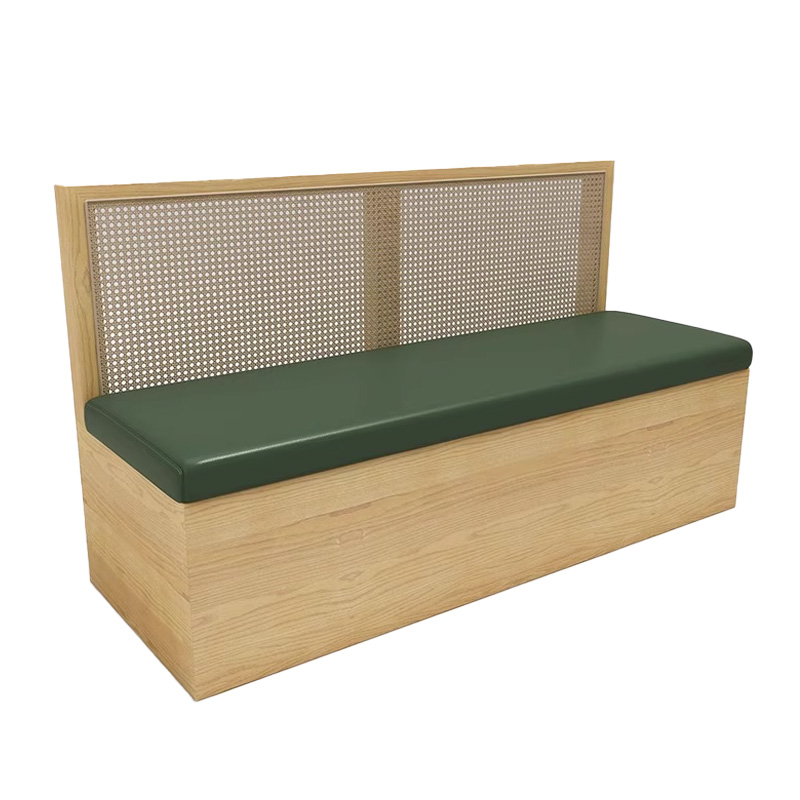
ການຜະລິດງານລ້ຽງທີ່ກໍາຫນົດເອງ: Tufted or channel-back leather and velvet banquettes, kiln-dried hardwood frame, HR foam (≥ 30 kg/m³), vinyl/PU or performance-fabric upholstery.
ການຈັບຄູ່ວັດສະດຸຄລາສສິກຫຼືທັນສະໄຫມ: Dark-stained walnut and wrought-iron accents for classic; light oak and brushed-brass accents for modern. We align finish to your chosen tradition.
ເຟີນິເຈີພ້ອມໄຟ: Tables sized for pendant task lighting; bar program (28″–30″ stools, 40″–42″ posado tables with weighted bases).
ວັດສະດຸທີ່ສອດຄ່ອງກັບລະຫັດໄຟ: Upholstery meets CAL-117; CRIB-5 available for international projects.
ການປັບແຕ່ງໂຄງການ: Non-standard dimensions, region-specific color matching, and branded inlay on wood or metal — built to your concept brief.
A complete Italian restaurant furniture concept with dining chairs, banquettes, bar stools, tables and a communal table.
ໄລຍະເວລາໂຄງການປົກກະຕິ: Sample approval (2–3 weeks) → Production (4–6 weeks) → Inspection & shipping (1–2 weeks). Complete Italian restaurant furniture packages typically fulfilled within 8-12 ອາທິດ ຈາກການຢືນຢັນການອອກແບບ.
ຄົ້ນຫາຂອງພວກເຮົາ ໂຄງການຮ້ານອາຫານ for completed restaurant and hospitality installations across classic and modern concepts. To discuss your Italian restaurant furniture specification, contact eiko@mingmeng07.com ຫຼື [ເບີໂທລະສັບ]. Mention this guide and we’ll provide a concept-specific specification sheet within 48 hours.
ຄໍາຖາມທີ່ຖາມເລື້ອຍໆ
What is the difference between classic and modern Italian restaurant design?
Classic Italian (trattoria, osteria, Tuscan) uses warm wood, travertine, checkered marble, wrought iron, deep red/cream, low candlelight, and banquette seating. Modern Italian (Milanese, coastal) uses light wood (ash, oak), neutral palette, brass accents, sculptural pendant lighting, open kitchen, and mixed materials. The key is choosing one as your material anchor — blending them without a plan reads as confusion.
Classic concepts: walnut, beech, or dark-stained oak. Modern concepts: ash, natural oak, or maple. The finish matters more than species — specify catalyzed lacquer, not raw oil or wax, because olive oil, tomato, and wine penetrate unsealed wood within weeks. Frames should be BIFMA M7.1-rated solid wood for commercial durability.
ແສງອັນໃດສ້າງບັນຍາກາດຮ້ານອາຫານອິຕາລຽນແທ້?
Three layers, all warm (2700K–3000K) and dimmable: ambient (100–200 lux, candlelight or recessed), task (200–300 lumens per table from a pendant so food is visible and photogenic), and accent (wall-wash a travertine wall, open kitchen, or wine display). Classic uses wrought-iron chandeliers and sconces; modern uses clustered minimal pendants. Avoid bright 4000K ceiling light — it kills intimacy.
Dedicate 10–15% of floor area to a defined entry/aperitivo bar with 28″–30″ stools and a few posado high-tops — Negroni and spritz service drives pre-dinner margin and sets mood. The dining room (55–65%) follows your tradition: banquette-forward and dense for classic, open with a communal table for modern. Keep 36″ aisles (42″ behind banquettes) for Italian shared-plate service.
Commercial-grade vinyl or PU leather for high-traffic banquettes; performance velvet or performance fabric (stain-treated) for chairs. Never untreated residential fabric or velvet — tomato, olive oil, and red wine permanently mark it, and replacement runs 3–4× higher within 18 months. All upholstery should meet CAL-117 (US) or CRIB-5 (international) fire code.
ຮ້ານອາຫານອິຕາລຽນໃຊ້ບູດຫຼືໂຕະເປີດບໍ?
Both, by tradition. Classic Italian rooms are banquette/booth-forward with small 2-tops and tight European spacing for intimacy. Modern Italian rooms mix wood chairs with a communal table centerpiece and use banquette only on the perimeter. Choose based on your tradition — but banquette seating is the signature Italian anchor in either case.
Article prepared for MingmengFurniture. For questions about commercial restaurant furniture for Italian restaurant projects, contact eiko@mingmeng07.com.


 English
 中文
 日本語
 한국어
 العربية
 Русский
 Português
 Türkçe
 हिन्दी
 Tiếng Việt
 ไทย
 Indonesia
 Melayu
 ខ្មែរ
 ລາວ
 မြန်မာ
 Afrikaans
 Hausa
 Igbo
 Sesotho
 isiXhosa
 Yorùbá
 isiZulu