

 English
 中文
 日本語
 한국어
 العربية
 Русский
 Português
 Türkçe
 हिन्दी
 Tiếng Việt
 ไทย
 Indonesia
 Melayu
 ខ្មែរ
 ລາວ
 မြန်မာ
 Afrikaans
 Hausa
 Igbo
 Sesotho
 isiXhosa
 Yorùbá
 isiZulu
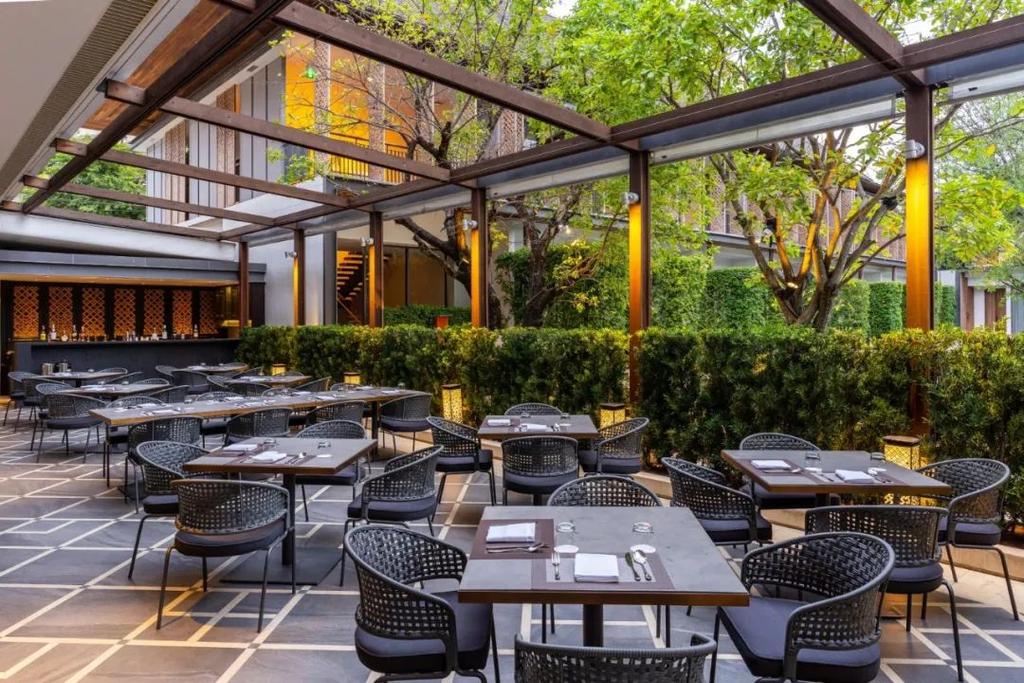
Operating a beachfront restaurant, open-air bar, or oceanfront resort comes with a unique set of challenges. When sourcing coastal restaurant outdoor furniture, salt spray, high humidity, and intense UV radiation pose relentless threats to your equipment. Many hospitality operators and procurement managers initially opt for wrought iron or cast iron furniture to achieve a vintage aesthetic or cut initial capital expenditure. However, within months of exposure to harsh marine environments, many run into a nightmare: reddish-brown rust streaks oozing from weld joints, flaking powder coatings, and structural failure that poses serious guest safety risks.
When evaluating long-term durability, low maintenance, and overall return on investment, which material truly holds up? Between iron and aluminum, which one is the hidden “rust assassin” draining your operational margins? This practical buying guide breaks down the chemical mechanisms, lifetime maintenance costs, and structural considerations, delivering actionable insights for selecting anti-salt spray corrosion outdoor furniture.
1. The Root Cause: Why Does Iron Fail So Fast by the Sea?
To understand the key iron rust reasons, one must examine the severe electrochemical corrosion unique to coastal environments:
- Catalytic Destruction by Chloride Ions: Marine air carries high concentrations of chloride ions (salt). When micro-cracks or pinholes occur in an iron frame’s protective coating, moisture and sodium chloride penetrate immediately, creating a aggressive electrolyte solution that accelerates oxidation exponentially.
- Internal Water Accumulation: Traditional iron furniture often features tubular frames with spot welds or mechanical fasteners. Moisture collects inside these unsealed cavities, causing unseen internal rusting. Eventually, rusty water leaks onto high-end patio tiles and soft upholstery, causing permanent staining.
Conversely, the core aluminum outdoor furniture advantages lie in its chemical composition. When pure aluminum is exposed to air, it naturally forms a microscopic, dense, and self-passivating layer of aluminum oxide ($\text{Al}_2\text{O}_3$). This barrier blocks further penetration of water and salt spray. Even if the outer paint is scratched, the underlying metal will not corrode away or flake off like iron.
2. Head-to-Head Comparison: Aluminum vs. Iron for Coastal Hospitality
To help hospitality buyers calculate Total Cost of Ownership (TCO), here is how both materials compare across key operational criteria:
| Evaluation Metric | Iron Furniture (Cast / Wrought Iron) | 6063 Aluminum Furniture (e.g., MING MENG Furniture) | Commercial Winner |
| Salt Spray Resistance | Highly prone to rapid oxidation; visible rust appears within 6–12 months in coastal settings. | Naturally forms a protective oxide layer; combined with premium coating, easily withstands 2000+ hours of salt spray testing. | Aluminum Wins |
| ນ້ຳໜັກ & ເຄື່ອນທີ່ | Very heavy. Relocating or storing furniture during sudden storms or severe weather incurs high labor costs. | Lightweight yet structurally strong. Enables quick stacking, re-arranging, and rapid clearing during bad weather. | Aluminum Wins (Saves operational labor) |
| Aesthetic Versatility | Classic vintage look, but visible rust spots quickly ruin the dining atmosphere once paint flakes. | Highly malleable. Electrostatic powder coating can replicate wood grain, matte tones, and modern minimal aesthetics. | Tie / Aluminum Advantage |
| Maintenance & ROI | Requires annual rust removal, repainting, and sealing. High recurring costs and operational downtime. | Virtually maintenance-free. Rinses clean with fresh water, yielding a vastly superior long-term ROI. | Aluminum Wins (Lowers hidden costs) |
3. Essential Tips for Coastal Restaurant Space Furniture Customization
Even when opting for aluminum, manufacturing details dictate performance. When planning coastal restaurant space furniture customization, ensure your specifications include these three critical safeguards:
1) Demand High-Grade Alloy and Advanced Coatings
Avoid recycled aluminum with high impurity levels. Insist on high-purity 6063 architectural-grade aluminum alloy paired with electrostatic powder coating or fluorocarbon (PVDF) finishes. This guarantees color fastness and coating integrity under harsh sunlight and salt fog.
2) Insist on Full-Weld Construction
Budget aluminum furniture often uses spot welding or exposed bolts to cut assembly costs, leaving gaps where salt water collects. Full-weld (360° seamless welding) construction enhances load-bearing capacity while completely sealing frame interiors against moisture ingress.
3) Eliminate Mixed Metals — Mandate 304/316 Stainless Steel Hardware
A common oversight is using an aluminum frame assembled with standard steel screws. Placing dissimilar metals in contact within a salty environment triggers galvanic corrosion, rapidly destroying the fasteners. A robust MING MENG Furniture anti-corrosion solution mandates 304 or 316 marine-grade stainless steel hardware for every joint and glider, completely removing rust vulnerability.
In demanding marine environments, iron furniture’s lower upfront price tag is a illusion offset by high ongoing maintenance, short lifespan, and potential harm to your venue’s brand image. Iron is indeed the real “rust assassin” for coastal dining venues.
Investing in specialized anti-salt spray corrosion outdoor furniture protects both your guest experience and your bottom line. If you are developing or upgrading a coastal restaurant, beach club, or seaside resort and require tailored product specification or coastal restaurant space furniture customization, reach out to the MING MENG Furniture team to explore our durable, custom-engineered MING MENG Furniture anti-corrosion solution.


