

 English
 中文
 日本語
 한국어
 العربية
 Русский
 Português
 Türkçe
 हिन्दी
 Tiếng Việt
 ไทย
 Indonesia
 Melayu
 ខ្មែរ
 ລາວ
 မြန်မာ
 Afrikaans
 Hausa
 Igbo
 Sesotho
 isiXhosa
 Yorùbá
 isiZulu
For cafe and restaurant owners, booth seating is more than just furniture—it’s a strategic investment that defines ambiance, maximizes seating density, and builds brand identity. Purchasing ហាងកាហ្វេលក់ដុំ is the most effective way to achieve a cohesive look, ensure commercial-grade durability, and realize significant cost savings that directly impact your bottom line. However, navigating the bulk purchasing process requires insight to avoid pitfalls and secure true value.
This 2026 guide is designed for savvy business owners and operators. We break down the wholesale journey into actionable steps, helping you make informed decisions from specification to installation, ensuring your investment enhances both your space and your profitability for years to come.
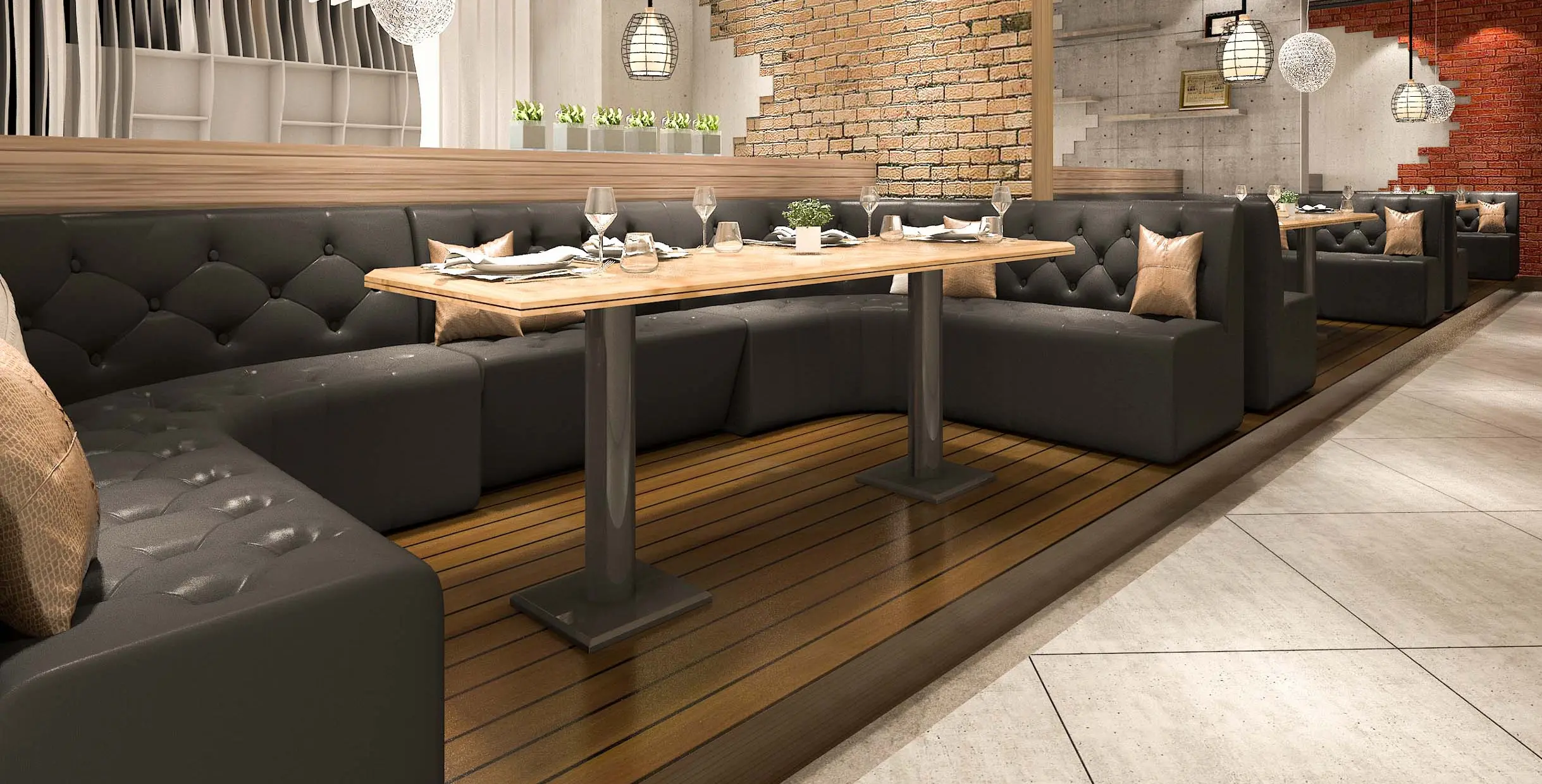
1. Why Wholesale? The Financial & Operational Advantage
Choosing a wholesale buying model for your ហាងកាហ្វេ offers compelling benefits beyond simple per-unit cost reduction.
- Substantial Cost Savings: Eliminating retail markups can save 20-40% on your total seating budget, allowing for higher-quality materials or a larger overall project scope[¹].
- Unmatched Customization: Wholesale manufacturers typically offer extensive customization—exact dimensions, fabric choices, finish details—enabling a perfect fit for your unique space and concept.
- Consistent Quality & Branding: Sourcing all booths from a single manufacturer guarantees uniformity in build quality, finish, and color, which is essential for professional brand presentation.
- Direct Technical Support: Working directly or through a dedicated wholesale account often provides access to better technical support for layout planning and specification details.
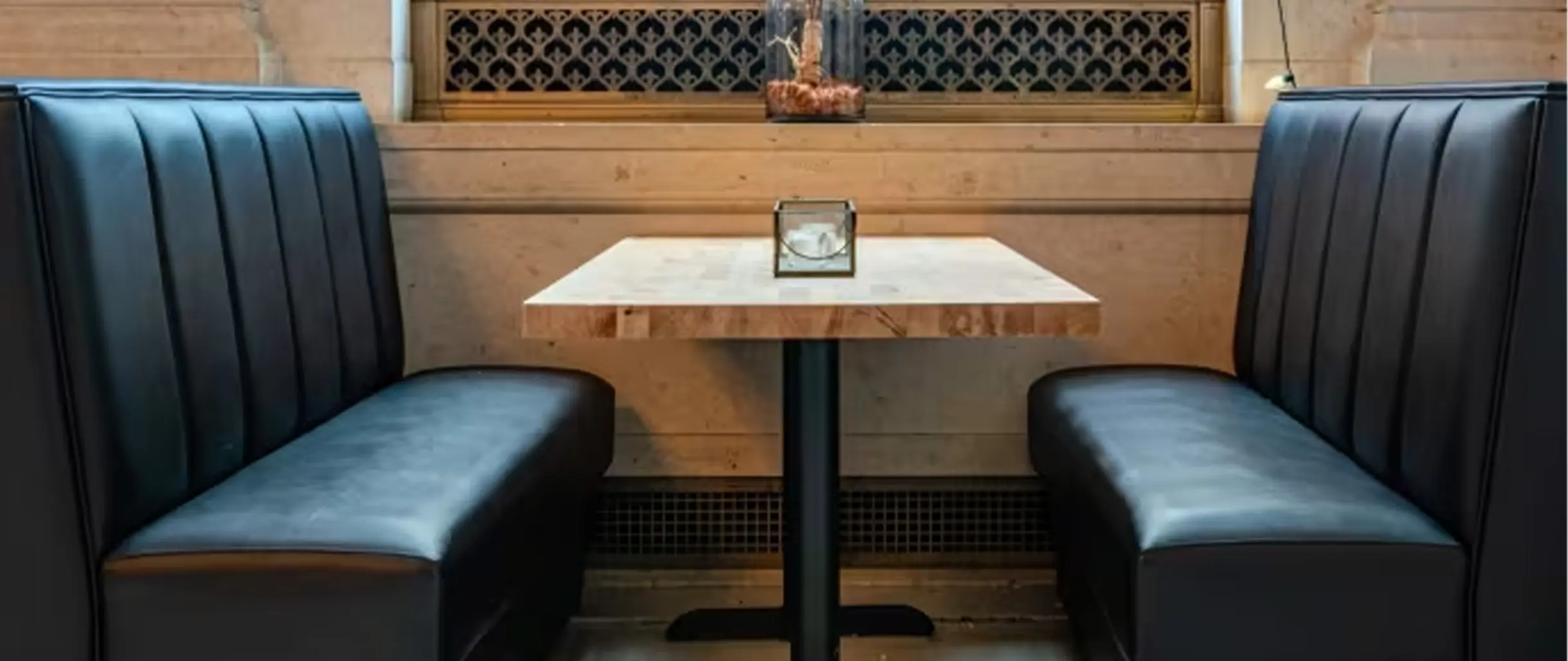
2. Step 1: Define Your Needs – Measurements, Layout & Style
Precision in planning prevents costly errors. Before contacting suppliers:
- Create a Detailed Floor Plan: Use CAD software or a precise sketch. Mark all immovable objects (outlets, columns, doors). Define clear walkways (minimum 36 inches for service aisles).
- Determine Booth Specifications: For each booth, decide:
- វិមាត្រ៖ Length, back height, seat depth (standard is 20-22”), and seat height (typically 18”).
- ការកំណត់រចនាសម្ព័ន្ធ៖ 2-seat, 3-seat, corner units, or continuous banquettes.
- ការរួមបញ្ចូលតារាង៖ Will tables be attached, freestanding, or built-in? This affects the booth base design.
- Establish Your Style Direction: Are you aiming for modern, classic, industrial, or cozy? This guides material choices like upholstery, leg finishes, and back panel details.
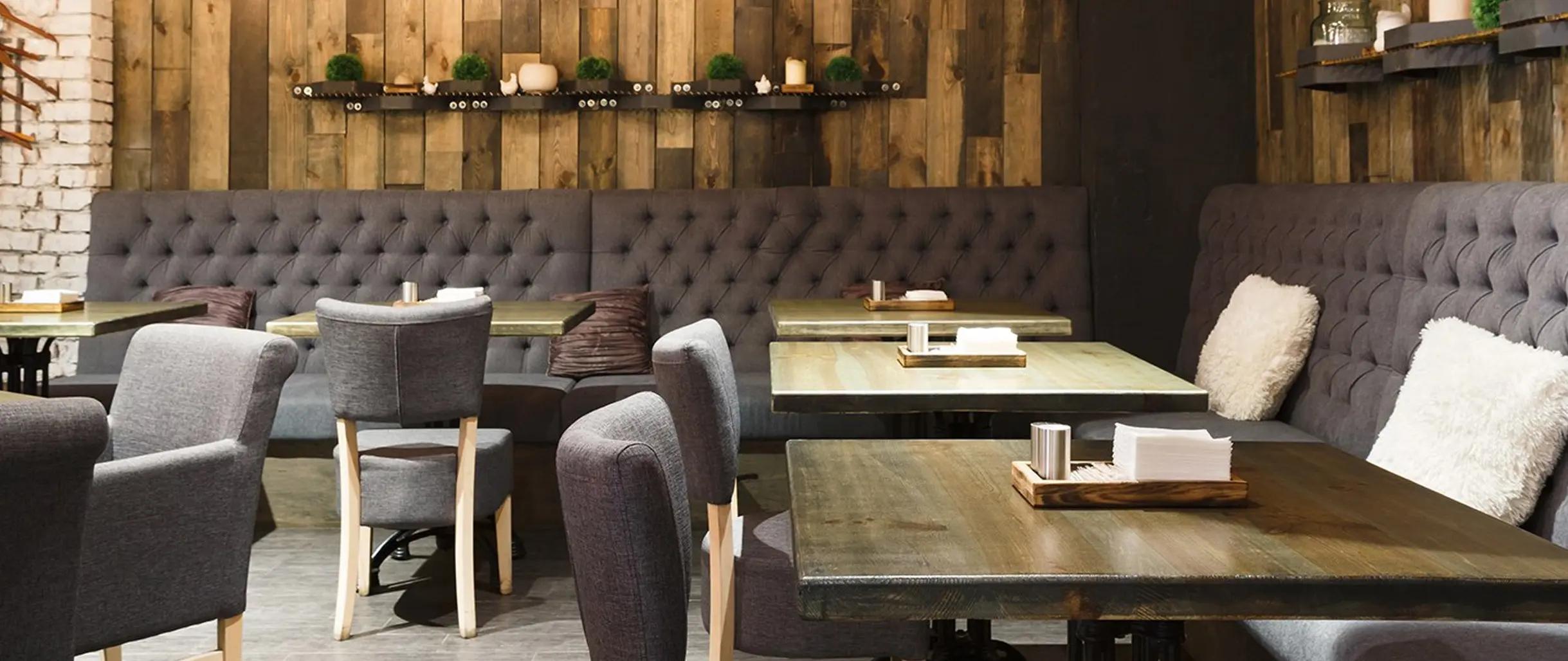
3. Step 2: Evaluate Materials & Construction for Commercial Durability
In a wholesale context, understanding what you’re paying for is critical. Commercial booths must withstand constant use.
| សមាសភាគ | What to Look For (Commercial Grade) | ទង់ក្រហមដើម្បីជៀសវាង |
|---|---|---|
| ស៊ុម | Kiln-dried hardwood (oak, maple) or industrial plywood. Steel reinforcement in high-stress areas. | Particle board, MDF, or undersized softwood framing. |
| ការផ្អាក | No-sag sinuous wire springs (8- or 9-gauge) or high-resiliency rubber webbing. | Cheap “drop-in” coil springs or elastic webbing that sags quickly. |
| ស្រោមពូក | High-density foam (1.8 lb/ft³ minimum). Molded, seamless foam cores prevent lumping. | Low-density foam that compresses permanently within months. |
| ស្រោមពូក | Commercial contract fabric (50,000+ double rubs), antimicrobial vinyl, or performance leather. | Residential-grade fabrics or thin vinyls that tear and stain easily. |
| មូលដ្ឋាន & ជើង | Solid wood or metal legs with adjustable glides for floor leveling. A solid, closed base is easier to clean. | Flimsy plastic caps, unfinished wood bases that snag mops. |
| ប្រភេទអ្នកផ្គត់ផ្គង់ | គុណសម្បត្តិ | គុណវិបត្តិ | ល្អបំផុតសម្រាប់ |
|---|---|---|---|
| ក្រុមហ៊ុនផលិតផ្ទាល់ | Best pricing, maximum customization, direct quality control, dedicated project support. | Higher Minimum Order Quantities (MOQs), longer lead times for custom work. | Multi-unit chains, large projects, unique design specifications. |
| អ្នកចែកចាយលក់ដុំ | Lower MOQs, access to multiple brands, faster shipping on stocked items. | Less customization, a markup is added, potential for less technical expertise on specific products. | Smaller cafes, projects using standard sizes and fabrics. |
5. Step 4: Space & Style Integration: Coordinating Booths, Tables, and Chairs
A successful dining area relies on harmony between all elements. Your wholesale booth purchase should be planned in tandem with complementary តុភោជនីយដ្ឋាន និង កៅអីភោជនីយដ្ឋាន. Here’s a coordination guide for common cafe styles:
| រចនាប័ទ្មហាងកាហ្វេ | លក្ខណៈបូតុង | Recommended Table Pairing | Recommended Chair Pairing (for open floor) |
|---|---|---|---|
| តូចតាចទំនើប | Low-profile, bench-style booths in leather or neutral fabric. Clean lines, often wall-mounted. | Sleek, thin-profile tables: Pair with our Aura Series tables with slim metal bases for an airy feel. | កៅអីចំហៀងទំនើប៖ Choose minimalist chairs like the Moda Stacking Chair to maintain the clean aesthetic. |
| ជនបទឧស្សាហកម្ម | Booths with exposed wood frames, metal stud details, or distressed leather upholstery. | Solid wood or heavy metal tables: Our Forge Collection tables with cast iron bases provide perfect weight and texture. | Metal frame cafe chairs: The Metro Series chairs with enameled finishes complement the industrial vibe. |
| កក់ក្ដៅ & ចម្រុះ | High-back, deeply cushioned booths in plush velvet or patterned fabric for intimacy. | Mixed material tables: A Terra Series table with a wood top and metal base adds warmth and interest. | កៅអីសង្កត់សំឡេង៖ Use a few Curve Lounge Chairs at standalone tables to enhance the cozy, collected feel. |
| Bright & Scandinavian | Light-toned wood booth frames (oak, beech) with light grey or cream fabric cushions. | តុឈើស្រាល៖ Opt for natural finish tables like our Nordic Oak Table to keep the space bright and open. | Lightweight wood chairs: The Bistro Classic chair in beech or white finishes the fresh, airy look. |
គន្លឹះគាំទ្រ៖ នៅពេលបញ្ជា ហាងកាហ្វេលក់ដុំ, request finish samples (wood stain, metal powder-coat, fabric swatch) for your booth, table, and chair selections to ensure color and material harmony under your actual lighting conditions.
6. Step 5: The Smart Buyer’s Checklist – Questions to Ask Suppliers
Arm yourself with these questions to compare quotes accurately:
- “What is the exact MOQ, and does it apply to the total order or per style/color?”
- “Can you provide a detailed cut sheet or specification drawing for approval?”
- “What is the commercial warranty on the frame, springs, and foam? What does it cover?” (Look for 5+ years on structure).
- “What are the lead times for (a) standard catalog items and (b) fully custom orders?”
- “What are the payment terms?” (e.g., 50% deposit, 50% before shipment is standard).
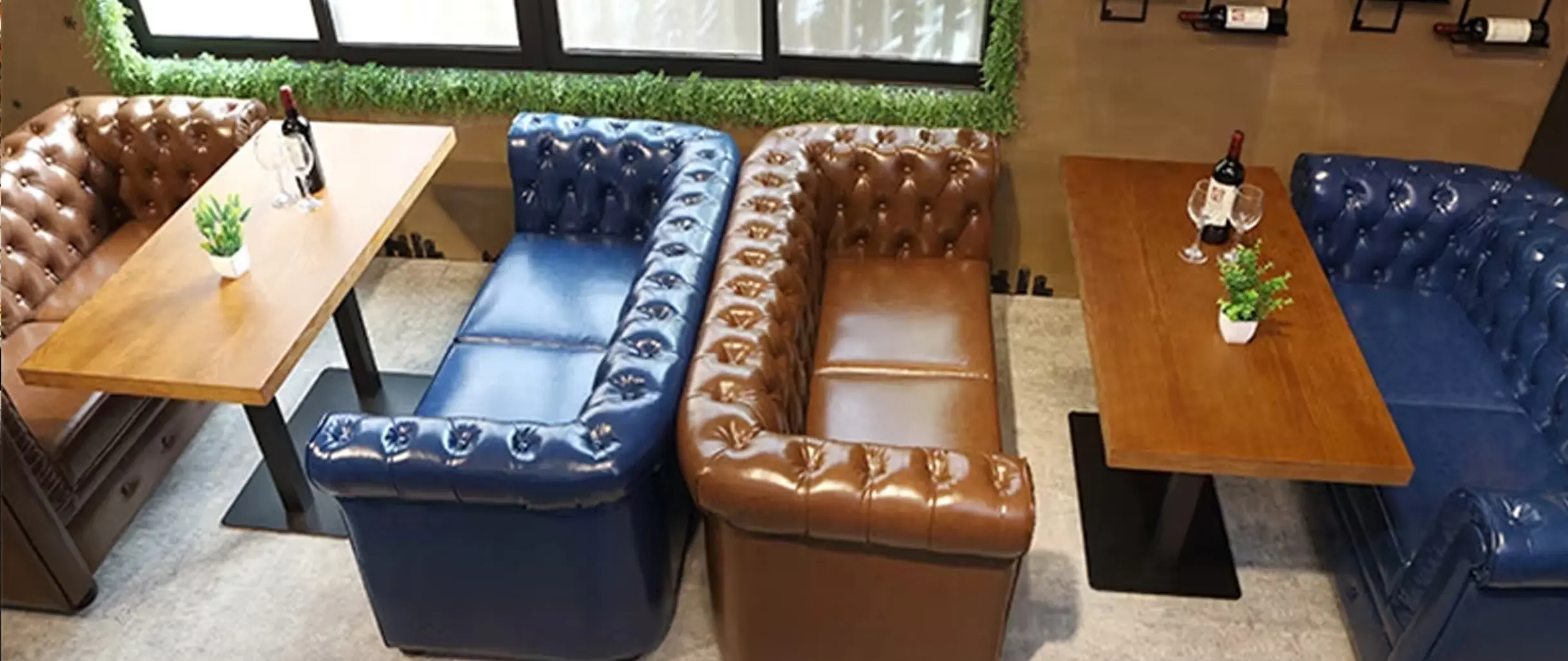
7. Step 6: Mastering Logistics, Installation & After-Sales
- Shipping & Logistics: Clarify who arranges freight (FOB vs. CIF terms). Factor shipping costs into your total budget. Ensure the supplier uses professional packing to prevent transit damage.
- ការដំឡើង៖ Determine if you need professional installers. Some wholesalers offer installation; others ship ready-to-assemble units with clear instructions.
- ពិធីការអធិការកិច្ច៖ Inspect every piece immediately upon delivery. Document any damage with photos and notify the supplier and freight carrier within the stipulated timeframe (usually 24-48 hours).
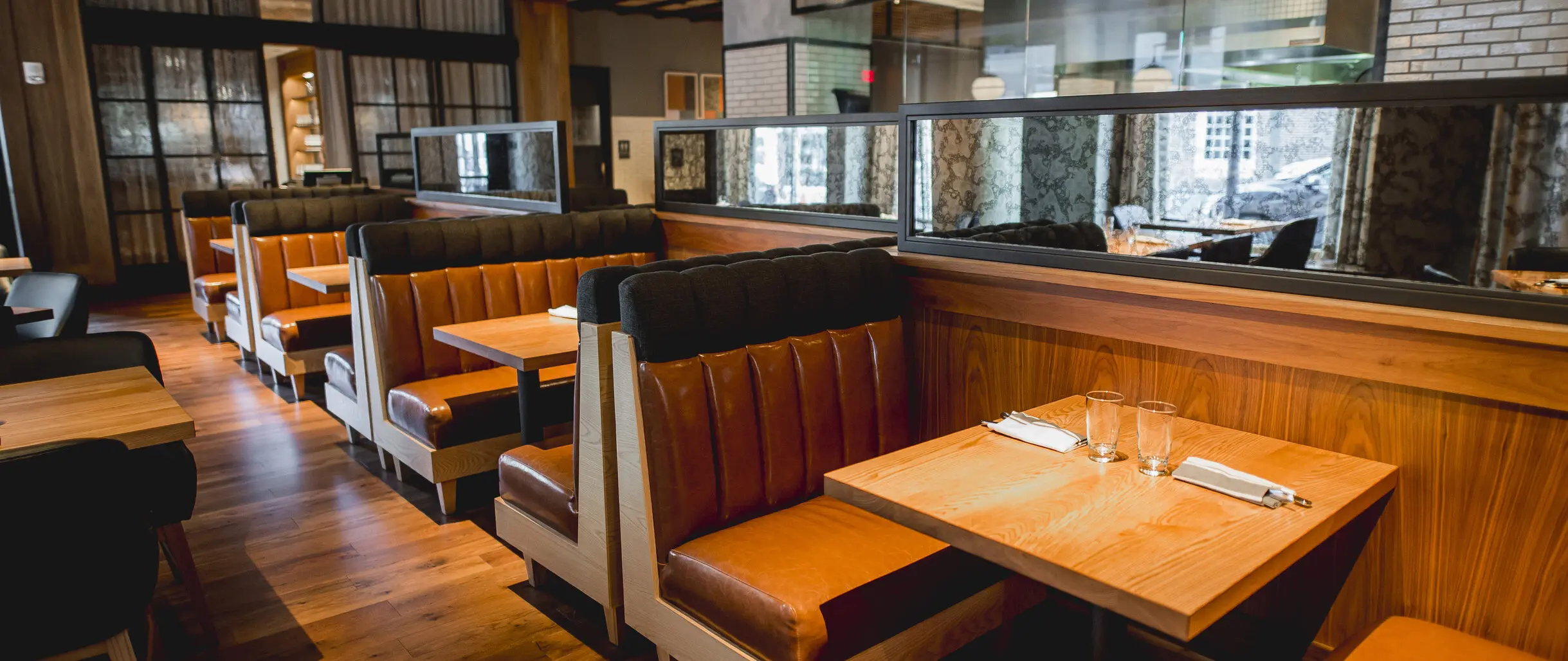
8. Conclusion: Partnering for Long-Term Success
ការទិញ ហាងកាហ្វេលក់ដុំ is a significant decision that lays the foundation for your customer experience for a decade or more. The “smart buy” isn’t just about the lowest initial price; it’s about Total Cost of Ownership—investing in quality construction that won’t need replacing, working with a partner who provides accurate specs and reliable support, and achieving a design that stays relevant.
This is where a partnership with a specialized manufacturer like MingMeng proves invaluable. We operate as your direct cafe booth wholesale manufacturer, eliminating intermediary margins and giving you control over every detail. Our process is built for trade professionals: we collaborate on space-optimized layouts, provide transparent specification sheets for all custom options, and back our products with robust commercial warranties. We transform the complexity of bulk purchasing into a streamlined, confident investment in your brand’s future.
Ready to execute a smart bulk purchase? Contact the Mingmeng wholesale team today to discuss your project, request detailed specifications, and receive a transparent, volume-based quote.
សំណួរគេសួរញឹកញាប់របស់អ្នកទិញលក់ដុំ
1. What is a typical MOQ for custom cafe booths?
It varies. Direct manufacturers may have MOQs starting at 8-10 booth units or a minimum total order value. Distributors may offer lower quantities but with less customization. Always confirm this first.
2. How long does production and shipping take for a wholesale order?
For in-stock fabrics and standard sizes, plan for 6-8 weeks. For fully custom orders involving unique fabrics, dimensions, or finishes, a 10-14 week timeline from deposit to shipment is standard. Always add 1-3 weeks for freight, depending on destination.
3. Can I supply my own fabric (COM) for a wholesale order?
Most reputable manufacturers will accept Client’s Own Material (COM). They will specify the required yardage (plus waste factor) and may have a fabrication fee. Be aware that the warranty often applies only to the labor and frame, not the COM fabric itself.
4. How do we handle repairs or damage down the line?
A quality supplier will provide a ការធានា covering manufacturing defects. For accidental damage, inquire if they sell replacement parts (like cushion cores) or offer re-upholstery services. Choosing a supplier who is likely to be in business for the long term is crucial for this support.
5. Are there hidden costs in a wholesale quote?
A professional quote should be all-inclusive: materials, labor, and standard packaging. Ensure you clarify: Tooling charges (for unique patterns, usually one-time), Shipping costs (FOB factory or delivered), Installation fees (if offered), and Sales Tax. A transparent supplier will list these clearly.
Footnotes:
[¹] Cost-saving estimates are based on comparative analysis between retail list prices and direct manufacturer wholesale pricing for equivalent quality specifications in the contract furniture sector, as observed in 2025 market data. Actual savings may vary based on order volume, material selection, and geographic factors.
[²] The “double rubs” test (ASTM D4157) is the standard measure for abrasion resistance in upholstery fabrics. 50,000 double rubs is generally considered the minimum for light commercial use, with 100,000+ recommended for high-traffic settings.


