
 English
 中文
 日本語
 한국어
 العربية
 Русский
 Português
 Türkçe
 हिन्दी
 Tiếng Việt
 ไทย
 Indonesia
 Melayu
 ខ្មែរ
 ລາວ
 မြန်မာ
 Afrikaans
 Hausa
 Igbo
 Sesotho
 isiXhosa
 Yorùbá
 isiZulu
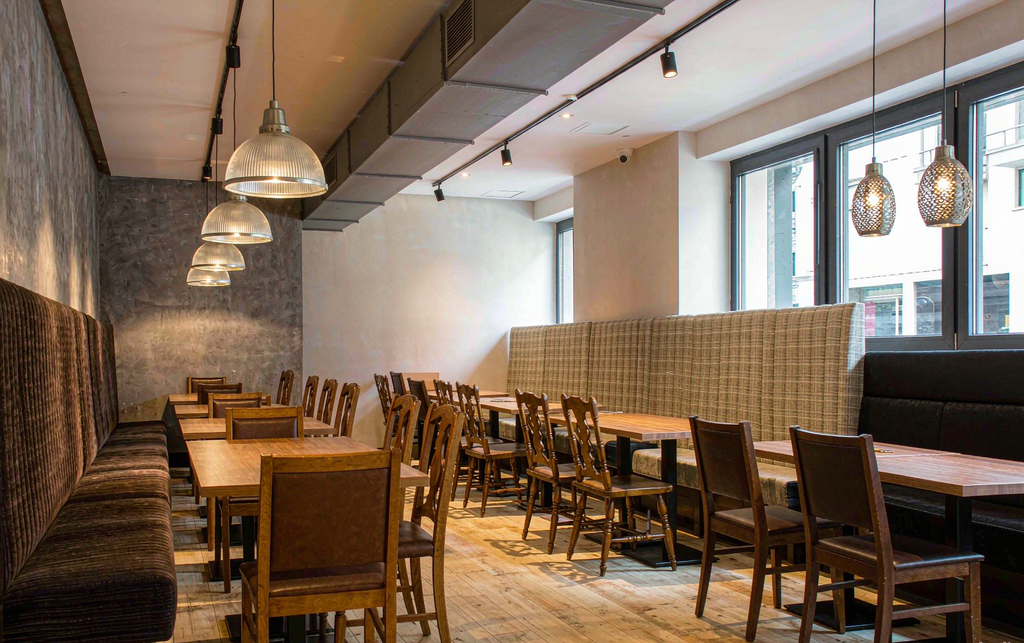
ពាណិជ្ជកម្ម គ្រឿងសង្ហារឹមថ្នាក់ and residential furniture can look almost identical in a product photo. Same silhouette, same color, similar price once the discount is applied. That is exactly why the comparison misleads so many restaurant owners: on paper, the home version of a chair seems like a bargain.
The real differences sit inside the frame, the foam, the joints, and the test standards, and none of them show up in week one. A restaurant seat serves 40 to 100 different people a day, gets wiped down with chemicals every night, and gets dragged across the floor between services. Furniture designed for a living room was never built for that schedule. These are the seven differences that decide whether furniture survives in a restaurant.
The Reason This Comparison Is Hard
Photographs hide everything that matters. A welded steel frame and a stapled softwood frame photograph the same. High-density foam and budget foam look identical through upholstery. The only honest way to compare is to ignore the image and interrogate the construction, which is what the next six sections do.
Difference 1: The Frame
The frame is the skeleton, and it is the first place the two grades part ways.
How the Joinery Differs
Residential chairs rely on wood screws, staples, and glue, which is fine when a chair is sat on a few times a day. Commercial frames use fully welded steel or heavy-gauge aluminum, or kiln-dried hardwood with mortise-and-tenon or dowel joinery reinforced with corner blocks.
The distinction matters because a restaurant chair is not merely sat on. It gets leaned back on, dragged, stacked, clipped by bus carts, and occasionally tipped. A glue joint rated for gentle domestic use opens up within months under that treatment.
របៀបផ្ទៀងផ្ទាត់វា។
Ask for the frame material and joining method in writing. Manufacturers who build for hospitality answer without hesitation; vague phrases like “solid construction” are a reason to keep looking.
Difference 2: Foam Density and Material Thickness
Two chairs can claim “the same” material at completely different weights.
The Density Figure to Demand
Commercial seating typically specifies seat foam at 2.0 lb/ft³ (32 kg/m³) or above, which rebounds after compression. Residential foam feels plush on day one and flattens into a hard pan within a year of restaurant use. Guests never complain about a sunken cushion; they simply leave sooner and stop coming back.
Where Else the Thickness Shows
The same logic runs through the rest of the build: thicker tubing in legs and rails (residential steel often runs 1.0 mm wall thickness, commercial equivalents 1.2 to 1.5 mm or more), and upholstery engineered for daily cleaning with commercial products rather than an occasional vacuum.
Difference 3: Load Rating and Testing

Residential furniture is typically rated around 200 to 250 lb (90–113 kg). Commercial grade furniture is engineered for 300 lb (136 kg) or more, and the rating is backed by cyclic testing rather than a single static load.
What BIFMA Testing Actually Covers
The industry benchmark is the BIFMA suite: tens of thousands of load cycles on the seat, backrest durability, drop tests, frame twist. Passing BIFMA does not make a chair comfortable. It makes it survivable.
What to Ask the Supplier
Request the standards a product was tested against and the documentation itself, not just the claim on the sales page. A factory that tests will produce reports; one that does not will talk about quality in adjectives.
Difference 4: Surface Finishes
A residential finish assumes a stable indoor climate. A restaurant finish assumes steam, grease, cleaning chemicals, and in some zones, outdoor exposure.
Commercial manufacturing uses powder coating on metal and multi-stage sealing on wood, with electrocoating (cataphoresis) under the powder on moisture-exposed parts. These finishes resist chipping when a chair knocks a table leg and hold up to alcohol-based sanitizers. Spray paint and single-coat lacquer, common at the residential end, chip and cloud under identical conditions.
Difference 5: Upholstery Performance

Style-led buyers get burned here most often. A velvet that stuns in a residential showroom can pill, stain, and delaminate in a restaurant within a season.
The Three Numbers That Matter
- Abrasion resistance: above 100,000 double rubs for heavy-duty hospitality use
- Cleanability: tolerance of repeated commercial cleaning agents, including bleach-based ones in some venues
- Fire safety: CAL 117, BS 5852, or EN 1021 compliance depending on the market
Where Style and Durability Meet
This is why vinyl and high-performance fabrics dominate restaurant seating even when they cost more per meter. Our green velvet dining chair with arms pairs a hospitality-spec fabric with the look fine-dining rooms want.
Difference 6: Warranty Terms
Warranties are the manufacturer’s honest opinion of their own product. Residential coverage typically runs one to three years and excludes commercial use entirely: put that furniture in a restaurant and the warranty is void from day one.
Commercial grade furniture carries terms written for business use, commonly 3 to 5 years on frames for hospitality applications. The longer term is not generosity. It reflects confidence that the product was built and tested for exactly this workload. When comparing quotes, read the exclusions before the price. “Not for commercial use” is the sentence that matters.
Difference 7: Total Cost Over Five Years
| / | Residential-grade set | Commercial-grade set |
| តម្លៃដើម | ទាបជាង | ខ្ពស់ជាង |
| Realistic life in a restaurant | 1-3 ឆ្នាំ។ | 5-10+ ឆ្នាំ។ |
| Cost per year of service | ខ្ពស់។ | ទាប |
| Mid-term appearance | Visible wear, sagging foam | Holds its look with basic care |
| Warranty in commercial use | មោឃៈ | គ្របដណ្តប់ |
A restaurant replacing furniture every two or three years pays three times: the replacement itself, the downtime during refitting, and the impression a worn dining room leaves in reviews and repeat visits. Over a five-year horizon the commercial set usually costs less even when its sticker price is double.
Six Questions to Ask Before You Sign
- Frame: material, gauge or timber species, joining method, in writing
- Foam: the density figure, not just the words “high-density”
- Testing: BIFMA or equivalent, with documentation available
- Fabric: double-rub count and fire-safety compliance for your market
- Warranty: explicitly covering hospitality use, frame term stated
- Source: a factory producing for restaurants and hotels, not a reseller of home furniture
Working directly with a commercial furniture manufacturer makes each of these verifiable from the production line instead of a catalog, which is how we handle specifications on our project solutions page. If you want a second pair of eyes on a specification before signing, send it over; reviewing requirements is part of our daily work.