
 English
 中文
 日本語
 한국어
 العربية
 Русский
 Português
 Türkçe
 हिन्दी
 Tiếng Việt
 ไทย
 Indonesia
 Melayu
 ខ្មែរ
 ລາວ
 မြန်မာ
 Afrikaans
 Hausa
 Igbo
 Sesotho
 isiXhosa
 Yorùbá
 isiZulu
Choosing the right restaurant tabletop materials is one of the most critical decisions for any restaurant owner — because your tabletop isn’t just a surface, it’s the centerpiece of every guest experience. Custom Restaurant Furniture isn’t just about matching chairs and tables — it’s about creating an atmosphere that tells your restaurant’s story.
When choosing materials for your គ្រឿងសង្ហារឹមភោជនីយដ្ឋានផ្ទាល់ខ្លួន, you’re not simply picking what looks nice — you’re making a business decision that affects comfort, maintenance, and longevity. A warm oak top conveys authenticity; a polished sintered stone surface shows elegance and refinement. At គ្រឿងសង្ហារឹម MingMeng, we’ve guided countless restaurant owners through this process, helping them select tabletop materials that are not only beautiful but built for years of service.

1. Solid Wood: The Soul of Authentic Dining
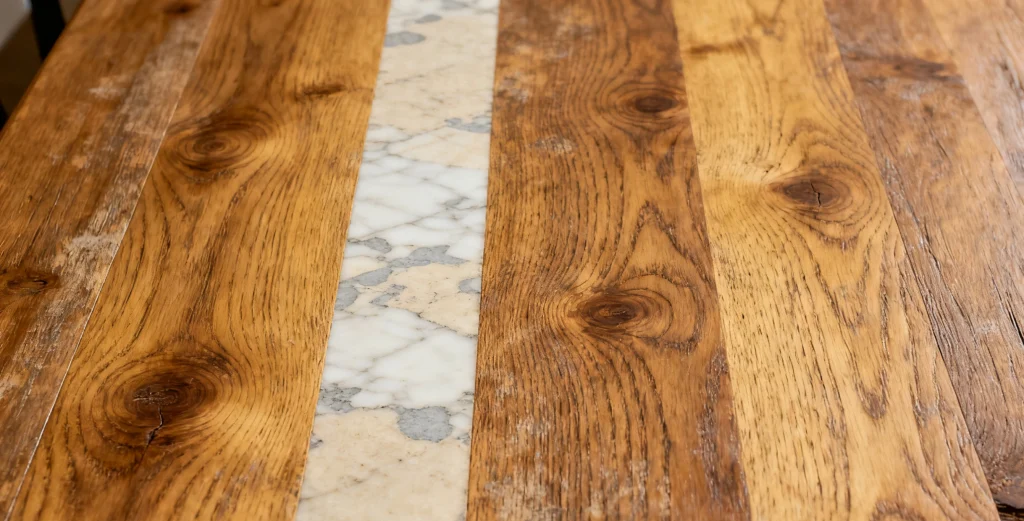
If you want warmth, nothing compares to a wood restaurant table. When a guest runs their hand across a solid oak or walnut top, they feel authenticity — the kind that can’t be replicated with laminate prints.
Many of our clients — from small bistros to Michelin-level restaurants — choose solid wood for its character and longevity. It ages gracefully, developing a soft patina that tells the story of every meal shared.
Why owners love it:
- Creates an inviting, home-like atmosphere.
- Can be refinished instead of replaced.
- Each piece is unique — just like your restaurant.
Reality check: It does need care. Wood reacts to humidity, so we recommend sealing it every 6–12 months, especially if your restaurant has open-air seating.

“I used to think solid wood was high-maintenance,” says a client from Sydney. “But after five years, our oak tables still look better than the day we opened. Guests always compliment how natural they feel.”

2. Laminate: Practicality for Busy Restaurants
If your restaurant serves hundreds of customers daily, a laminate restaurant table can be your best ally. Laminate combines visual appeal with practicality — the look of marble or wood, without the maintenance.
It’s the top choice for cafés, casual dining spaces, and franchises that value durability and uniformity. Laminate tabletops in គ្រឿងសង្ហារឹមភោជនីយដ្ឋានផ្ទាល់ខ្លួន are budget-friendly, wipe-clean, and color-consistent — perfect when uptime matters more than luxury.
Why it’s smart:
- Easy to sanitize — one wipe and it’s spotless.
- Scratch-resistant and stain-proof.
- Countless finishes: matte, gloss, textured, or marble-look.

Pro tip: Don’t cut costs on the edges — a sealed edge prevents moisture damage and prolongs life. Mingmeng offers post-formed edges for a seamless, water-tight finish.
“For our chain cafés, laminate saved us weeks in maintenance time,” notes a restaurant manager in Chicago. “It’s practical, and with the right pattern, guests can’t tell it’s not wood.”
3. Sintered Stone & Quartz: Built for Luxury and Endurance
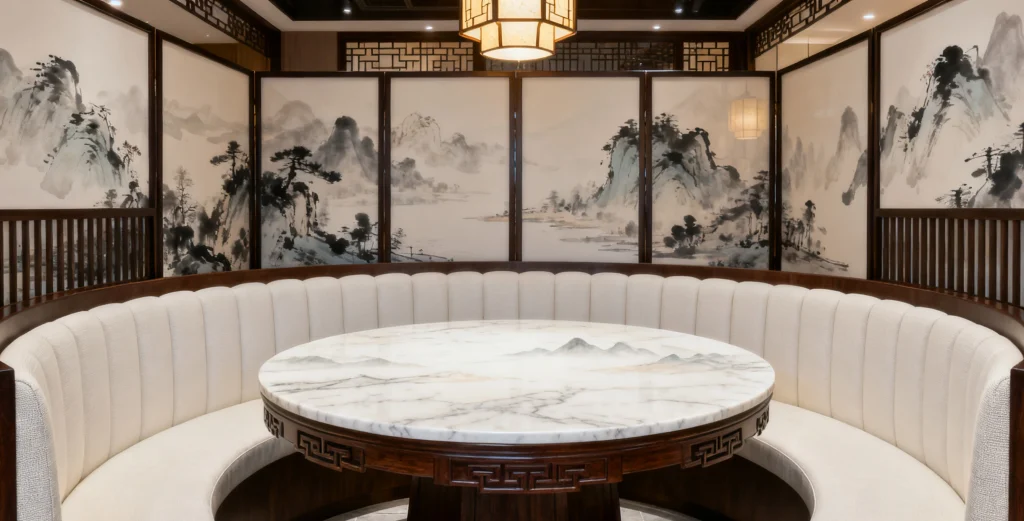
For fine-dining spaces that want a modern, premium aesthetic, the sintered stone restaurant table is unmatched.
This engineered surface combines elegance with performance — non-porous, heat-resistant, and stain-proof.
We’ve seen many upscale restaurant owners choose sintered stone after realizing how effortless cleaning becomes. Red wine, coffee, and oil stains simply wipe off — no stress, no polishing required.
Why it’s worth it:
- No sealing or maintenance required.
- Holds up under heavy daily use.
- Reflects light beautifully for a high-end look.
Caution: It’s heavier than laminate or wood, so pair it with a reinforced aluminum base.

From our project in Singapore: “We chose sintered stone for its clean, modern feel. Even after a year of service, the surface still shines like new.”
4. Metal, Glass & Mixed Materials: For the Bold and Modern
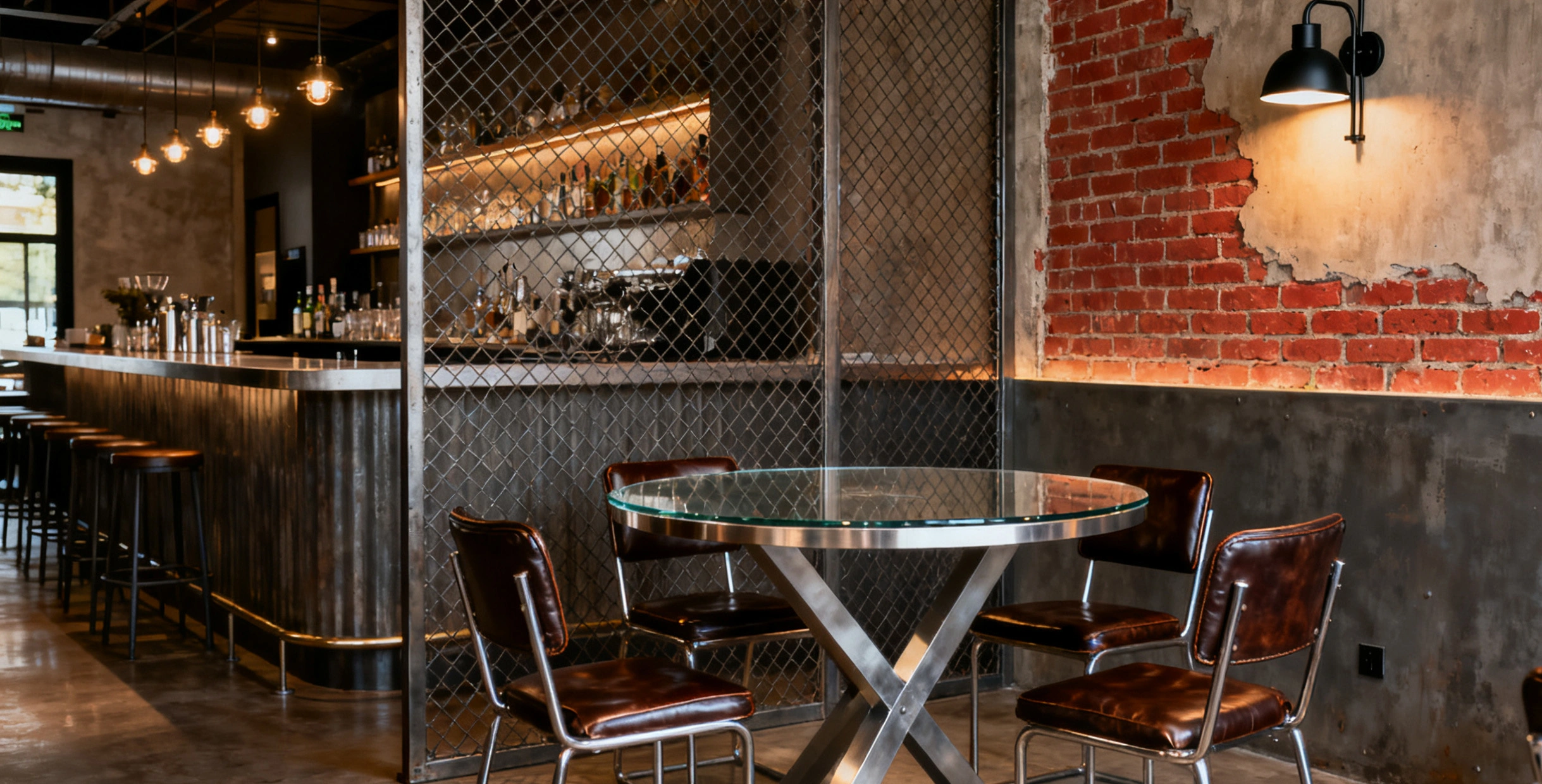
For restaurants that thrive on bold concepts and industrial chic, the metal restaurant table makes a statement.
A brushed brass frame with a walnut top exudes craftsmanship, while a smoked glass top introduces elegance and depth.
These combinations don’t just serve — they inspire. They’re ideal for bars, cocktail lounges, or open kitchens aiming for a distinctive identity.
Why owners choose them:
- Customizable frame shapes and edge profiles.
- Perfect for strong brand visuals or modern interiors.
- Reflective materials enhance lighting and ambience.
Design example: A wine bar in Melbourne paired black steel frames with dark walnut tops — now their tables feature in every customer photo on social media.
5. Balancing Budget, Maintenance & Restaurant Tabletop Materials for Your Brand
As a restaurant owner, you’re constantly balancing cost, durability, and aesthetic appeal. The perfect tabletop isn’t necessarily the most expensive one — it’s the one that matches your dining rhythm and customer expectations.
| Business Type | Recommended Tabletop | Maintenance Level | Visual Effect |
|---|---|---|---|
| Fine dining | Sintered stone / walnut | ទាប | Elegant, timeless |
| Casual café | Laminate / light oak veneer | ទាប | Warm, approachable |
| Bistro or wine bar | Solid wood | មធ្យម | Natural, tactile |
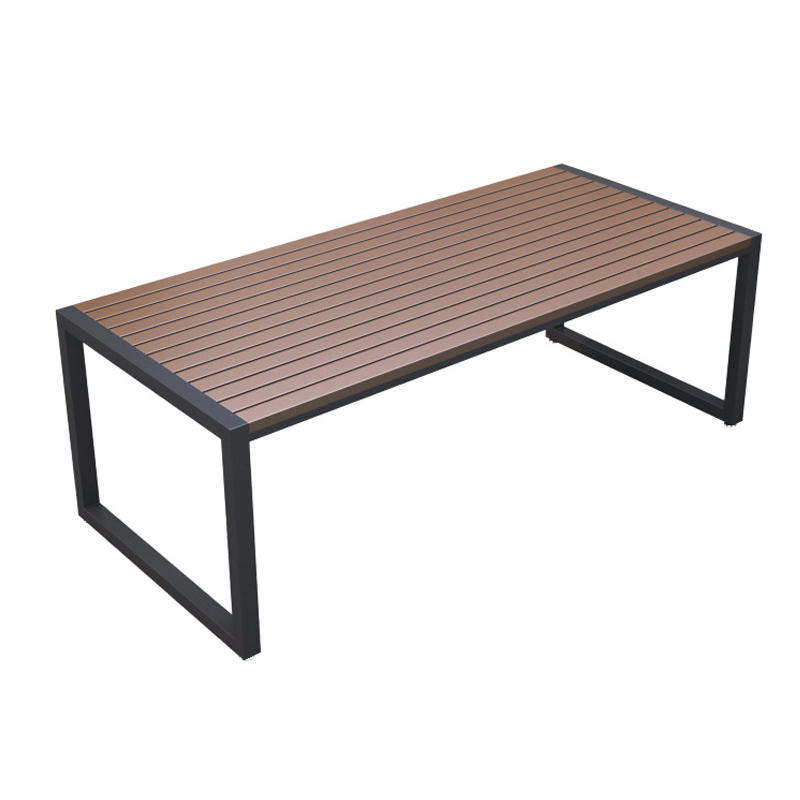
| Outdoor patio | Compact laminate / aluminum | Very low | Durable, weatherproof |
Owner insight: Think about how guests interact with your tables. Are they there for a 20-minute lunch or a 3-hour wine dinner? That determines which material truly fits your restaurant.
6. Why Customization Matters More Than Ever
Buying ready-made furniture might seem convenient, but គ្រឿងសង្ហារឹមភោជនីយដ្ឋានផ្ទាល់ខ្លួន ensures your space feels uniquely yours.
Custom tables allow you to tailor every element — from table height to edge curvature, stain tone, and texture — details that make your restaurant feel intentional, not generic.
Mingmeng’s design process starts with one question: “What kind of experience do you want your guests to have?”
From there, every design choice — from materials to finishes — is made with purpose.
“We didn’t just buy tables,” says a client from Toronto. “We built part of our restaurant’s identity.”
7. Practical Tips Before You Order
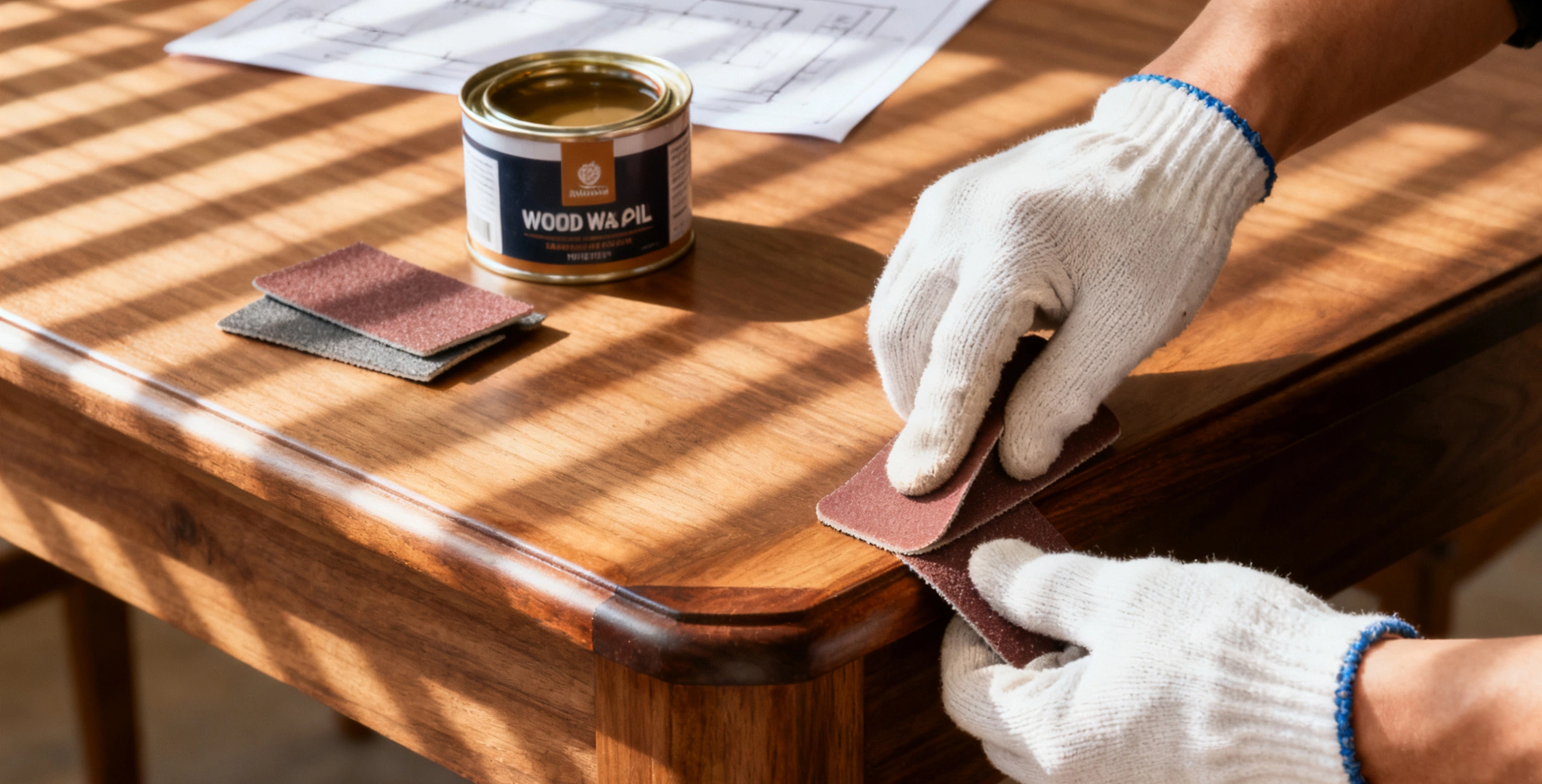
- Ask for samples. Touch and test finishes under your actual restaurant lighting.
- Plan for maintenance. Involve your staff — they know what survives busy service.
- Measure accurately. Leave at least 90 cm between tables for comfort.
- Request drawings. A professional supplier (like Mingmeng) provides 3D layouts before production.
Small steps now prevent big regrets later.For commercial durability benchmarks, refer to BIFMA International contract-grade furniture standards.
Q: What is the most durable tabletop material for a high-traffic restaurant?
Sintered stone and compact laminate are the top choices for high-traffic durability. Sintered stone is non-porous, heat-resistant, and virtually scratch-proof — ideal for fine dining or busy service environments where spills and heat exposure are constant. Compact laminate offers similar resilience at a lower price point, with hundreds of finish options to match any interior style. Both materials require minimal maintenance compared to solid wood or glass.
Q: Is solid wood suitable for commercial restaurant use?
Yes — with the right preparation. At Mingmeng, we use kiln-dried hardwood with a commercial-grade oil or polyurethane seal on all solid wood tabletops. This significantly reduces warping and moisture damage in busy restaurant environments. We recommend resealing every 6–12 months, especially for open-air or high-humidity spaces. Many of our clients in Australia and Singapore have used solid wood tabletops for 5+ years with minimal refinishing needed.
Q: What’s the weight difference between sintered stone and laminate tabletops?
Sintered stone is considerably heavier — typically 18–22kg for a standard 70×70cm tabletop, compared to 6–9kg for the same size in compact laminate. This is why we always recommend pairing sintered stone tops with reinforced aluminum or heavy-gauge steel bases. For outdoor or rooftop dining where floor load matters, laminate or aluminum composite tops are the more practical choice.
Q: Can I mix different tabletop materials across zones in the same restaurant?
Absolutely — this is actually a common design strategy we recommend to many clients. A typical approach is sintered stone for VIP or window-facing tables (where the premium finish is most visible), laminate for the main dining floor (easier maintenance under high turnover), and solid wood for bar counters or feature areas. Visual consistency is maintained through matched table bases, leg finishes, and upholstery tones across all zones.
Q: What’s the MOQ and lead time for custom restaurant tabletops from Mingmeng?
Our MOQ for custom tabletops starts at 10–20 units per design, depending on material selection and customization complexity. This ensures we can maintain stable production efficiency while supporting both boutique restaurant projects and large-scale hospitality rollouts.
Standard lead time is typically 15–30 days after order confirmation, covering material preparation, fabrication, finishing, and quality inspection. For more complex specifications — such as special edge profiling, custom colors, or mixed-material designs — production may extend slightly to ensure precision and consistency.
For multi-location restaurant chains, we also offer staggered production schedules and batch shipping, helping clients coordinate installation across different sites smoothly and on time.
Need Professional Help?
Choosing the right tabletop isn’t about following trends — it’s about designing a space that feels right for your customers and works for your business.
Every material — wood, laminate, stone, or metal — tells part of your restaurant’s story.
If you need expert guidance on selecting materials or customizing your next project, our design team is ready to help.
📞 ទំនាក់ទំនង MingMeng Furniture for one-on-one consultation and professional recommendations.
👉 Email: eiko@mingmeng07.com
👉 Website: https://www.mingmeng07.com/
Let’s build dining spaces that look exceptional and last for years.