

 English
 中文
 日本語
 한국어
 العربية
 Русский
 Português
 Türkçe
 हिन्दी
 Tiếng Việt
 ไทย
 Indonesia
 Melayu
 ខ្មែរ
 ລາວ
 မြန်မာ
 Afrikaans
 Hausa
 Igbo
 Sesotho
 isiXhosa
 Yorùbá
 isiZulu
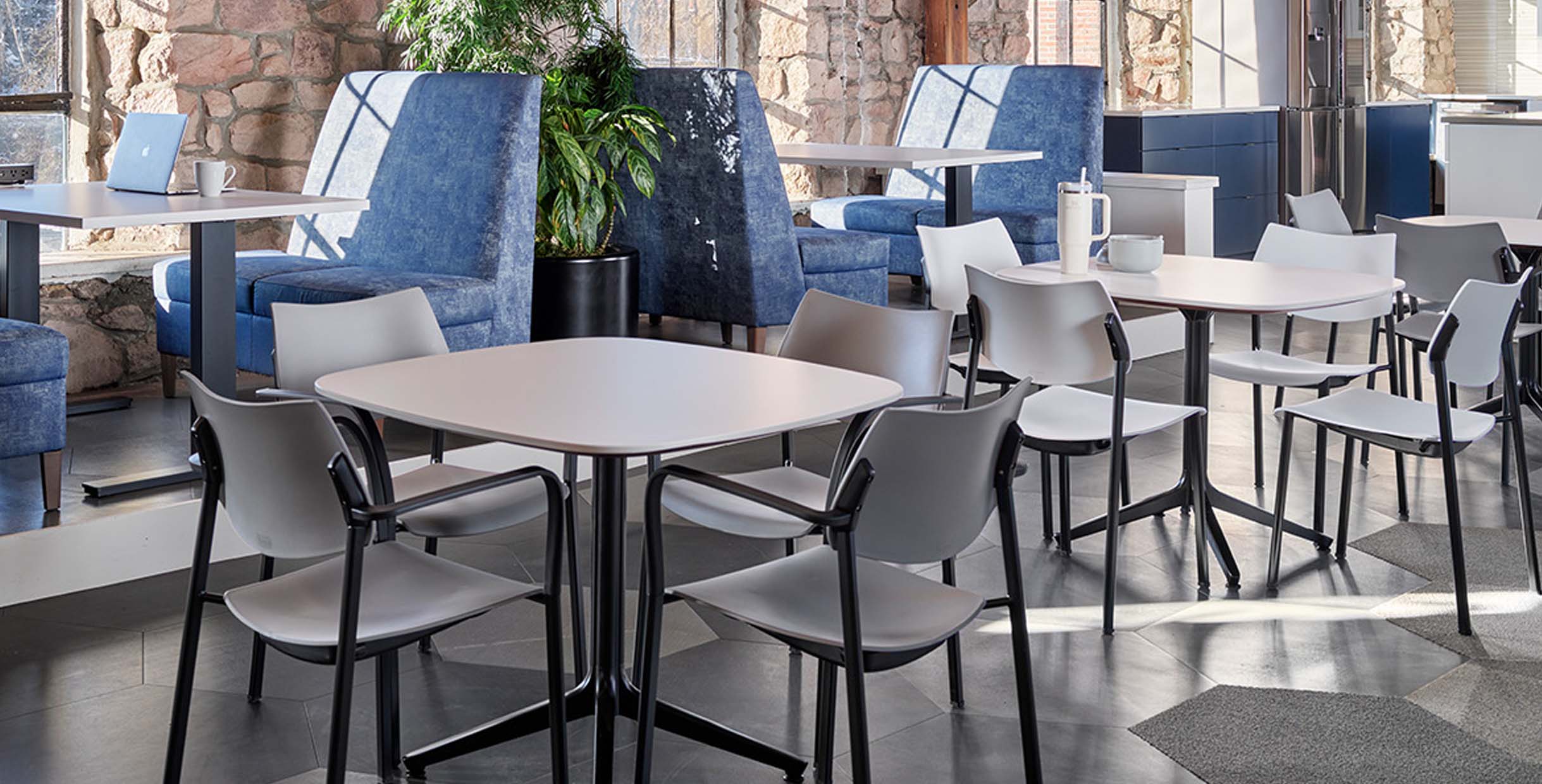
Restaurant tables and chair aren’t just pieces of furniture—they are silent influencers of your guests’ behavior. From how long diners linger to how much they order, every detail of your seating setup plays a role in shaping the dining experience.
According to a Cornell Hospitality Research study (2023), seating comfort and layout can increase average check size by 12–18%. That means the right design choices can directly boost your bottom line.

First Impressions Matter
When a guest walks in, their first interaction isn’t with the menu or staff—it’s with the atmosphere. Tables that feel stable, chairs that look inviting, and a layout that flows naturally all create a subconscious promise: this is a place where you’ll want to stay.
Comfort vs. Turnover
One of the biggest questions for operators is: do you want guests to linger or leave quickly?
- Plush upholstered chairs encourage long conversations and multiple course orders.
- Minimalist wooden side chairs promote quicker turnover, ideal for busy lunch hours.
- Booth seating provides privacy and comfort, often leading to longer stays and higher bills.
📊 Impact of Seating on Guest Behavior
| ប្រភេទកន្លែងអង្គុយ | Avg. Dwell Time | Avg. Spend per Guest | Best Fit For |
|---|---|---|---|
| Side Chairs (Wood/Metal) | 45–60 mins | $$ | Casual dining, fast turnover |
| Upholstered Chairs | 90+ mins | $$$$ | Fine dining, date nights |
| ស្តង់ | 75–120 mins | $$$ | Family dining, group meals |
| លាមករបារ | 30–45 mins | $$ | Quick service, social bars |
Space Planning and Flow
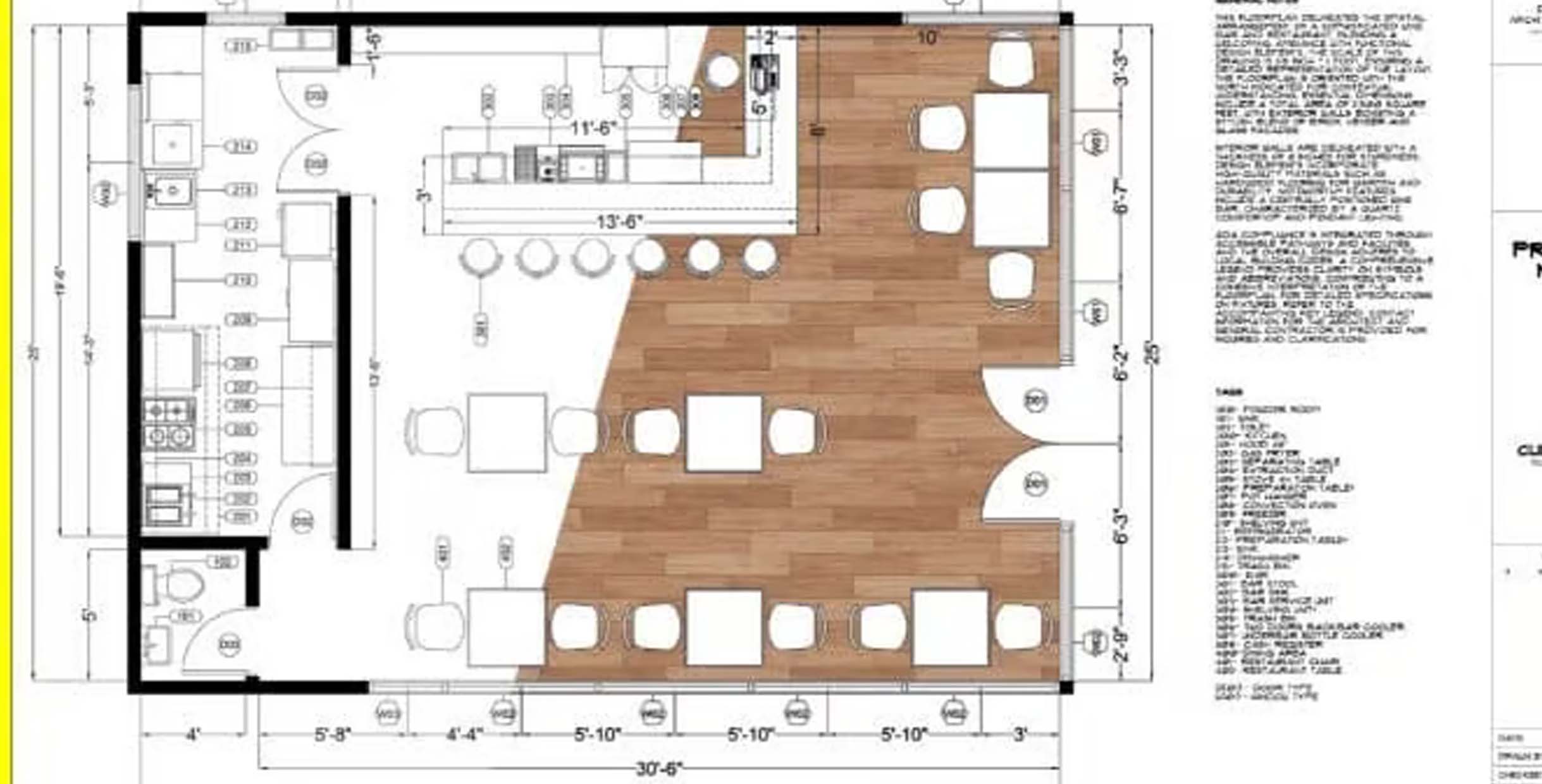
The distance between restaurant tables and chair setups affects not only comfort but also spending behavior.
- Tighter layouts increase covers but can reduce comfort and order size.
- Generous spacing (50–60 cm between chairs) improves guest satisfaction and increases the chance of dessert and drink orders.
Materials and Atmosphere
Different materials tell different stories:
- Solid wood → Warm, rustic, premium feel.
- Marble tops with cushioned chairs → Luxury dining, higher price perception.
- Metal-framed stackable chairs → Functional, casual, event-friendly.
A 2024 Deloitte consumer survey found that 72% of diners associated heavier, more solid chairs with higher quality food—even before ordering.
Psychological Influence on Spending
Guests don’t always realize it, but:
- Comfortable chairs reduce “time pressure,” leading to more orders.
- Round tables encourage sharing, increasing appetizer and bottle sales.
- Stable tables prevent irritation and encourage guests to stay longer.
Think of your furniture as silent salespeople—they either invite another cocktail or nudge guests out the door.
Practical Recommendations
- Match furniture style with target dwell time: fast casual ≠ fine dining.
- សាកល្បង restaurant tables and chair sets by actually sitting in them for 20 minutes.
- Ensure durability—commercial-grade chairs last 10–15 years, vs. 3–5 for residential quality.
- Use a mix: booths for families, armchairs for fine dining, side chairs for flexible seating.
📊 Recommended Furniture Mix by Restaurant Type
| ប្រភេទភោជនីយដ្ឋាន | ស្តង់ | កៅអី | Side Chairs | លាមករបារ |
|---|---|---|---|---|
| អាហារឆ្ងាញ់ | 40% | 40% | 20% | 0% |
| Family Casual | 50% | 20% | 30% | 10% |
| Fast Casual | 20% | 10% | 60% | 30% |
| Bar & Lounge | 0% | 20% | 20% | 60% |
Beyond Furniture: Service Integration
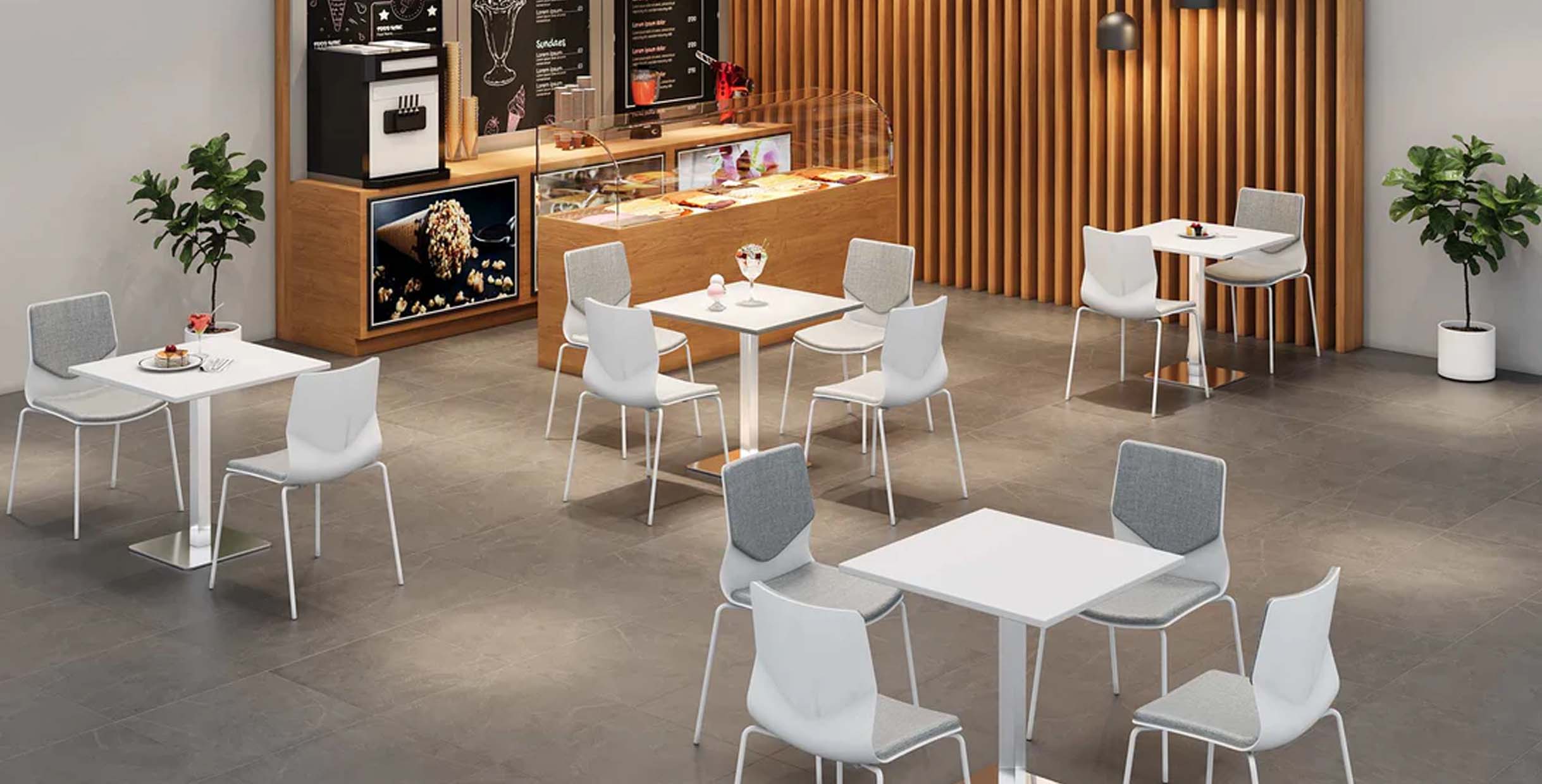
It’s not just the chairs themselves—it’s how they work with the entire service flow. Chairs that are too heavy slow down staff turnover. Tables that wobble create complaints. On the other hand, stackable or modular designs help operators adjust seating for peak hours or private events.
A Smarter Investment
Though higher upfront, contract-grade restaurant tables and chair setups deliver better ROI. Why?
- Lower replacement costs
- Consistent aesthetics across bulk orders
- Compliance with ASTM and BIFMA safety standards
Think long-term: a $150 chair that lasts 10 years is cheaper than a $70 chair replaced every 3 years.
គំនិត
របស់អ្នក។ restaurant tables and chair decisions aren’t just about design—they’re strategic investments shaping guest behavior and spending patterns. The right combination can increase dwell time, elevate brand perception, and ultimately, raise revenue without raising prices.


