
 English
 中文
 日本語
 한국어
 العربية
 Русский
 Português
 Türkçe
 हिन्दी
 Tiếng Việt
 ไทย
 Indonesia
 Melayu
 ខ្មែរ
 ລາວ
 မြန်မာ
 Afrikaans
 Hausa
 Igbo
 Sesotho
 isiXhosa
 Yorùbá
 isiZulu
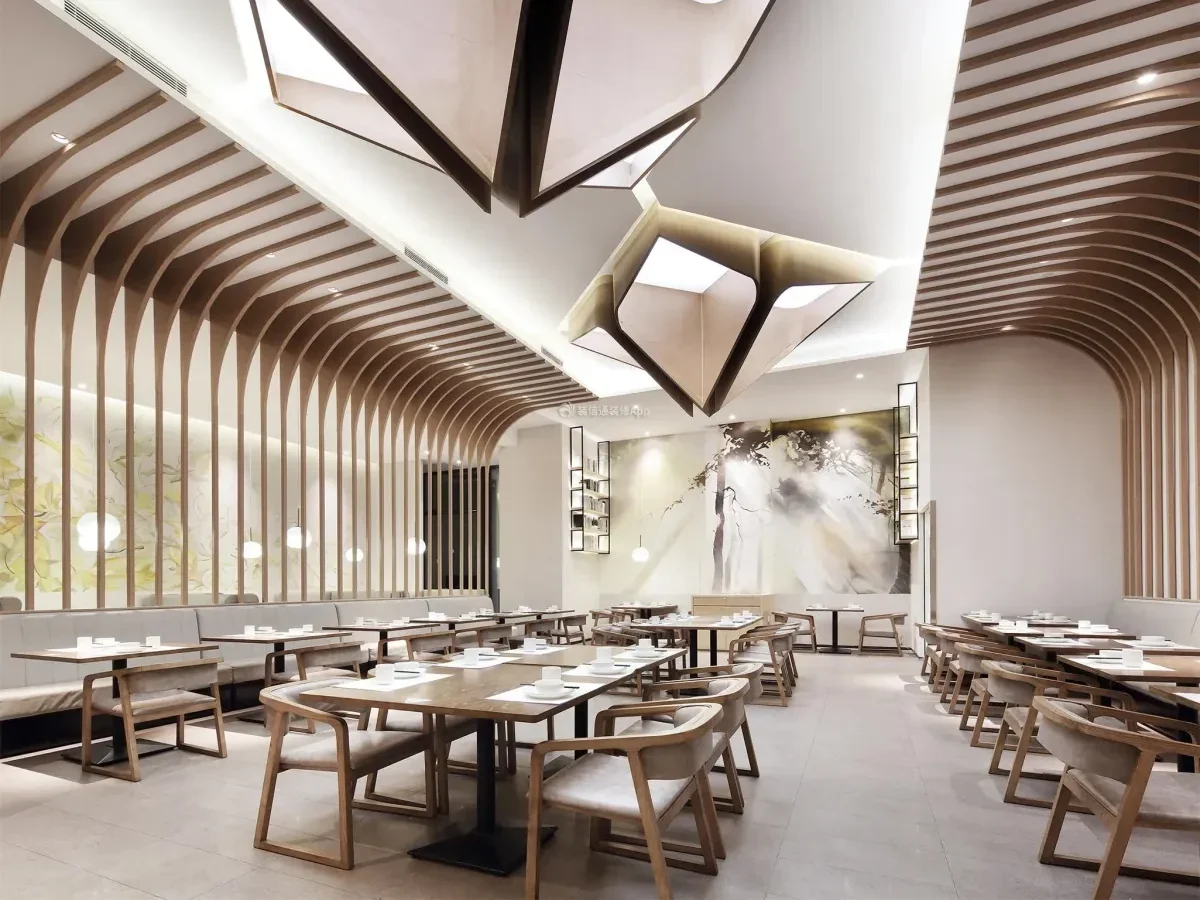
With the steady recovery of the global economy in 2024-2025, the catering industry has ushered in a strong rebound—data shows that over 83,000 new restaurants were registered worldwide in 2025 alone. The booming market demand has not only ignited a wave of catering entrepreneurship but also made the choice of “restaurant furniture” a core concern for operators. Today, more and more restaurants are no longer satisfied with off-the-shelf furniture and are turning to Custom Restaurant Furniture. Behind this trend is a profound shift in consumer demand: people are tired of uniform space layouts and are more eager to create dining environments with unique charm. But what are the advantages and disadvantages of custom and ready-made furniture? How to make the most suitable choice for yourself? Today, we’ll sort out the answers with simple language and real scenarios.
I. Core Differences at a Glance (2025 Updated Comparison Table)
| វិមាត្រប្រៀបធៀប | Custom Restaurant Furniture | Ready-Made Restaurant Furniture |
|---|---|---|
| អាដាប់ធ័រលំហ | 100% fits the space, solves irregular structures (sloped roofs, columns, stairwells, irregular corners, etc.) | Fixed size, only suitable for regular square spaces |
| ជម្រើសរចនាប័ទ្ម | Fully matches restaurant themes (internet-famous, retro, themed catering, niche design, etc.), based on modern style with diverse creative customization | Rich styles (Scandinavian, light luxury, Chinese, classic, industrial, etc.), wide selection but obvious homogenization |
| Environmental Performance | Can independently choose E0-grade panels, eco-friendly coatings, material and environmental standards are fully controllable, supporting the provision of test reports | Uneven environmental standards, some low-cost products may have risks of formaldehyde excess and substandard materials |
| វដ្តនៃការដំឡើង | Requires professional on-site measurement, custom production + installation, cycle about 7-15 days | Ready to use after unpacking, low installation risk, cycle only 1-3 days |
| កម្រិតផ្ទាល់ខ្លួន | Color, material, size, and structure can be flexibly adjusted, supporting exclusive designs such as integrating brand logos and theme elements | Only select from existing styles, no personalized adjustment space, difficult to reflect uniqueness |
II. Core Advantages of Custom Restaurant Furniture: Precisely Solving Practical Pain Points
- “Adaptation King” for Irregular/Small SpacesMany restaurants are located in old town shops, shopping mall mezzanines, or characteristic buildings, and their spatial structures are often irregular—such as protruding columns, low sloped roofs, or narrow, L-shaped, curved layouts. At this time, ready-made furniture cannot be perfectly adapted, but Custom Restaurant Furniture can be designed specifically: custom built-in booth sofas next to columns, create low cabinet-style dining tables that fit the height under sloped roofs, and plan built-in dining areas beside stairwells, so that every inch of space can be fully utilized, and “wasted corners” are a thing of the past.
- Create an Exclusive “Memory Point” for the RestaurantNowadays, when consumers dine, they not only value the taste of the dishes but also care about the spatial experience. A restaurant themed around retro market style can replicate retro wood grain tables + metal texture chair legs through Custom Restaurant Furniture; a restaurant focusing on minimalist aesthetics can customize solid-color one-piece tables and chairs + hidden storage design. This unique spatial design allows customers to quickly remember the brand and even take the initiative to take photos and share, forming natural dissemination.
- Dual Guarantee of Environmental Protection and PracticalityWhen customizing, you can directly specify high-quality materials such as E0-grade eco-friendly panels and formaldehyde-free coatings, and the merchant will provide corresponding environmental testing reports to avoid problems such as excessive formaldehyde from the source. At the same time, the size can be flexibly adjusted according to operational needs: small catering stores can customize narrow tables to increase table turnover rate, large restaurants can customize wide tables to enhance comfort, and multi-person dining areas can also design splicable tables and chairs, balancing practicality and flexibility.
III. Suitable Scenarios for Ready-Made Restaurant Furniture: A Pragmatic Choice for Quick Implementation
Not all restaurants are suitable for customization; ready-made furniture is more cost-effective in the following cases:
- Urgent opening: If the renovation period is tight, ready-made furniture can be installed immediately after unpacking, saving 7-10 days of customization time and helping to open for business quickly;
- Limited budget: Relying on large-scale production, ready-made furniture is 20%-30% cheaper than custom furniture, suitable for start-up small restaurants to control initial costs;
- Preference for classic styles: If the restaurant adopts popular mainstream styles such as minimalism and Scandinavian, the styles of ready-made furniture are sufficient to meet the needs without additional customization.
IV. A Practical Thought: Do You Value “Exclusive Adaptation” or “Efficiency and Convenience”?
In fact, the core of the choice is simple: if your restaurant has a special spatial structure, wants to create a unique brand style, or pursues long-term adaptability, Custom Restaurant Furniture is definitely the better choice; if you just want to open quickly, have a limited budget, and the space is regular without special needs, ready-made furniture can also meet the basic dining functions.
Competition in the catering industry has long entered an era where “details determine success or failure”, and furniture, as a core component of the space, directly affects customer experience and brand tone. The value of Custom Restaurant Furniture lies in turning “making do” into “precise adaptation”—allowing the restaurant to not only meet dining needs but also become an important carrier for conveying brand concepts and attracting target customers. Whatever you choose, it is recommended to comprehensively consider your own spatial conditions, budget range, and operational positioning. After all, the one that suits you is the most cost-effective choice.