

 English
 中文
 日本語
 한국어
 العربية
 Русский
 Português
 Türkçe
 हिन्दी
 Tiếng Việt
 ไทย
 Indonesia
 Melayu
 ខ្មែរ
 ລາວ
 မြန်မာ
 Afrikaans
 Hausa
 Igbo
 Sesotho
 isiXhosa
 Yorùbá
 isiZulu
For restaurants operating busy patios, terraces, or sidewalk dining zones, selecting the right outdoor restaurant seating is not a styling decision—it is a procurement decision that directly impacts operations, safety, and long-term costs.
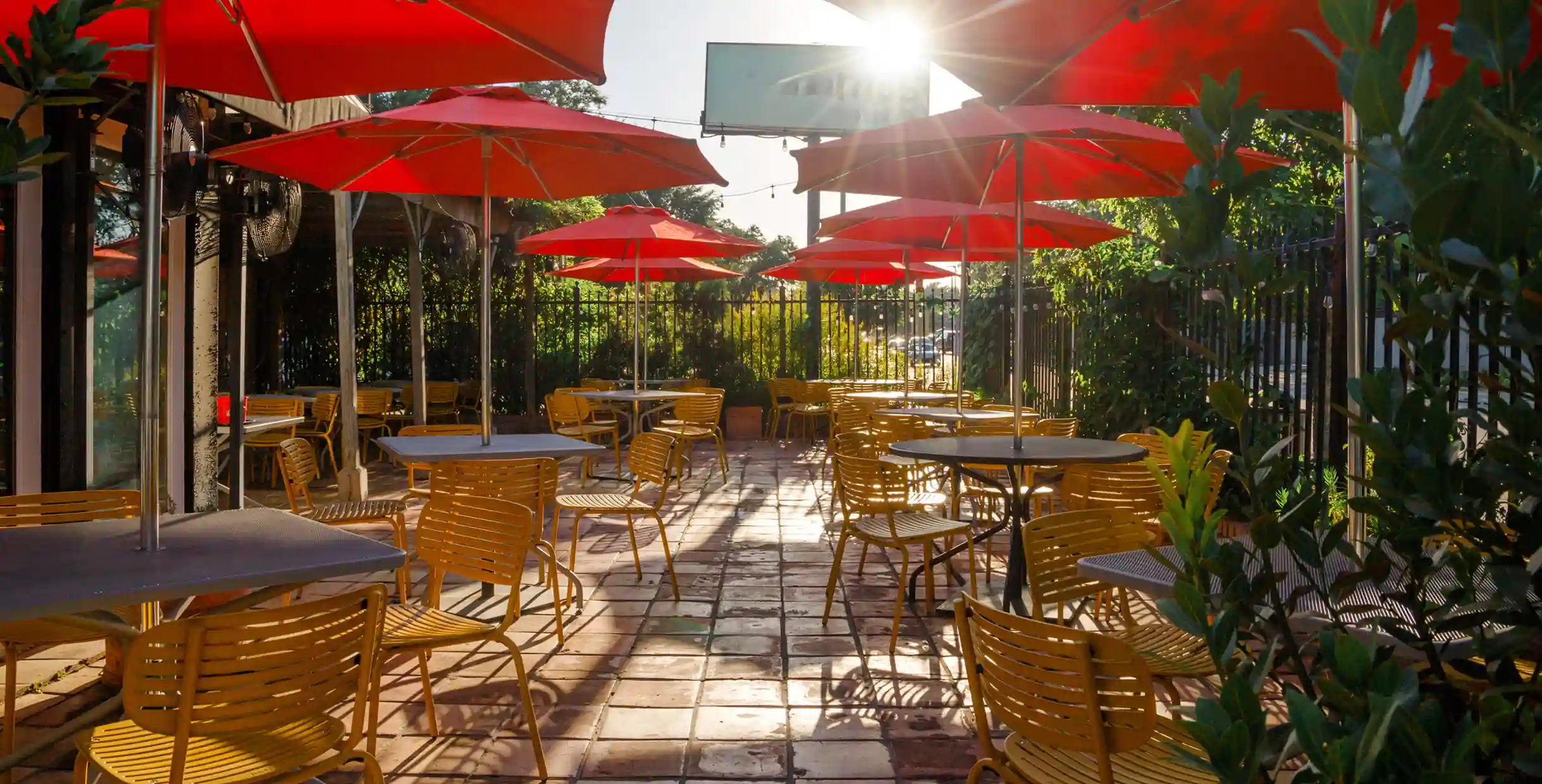
In high-traffic outdoor dining areas, seating is exposed to constant guest turnover, frequent repositioning, weather conditions, and daily cleaning. This guide focuses specifically on how to choose commercial outdoor restaurant seating designed for high-traffic environments, helping restaurant owners, designers, and buyers make informed, practical purchasing decisions.
Why High-Traffic Outdoor Dining Areas Need Commercial-Grade Seating
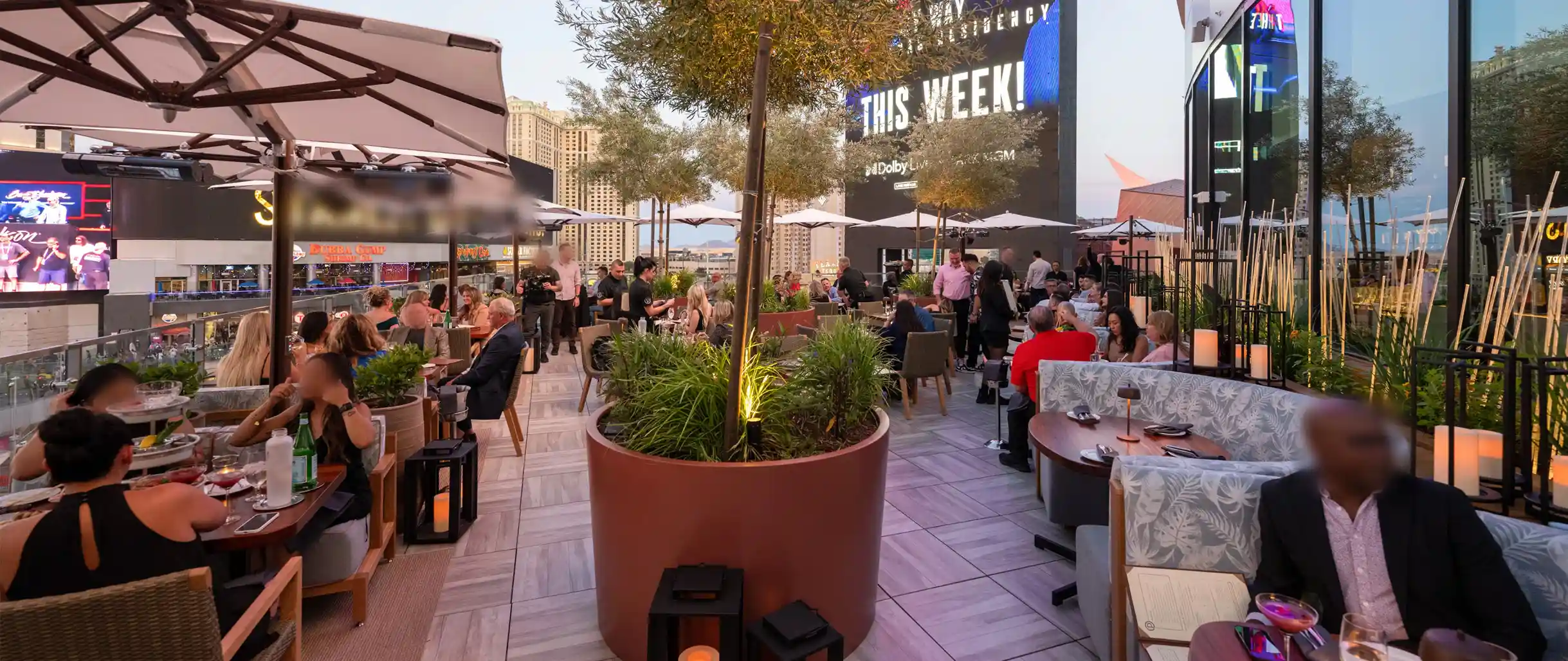
Outdoor dining areas with heavy footfall place far greater demands on furniture than standard indoor spaces. Chairs used in these areas must withstand:
- Continuous guest turnover throughout service hours
- Repeated dragging, stacking, and repositioning by staff
- Direct exposure to sunlight, moisture, and temperature changes
- Frequent cleaning with commercial-grade detergents
Light-duty or residential furniture often fails quickly under these conditions, resulting in instability, visible wear, and frequent replacement.
Key Procurement Criteria for High-Traffic Outdoor Restaurant Seating
1. Material Selection Is the First Priority
For high-traffic use, material choice determines both durability and maintenance cost.
Recommended materials include:
- Powder-coated steel or aluminum for structural strength and impact resistance
- ដែកអ៊ីណុក for corrosion resistance in humid or coastal regions
- Commercial-grade polypropylene or plastic for lightweight durability and ease of cleaning
- Treated solid wood or composite materials when a natural look is required
Avoid untreated wood, thin-gauge metal, or low-density plastics, as these materials tend to warp, rust, or crack under sustained outdoor use.
2. Structural Stability and Safety
In high-traffic dining areas, unstable seating becomes a safety concern. Chairs should feature:
- Reinforced frames and joints
- Balanced leg geometry
- Anti-wobble construction
Heavier or well-balanced seating generally performs better, reducing accidental tipping and minimizing disruption during peak service hours.
3. Maintenance and Cleaning Efficiency
High-traffic outdoor seating must support fast turnover and easy upkeep. Procurement teams should prioritize furniture that:
- Can be wiped down quickly between services
- Resists moisture absorption and staining
- Maintains finish integrity under frequent cleaning
Smooth surfaces, sealed finishes, and non-porous materials significantly reduce daily maintenance time and labor costs.
Seating Types Commonly Used in High-Traffic Outdoor Dining
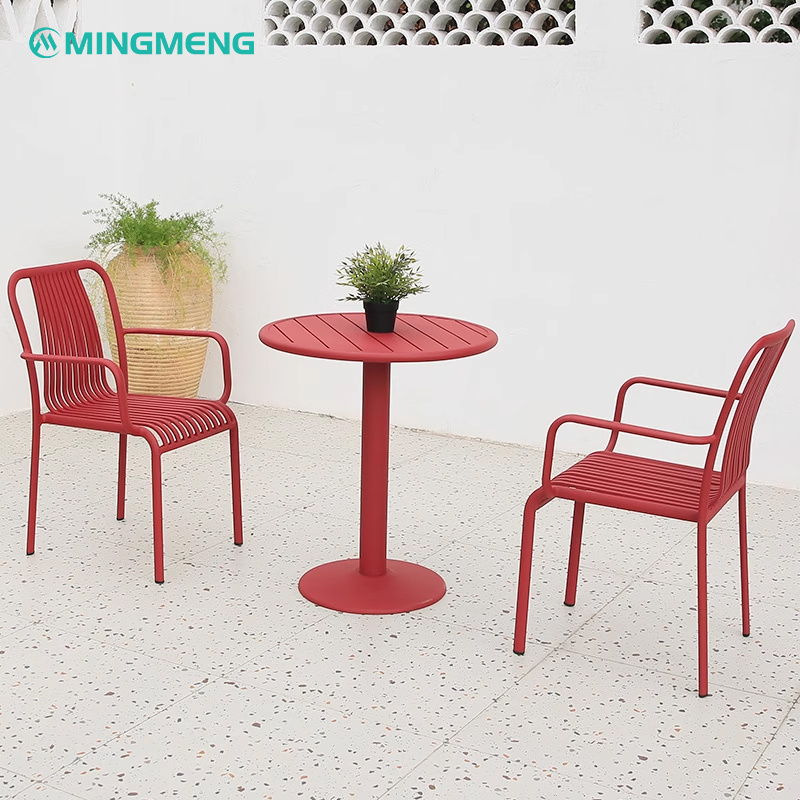
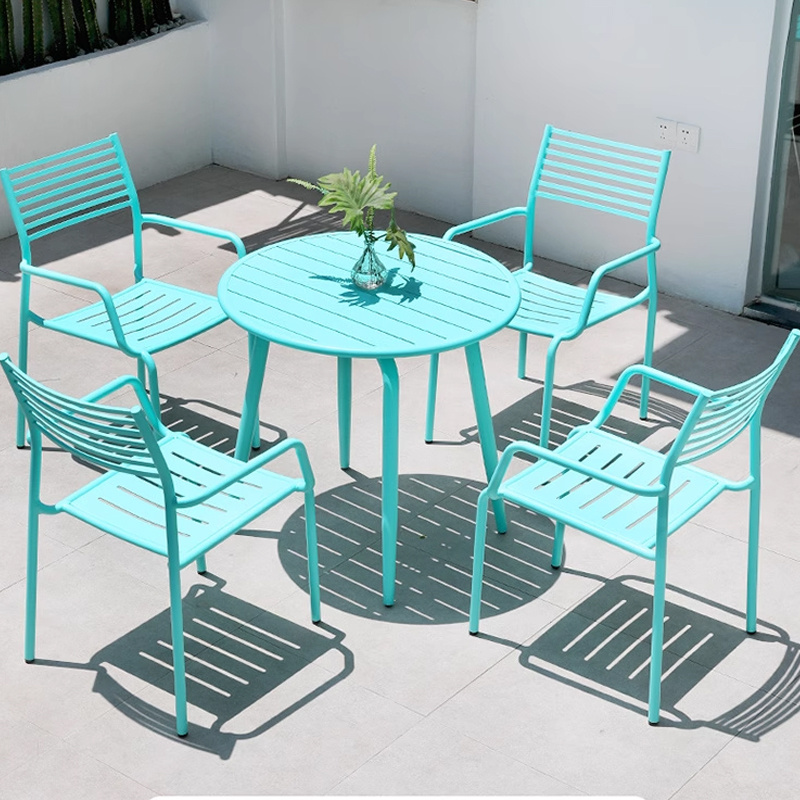
Metal Outdoor Restaurant Chairs
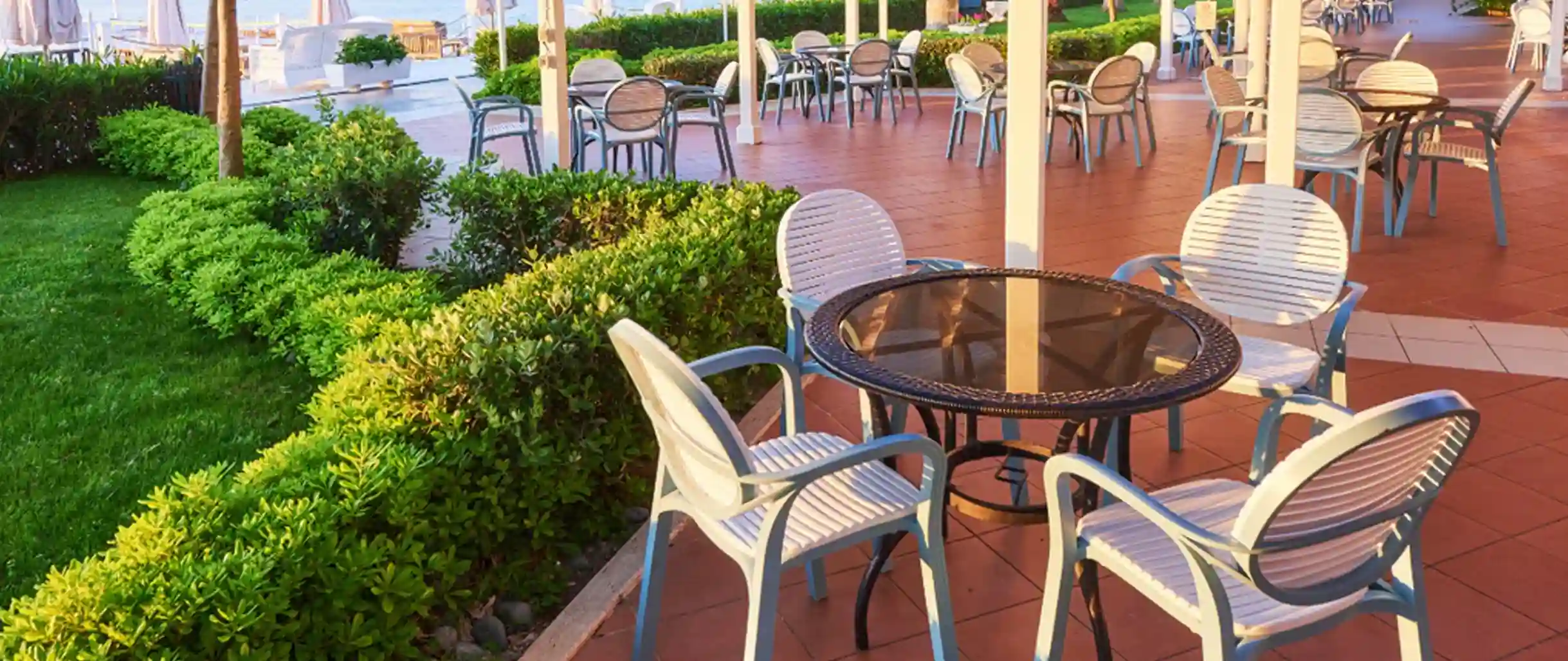
Metal chairs remain one of the most reliable options for high-traffic outdoor dining.
Best suited for:
- Busy restaurant patios
- Sidewalk and street-facing dining areas
- All-day or extended service operations
They integrate seamlessly into broader commercial outdoor dining furniture systems and offer long-term structural reliability.


Stackable Outdoor Seating
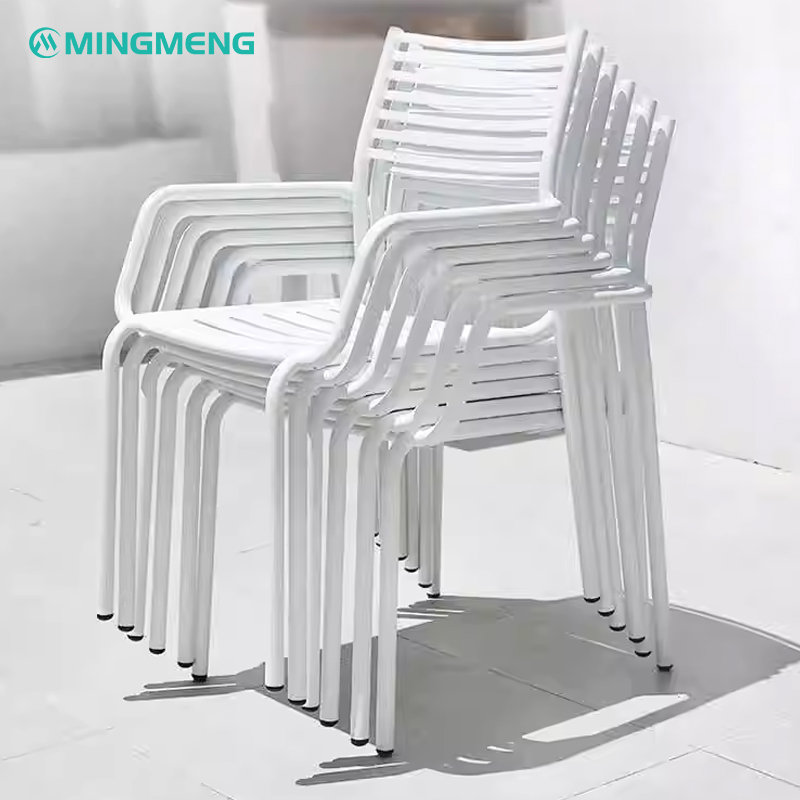
Restaurants that require layout flexibility often choose stackable seating.
Advantages include:
- Efficient storage during off-hours or adverse weather
- Faster cleaning and reconfiguration
- Reduced handling time for staff
Stackable chairs are particularly effective for seasonal outdoor dining operations.
Bench and Semi-Fixed Seating
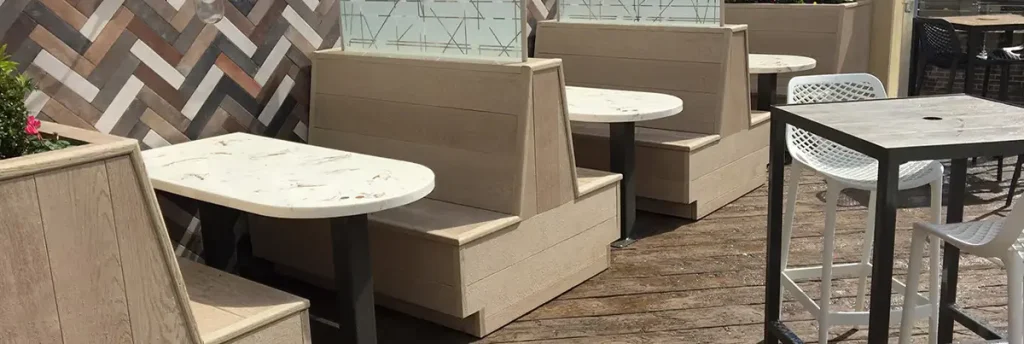
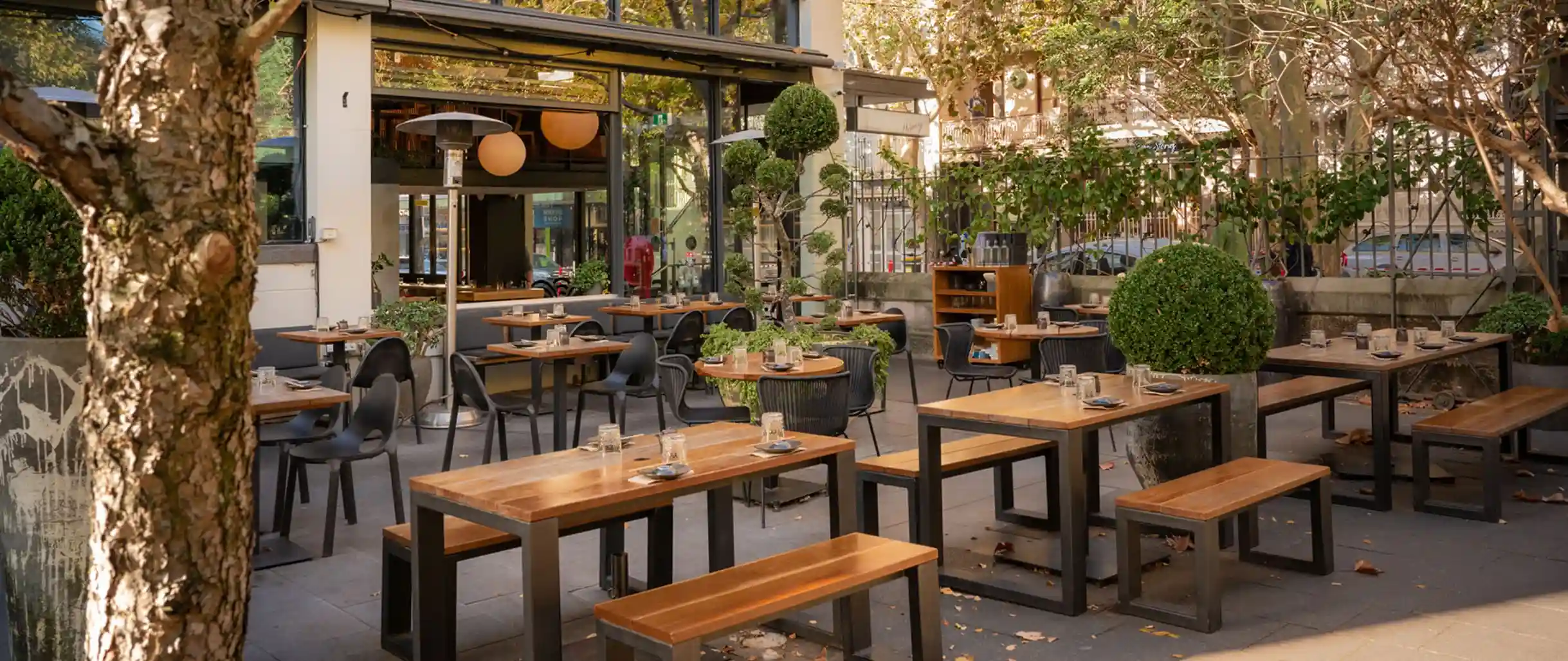
In extremely high-traffic zones, bench or semi-fixed seating can reduce wear caused by constant movement.
Common applications:
- Wall-side seating
- Perimeter dining zones
- Areas combined with booth-style layouts
These solutions limit chair displacement and improve traffic flow during peak periods.
Comparison Table: Outdoor Seating for High-Traffic Dining Areas
| Seating Type | ធន់ | ថែទាំ | Best Use Scenario |
|---|---|---|---|
| Powder-Coated Metal Chairs | ★★★★★ | ទាប | Busy patios, daily service |
| Stainless Steel Chairs | ★★★★☆ | Very Low | Coastal or humid locations |
| Commercial Plastic Chairs | ★★★★☆ | Very Low | Casual, high-turnover dining |
| Stackable Outdoor Chairs | ★★★★☆ | ទាប | Seasonal or flexible layouts |
| Bench / Semi-Fixed Seating | ★★★★★ | Very Low | Extreme high-traffic zones |
Layout Considerations for High-Traffic Outdoor Areas
When planning outdoor dining layouts, seating selection should be evaluated alongside:
- Aisle width and staff circulation
- Table spacing and guest comfort
- Chair weight and ease of repositioning
- Visual alignment with adjacent indoor zones
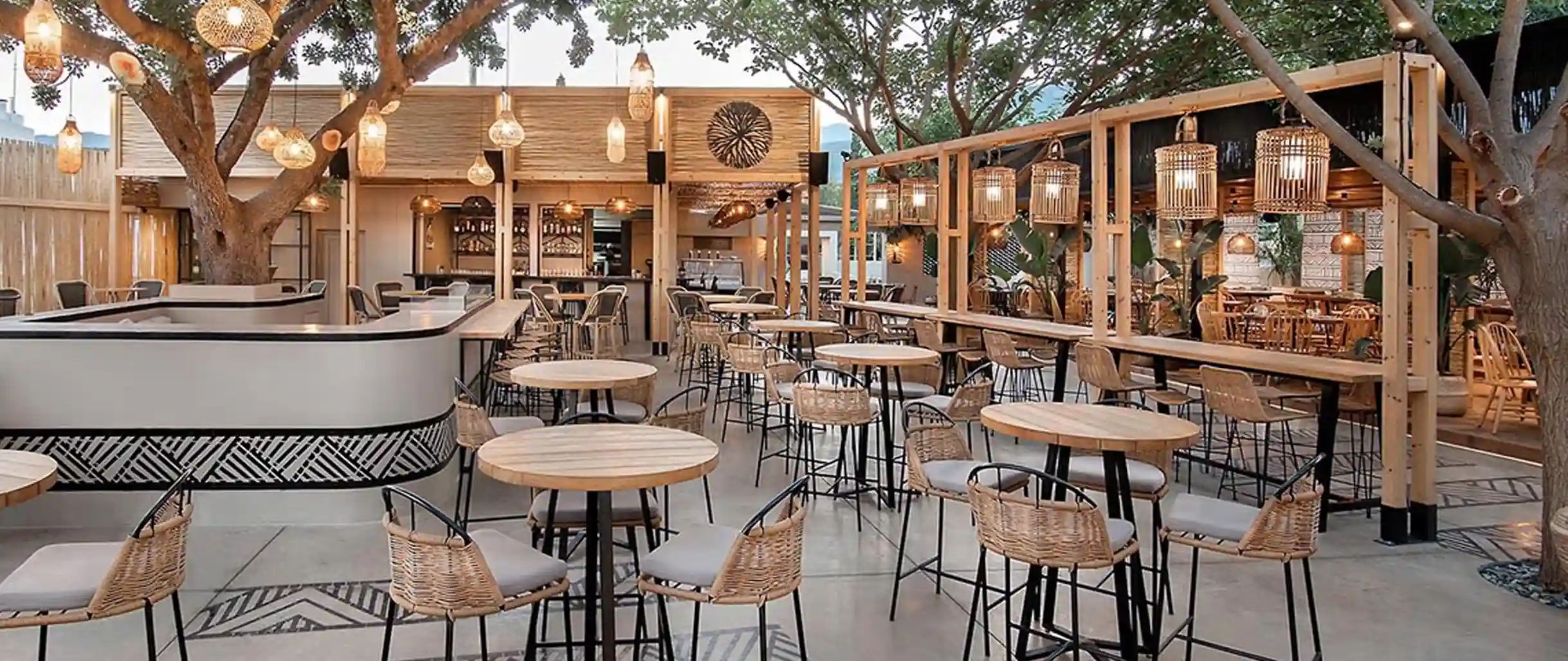
Many restaurants coordinate outdoor restaurant seating with nearby cafe-style tables or semi-enclosed seating areas to maintain consistent service flow and visual balance.
Custom Solutions for High-Traffic Outdoor Restaurants
For restaurants with unique layouts or branding requirements, custom commercial outdoor restaurant seating often delivers better long-term value. Customization allows buyers to specify:
- Frame thickness and reinforcement points
- Surface finishes optimized for local climate
- Stackability or fixed configurations
- Visual consistency across indoor and outdoor seating zones
Manufacturers such as គ្រឿងសង្ហារឹម MingMeng provide factory-level customization focused on durability, structural integrity, and long-term performance—without relying on off-the-shelf limitations.
សំណួរដែលសួរញឹកញាប់
We operate a very busy patio. Should we choose heavier chairs or lightweight stackable ones?
For high-traffic patios, stability should be the priority. Heavier chairs reduce tipping and unwanted movement during peak hours. Many restaurants balance this by selecting reinforced stackable chairs that offer both weight stability and storage flexibility.
How long should commercial outdoor restaurant seating last in high-traffic use?
With proper materials and commercial-grade construction, outdoor seating in high-traffic areas typically lasts 3–5 years or longer, depending on climate and maintenance routines.
Our restaurant is near the coast. What materials should we avoid?
Avoid untreated steel, low-grade iron, and unsealed wood. These materials are prone to corrosion and warping in salt-air environments. Stainless steel, aluminum, and high-quality polypropylene perform far better.
Is custom outdoor seating worth the higher upfront investment?
For high-traffic restaurants, custom seating often reduces long-term costs. Reinforced structures, optimized dimensions, and durable finishes reduce replacement frequency and improve operational efficiency.
Can outdoor seating visually match indoor dining areas?
Yes. Many restaurants coordinate outdoor and indoor seating by matching silhouettes, finishes, or color palettes, while still using materials appropriate for outdoor durability.
How many spare chairs should we budget for a busy outdoor dining area?
Procurement teams typically plan for 10–15% additional seating beyond daily needs to manage peak demand, rotation during cleaning, and unexpected damage.
Final Thoughts
There is no universal solution for commercial outdoor restaurant seating in high-traffic dining areas. The right choice depends on traffic volume, climate exposure, maintenance capacity, and layout requirements.
By prioritizing durable materials, stable construction, and easy maintenance, restaurant operators can reduce long-term costs, improve safety, and create outdoor dining spaces that perform reliably under constant use.
If you are currently comparing suppliers or planning to upgrade seating for a busy patio or terrace, reviewing a curated range of commercial-grade outdoor solutions can help speed up the decision-making process.
You can explore a complete selection of outdoor restaurant seating designed for high-traffic dining areas, including durable chair options, flexible seating layouts, and materials suited for long-term outdoor use. This allows procurement teams and restaurant owners to compare specifications, finishes, and configurations in one place before moving forward with a purchase plan.


