

 English
 中文
 日本語
 한국어
 العربية
 Русский
 Português
 Türkçe
 हिन्दी
 Tiếng Việt
 ไทย
 Indonesia
 Melayu
 ខ្មែរ
 ລາວ
 မြန်မာ
 Afrikaans
 Hausa
 Igbo
 Sesotho
 isiXhosa
 Yorùbá
 isiZulu
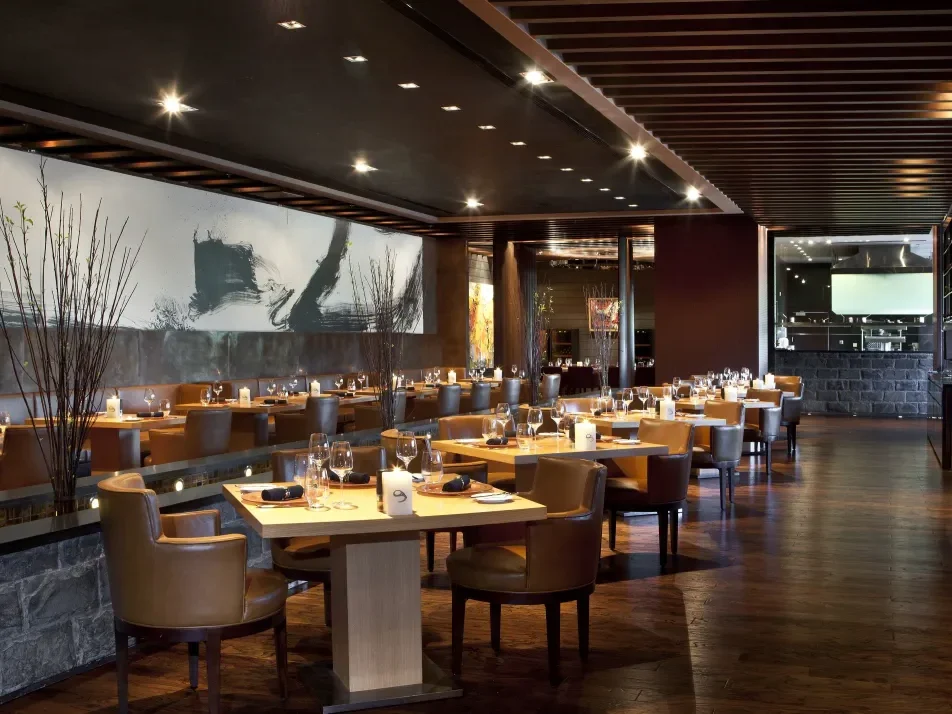
In high-traffic restaurants where every table is occupied during peak hours, កៅអី are among the most frequently touched, moved, and wiped furniture pieces. For such eateries, choosing the right chairs isn’t just about “being usable”—they need to withstand dozens of sits, drags, and shifts every day, be easy for servers to clean quickly, and still keep customers comfortable. Otherwise, even the most stylish designs won’t last more than six months. Let’s be honest, many restaurant owners have fallen into similar traps: either picking fabric chairs that look great but are hard to clean, or going for cheap plastic ones that crack and deform within a few months. Actually, selecting easy-to-clean and durable Chairs for high-traffic restaurants boils down to focusing on core needs and avoiding those seemingly practical “pitfalls.”
First, let’s talk about materials—the key factor determining a chair’s durability and ease of cleaning. In most cases, restaurants should prioritize materials that are “tough” and “low-maintenance.” Metal chairs (such as aluminum alloy and stainless steel) are excellent choices. Their smooth, non-porous surfaces allow spills to be wiped clean with a damp cloth in seconds. They also have strong load-bearing capacity and won’t easily deform even with frequent dragging. The only downside is that they can feel cold in winter, but a thin cushion solves that problem. Plastic chairs offer great value for money—they’re waterproof, stain-resistant, and lightweight. However, opt for high-density polyethylene (HDPE) models; regular plastic tends to yellow and become brittle over time. Solid wood chairs have a premium look, but they need anti-corrosion and waterproof coatings. Without them, oil stains seep in and are hard to remove, and the wood is prone to warping from moisture. Faux leather chairs are comfortable and easy to clean with leather cleaner, but they’re vulnerable to scratches from sharp objects—better suited for casual restaurants where customers behave gently.
Here’s a comparison table of common chair materials for quick reference:
| Material Type | Service Life (High-Traffic Scenarios) | Cleaning Difficulty | Core Advantages | កំណត់ចំណាំ |
|---|---|---|---|---|
| High-Density Polyethylene (HDPE) Plastic | ៣-៥ ឆ្នាំ។ | ទាប | Lightweight, waterproof, cost-effective | Avoid direct sunlight to prevent yellowing and brittleness |
| Powder-Coated Aluminum Alloy | ៥-៨ ឆ្នាំ។ | ទាប | Corrosion-resistant, strong load-bearing, easy to clean | Round the edges to prevent scratches |
| Solid Wood (With Anti-Corrosion Coating) | 4-6 ឆ្នាំ។ | មធ្យម | Premium texture, fits various decor styles | Reapply protective coating regularly; avoid contact with strong acids |
| Faux Leather (Microfiber) | 2-4 ឆ្នាំ។ | Medium-Low | Comfortable, stylish | Avoid sharp objects; keep away from high temperatures |
Beyond materials, a chair’s structure is equally important. Have you noticed that some chairs look sturdy but start wobbling after a short time? That’s usually due to poor connections. For high-traffic restaurants, choose chairs with screw-reinforced joints instead of glue. Models with anti-slip washers at the connections are more durable and reduce noise when moved. The chair surface should be as simple as possible—avoid complex cutouts or carvings, which trap food residues and make cleaning time-consuming. Chair legs with anti-slip and wear-resistant pads protect the restaurant floor and extend the chair’s lifespan.
Here are a few tips from real-world cases: If your restaurant is a fast-casual spot with high turnover, prioritize plastic or metal chairs—they require minimal cleaning effort. For full-service restaurants focusing on ambiance, solid wood or faux leather chairs work, but be sure to communicate with suppliers to reinforce surface protection. Additionally, the chair’s weight matters—too light and they tip over easily; too heavy and servers struggle to move them. Around 4-6 kilograms per chair is a sweet spot.
Frequently Asked Questions (FAQ)
- Can high-traffic restaurants balance durability and comfort when choosing chairs?Absolutely. Many furniture customization factories now tailor details to restaurant needs—for example, adding a slip-resistant and wear-resistant cushion to metal chair surfaces. This retains the easy-clean advantage while improving comfort. The key is not to blindly pursue “extreme softness”; overstuffed chairs are not only hard to clean but also prone to deformation and collapse.
- Do easy-to-clean chairs all look plain and boring?Not at all. Faux leather chairs come in various colors, and metal chairs can be powder-coated to match your restaurant’s decor. The main thing is to avoid large areas of fabric or velvet. If you do use fabric, choose removable, waterproof, and stain-resistant options—this way, you don’t compromise on style while reducing cleaning hassle.
- On a tight budget, how to balance quality and cost?You might want to prioritize simplifying the chair design and choosing basic models with solid materials. After all, basic styles are easier to repair and replace parts for. There’s no need to “go all out” on the most expensive ones; mid-range chairs with qualified materials and reasonable structures can fully meet the needs of high-traffic restaurants.
ការជ្រើសរើស កៅអី for high-traffic restaurants is essentially about balancing “practicality” and “experience.” Easy cleaning reduces labor costs, durability lowers replacement frequency, and comfort directly impacts customer loyalty. Furniture customization factories that specialize in this field can often provide solutions tailored to a restaurant’s foot traffic, decor style, and budget—making every chair both “tough” and “low-maintenance.” Hopefully, these tips help you avoid mistakes and find the perfect chairs for your restaurant.


