

 English
 中文
 日本語
 한국어
 العربية
 Русский
 Português
 Türkçe
 हिन्दी
 Tiếng Việt
 ไทย
 Indonesia
 Melayu
 ខ្មែរ
 ລາວ
 မြန်မာ
 Afrikaans
 Hausa
 Igbo
 Sesotho
 isiXhosa
 Yorùbá
 isiZulu
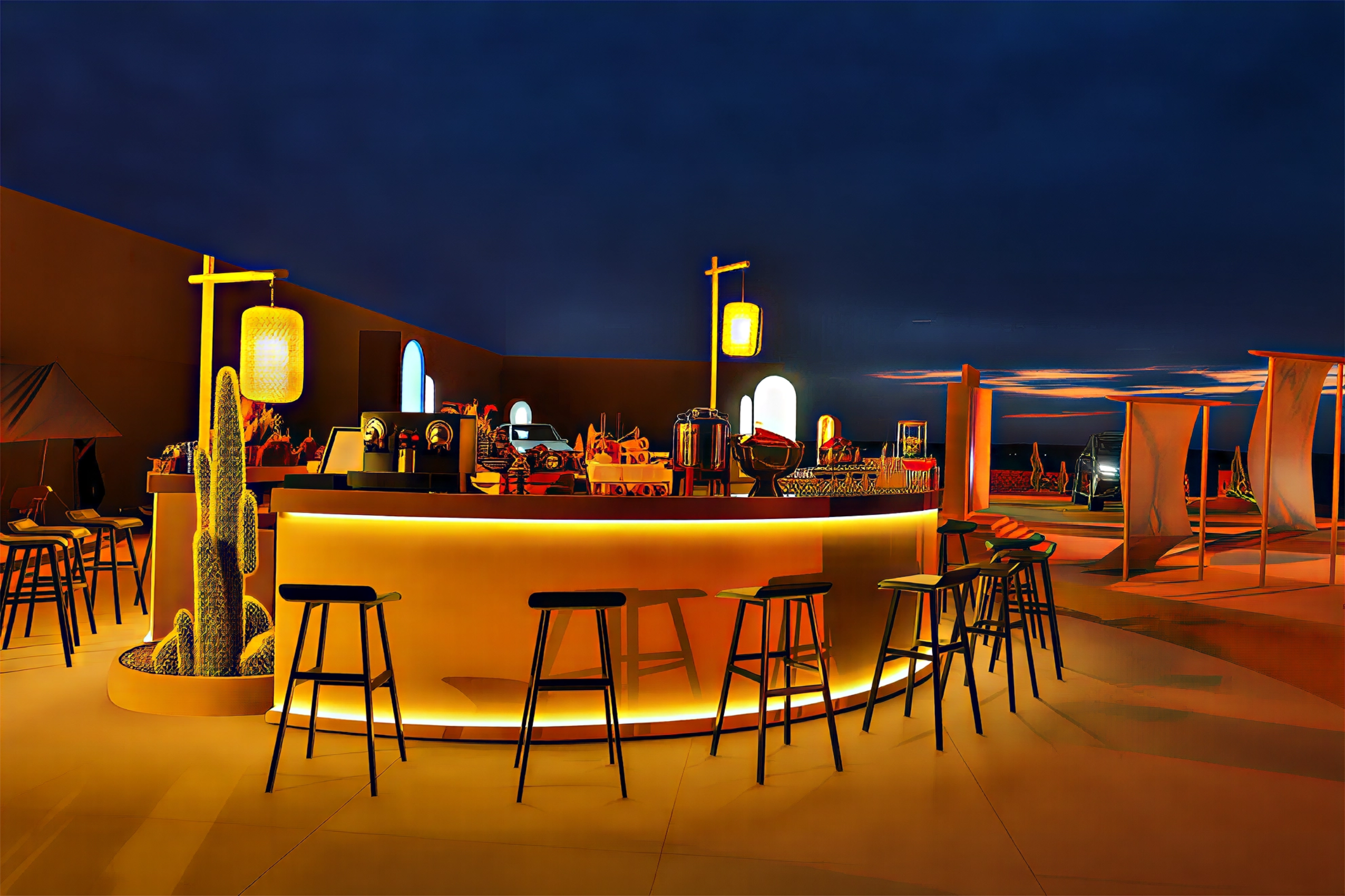
I chatted with a friend who runs a chain of restaurants last week, and he complained, “I’ve replaced bar stools four times in three years. The cheap tubing ones start wobbling after just six months—weld cracks, seat deformation, I’ve seen it all.” This hits a pain point for many people and businesses: choosing លាមករបារ seems like it’s about “picking styles and comparing prices,” but in reality, it’s about “selecting durability and betting on long-term costs.” Today, we won’t just compare the material differences between forged steel and cheap tubing; we’ll dive deeper into the underlying craftsmanship logic, scenario adaptability, and those easily overlooked “hidden values” to help everyone truly choose bar stools that “last long and are worth the investment.”
First, here’s a comparison table based on 2025-2026 real-world test data from Mingmeng, our furniture manufacturing company. It doesn’t just list parameters but also highlights key differences in actual use:
| វិមាត្រប្រៀបធៀប | Commercial-Grade Forged Steel Bar Stools (Mingmeng 2025 Upgraded Model) | Cheap Thin-Walled Tubing Bar Stools |
|---|---|---|
| សិប្បកម្មស្នូល | One-piece cold forging + precision CNC welding (no weak welds) | Stamping forming + simple manual welding (welds prone to oxidation) |
| Material Density/Structural Stability | Steel grain density increased by 22% after cold forging; load evenly distributed | Uneven tube wall thickness; stress concentrated at welds |
| សេណារីយ៉ូសមស្រប | High-frequency use in restaurants/bars, long-term home bar use, outdoor/coastal areas | Temporary events, short-term rentals, low-usage spaces |
| Weather/Rust Resistance | Dual protection of nano-ceramic coating + chrome plating; no rust in coastal salt spray environments for 5 years | Single-layer paint; rust spots appear in humid environments in 8-12 months |
| Long-Term Use Cost (Including Replacement) | Total cost of $180 over 10 years (including maintenance), $18 per year | 4-5 replacements needed over 10 years; total cost $250-300, $25-30 per year |
| Environmental Friendliness & Recyclability | 100% recyclable with a recycling rate of over 95% | Mixed materials, low recycling value, prone to resource waste |
To be honest, many people only focus on the “unit price” when choosing Bar Stools, but they fail to calculate the “hidden costs.” Take my restaurant-owner friend, for example: he saved a few hundred dollars by buying cheap bar stools the first time, but with hundreds of uses every day during peak hours, three stool legs cracked in less than a year. Not only did he have to spend money on replacements, but he also had to temporarily close part of the bar seating, losing a lot of business. The core advantage of forged steel models is never about being “expensive”—it’s about “spending money wisely.” Cold forging makes the steel structure denser, much like kneading dough repeatedly to make it more resilient. Even if someone habitually stands on the stool to retrieve items (not recommended, but common in reality), it won’t easily deform.
Interestingly, the “durability requirements” for លាមករបារ vary drastically across different scenarios. For instance, a home bar might be used only 3-5 times a day, putting relatively little stress on the material. But for a restaurant that specializes in “late-night dining,” bar stools are in use from evening to midnight—8 hours of continuous high-frequency loading. The welds of cheap tubing stools are prone to cracking due to metal fatigue. In coastal areas, salt spray accelerates metal corrosion; even painted cheap tubing can’t withstand half a year of sea breeze. Our upgraded “nano-ceramic + chrome plating” dual protection, tested in coastal cities like Qingdao and Xiamen, shows no obvious rust after three years. That’s why “outdoor weather-resistant forged steel bar stools” are growing in popularity.
From an environmental perspective, this is also a thought-provoking topic. Cheap tubing Bar Stools have an average lifespan of only 2-3 years. After being scrapped, due to mixed materials (many are stamped from recycled scrap steel with plastic accessories), the recycling rate is less than 30%, and most end up in landfills. In contrast, forged ដែក លាមករបារ not only last over 10 years but can also be 100% recycled and remelted, reducing resource consumption by 5 times. For businesses, choosing durable “commercial grade forged steel bar stools” isn’t just about saving money—it’s also a form of hidden social responsibility.
Below are the most frequently asked questions we’ve received from customers recently—practical doubts that everyone truly cares about:
Q1: I run an internet-famous restaurant. The bar receives dozens of groups of customers every day, and some even stand on the stools to take photos. Can forged steel Bar Stools really withstand this kind of “abuse”?
A: Absolutely. Our commercial-grade forged steel Bar Stools use one-piece cold forging technology, eliminating the weak points of traditional welding. With a rated load capacity of 300kg, even occasional standing use won’t cause stool legs to deform or crack. Additionally, the edges of the seat are non-slip, making it less likely to slip when standing for photos—meeting the needs of internet-famous restaurants while ensuring safety. Moreover, the seat material can be selected as wear-resistant and scratch-proof technical fabric; even if customers accidentally scratch it, no obvious marks will be left, making maintenance a breeze.
Q2: My home bar is 95cm high. The cheap Bar Stools I bought before were the wrong height, making sitting very uncomfortable. Do forged steel models come in options that fit different bar heights?
A: Of course. Our “heavy-duty bar stools for home bar” offer three height options: 75cm (for 85-90cm bars), 80cm (for 90-95cm bars), and 85cm (for 95-100cm bars)—perfectly matching most home and commercial bar heights. Plus, the bottom of the stool legs has adjustable non-slip foot pads. Even if the floor is slightly uneven, you can fine-tune the height for a more stable seating experience. We recommend measuring your bar’s countertop height first before choosing, so you won’t get tired from sitting for long periods.
Q3: I live in Hainan, where coastal salt spray is very heavy. The metal Bar Stools I bought before rusted in six months. How long can the rust resistance of forged steel Bar Stools last? Do they require special maintenance?
A: We’ve launched “rust-proof bar stools for coastal areas” specifically for coastal regions, upgrading to a dual rust-proof process: inner chrome plating to isolate air and moisture, and outer nano-ceramic coating to resist salt spray corrosion. In real-world tests in coastal cities like Hainan and Sanya, no obvious rust appears after 5 years of normal use. Maintenance is also simple—no special measures are needed. Just wipe the seat and legs with a dry cloth every 3 months to avoid salt spray residue, which is much easier than repainting cheap models every month.
Q4: Forged steel Bar Stools look quite heavy. My elderly family member occasionally needs to move the stools to clean. Will they be too heavy to handle?
A: This is a valid concern. We specifically optimized the structure during design. Despite being made of forged steel, each stool weighs only 7.8kg—lighter than many cheap tubing models with the same load capacity (cheap models tend to be heavier because they need extra welds for reinforcement). Elderly family members can easily lift and move them with a gentle lift. Additionally, the non-slip foot pads at the bottom are noise-reducing, so moving the stools won’t scratch the floor—whether it’s solid wood or tile, you can use them with confidence.
Q5: In commercial settings, bar stools are used every day. Is the maintenance frequency high? Will it affect normal business operations?
A: The maintenance frequency is extremely low and basically won’t impact business. The seats of our “long-lasting bar stools for restaurants” are made of waterproof and stain-resistant materials; if customers accidentally spill drinks, you can wipe them clean with a damp cloth. The rust-proof coating on the stool legs is wear-resistant, requiring no special daily maintenance. Unless there’s a severe collision (which is rare), you won’t need any maintenance for a whole year—saving much more time than checking welds and touching up paint on cheap models every month. It’s especially suitable for busy restaurant environments.
Choosing Bar Stools is essentially choosing a “long-term experience.” Cheap tubing models may seem cost-effective upfront, but they come with frequent replacements, tedious maintenance, and compromised user experience. While forged steel models require a slightly higher initial investment, they save money and hassle in the long run, adapt to more scenarios, and even enhance the texture of restaurants or home bars. Whether for commercial or home use, instead of going through the hassle of frequent replacements, it’s better to choose durable ones once and for all—spending time and energy on more important things. After all, a good Bar Stool isn’t just a piece of furniture; it’s a “life or business partner” that accompanies you for years.


