English
 中文
 日本語
 한국어
 العربية
 Русский
 Português
 Türkçe
 हिन्दी
 Tiếng Việt
 ไทย
 Indonesia
 Melayu
 ខ្មែរ
 ລາວ
 မြန်မာ
 Afrikaans
 Hausa
 Igbo
 Sesotho
 isiXhosa
 Yorùbá
 isiZulu
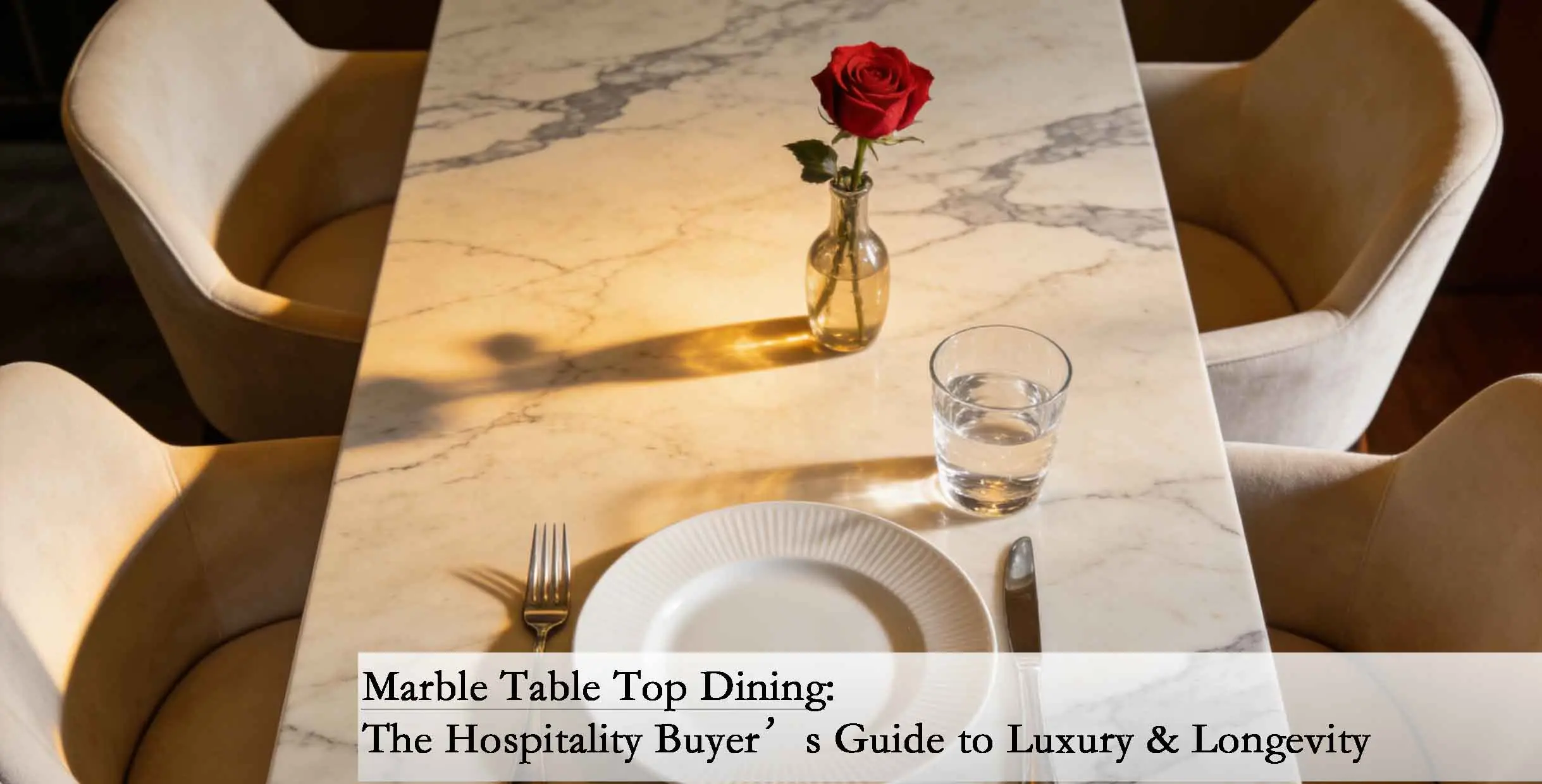
In the world of fine dining, the tactile experience is just as important as the food. A cold, smooth marble table top dining surface instantly signals luxury, allowing restaurateurs to justify higher menu prices.
However, for the pragmatic B2B buyer, natural stone represents a dilemma: Is the aesthetic appeal worth the maintenance challenge?
As specialists in Commercial Restaurant Furniture, we believe the answer is “Yes”—but only if you choose the right stone, the right finish, and the right support structure. This guide strips away the marketing fluff to reveal the operational realities of installing marble dining tables in high-traffic venues.
1. The Real ROI of Marble Table Top Dining
Why do top-tier bistros continue to choose natural stone despite the cost? It comes down to Perceived Value.
- The “Instagram” Factor: White marble (like Carrara or Calacatta) acts as a natural reflector, making food photography pop. In 2026, user-generated content is free marketing.
- Temperature Control: Stone stays naturally cool, making marble table top dining sets the superior choice for patisseries, chocolatiers, and Outdoor Venues in warm climates.
- Timelessness: Unlike trendy laminates, natural stone never goes out of style. It ages; it doesn’t just “wear out.”
2. The “Acid Test”: Real Marble vs. Commercial Alternatives
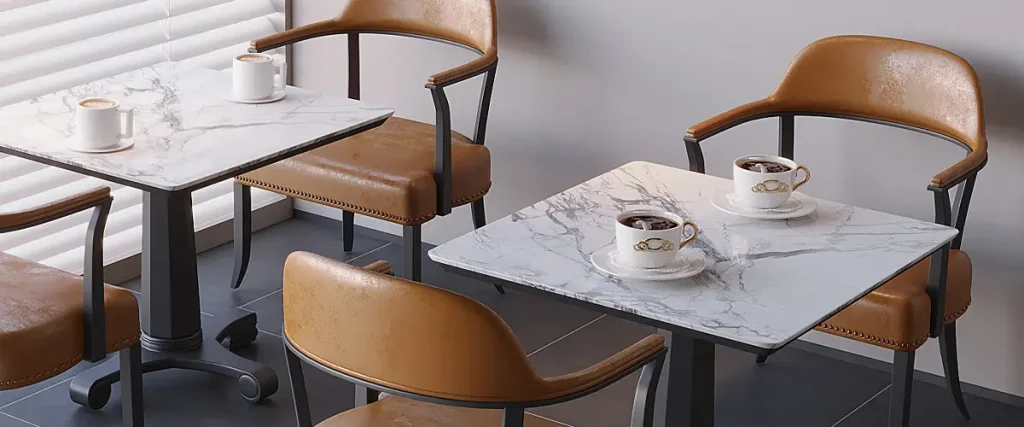
The biggest fear with marble table top dining is etching (dull spots caused by acids like lemon or vinegar) and staining (red wine). Here is how to choose the right material for your operations:
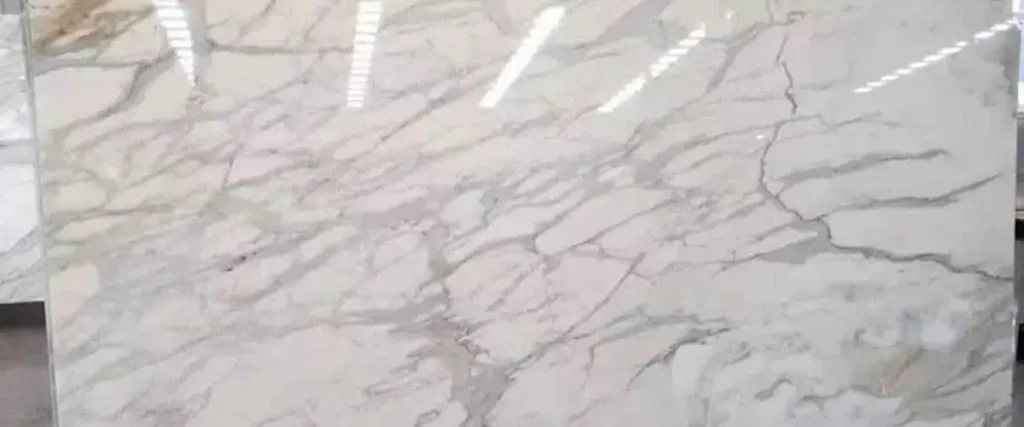
Option A: Natural Polished Marble (The Purist Choice)
- Uru: Unmatchable depth and pattern uniqueness.
- ọghọm: High porosity. Requires professional sealing every 6-12 months.
- Kachasị mma maka: Low-turnover fine dining where staff are trained to wipe spills immediately.
Option B: Honed (Matte) Marble
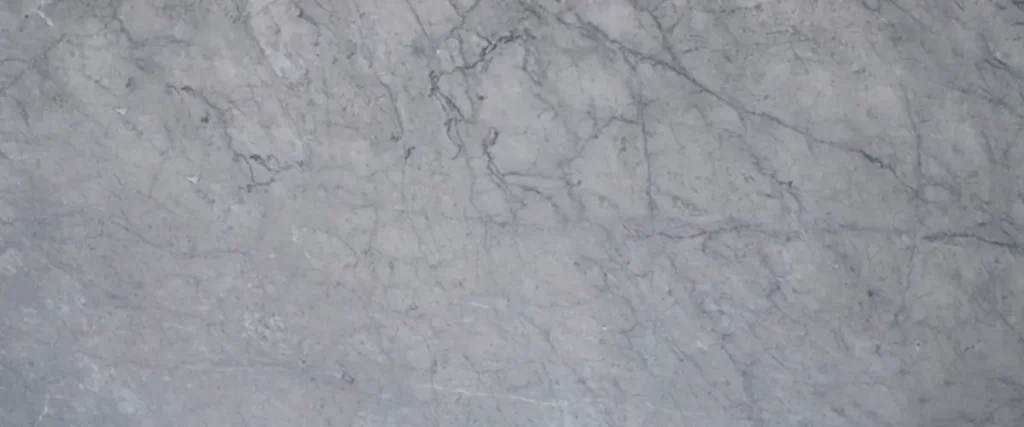
- Uru: Etch marks are less visible because the surface is already matte. Hides scratches better than polished finishes.
- ọghọm: Can be more susceptible to deep staining if not sealed properly.
- Kachasị mma maka: Casual bistros and high-traffic cafes.
Option C: The “Marble Look” (Engineered Stone/Quartz)
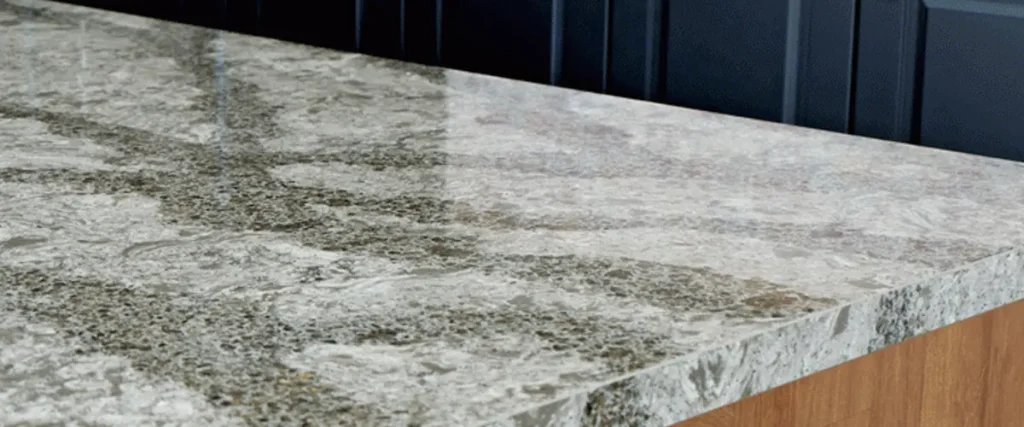
- Uru: Non-porous, zero maintenance, consistent patterning.
- ọghọm: Lacks the “cold touch” and random beauty of nature.
- Kachasị mma maka: High-volume family restaurants looking for Ịdị ogologo.
Ndụmọdụ Pro: Not sure which finish is right for you? Request a Free Material Sample from our showroom.
3. Structural Engineering: Supporting the Weight
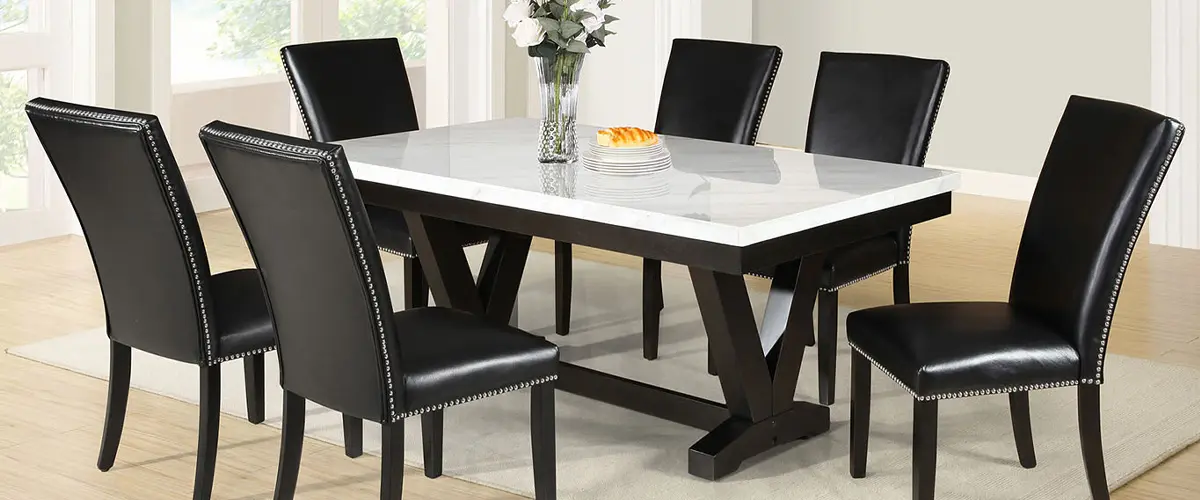
A common mistake we see in DIY restaurant design is pairing a heavy stone top with a lightweight aluminum base.
The Physics:
A 30-inch round marble table top can weigh upwards of 50-70 lbs (25-30kg), compared to 15 lbs for a laminate top.
- Ihe ize ndụ: Top-heavy tables are liable to tip over if a customer leans on the edge.
- The Solution: You must use Cast Iron Table Bases ma ọ bụ Heavy-Gauge Steel bases with a wide “spider” (the plate that connects to the table).
- Base Spread: Ensure the base spread is adequate. For a 30″ stone top, we recommend a base spread of at least 22″.
4. Comparison Chart: Choosing Your Stone
| Njirimara | White Carrara (Natural) | Nero Marquina (Natural) | Engineered Quartz |
|---|---|---|---|
| Mma mma | Classic grey veining | Dramatic black w/ white veins | Consistent, uniform |
| Porosity | High (Needs Sealing) | Ọkara | Very Low (Non-porous) |
| Etch Risk | High (Acids) | High (Acids) | Ọ dịghị |
| Nlekọta | Elu | Elu | Dị ala |
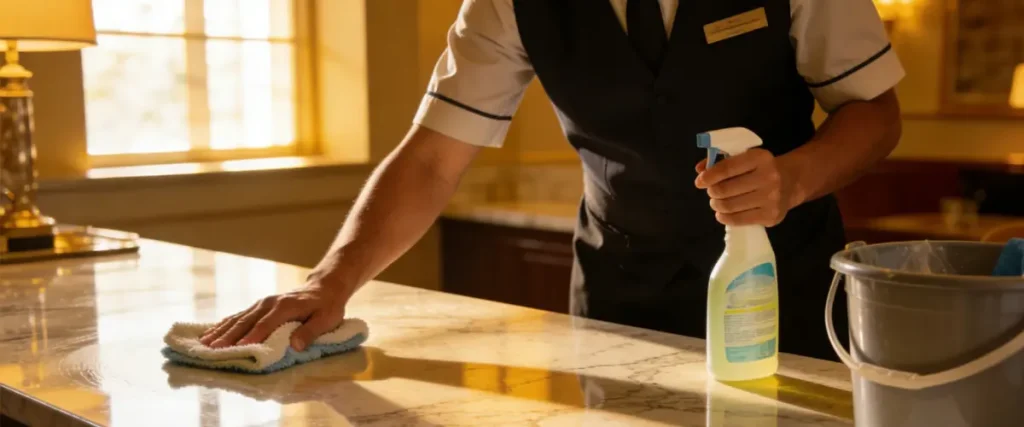
5. Maintenance Protocol for Hospitality Staff
To protect your investment in marble table top dining, incorporate these rules into your staff training manual:
- The “Coaster” Rule: Always use coasters for cold drinks to prevent condensation rings on polished surfaces.
- Immediate Blotting: Do not wipe a wine spill (which spreads it); kpochapu it with a clean cloth.
- pH Neutral Cleaners Only: Never use general-purpose restaurant degreasers or vinegar-based sprays. Use specific Stone Care Products or warm water.
6. Ajụjụ A na-ajụkarị (FAQ)
Q: Can I use marble table tops outdoors?
A: Yes, but with caveats. Sunlight will fade darker marbles (like Black Marquina) over time. White marble reflects heat well but requires an outdoor-rated penetrating sealer to prevent water absorption and freeze-thaw cracking in winter. See our Outdoor Table Collection.
Q: How do I fix a scratched marble table?
A: Minor scratches and etch marks on natural marble can often be buffed out using a specialized marble polishing powder (tin oxide). Deep scratches may require professional refinishing.
Q: What is the best thickness for a commercial marble top?
A: We recommend a standard 2cm (0.78 inch) thickness for marble table top dining to balance durability with weight. Some designs feature a “built-up edge” to make the slab look 4cm thick without the excessive weight.
Ready to Add Luxury to Your Venue?
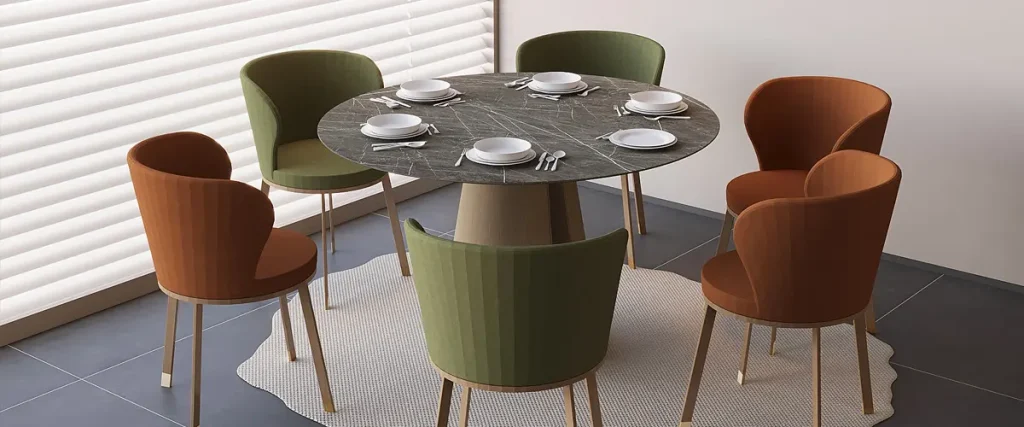
Don’t let the maintenance scare you. We offer pre-sealed, commercial-grade marble table top dining solutions paired with reinforced bases.
Welcome to inquire about Mingmeng Custom Restaurant Furniture