
 English
 中文
 日本語
 한국어
 العربية
 Русский
 Português
 Türkçe
 हिन्दी
 Tiếng Việt
 ไทย
 Indonesia
 Melayu
 ខ្មែរ
 ລາວ
 မြန်မာ
 Afrikaans
 Hausa
 Igbo
 Sesotho
 isiXhosa
 Yorùbá
 isiZulu
N'ahịa ọbịa nke asọmpi taa, ịchọta ihe a pụrụ ịdabere na ya ụlọ oriri na ọṅụṅụ na-enye ngwá ụlọ directly from factories has become one of the smartest ways for restaurant owners and designers to balance cost, quality, and customization.
Whether you’re furnishing a cozy café or a full-service restaurant chain, direct sourcing allows you to cut out middlemen, control your design process, and secure better pricing. But it’s not as simple as finding a factory on Google — the key lies in understanding the process, evaluating manufacturers, and communicating like a pro.
Let’s break down how to source commercial restaurant supplies furniture directly from a factory in 2025 — step by step.
1. Ghọta ihe “Factory Direct” Pụtara n'ezie
Mgbe anyị na-ekwu "ụlọ ọrụ ozugbo," anyị na-ekwu maka ịzụrụ ngwá ụlọ ụlọ oriri na ọṅụṅụ-ọkwa azụmahịa directly from the manufacturer — not through wholesalers or trading companies.
Usoro a na-enye gị ọtụtụ uru dị mkpa:
- 💰 Ọnụ ego dị ala (ọ na-adịkarị 15-30% obere)
- 🎨 nnwere onwe ịhazi maka nha, agba, ma ọ bụ ihe
- ⚙️ loop nzaghachi ngwa ngwa maka nhazi na nhazi
- 🤝 njikwa mma nso n'oge mmepụta
However, factory-direct sourcing also comes with responsibilities — you’ll need to handle logistics, compliance checks, and sometimes language or time zone barriers.
2. Chọpụta ụdị ụlọ ọrụ nke ọma
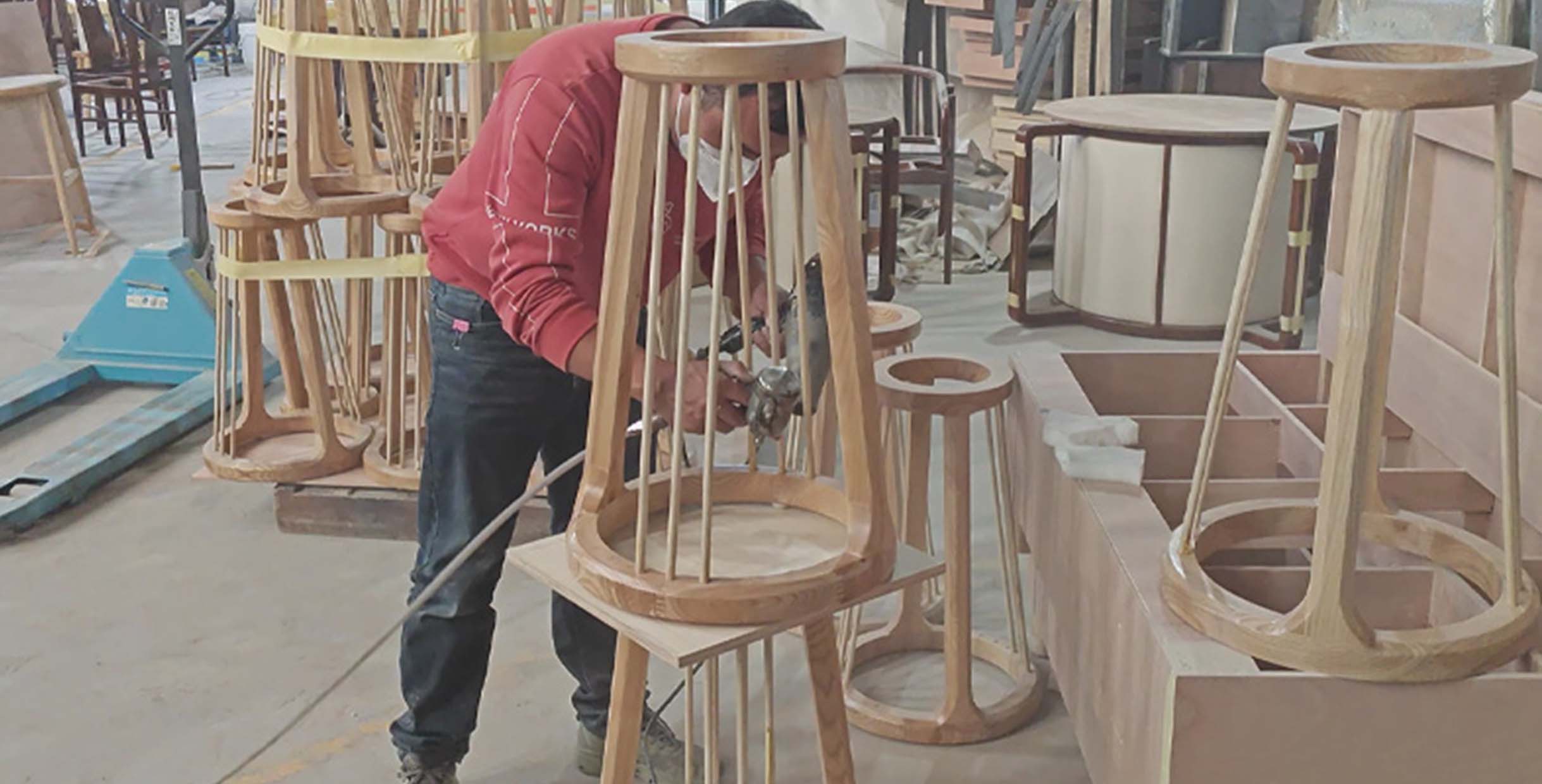
Not all furniture factories are created equal. Some specialize in wood furniture, others in metal and upholstery, while a few integrate complete restaurant seating systems (booths, tables, chairs, bar stools).
Mgbe ị na-enweta ụlọ oriri na ọṅụṅụ na-enye arịa ụlọ, lekwasị anya na ụlọ ọrụ ndị:
- Nwee afọ 10+ na ọrụ ile ọbịa
- Nye ọrụ OEM & ODM omenala
- Nye mkpesa ule ọkwa azụmahịa (ASTM, ANSI/BIFMA, EN16139)
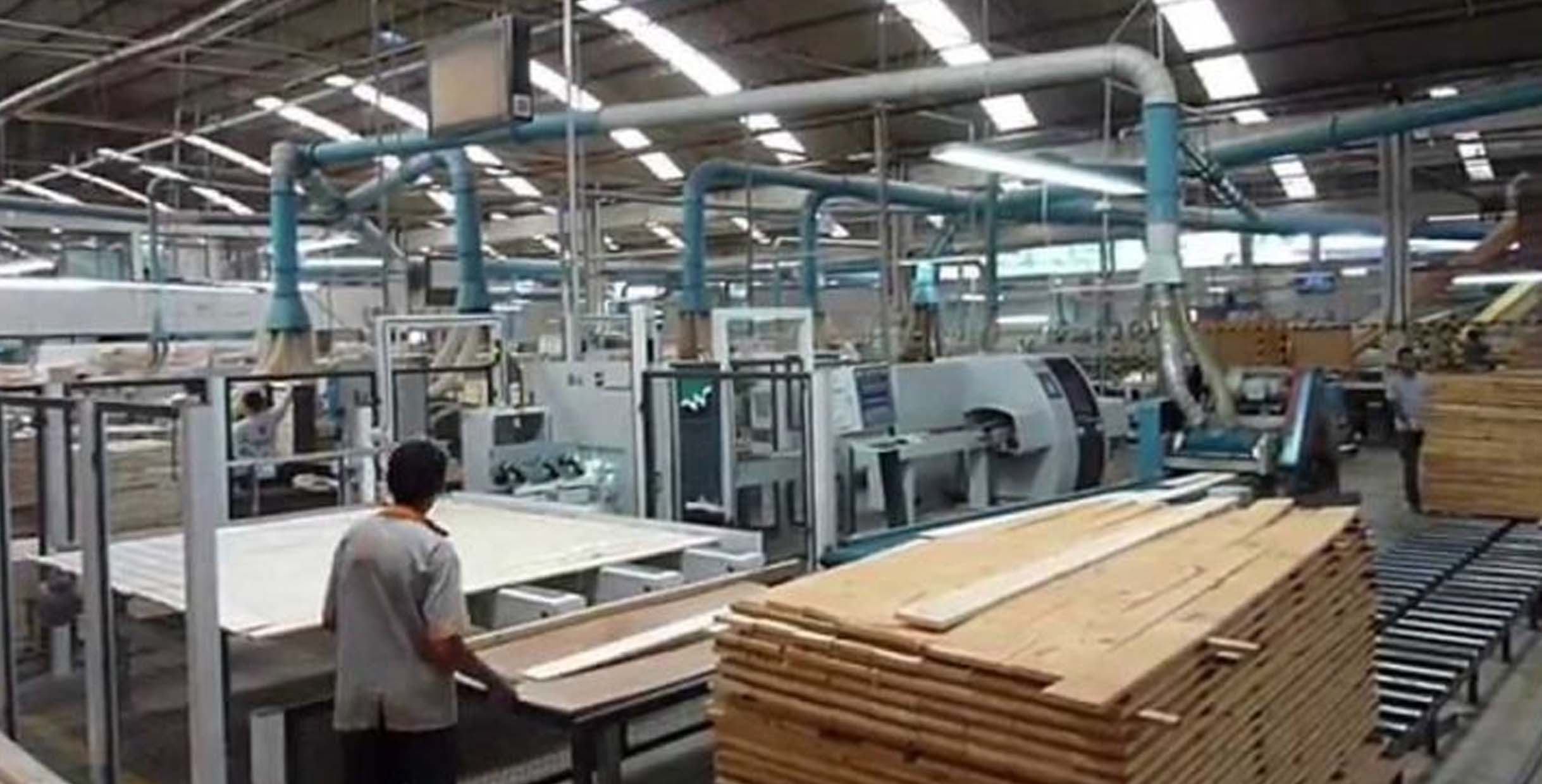
- Nwee ihe nrụnye ụlọ, igwe na ụlọ ọrụ nka nka
🧭 Ndụmọdụ Pro:
Use trade platforms like Alibaba Verified Suppliers, Made-in-China, or Global Sources, but always confirm the factory’s real business license and visit or video-tour their facility before placing large orders.
3. Kọwaa nkọwapụta ngwaahịa gị
Tupu ịkpọtụrụ ụlọ ọrụ mmepụta ihe, mee ka ihe ndị ị chọrọ doo anya ma detuo ya.
Factories value clients who know what they want — it speeds up quoting and avoids mistakes.
Isi nkọwa gụnyere:
- Ụdị ngwaahịa (oche, tebụl, ụlọ ntu, tent n'èzí)
- Akụrụngwa (osisi siri ike, igwe, akwa, HPL, anya marble)
- Emecha (nkpuchi ntụ ntụ, mkpuchi, koodu agba agba)
- Akụkụ ma ọ bụ eserese CAD
- Ọnụọgụ ebumnuche na usoro nnyefe
4. Nyochaa ikike ụlọ ọrụ
Here’s what to look for when assessing whether a manufacturer can meet your needs:
| Mpaghara Nyocha | Ihe ị ga-elele | Ihe Mere O Ji Dị Mkpa |
|---|---|---|
| Ike mmepụta | Mmepụta kwa ọnwa & ndị ahịa bụ isi | Na-eme ka nnyefe n'oge |
| Njikwa ihe onwunwe | Isi mmalite nke osisi/ọla & asambodo | Na-egbochi ịdị mma ekwekọghị ekwekọ |
| Ikike nhazi | CNC, ịcha laser, ụlọ ọrụ ihe mkpuchi | Na-akwado imewe nke ọma |
| Usoro QC | Nyocha n'ime ụlọ, nlele ndị ọzọ | Na-ekwe nkwa ịdị mma |
| Ahụmịhe mbupụ | Akwụkwọ mbupu, ama ama nke incoterms | Na-ebelata ihe egwu kọstọm |
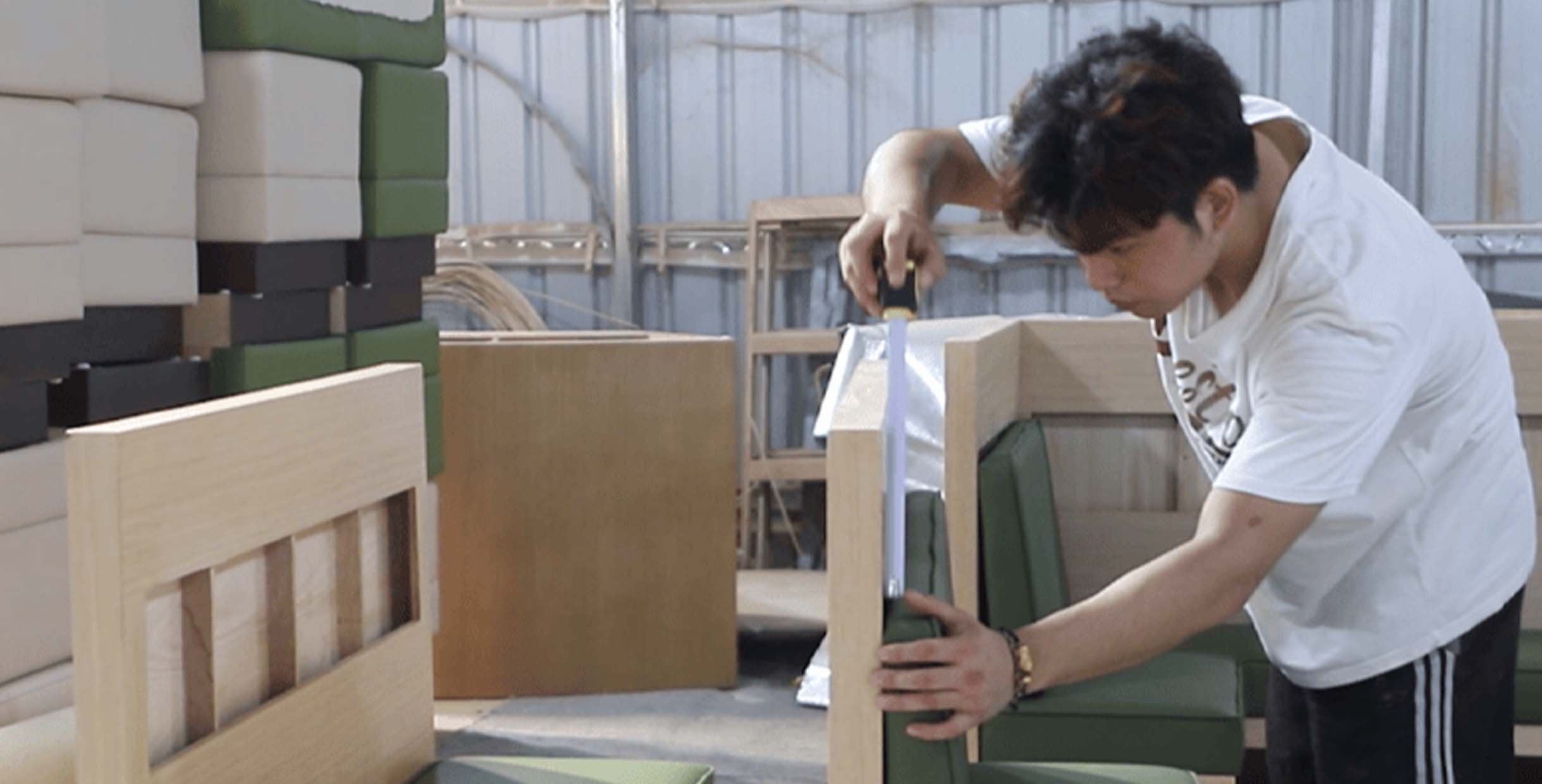
5. Tulee ọnụahịa n'ụzọ doro anya
Mgbe ị na-enweta nhota okwu, jide n'aka na ị na-atụnyere apụl na apụl.
Two factories may quote vastly different prices — not because one is cheating, but because they may be using different materials or finishes.
📊 Ọmụmaatụ atụnyere ọnụ ahịa (Ọkara FOB ọnụahịa 2025)
| Ụdị ngwaahịa | Ihe onwunwe | Ọnụ ahịa echere (USD/Unit) | MOQ |
|---|---|---|---|
| Oche oriri | Frame metal + PU Akpụkpọ anụ | $45–$65 | 50 pcs |
| Tebụl ụlọ oriri na ọṅụṅụ | HPL Top + Iron isi | $90–$130 | 20 tent |
| Ụlọ ntu | Osisi + Ihe eji akwa ákwà | $220–$350 | 10 pcs |
| Ogwe Stool | Osisi siri ike + ígwè | $60–$90 | 30 pcs |
💡 Ndụmọdụ: Avoid extremely low quotes. Quality shortcuts often appear later — in weak welds, unstable tables, or fading finishes.
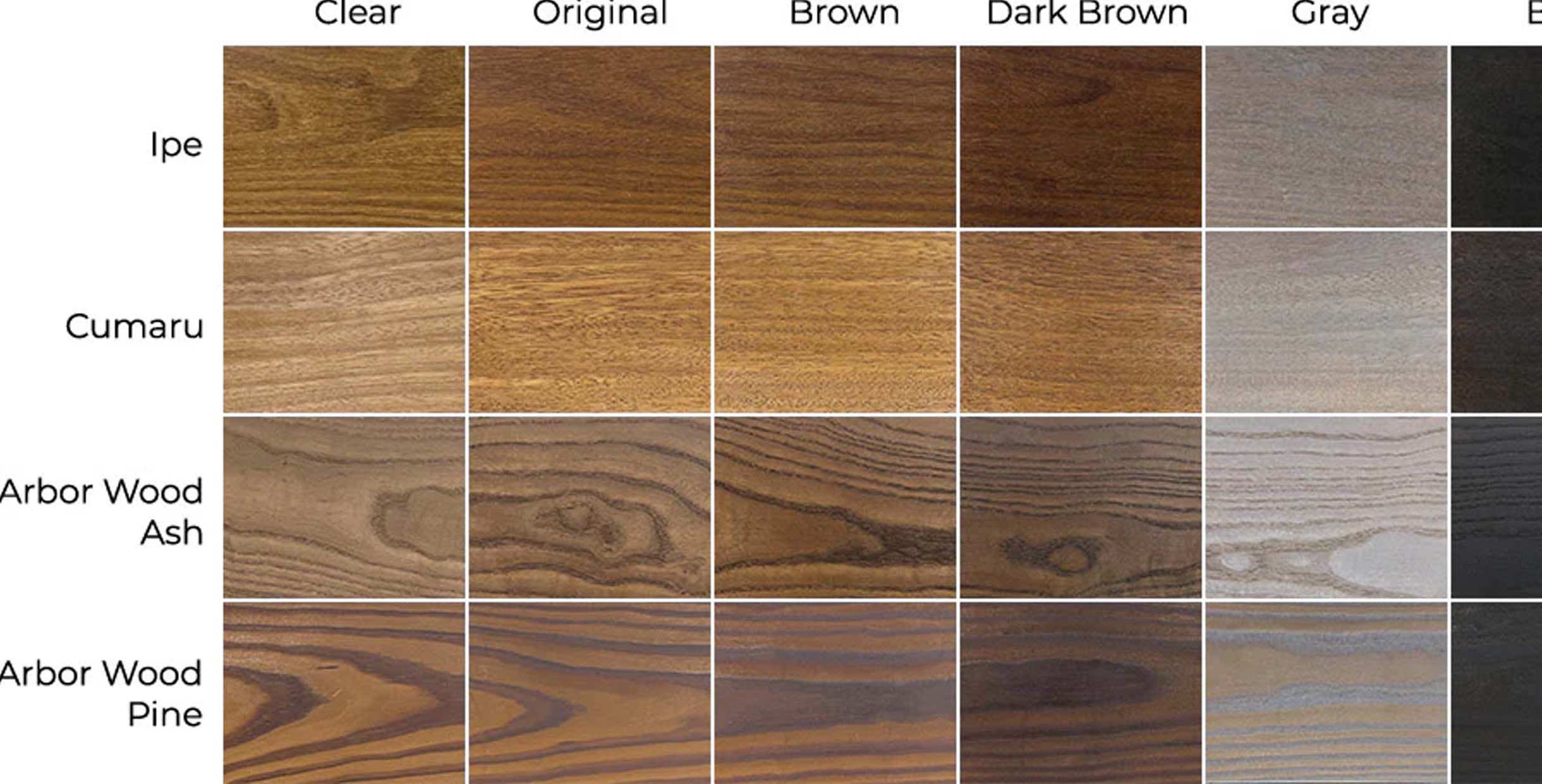
6. Họrọ Ngwa ziri ezi
Nhọrọ nke ihe gị na-emetụta ịdịte aka na mmezi ozugbo.
N'okpuru bụ ntụnyere ihe ndị a na-ejikarị eme ihe ụlọ oriri na ọṅụṅụ na-enye ngwá ụlọ.
Tebụl 📘: Ntụnyere ihe maka akụrụngwa ụlọ oriri na ọṅụṅụ
| Ihe onwunwe | Ịdị ogologo | Nlekọta | Ọdịdị | Ọnụ |
|---|---|---|---|---|
| Osisi siri ike (Oak, Beech) | ★★★★★ | Ọkara | Eke, enweghị oge | $$$ |
| Ọla (igwe, aluminom) | ★★★★☆ | Dị ala | Ụlọ ọrụ mmepụta ihe, ọgbara ọhụrụ | $$ |
| Laminate / HPL | ★★★★☆ | Dị ala | Ụkpụrụ nwere ike ịhazi ya | $ |
| Ihe mkpuchi (PU, ákwà) | ★★★☆☆ | Ọkara | Dị nro, dị mma | $$ |
| Rattan / Wicker (n'èzí) | ★★★☆☆ | Dị ala | Nke nkịtị, rustic | $$ |
7. Jikwaa Logistics na Mbupu
Once production is complete, factories can assist with logistics — but you decide the Incoterm (e.g., EXW, FOB, CIF).
Nhọrọ mbupu ndị a na-ahụkarị:
- FOB (Free on Board) – Factory handles export paperwork; you manage ocean freight.
- CIF (Cost, Insurance, Freight) – Factory arranges delivery to your nearest port.
- DDP (Delivered Duty Paid) – Door-to-door delivery (more costly, most convenient).
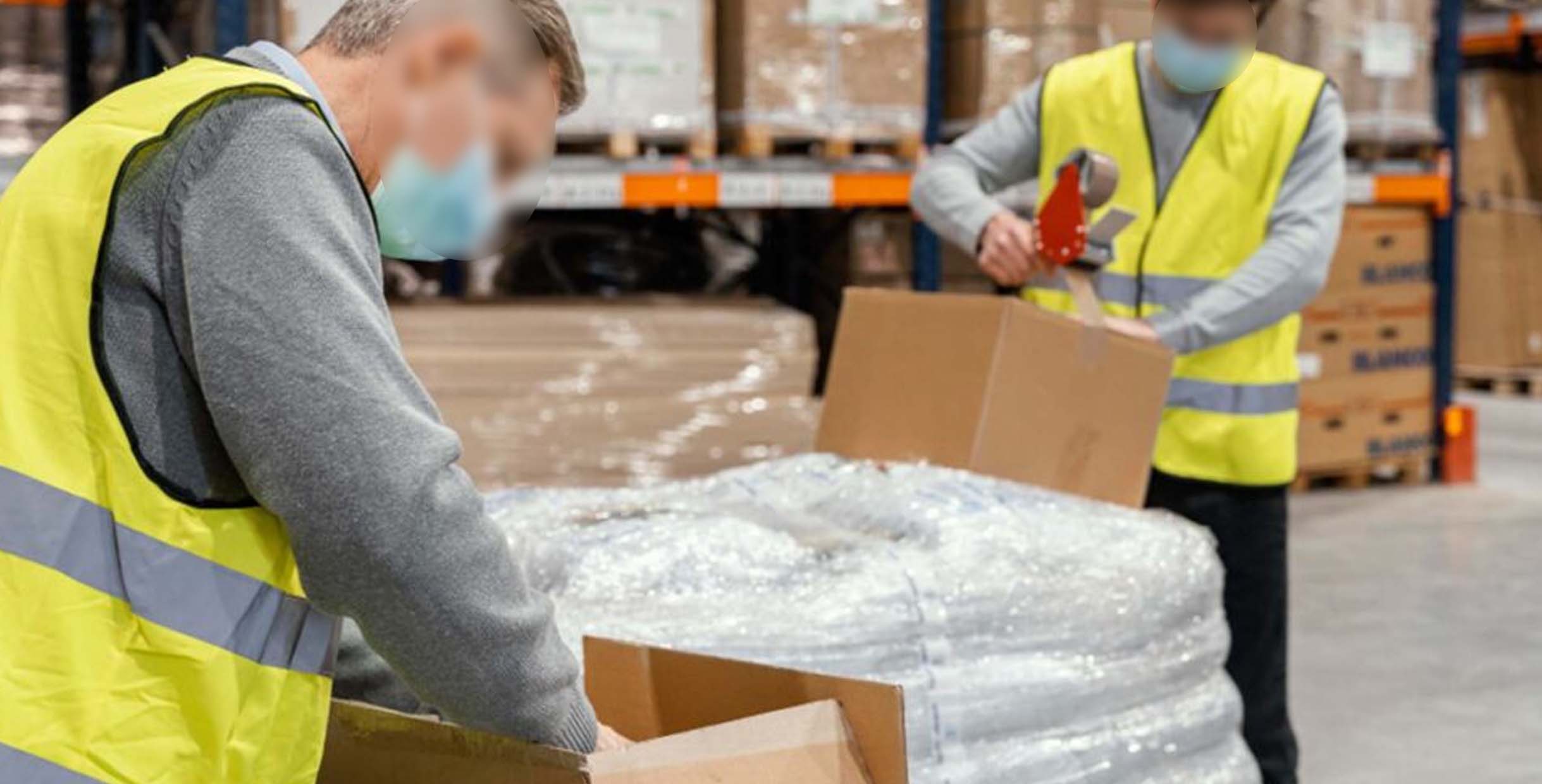
📦 Maka ihe ndị na-esighi ike dị ka tebụl marble, hụ:
- Nkwakọ ngwaahịa ụfụfụ siri ike
- Nkwado crate osisi
- Ngwunye palletized maka nkwụsi ike
8. Njikwa Ogo & Nyocha
Before shipment, always perform a final inspection — either yourself or through a third party like SGS, BV, or TUV.
Ndepụta nlele:
- Lelee nkwonkwo na weld maka ike
- Kwenye n'omume mmecha egwuregwu
- Nyochaa nkwụsi ike na nguzozi
- Nyochaa nkwakọ ngwaahịa na akara
It’s worth the extra $200–$400 inspection cost to prevent expensive rework later.
9. Nkwado na asambodo
N'afọ 2025, ndị na-azụ ahịa na-ahụ maka gburugburu ebe obibi na-elekọta ebe arịa ụlọ iri nri ha si abịa.
Factories with FSC, ISO14001, or CARB-compliant certifications demonstrate sustainable manufacturing.
Sustainable furniture not only boosts your brand image but can also attract green-minded guests — a key differentiator in competitive hospitality markets.
10. Mepụta mmekọrịta ndị na-eweta ngwaahịa ogologo oge
Ụlọ ọrụ mmepụta ihe na-eji ndị ahịa eme ihe.
When you maintain communication and provide clear feedback, manufacturers prioritize your orders and offer better rates.
Mmekọrịta siri ike nwere ike iduga:
- Oge ndu ngwa ngwa
- Nwepu aha ahaziri ahazi
- Mmekọrịta imewe pụrụiche
Think of it not as a one-time purchase — but as building your supply chain advantage.
💡 Ntugharị ngwa ngwa: Nzọụkwụ iji nweta akụrụngwa ụlọ oriri na ọṅụṅụ sitere na ụlọ ọrụ
| Nzọụkwụ | Omume | Nsonaazụ isi |
|---|---|---|
| 1 | Ụlọ ọrụ nyochara | Chọpụta ndị ahịa kwesịrị ntụkwasị obi |
| 2 | Kọwaa nkọwapụta | Mee ka nhota okwu dị ngwa |
| 3 | Tulee nkwuputa okwu | Nhazi ego na ịdị mma |
| 4 | Kwenye nlele | Kwado imewe na ịdịte aka |
| 5 | Nyochaa tupu mbupu | Gbaa mbọ hụ na ọ nweghị ihe ịtụnanya |
| 6 | Nọgide na-enwe nkwurịta okwu | Wulite mmekorita ogologo oge |
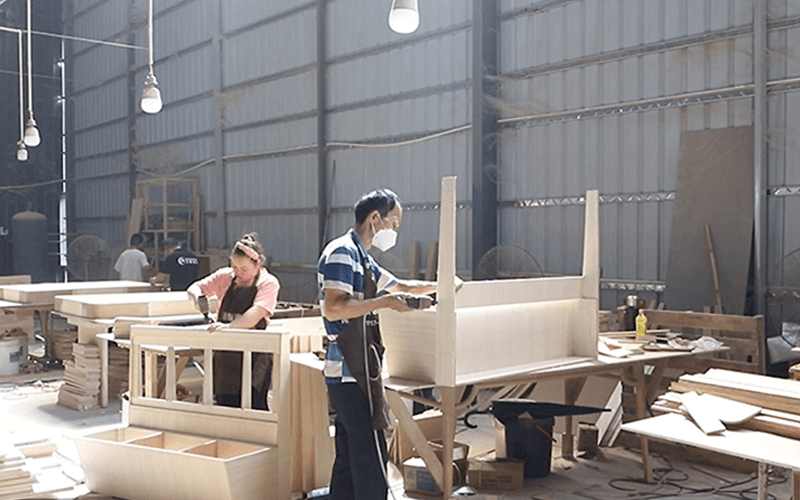
🔍 Ajụjụ
Q1: Gịnị bụ kacha nta usoro ibu (MOQ) maka ọtụtụ ụlọ mmepụta ihe?
A: Na-emekarị 20-50 iberibe kwa nlereanya, ma negotiable maka ọhụrụ aghụghọ.
Q2: Ụlọ ọrụ nwere ike ijikwa nhazi ụlọ oriri na ọṅụṅụ zuru oke?
A: Yes, many offer layout planning and 3D renderings for tables, chairs, and booths.
Q3: Kedu ụzọ kacha mma iji hụ na mbupu dị mma?
A: Họrọ nkwakọ ngwaahịa mbupụ ọkachamara (ụfụ + plywood crate + pallet).
Q4: Ogologo oge ole ka mmepụta na-ewe?
A: Average 6–8 weeks for standard items; 10–12 weeks for full customization.
🏁 Echiche Ikpeazụ
Isi mmalite ụlọ oriri na ọṅụṅụ na-enye ngwá ụlọ directly from a factory is one of the best ways to elevate your restaurant’s quality while controlling your costs. The process demands preparation — but when done right, it ensures your dining space looks beautiful, lasts long, and truly reflects your brand identity.
If you’re seeking a trusted partner with global shipping, full customization, and contract-grade manufacturing, consider MingMeng ngwá ụlọ — a professional restaurant furniture factory specializing in bespoke designs for restaurants, cafés, and hotels worldwide.