
 English
 中文
 日本語
 한국어
 العربية
 Русский
 Português
 Türkçe
 हिन्दी
 Tiếng Việt
 ไทย
 Indonesia
 Melayu
 ខ្មែរ
 ລາວ
 မြန်မာ
 Afrikaans
 Hausa
 Igbo
 Sesotho
 isiXhosa
 Yorùbá
 isiZulu
Opening a new restaurant or renovating an existing space in the US is an exciting venture. But amidst choosing color palettes and floor plans, there’s a critical, non-negotiable factor that many international buyers overlook: Fire Safety Compliance.
In 2026, fire codes across the United States are stricter than ever. Using non-compliant furniture isn’t just a risk; it’s a liability that can lead to failed inspections, voided insurance policies, and in the worst-case scenario, catastrophic legal consequences.
Na MingMeng ngwá ụlọ, we understand that sourcing commercial seating from overseas can feel daunting when it comes to local regulations. This guide breaks down everything you need to know about fire-rated booths and chairs, ensuring your next project passes inspection with flying colors.
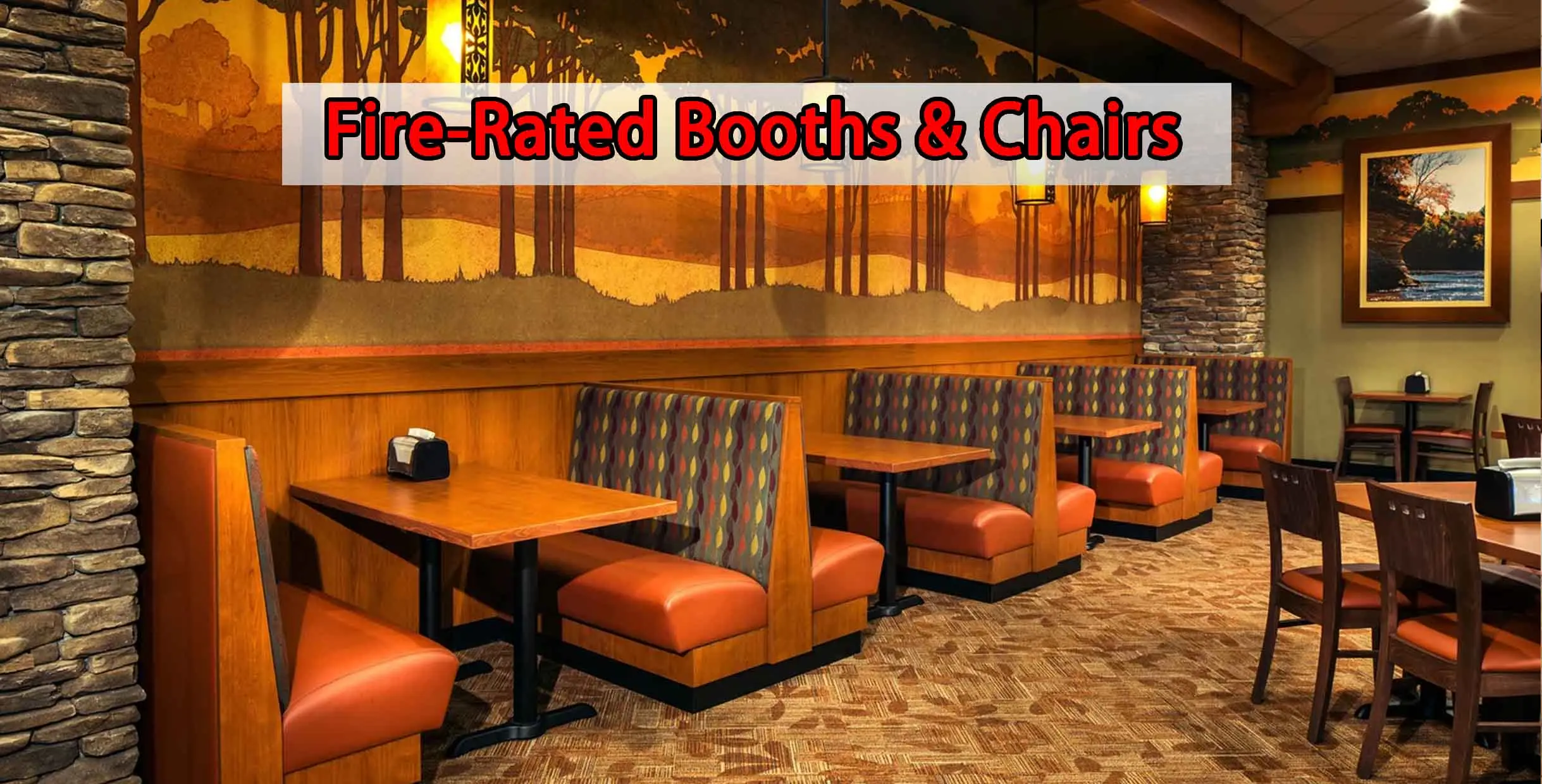
Why Fire Safety Standards Matter for Your Restaurant Business
Before diving into technical specs, let’s address the “why.” Many restaurant owners assume that if a chair looks sturdy, it’s safe. This is a dangerous misconception.
The Risks of Non-Compliant Furniture
- Failed Inspections: Local fire marshals conduct rigorous checks before issuing a Certificate of Occupancy. If your upholstery doesn’t meet the state’s specific flammability standards, you cannot open your doors. The cost of replacing hundreds of chairs last-minute is devastating.
- Insurance Voidance: Most commercial property insurance policies explicitly require compliance with local fire codes. If a fire occurs and your furniture is found to be non-compliant, your claim could be denied, leaving you with total loss.
- Legal Liability: In the event of an injury or fatality, negligence regarding safety standards can lead to massive lawsuits against the business owner.
Understanding Key US Standards: CAL 117-2013, NFPA, and TB 117
The US doesn’t have a single “national” furniture law; it’s a patchwork of state and local codes. However, a few key standards dominate the industry:
- CAL 117-2013 (California Technical Bulletin 117-2013): This is the gold standard. Originally designed for California, it has been adopted by many other states and major hotel chains nationwide. It tests the flammability of smoldering ignition sources (like a cigarette) on upholstery materials. Crucially, the 2013 update focuses on the fabric and filling without requiring harmful chemical flame retardants, making it safer for health and the environment.
- NFPA 101 (Life Safety Code): Often referenced by building codes, this covers broader life safety requirements, including how furniture behaves in a fire scenario within assembly occupancies (like restaurants).
- TB 117 (Old Standard): You might still hear references to the older TB 117. Be aware that this required chemical treatments that are now largely obsolete due to health concerns. Always aim for CAL 117-2013 compliance for modern projects.
Ndụmọdụ Pro: Always ask your local fire marshal or general contractor which specific bulletin applies to your city. When in doubt, CAL 117-2013 is the safest bet for nationwide compatibility.
Key Features of Compliant Commercial Seating
Not all “commercial grade” furniture is fire-rated. Here is what physically makes a booth or chair compliant.
Fire-Retardant Foams vs. Standard Foam
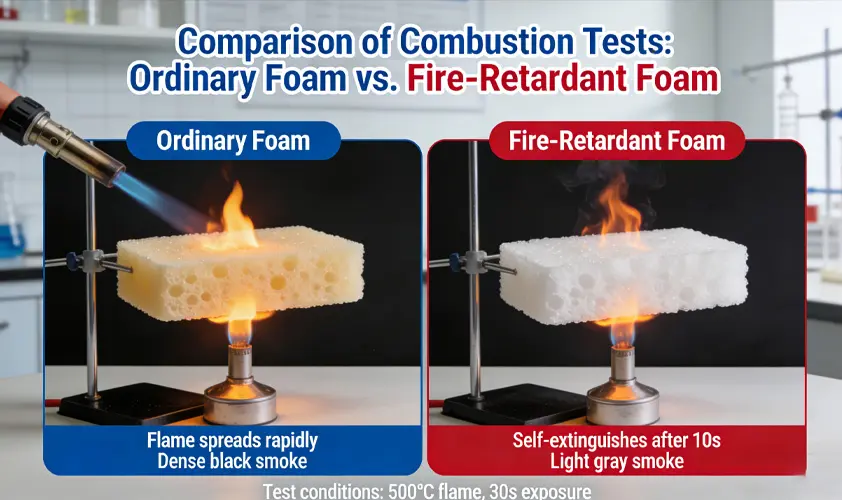
The heart of a comfortable booth is the foam. Standard polyurethane foam is highly flammable and acts as an accelerant in a fire.
- Compliant Solution: Fire-rated seating uses High-Resilience (HR) Foam treated with fire-retardant additives or inherently fire-resistant foam structures. These materials are designed to self-extinguish once the ignition source is removed, preventing the fire from spreading rapidly through the seating area.
Fabric Treatments: Inherent vs. Topical Fire Resistance
Your fabric choice is the first line of defense.
- Topical Treatments: Chemicals sprayed onto the fabric surface. While effective initially, they can wear off over time with heavy cleaning or abrasion.
- Inherent Resistance: Fibers (like certain modacrylic blends or treated wools) that are fire-resistant by their very nature. This is the premium choice for high-traffic restaurants as the protection lasts the lifetime of the fabric.
- MingMeng Standard: We offer both options, but for US projects, we strongly recommend fabrics that pass CAL 117-2013 testing regardless of treatment type, ensuring long-term safety.
Frame Materials: Steel vs. Wood in Fire Scenarios
While upholstery gets the most attention, the frame matters too.
- Steel Frames: Naturally non-combustible. In a fire, steel maintains structural integrity longer than wood, providing crucial seconds for evacuation.
- Osisi osisi: Must be treated or sealed with fire-retardant varnishes to meet certain strict local codes, though often the focus remains on the upholstery. For maximum safety in high-risk zones, steel-framed booths are often preferred by insurance adjusters.
Common Mistakes Restaurant Owners Make When Sourcing Furniture
Sourcing from international manufacturers like MingMeng offers incredible value, but it requires due diligence.
Mistake #1: Assuming “All Commercial Furniture” is Fire-Rated
Just because a supplier says a chair is “for hotels” doesn’t mean it meets US fire codes. Many Asian or European domestic standards differ significantly from US regulations. Always request the specific test report.
Mistake #2: Ignoring State-Specific Regulations
What works in Nevada might not work in New York City or Boston. Some cities have amendments to the state code. Failing to verify this before shipping can result in containers full of unusable furniture sitting at the port.
Mistake #3: Not Verifying the Supply Chain
Some suppliers claim compliance but cannot produce valid, third-party lab test reports. In the B2B world, trust but verify.
How MingMeng Ensures 100% Compliance for US Projects
At MingMeng Furniture, we don’t just sell chairs; we sell peace of mind. Here is our compliance protocol for US-bound orders:
- Pre-Production Verification: Before cutting any fabric or foam, we confirm the specific fire standard required for your project location (e.g., CAL 117-2013).
- Certified Materials: We source foams and fabrics exclusively from suppliers who provide up-to-date, accredited laboratory test certificates.
- Batch Testing: For large projects, we can arrange for third-party testing of the final production batch to ensure consistency.
- Documentation Package: Every shipment to the US comes with a Compliance Dossier, including copies of all relevant fire test reports, ready to be handed to your local fire inspector.
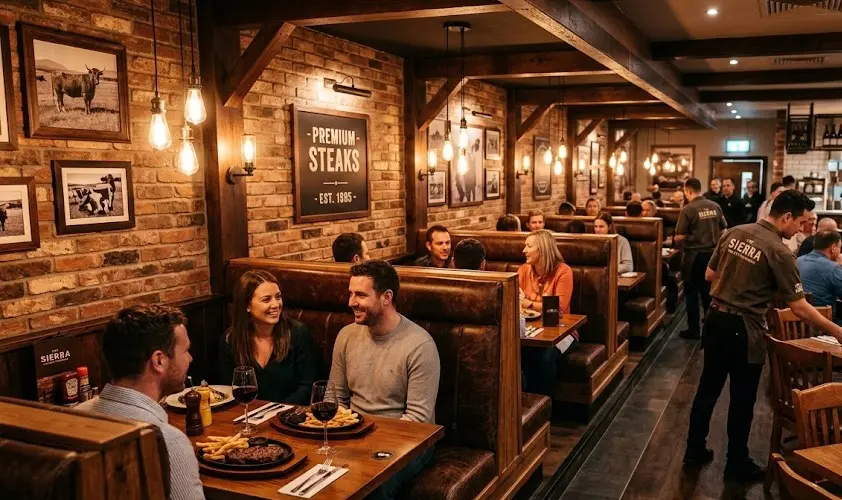
Case Study: Saving a Texas Steakhouse Chain
Last year, a growing steakhouse chain in Texas needed to furnish 15 new locations. Their initial supplier provided chairs that looked great but failed the local fire marshal’s spot check due to outdated foam standards.
They turned to MingMeng mid-project. We rapidly sourced CAL 117-2013 compliant vinyl and HR foam, manufactured 500 custom booths in 4 weeks, and provided the full documentation package. Result? All 15 locations passed inspection on the first try, opening on schedule.
Checklist: Questions to Ask Your Furniture Manufacturer
Before you sign a contract or pay a deposit, copy and paste these questions to your supplier:
- ✅ “Can you provide a current CAL 117-2013 test report for the specific fabric and foam combination I am ordering?”
- ✅ “Is the fire resistance inherent to the fiber, or is it a topical treatment? How does this affect cleaning and longevity?”
- ✅ “Do your frames meet any specific structural fire standards for commercial use?”
- ✅ “Will you include hard copies of all fire safety certificates with my shipment?”
- ✅ “What is your policy if the furniture fails a local fire inspection due to material non-compliance?”
(Download our full [Restaurant Furniture Compliance Checklist PDF] here)
Conclusion & Next Steps
Navigating fire safety regulations doesn’t have to be a headache. By understanding the basics of CAL 117-2013, asking the right questions, and partnering with a manufacturer who prioritizes compliance, you protect your investment and your customers.
Don’t gamble with your restaurant’s future. Ensure your seating is safe, stylish, and fully compliant.
Ready to start your project?
Contact the MingMeng Wholesale Team today. Tell us your location, and we’ll recommend the perfect fire-rated booths and chairs that meet your local codes and design vision.