

 English
 中文
 日本語
 한국어
 العربية
 Русский
 Português
 Türkçe
 हिन्दी
 Tiếng Việt
 ไทย
 Indonesia
 Melayu
 ខ្មែរ
 ລາວ
 မြန်မာ
 Afrikaans
 Hausa
 Igbo
 Sesotho
 isiXhosa
 Yorùbá
 isiZulu
In an era of metal and plastic, dining chairs in wood remain the gold standard for hospitality. They offer a tactile warmth and acoustic dampening quality that industrial materials simply cannot match. Whether it’s a rustic farmhouse bistro or a high-end steakhouse, wood anchors the room.
However, organic materials move. Wood expands, contracts, and can crack if not engineered correctly for commercial environments.
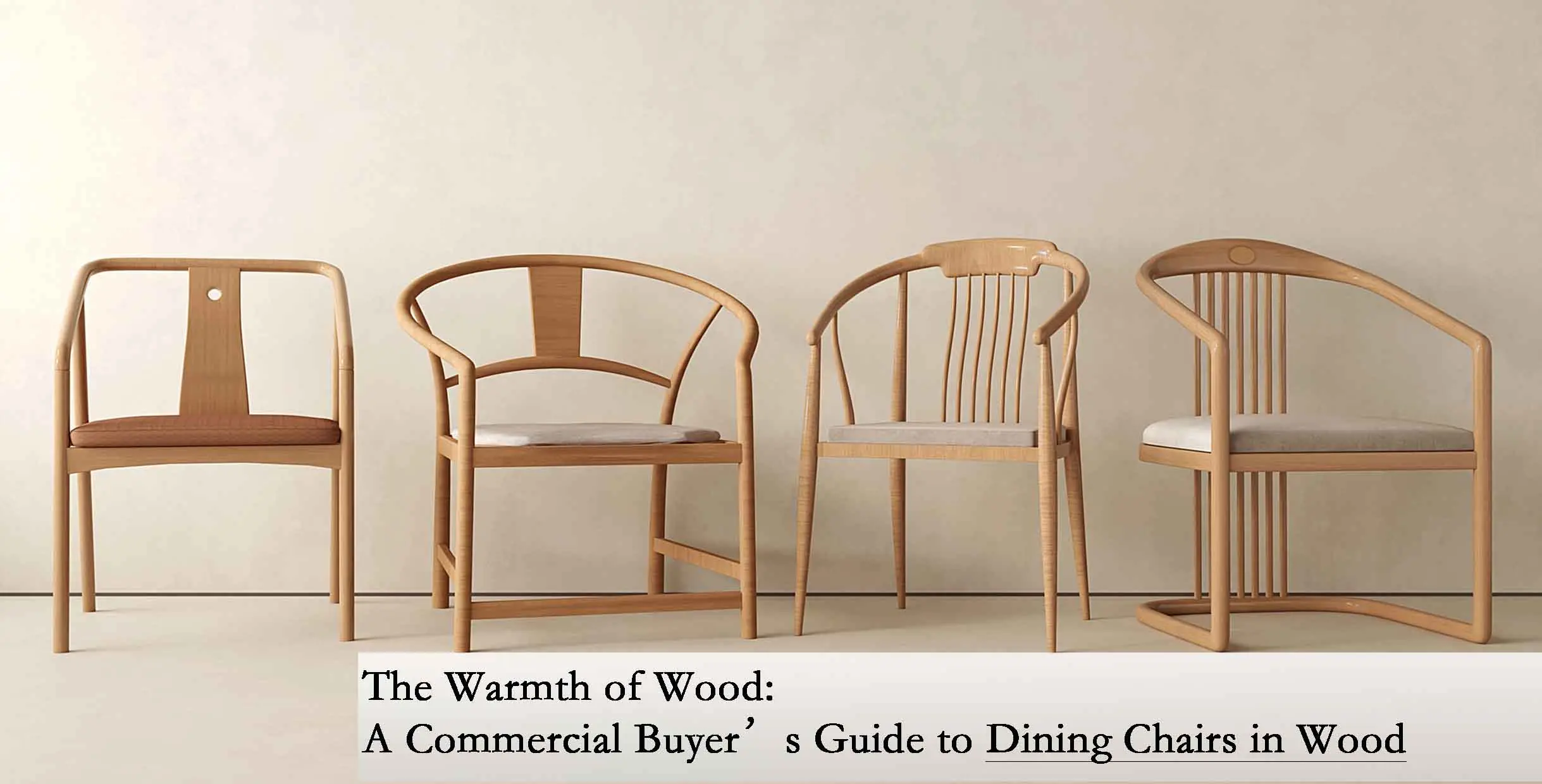
As a restaurant owner or buyer, you aren’t just buying a “look”; you are buying a structure. This guide explains the critical differences between a chair that lasts 6 months and one that lasts 10 years.
1. The Wood Species Hierarchy: Janka Hardness Matters
The durability of dining chairs in wood starts with the tree itself. We use the Janka Hardness Scale (measured in pounds-force) to determine suitability for high-traffic zones.
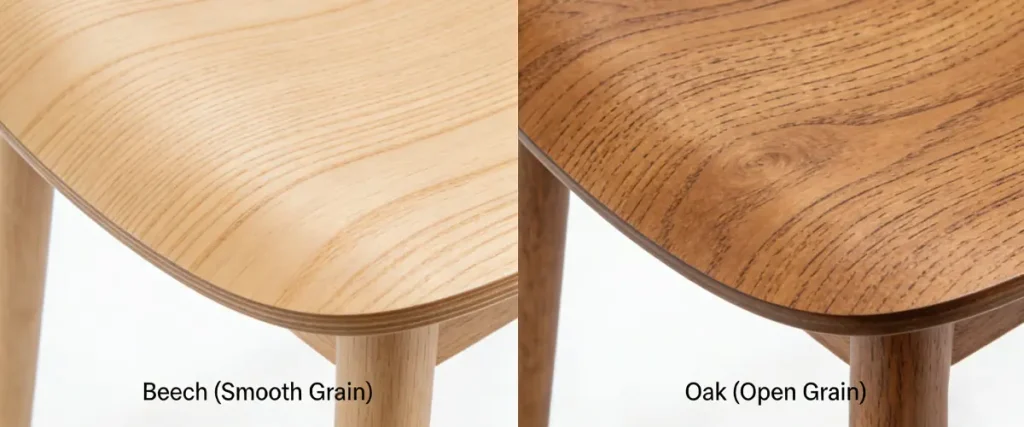
European Beech (The Industry King)
- Why it wins: Beech is hard (1,450 lbf), has a tight grain (resists chipping), and bends exceptionally well under steam. This is why the famous Thonet No. 14 bistro chair is made of Beech.
- Dara julọ Fun: 90% of commercial restaurant chairs.
Oak (White & Red)
- Why it wins: Oak (1,360 lbf) is prized for its prominent grain patterns. It hides scratches better than uniform woods and takes stain beautifully.
- Dara julọ Fun: Traditional pubs and steakhouses desiring a “heavy” look.
Rubberwood (The Budget Trap?)
- Otitọ: Often marketed as “Asian Hardwood” or “Plantation Wood.” It is softer (~960 lbf) and more prone to denting.
- Idajọ: Acceptable for budget-conscious cafes, but not recommended for high-volume nightclubs or 24-hour diners.
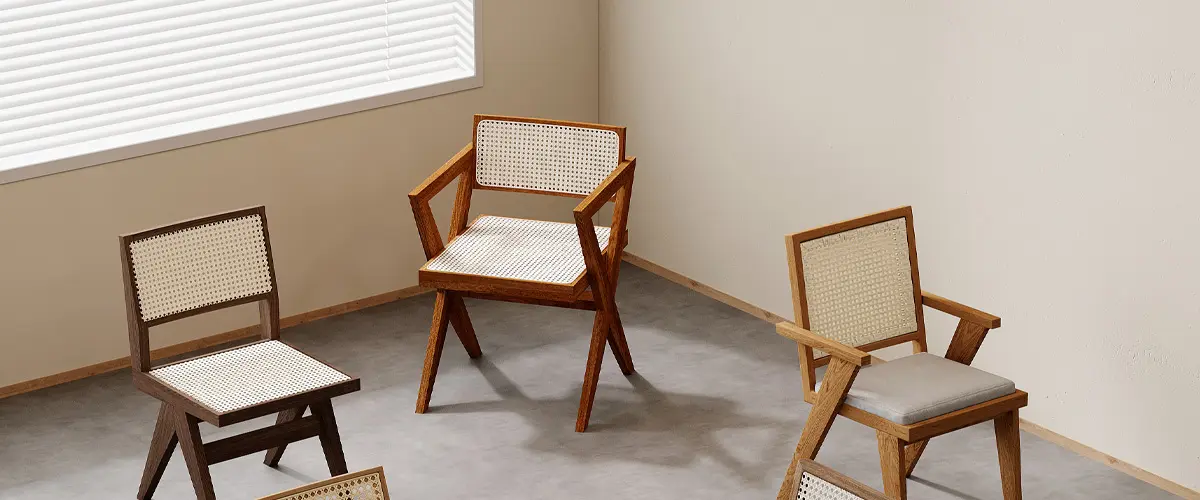
2. Construction: The “Mortise and Tenon” Imperative
If you take one thing from this guide, let it be this: Never buy commercial dining chairs in wood held together solely by screws.
The Gold Standard: Mortise & Tenon
This ancient joinery technique involves inserting a projecting piece of wood (tenon) into a hole (mortise) and gluing it under pressure.
- Kini idi ti o ṣe pataki: It creates a mechanical bond that is stronger than the wood itself.
- The Reinforcement: Look for chairs with Corner Blocks that are glued ati screwed. This triangular block prevents the chair frame from “racking” (wobbling side-to-side) when a heavy guest shifts their weight.
3. The Finish: Protecting the Investment
Raw wood absorbs water, grease, and wine like a sponge. Your dining chairs in wood must be sealed with a Catalyzed Lacquer.
- Catalyzed vs. Standard Lacquer:
- Standard: Dries by evaporation. Can be re-dissolved by alcohol (e.g., a spilled vodka shot).
- Catalyzed: Cures chemically creates a hard shell that is impervious to alcohol, bleach, and heat.
- Idanwo naa: Ask your supplier if their finish passes the “Nickel Test” (rubbing a nickel across the finish shouldn’t leave a mark).
4. Comparison Chart: Wood Chair Styles
| Ara | Bentwood (Thonet Style) | Ladderback | Parsons (Upholstered) | Windsor |
|---|---|---|---|---|
| Ohun elo | Steam-bent Beech | Solid Oak/Beech | Wood Frame + Fabric | Spindled Wood |
| Vibe | Parisian Cafe | Classic American | Fine Ile ijeun | Rustic / Farmhouse |
| Iwọn | Ìwúwo Fúyẹ́ | Alabọde | Eru | Alabọde |
| Itoju | Kekere | Kekere | Medium (Fabric care) | Medium (Dusting spindles) |
5. Maintenance: The “No-Water” Rule
Wood is living material, even after it’s cut. To keep your dining chairs in wood pristine:
- Humidity Control: Wood breathes. Maintain indoor humidity between 35-50%. Extreme swings will cause joints to crack.
- The “Damp Cloth” Only: Never soak wood chairs. Wipe with a damp cloth followed immediately by a dry cloth.
- Check the Glides: Worn-out floor glides will cause the chair to drag unevenly, putting stress on the leg joints. Replace glides every 12 months.
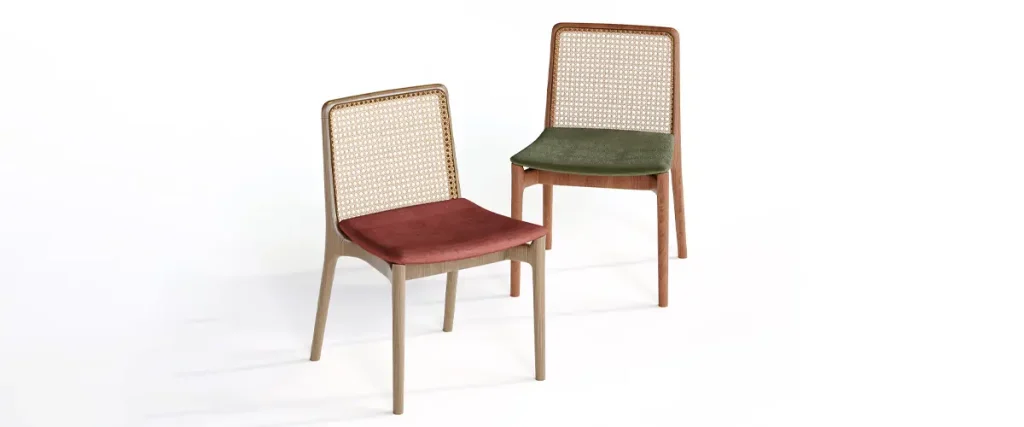
6. Awọn ibeere Nigbagbogbo (FAQ)
Q: Can I stack wooden dining chairs?
A: Generally, no. Most dining chairs in wood are designed for permanence and stability. If stacking is a requirement for your event space, look for specific “Stacking Wood” models that have reinforced bumpers to prevent wood-on-wood scratching.
Q: Why are my wooden chairs wobbling?
A: It is rarely the legs being different lengths; it is usually the floor. However, if the joints are loose, inject wood glue into the loose joint and clamp it for 24 hours. Do not just tighten the screws—screws don’t hold wood together; glue does.
Q: Is solid wood better than plywood?
A: For legs and structural rails, Igi ti o lagbara is mandatory. For the seat or curved backrest, Engineered Plywood is actually superior because it is stronger than solid wood in multiple directions and resists warping.
Timeless Quality for Your Venue
Invest in furniture that ages gracefully. Explore our collection of handcrafted, commercial-grade igi ile ijeun ijoko,built to withstand the rigors of the hospitality industry.


