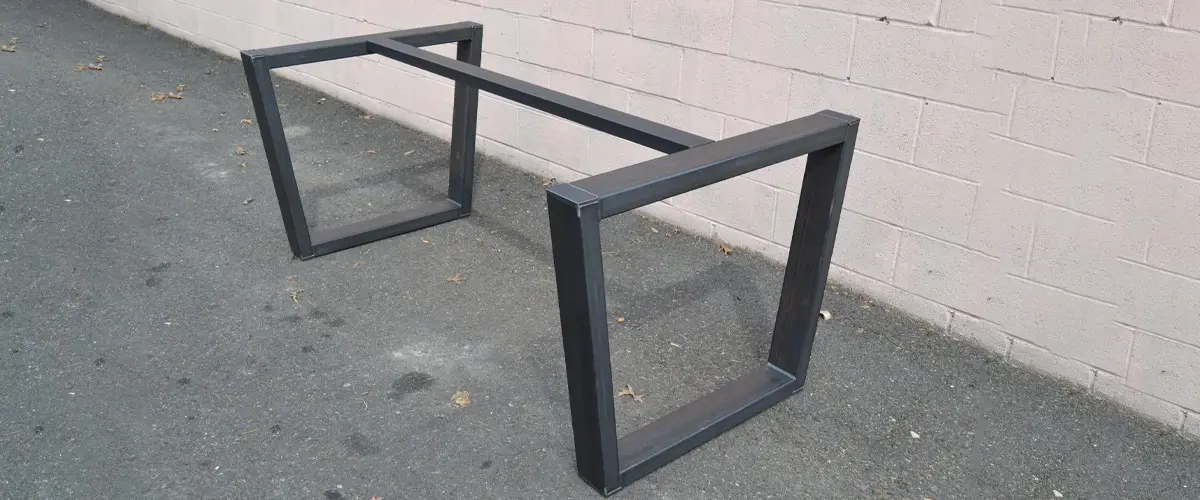
Akoni ti ko gbo: Itọsọna imọ-ẹrọ si Awọn ipilẹ tabili Awọn ohun-ọṣọ Ile ounjẹ
2026-02-15
In the world of hospitality design, the tabletop gets all the glory, but the ounjẹ aga tabili ìtẹlẹ do all the work.
A beautiful marble top on a flimsy base is a liability. It leads to spilled drinks, wobbly dining experiences, and in worst-case scenarios, injury lawsuits from tipping tables.
For the professional buyer, selecting a table base is an exercise in physics, not just aesthetics. You must balance Center of Gravity, Base Spread, and Material Weight. This guide serves as your engineering handbook for building a stable dining foundation.
1. Material Physics: Cast Iron vs. Steel vs. Aluminum
The Pro: Mass. Cast iron is incredibly dense. A heavy base lowers the center of gravity, allowing you to use larger or heavier tabletops (like Granite or Butcher Block) without tipping.
The Con: It is brittle and heavy to move.
Dara julọ Fun: Indoor steakhouses, pubs, and fixed dining layouts.
Stainless Steel (304 Grade)
The Pro: Corrosion resistance and modern aesthetics. High-quality 304-grade steel resists rust even in salty coastal air.
The Con: lighter than iron; requires a wider base spread for stability.
Dara julọ Fun:Outdoor Patios, modern cafes, and coastal venues.
Aluminum (The Lightweight)
The Pro: Easy to move for staff.
The Con: Too light to support heavy tops. Often requires a “Bolt-Down” installation or added ballast weights.
Dara julọ Fun: Stackable outdoor furniture or sidewalk cafes that pack up nightly.
2. The Geometry of Stability: “Base Spread” Rules
The most common mistake we see? Putting a large top on a small base. To prevent tipping, you must match the Base Spread (the diameter of the feet on the floor) to the Table Top Size.
General Engineering Rule of Thumb: The base spread should be no less than 2/3 of the table top width.
24″ Round Top: Needs ~17-18″ Base Spread.
30″ Round Top: Needs ~22″ Base Spread.
36″ Round Top: Needs ~28-30″ Base Spread.
⚠️ Warning: If you are using heavy stone tops, upscale the base spread by one size tier for safety.
3. Technology: Solving the “Wobbly Table”
Nothing kills the mood faster than a server kneeling on the floor to shove a coaster under a table leg.
Self-Leveling Technology (FLAT® Tech)
Igbalode ounjẹ aga tabili ìtẹlẹ now come with hydraulic or mechanical stabilization.
How it works: The feet independently adjust to the floor contours (like cobblestones or uneven tile) and lock in place.
The ROI: Saves staff time (no more adjusting) and saves money (no more comping drinks due to spills).
Bolt-Down Bases
The Ultimate Fix: For permanent layouts (like booths), Bolt-Down Bases are drilled directly into the concrete or subfloor. They offer 100% stability and keep aisles perfectly aligned.
4. Height Standards: Dining vs. Bar vs. ADA
When ordering ounjẹ aga tabili ìtẹlẹ, clarify the column height (measured from floor to top of the mounting plate).
Dining Height: 28″ – 29″ (Standard).
Counter Height: 34″ – 36″ (Communal tables).
Bar Height (Pub): 40″ – 42″ (Standing or barstools).
ADA Accessible: Must provide at least 27″ of knee clearance. Ensure your base design (like a T-Base or cantilever) allows a wheelchair to roll under without hitting the central column.
5. Comparison Chart: Choosing Your Base Style
Base Style
X-Base (Cross)
Round Disc Base
T-Base (2-Legs)
Cantilever (Wall)
Iduroṣinṣin
High (4 contact points)
High (Full perimeter)
Alabọde
Very High (Wall mounted)
Foot Room
Excellent (Corners open)
Medium (Can limit feet)
Excellent (Sides open)
Best (No floor obstruction)
Best Top Shape
Square / Round
Yika
onigun merin
Rectangular (Booths)
Cleaning
Easy to sweep under
Dust collects on disc
Rọrun
Easiest
6. Awọn ibeere Nigbagbogbo (FAQ)
Q: Can I use indoor cast iron bases outside?
A: No. Standard cast iron will rust within days if exposed to rain. For outdoor use, you need cast iron that has been E-Coated (Electrophoretically Coated) or specialized Outdoor Table Bases made of Aluminum or Stainless Steel.
Q: What is the “Spider”?
A: The “Spider” is the X-shaped or square metal plate at the top of the base that screws into the table top. Imọran Pro: Ensure your table top has a plywood core thick enough (at least 3/4″) to accept the spider’s screws without piercing the surface.
Q: Why is my table spinning?
A: This usually means the central rod (rod that holds the base together) is loose. Restaurant furniture table bases vibrate during shipping. Always tighten the central bolt with a socket wrench before attaching the top.
Build a Solid Foundation
Don’t let a wobbly table ruin your reputation. Explore our range of heavy-duty, commercial-grade ounjẹ aga tabili ìtẹlẹ, available in standard, bar height, and custom finishes.


 English
 中文
 日本語
 한국어
 العربية
 Русский
 Português
 Türkçe
 हिन्दी
 Tiếng Việt
 ไทย
 Indonesia
 Melayu
 ខ្មែរ
 ລາວ
 မြန်မာ
 Afrikaans
 Hausa
 Igbo
 Sesotho
 isiXhosa
 Yorùbá
 isiZulu