
 English
 中文
 日本語
 한국어
 العربية
 Русский
 Português
 Türkçe
 हिन्दी
 Tiếng Việt
 ไทย
 Indonesia
 Melayu
 ខ្មែរ
 ລາວ
 မြန်မာ
 Afrikaans
 Hausa
 Igbo
 Sesotho
 isiXhosa
 Yorùbá
 isiZulu
If your restaurant has an outdoor space, the right restaurant patio furniture can turn it from an overlooked area into a profit-driving destination. In 2026, diners crave experiences that feel fresh, comfortable, and connected to nature—and that starts with outdoor seating designed to last.
So, what should you look for when buying or upgrading your restaurant patio furniture this year?
The best options combine durability, design flexibility, weather resistance, and sustainability—without sacrificing style or guest comfort.
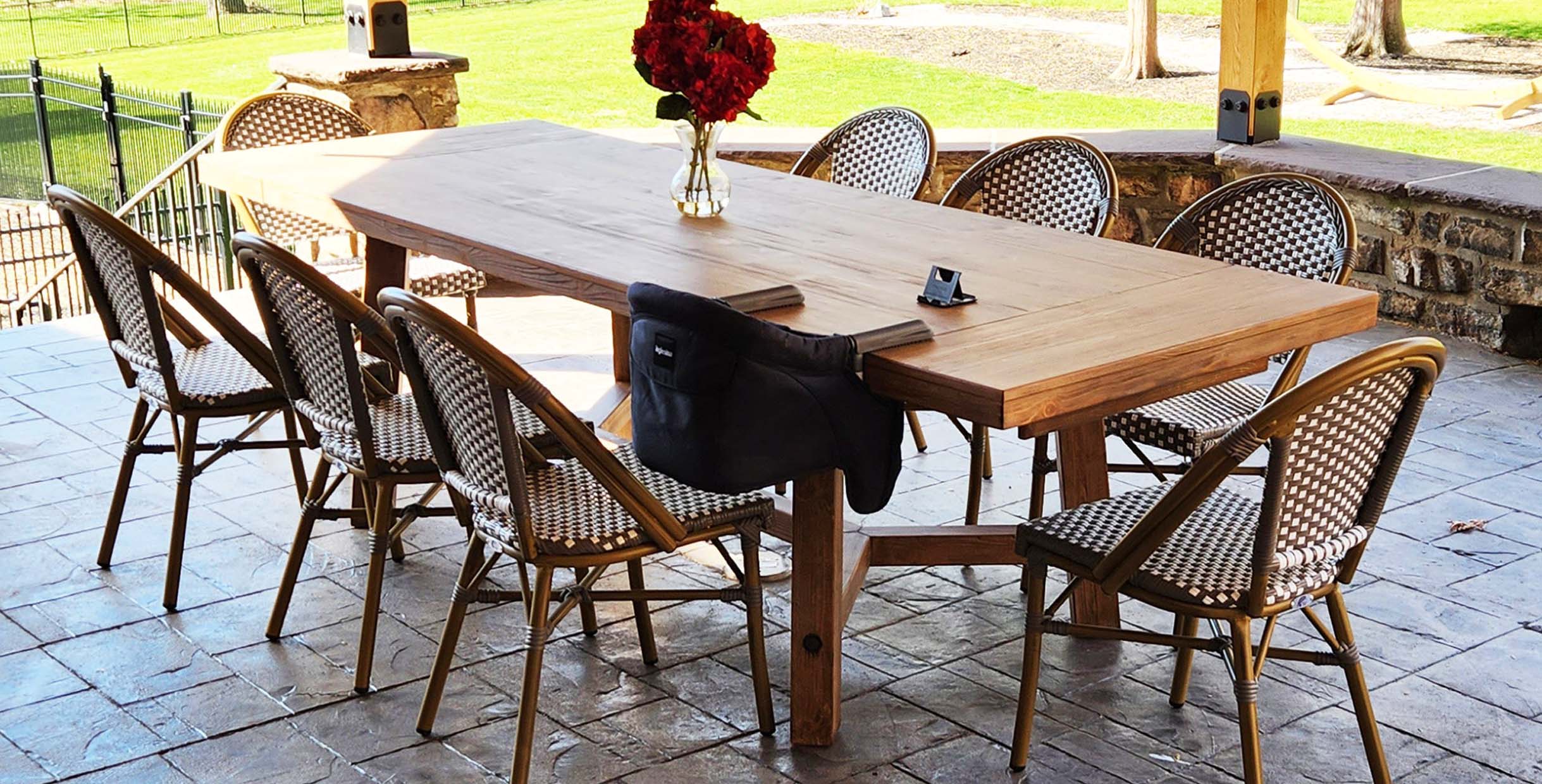
Let’s explore how to choose the right pieces, avoid common pitfalls, and create an outdoor dining space guests can’t stop sharing online.
1. Experience Matters: Choose Furniture Built for Hospitality
Patio furniture for restaurants is not the same as residential outdoor furniture. A professional supplier must understand commercial durability standards—furniture that can handle thousands of diners, daily cleaning, and changing weather.
Wa fun:
- Suppliers with at least 5 years of commercial outdoor furniture experience
- Proven hospitality or resort projects in their portfolio
- Knowledge of seating density, safety clearances, and local fire codes
- References or photos of real restaurant installations
🗒 Imọran: Always ask for case studies or past restaurant projects—not just studio photos.

2. Awọn agbara isọdi
Your restaurant has a signature style. Your restaurant patio furniture should reflect it.
Customization helps align your outdoor area with your brand identity—whether it’s a breezy coastal café or a sleek urban rooftop bar.
What to customize:
- Table and chair dimensions for specific layouts
- Materials and finishes (teak, aluminum, rope, wicker, or terrazzo tops)
- Upholstery (UV-proof fabrics or quick-dry foams)
- Branded logos, laser-cut details, or metal engraving
Many manufacturers now offer 3D mockups or layout visualizations, allowing you to preview your entire patio before production.

3. Iṣowo-Iwọn, Awọn ohun elo ti a fọwọsi
Outdoor environments test furniture to the limit. Commercial patio pieces must resist UV light, rain, temperature swings, and cleaning agents—and still look good season after season.
✅ Key certifications to check:
- ASTM G154 (UV & weathering test)
- ISO 4892 (light aging)
- BIFMA X5.1 (strength and durability)
Best-performing materials for 2026:
| Ohun elo | Agbara | Itoju | Lilo pipe |
|---|---|---|---|
| Aluminiomu | ★★★★★ | Minimal | Coastal or rooftop restaurants |
| Igi Teak | ★★★★☆ | Regular oiling | Classic patios |
| Irin ti a bo lulú | ★★★★☆ | Kekere | Industrial or modern styles |
| Synthetic Wicker / Rope | ★★★☆☆ | Rọrun | Casual bistros, cafes |
| HPL / Compact Laminate Tops | ★★★★★ | Easy to sanitize | Outdoor tabletops |
📚 Fun Fact: According to ASTM 2024 updates, furniture exposed to sun + humidity over 2,000 hours without damage qualifies as “outdoor commercial grade.”
4. Delivery & Lead Times
Outdoor furniture often needs custom weatherproof treatments, so lead times can be longer than for indoor items.
Ask these questions:
- What’s the production time for custom vs. standard patio sets?
- Can the supplier provide express shipping during peak season?
- Do they offer installation and leveling for uneven outdoor floors?
In 2026,the average lead time for custom outdoor furniture is 6–10 weeks.

5. Communication & After-Sales Support
A reliable manufacturer isn’t just a vendor—they’re a partner. Choose a company that offers:
- Dedicated project managers for hospitality clients
- Responsive communication (reply within 48 hours)
- Post-sale maintenance support and spare part access
Good communication means your patio project stays on schedule and within budget.
6. Sustainability: The Future of Outdoor Dining
In 2026, sustainability isn’t optional—it’s expected. More diners associate eco-conscious design with trust and quality.
Look for patio furniture manufacturers who use:
- FSC-certified or reclaimed wood
- Recycled aluminum or plastic materials
- Water-based, low-VOC coatings
- ISO 14001–certified factories
♻️ A 2024 Deloitte report found that 72% of Millennials prefer restaurants that use sustainable furniture or décor.

7. Transparent Pricing & Warranty
Outdoor furniture faces more wear than interior pieces, so clear warranty terms are vital.
Don’t just compare prices—compare lifetime value.
Expect:
- Transparent, itemized quotes
- 1–5 year warranty on frames and fittings
- Optional maintenance packages
📋 Rule of Thumb: The best restaurant patio furniture balances cost-efficiency and resilience—cheap MDF won’t survive a rainy season.
8. Maintenance Guide for Restaurant Patio Furniture
Even the best furniture needs care to look great.
Below is a practical guide:
Maintenance Checklist
| Igbohunsafẹfẹ | Awọn iṣẹ-ṣiṣe | Tools |
|---|---|---|
| Ojoojumọ | Wipe tables and chairs with mild soap & microfiber cloth | Non-abrasive cleaner |
| Osẹ-ọsẹ | Inspect joints, clean cushions, check for corrosion | Soft brush, warm water |
| Oṣooṣu | Oil teak, tighten bolts, clean powder coating | Teak oil, wrench |
| Ti igba | Deep clean & apply protective sealants before rainy or winter months | Fabric protector, sealant |

Quick Table: Custom vs. Standard Patio Furniture
| Ẹya ara ẹrọ | Aṣa Furniture | Standard Retail |
|---|---|---|
| Irọrun oniru | High – tailor size & color | Limited |
| Resistance Oju ojo | Enhanced coatings | Ipilẹṣẹ |
| Awọn aṣayan iyasọtọ | Logo, finish, fabric match | Ko si |
| Iye owo | Alabọde – Giga | Kekere |
| ROI | Long-term | Short-term |
FAQs
-
What’s the best furniture material for a windy
Choose weighted aluminum or steel bases with low wind-resistance profiles. Avoid light plastic chairs or tall-back designs in exposed areas. Aluminum is our top recommendation for coastal or rooftop venues — it’s lightweight to move but heavy enough to stay stable in moderate wind conditions.
-
How long does outdoor restaurant furniture last?
Commercial-grade outdoor furniture typically lasts 5–10 years with regular maintenance. Aluminum frames can exceed 10 years with minimal care; teak requires annual oiling but can last 15+ years. Cheap residential-grade pieces rarely survive more than 2–3 seasons in high-traffic restaurant use.
-
Can I use indoor furniture outdoors under a covered area?
Not recommended — even covered outdoor areas expose furniture to humidity and indirect UV, which degrade most indoor materials within 1–2 seasons. Always specify commercial outdoor-grade materials for any exterior placement, covered or otherwise.
-
How do I protect restaurant patio furniture during winter or the rainy season?
Apply a UV-protective sealant to teak surfaces before the rainy season, store cushions indoors or use weatherproof covers, and inspect all joints and bolts after extended rain exposure. Powder-coated aluminum frames require no special winter preparation beyond routine cleaning with mild detergent.
-
Can outdoor patio furniture be used in covered rooftop or semi-outdoor spaces?
Yes — covered or semi-outdoor spaces still expose furniture to humidity and indirect UV. We recommend aluminum or powder-coated steel frames for these environments, paired with quick-dry foam cushions and UV-resistant fabric upholstery. See our outdoor furniture collection for options suited to rooftop and terrace installations.
Final Takeaway
O ti dara ju restaurant patio furniture in 2026 strikes a balance between durability, comfort, sustainability, and design identity. It’s not just seating—it’s an extension of your restaurant’s brand.
When selecting your supplier, prioritize those who understand the real-world challenges of hospitality—from unpredictable weather to high guest turnover.
If you’re ready to elevate your restaurant’s outdoor space, explore Mingmeng’s commercial-grade patio furniture collection. Each piece blends function with style—engineered to last, designed to impress.Also see:2026 Outdoor Seating Trends: Best Tables and Chairs for Your Restaurant Patio.