

 English
 中文
 日本語
 한국어
 العربية
 Русский
 Português
 Türkçe
 हिन्दी
 Tiếng Việt
 ไทย
 Indonesia
 Melayu
 ខ្មែរ
 ລາວ
 မြန်မာ
 Afrikaans
 Hausa
 Igbo
 Sesotho
 isiXhosa
 Yorùbá
 isiZulu
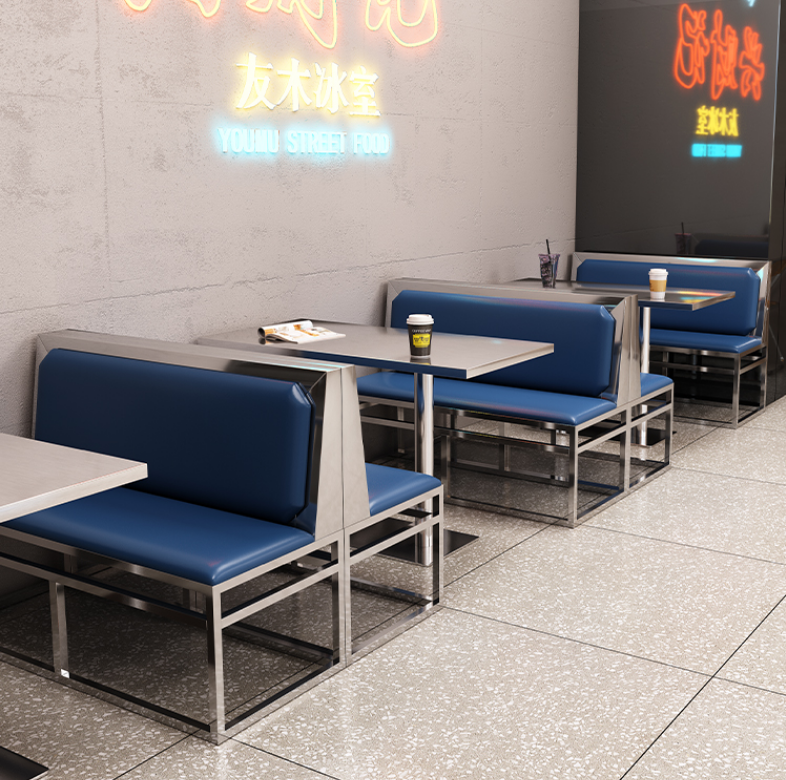
Walking into a restaurant, the first thing we often sense is the ambiance—is it cozy and warm, or sleek and modern? This atmosphere is largely shaped by the furniture. For restaurant owners, selecting the right furniture is a critical decision that directly impacts customer experience, operational efficiency, and brand identity. If you are searching for the perfect furniture solution for your restaurant, the following 5 key points will serve as your clear guide.
1. Focus on the Core Concept: Define Your Restaurant’s “Persona”
Before you start shopping, online or in-person, answer a fundamental question: What story does my restaurant want to tell? Is it a modern, casual space for quick meals, or an upscale venue for fine dining and slow food? Or perhaps a family-style eatery filled with warmth?
- Imagine a customer walking through the door. Do they see sharp-lined metal chairs and industrial concrete tables, or warm onigi tabili and chairs with soft lighting? The former suggests efficiency and trendiness, while the latter promises relaxation and comfort. Your choices will directly shape customer expectations and behavior.
- It’s easy to be drawn to various beautiful furniture pieces, but remember to exercise restraint. A single ornate, classically carved chair paired with a minimalist tempered glass table only creates visual noise. Stick to one dominant style (like Industrial, Scandinavian, Rustic, or Modern Chinese) and ensure all furniture elements revolve around this theme.
Food for Thought:
Q: My restaurant has been operating for a while and feels a bit dated. I want to refresh the look. What should I do?
A: This is a common challenge. We don’t recommend a complete “overhaul” with mixed styles. A better approach is to conduct a “style audit,” define a new core theme, and then replace furniture in phases and sets, ensuring a smooth transition and ultimately achieving a unified new look.
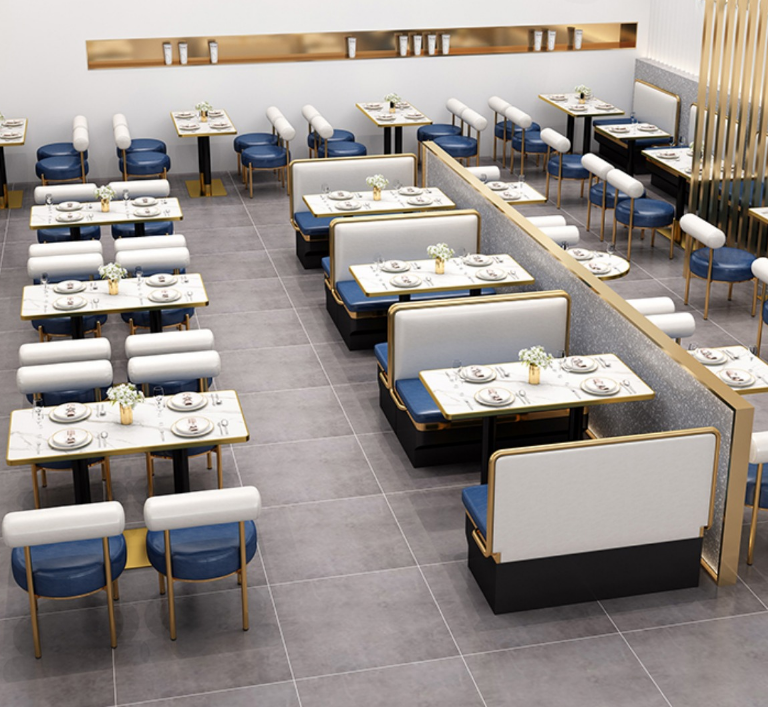
2. Function and Comfort are King: Don’t Sacrifice Usability for Looks
Furniture must look good, but never at the expense of function and comfort.
- Comfort Ensures Repeat Business: No matter how beautiful a chair is, if it causes backache after 10 minutes, customers won’t stay long. Comfortable seating encourages patrons to relax and enjoy their meal, which is ideal for dinner houses. For fast-casual spots, slightly firmer seating that encourages a quicker pace might be preferable.
- Functionality and Operational Efficiency:
- Weight and Mobility: Excessively heavy tables and chairs become a nightmare for staff during daily cleaning and reconfigurations. Consider lightweight materials or furniture with casters .
- Durability and Maintenance: Is the tabletop easy to clean and scratch-resistant? Are the fabric covers prone to stains and hard to clean? Choosing materials that are easy to maintain can significantly reduce long-term operational costs.
3. Invest in Quality: Focus on Long-Term ROI
Within your budget, you will always find products with vast price differences. Opting for the cheapest choice might seem like it saves money upfront, but it can lead to long-term headaches.
| Ẹya ara ẹrọ | Budget Furniture | High-Quality Furniture |
|---|---|---|
| Awọn ohun elo | May use low-quality particleboard, thin metal tubing, standard plastics | Typically uses solid wood, high-grade metals, engineered plastics |
| Construction | Glued, nailed; prone to loosening | Dovetail joints, welding, reinforced screws; sturdy structure |
| Iduroṣinṣin | Prone to wear, scratches, warping; short lifespan | Wear-resistant, impact-resistant; long service life |
| Long-Term Cost | Requires frequent replacement; high total cost | One-time investment, long-term use; lower total cost of ownership |
Core Advice: View furniture as a long-term investment. The “unit price” of high-quality furniture might be higher, but its extended lifespan and lower maintenance needs result in a better “cost-per-use.”
4. Seek Flexibility and Versatility (Especially for Small Spaces)
Space is a precious resource in a restaurant. Flexible furniture maximizes every square foot.
- Folding and Stacking: Folding chairs and tables are classic space-saving solutions. They can be easily stored during off-peak hours or when space is needed for events.
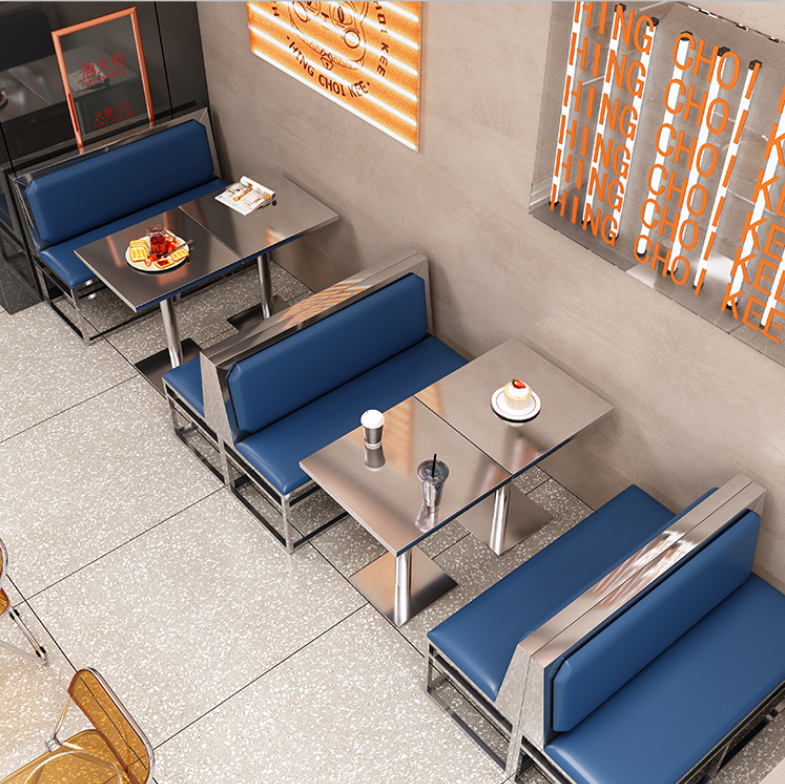
- Modular Combinations: Consider modular sofas, combinable tables. They can be reconfigured like Lego bricks based on customer flow and group size, maximizing space utility. For instance, two small square tables can be used independently or joined to form a long table for larger parties.
5. Adhere to a Unified Theme: Create an Immersive Experience
This is a non-negotiable principle: Your entire restaurant must have a single, cohesive theme.
This doesn’t mean every corner must be identical. Rather, all elements—from furniture and lighting to wall decor and menu design—should harmonize and tell the same story. You can’t have the serenity of a Japanese Zen garden in the main hall and the wildness of an American saloon in a private room. This sense of disconnection breaks the customer’s immersive experience and weakens the brand’s professionalism.
Beyond the Basics: The Secret Language of Materials
Beyond these five points, material selection is crucial. It affects not only aesthetics but also durability and ambiance.
- Solid Wood: Classic, durable, warm; but higher cost and requires maintenance. Ideal for creating an upscale, sturdy ambiance.
- Irin: Sturdy, industrial feel, easy to clean. Often combined with wood or glass.
- Plastic/Acrylic: Colorful, lightweight, cost-effective; suitable for fast-casual or trendy restaurants.
- Ohun ọṣọ: Provides comfort but requires consideration for fire resistance, stain resistance, and ease of cleaning.
Ipari
Choosing furniture for your restaurant is a strategic decision-making process. By defining your theme, prioritizing function and comfort, investing in long-term quality, utilizing flexible designs, and adhering to a unified style, you will create a dining space that is not only beautiful but also enhances operational efficiency, deepens customer impression, and ultimately contributes to the success of your business.


