

 English
 中文
 日本語
 한국어
 العربية
 Русский
 Português
 Türkçe
 हिन्दी
 Tiếng Việt
 ไทย
 Indonesia
 Melayu
 ខ្មែរ
 ລາວ
 မြန်မာ
 Afrikaans
 Hausa
 Igbo
 Sesotho
 isiXhosa
 Yorùbá
 isiZulu
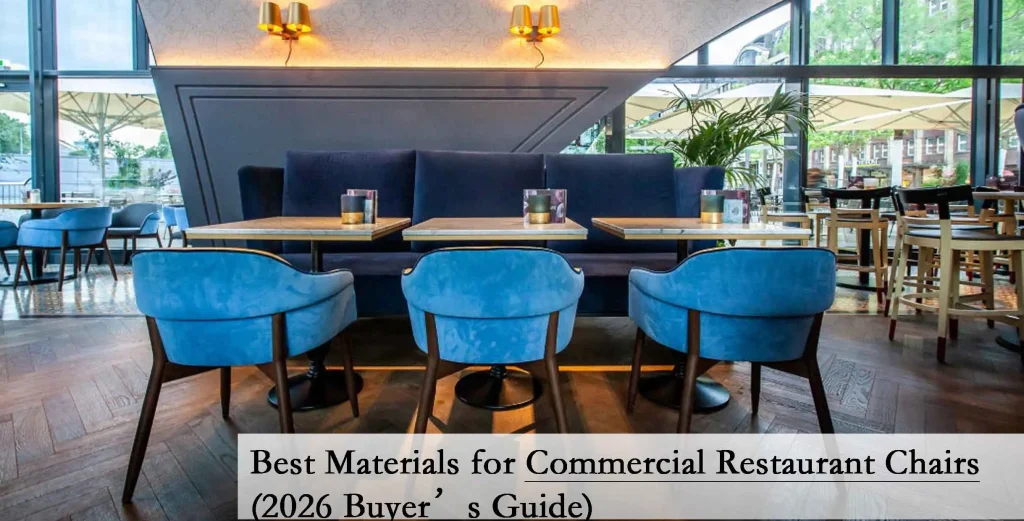
Having a suitable chair to sit on while eating is definitely a positive factor in retaining restaurant customers. As a professional restaurant furniture maker, I feel I can offer some guidance.Choosing the right material for commercial restaurant chairs directly affects durability, maintenance costs, and long-term return on investment. In high-traffic hospitality environments, material selection is more important than design trends.
This 2026 guide explains the best materials for commercial restaurant chairs, their strengths and limitations, and how to choose the right option based on concept, traffic level, and budget.
For a complete sourcing checklist, you can also review our restaurant chair supplier guide, which explains how to evaluate construction quality, production standards, and long-term reliability.
1. Solid Hardwood: Classic Strength with Warmth
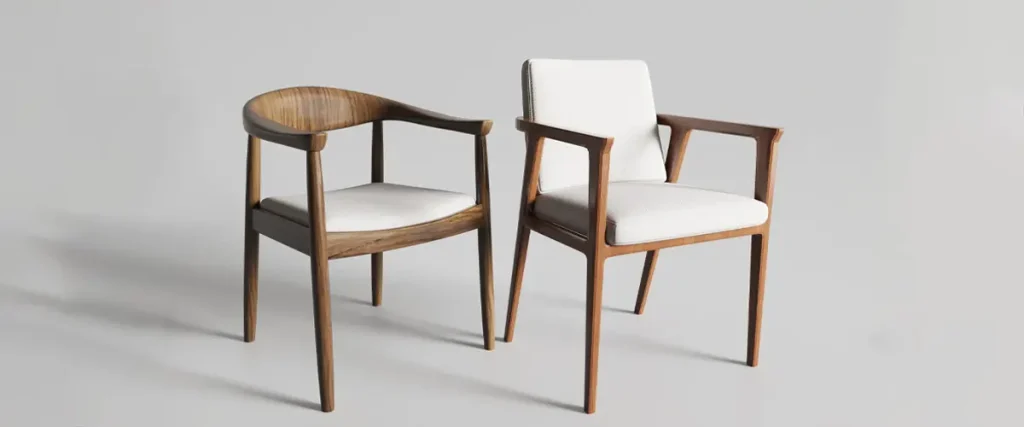
Solid hardwood remains one of the most popular materials for restaurant dining chairs.
Common Commercial Woods
- Beech
- Gỗ sồi
- Ash
- Rubberwood (commercial-grade)
Tại sao nó hoạt động
- Strong structural integrity
- Repairable and refinishable
- Warm aesthetic for full-service restaurants
What to Check
- Mortise-and-tenon joinery
- Khối góc gia cố
- Kiln-dried wood to prevent cracking
Properly constructed hardwood chairs can last 5–10 years in commercial settings.
2. Steel & Metal Frames: Maximum Structural Durability
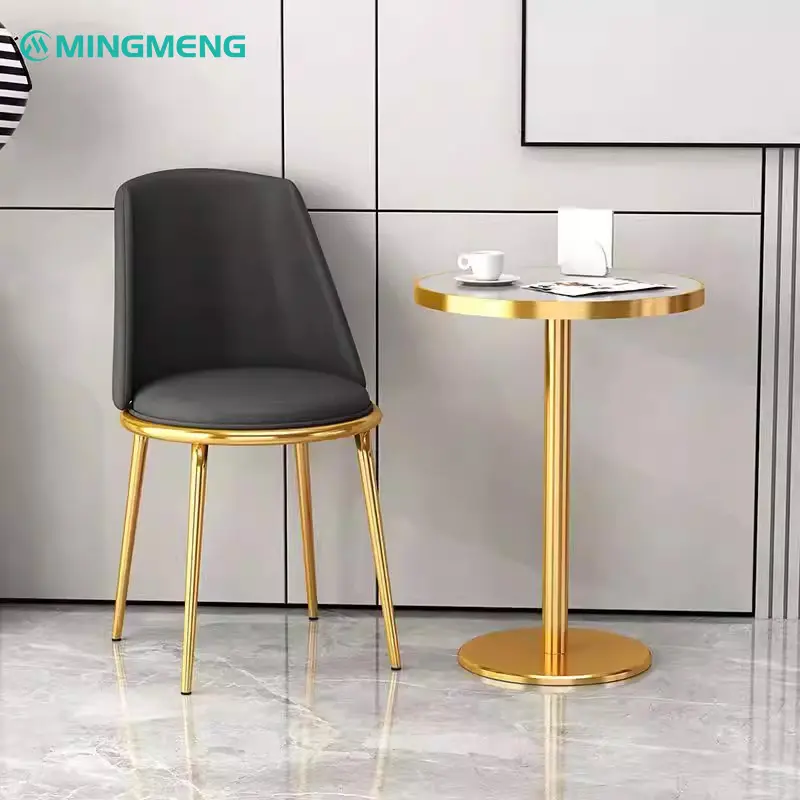
Metal chairs are common in high-volume restaurants due to their structural strength.
Key Specifications
- Steel tubing thickness: 1.2mm–1.5mm recommended
- Fully welded joints (not spot-welded)
- Powder-coated finish for corrosion resistance
Thuận lợi
- High load capacity (often 300 lbs+)
- Resistant to wobbling when properly welded
- Lower long-term structural failure rate
Metal frames are particularly suitable when structural durability is the top priority.

3. Aluminum: Lightweight & Rust-Resistant (Outdoor Use)
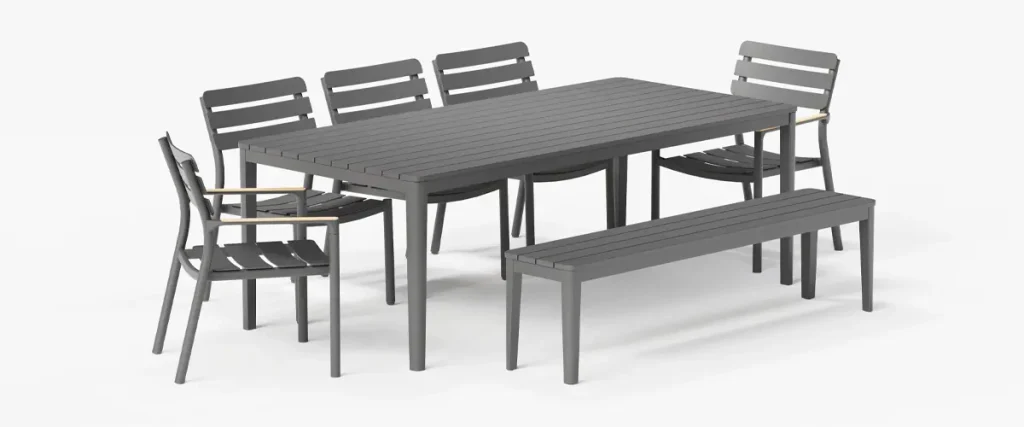
For outdoor restaurant chairs, aluminum is one of the best material choices.
If your project includes patio seating, working with a specialized outdoor restaurant furniture supplier ensures proper anti-corrosion treatment and UV protection.
Why Aluminum Works
- Naturally rust-resistant
- Lightweight and easy to reposition
- Suitable for stacking
Important Factors
- Check weld quality
- Confirm UV-resistant powder coating
- Verify anti-oxidation treatment
Aluminum balances durability with ease of handling in outdoor hospitality environments.
4. High-Impact Polypropylene & Resin
Modern commercial plastic materials have improved significantly.
Benefits
- Nhẹ
- UV-stabilized options available
- Low maintenance
- Often stackable
Considerations
- Avoid thin residential-grade plastic
- Check for reinforced injection-molded construction
Commercial-grade polypropylene chairs are practical for high-volume seating.


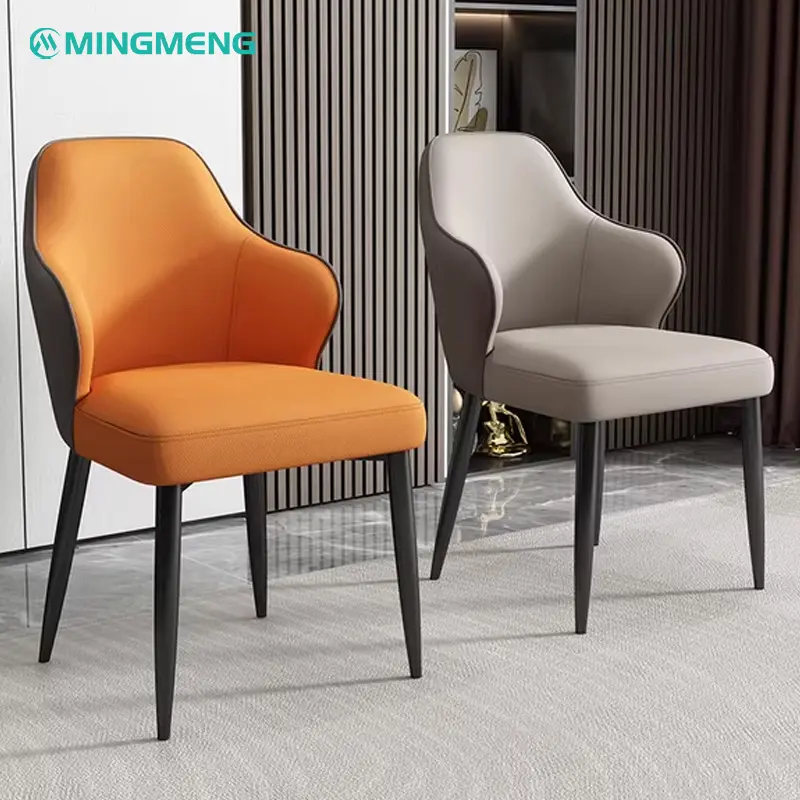
5. Upholstered Chairs: Comfort-Focused Materials
For comfort-driven dining concepts, upholstery material matters as much as frame construction.
Fabric Ratings to Consider
- Martindale abrasion rating (commercial grade recommended)
- High-density foam cushion core
- Easy-clean vinyl or performance fabric
Comfort often influences average dining time and customer satisfaction.

6. Bentwood Construction: Lightweight Strength
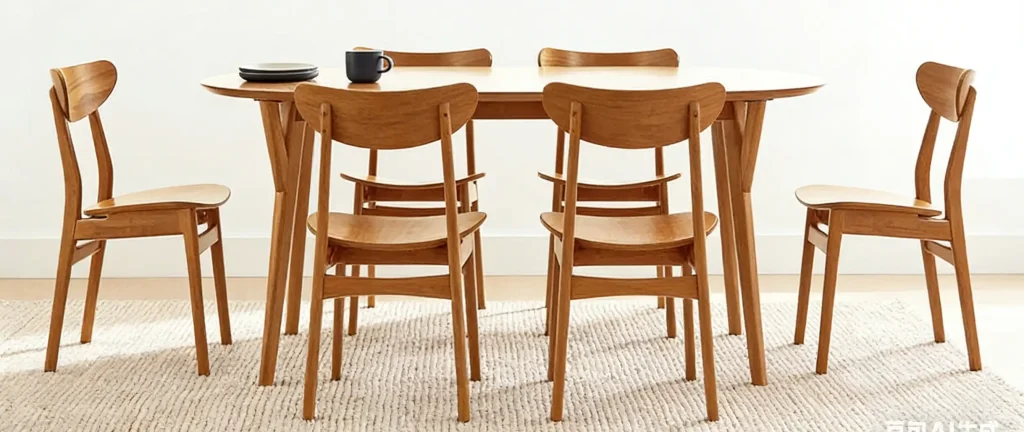
Bentwood chairs, traditionally made from steam-bent beech, offer structural efficiency with lighter weight.
Why Bentwood Works
- Curved structure increases strength
- Lighter than solid block wood chairs
- Timeless café aesthetic
Bảng so sánh vật liệu
| Vật liệu | Độ bền | BẢO TRÌ | Cân nặng | Tốt nhất cho |
|---|---|---|---|---|
| Solid Hardwood | Cao | Vừa phải | Trung bình | Casual & Hotel Dining |
| Steel Frame | Rất cao | Thấp | Medium-Heavy | High-Traffic Restaurants |
| Nhôm | Cao | Thấp | Nhẹ | Outdoor Dining |
| Polypropylen | Moderate-High | Rất thấp | Nhẹ | Fast Casual & Café |
| bọc nệm | Depends on Frame | Vừa phải | Trung bình | Ăn uống cao cấp |
Structural Construction Matters More Than Material Alone
Even the best materials fail if construction quality is poor.
When evaluating chairs, confirm:
- Reinforced joints
- Load capacity rating (250–300 lbs minimum recommended)
- Weld consistency
- Finish durability
Material quality and structural engineering must work together to ensure long-term performance.
From Material Selection to Reliable Supply
Selecting the best material is only the first step. Consistency in production, quality inspection, and long-term availability are equally important in commercial environments.
Hospitality projects that require scalability—such as multi-location expansion or franchise replication—often prioritize suppliers who control manufacturing internally. Factory-level production allows tighter quality oversight, reinforced construction standards, and consistent material sourcing across batches.
Manufacturers like Mingmeng Restaurant Furniture structure their chair production around commercial durability requirements, reinforced joinery, and project-based customization workflows. This integrated approach helps ensure that material selection, structural construction, and long-term supply continuity align with operational needs.
In commercial hospitality, the objective is not simply choosing the best material—it is building a seating system that performs reliably year after year.
suy nghĩ cuối cùng
The best materials for commercial restaurant chairs depend on traffic level, cleaning requirements, and design concept. Solid hardwood, reinforced steel, aluminum, and commercial-grade polypropylene each offer advantages in specific environments.
By combining appropriate material selection with professional sourcing standards, restaurant operators can reduce replacement frequency and protect long-term profitability.


