
 English
 中文
 日本語
 한국어
 العربية
 Русский
 Português
 Türkçe
 हिन्दी
 Tiếng Việt
 ไทย
 Indonesia
 Melayu
 ខ្មែរ
 ລາວ
 မြန်မာ
 Afrikaans
 Hausa
 Igbo
 Sesotho
 isiXhosa
 Yorùbá
 isiZulu
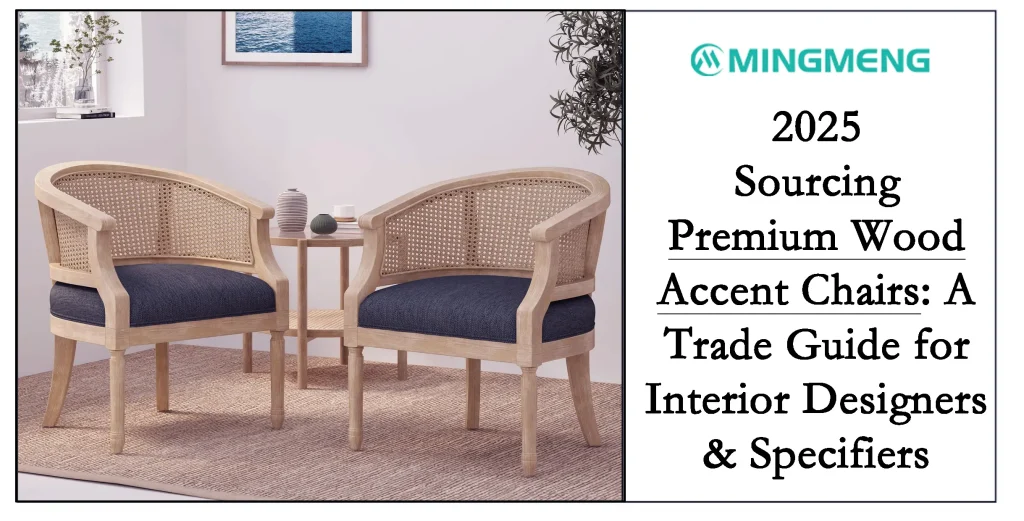
In the specification landscape, a premium wood accent chair transcends decorative object status to become a pivotal investment in spatial narrative, client satisfaction, and project value. For the trade professional, sourcing these pieces involves navigating a complex matrix of material integrity, artisanal craft, lead times, and total project cost. Beyond aesthetics, it is a decision that impacts durability, brand perception, and long-term ROI for your clients.
This guide is crafted for interior designers, architects, and procurement specialists. We dissect the 2025 sourcing journey for premium wood accent chairs, focusing on the critical evaluation criteria, vendor partnerships, and strategic considerations that define successful specification in high-end residential and boutique commercial projects.
1. The Specifier’s Value Proposition: Beyond the Aesthetic
For the trade, specifying a wood accent chair is an exercise in risk mitigation and value creation. The right choice:
- Amplifies Design Narrative: Acts as a functional sculpture that anchors a room’s concept.
- Reduces Lifecycle Cost: Investing in solid construction and proper joinery eliminates premature failure and costly replacements, protecting your client’s investment and your reputation.
- Ensures Project Integrity: Commercial-grade finishes and stable materials prevent callbacks related to cracking, warping, or finish degradation in controlled environments.
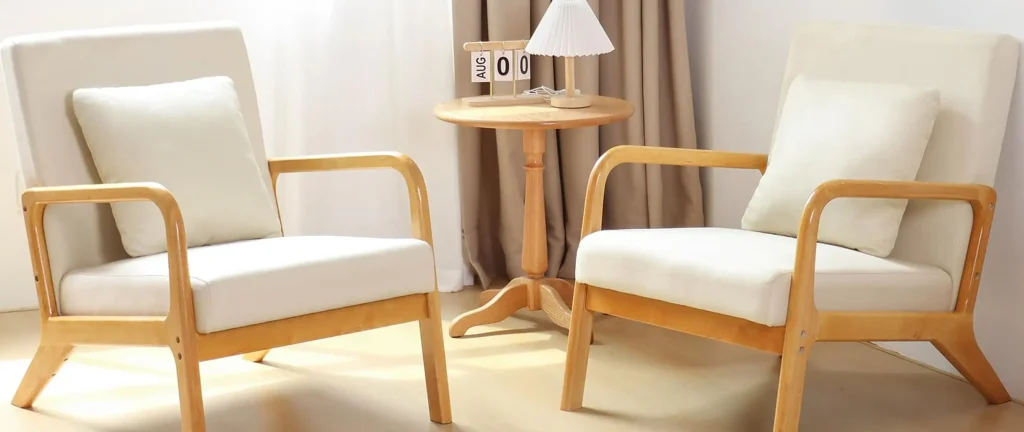
The foundation of quality is material selection. Beyond generic “hardwood,” specifiers must understand provenance and performance.
| Loại gỗ | Key Characteristics | Tốt nhất cho | Sourcing & Sustainability Note |
|---|---|---|---|
| American Black Walnut | Rich, chocolate-brown heartwood; straight grain; excellent stability. | Luxurious, warm statement pieces; mid-century modern styles. | Seek FSC-certified sources. Domestic (US) sourcing reduces carbon footprint and supports traceability. |
| European Oak (Quarter-Sawn) | Pronounced medullary rays (“tiger stripes”); extreme durability. | Rustic, craftsman, or organic modern styles where grain is a feature. | Quarter-sawn milling is crucial for stability and showcases the signature ray pattern. |
| Teak (Plantation-Grown) | High natural oil content; inherently weather/insect resistant. | Indoor/outdoor continuity, spa-like bathrooms, sunrooms. | Insist on plantation-grown certification. Avoid old-growth teak for ethical and environmental compliance. |
| Ash | Pale hue, pronounced grain, high shock resistance. | Light-filled spaces, Scandinavian designs, painted finishes. | Ensure treatment for Emerald Ash Borer resistance if applicable. Excellent for custom stains. |
3. The Craftsmanship Audit: 5 Details That Separate Good from Investment-Grade
Evaluate beyond the catalog image. Request detailed construction sheets and close-up photography of:
- Joinery: Seek mortise-and-tenon, double-dowel, or butterfly joints. Avoid solely relying on screws or corner brackets.
- Finish Penetration: A quality oil or lacquer finish should feel integrated into the wood, not sit on top. It should be smooth but allow the grain’s texture to be felt.
- Grain Matching: On curved elements (arms, backrest), check for coherent grain flow. Haphazard piece-gluing indicates cost-cutting.
- Undercarriage & Support: The underside should be as finished as the top. Look for solid wood stretchers or well-integrated metal supports for structural integrity.
- Upholstery Integration (if applicable): On hybrid chairs, the fabric or leather should be taut with precise tailoring, and the transition between wood and soft material should be seamless.
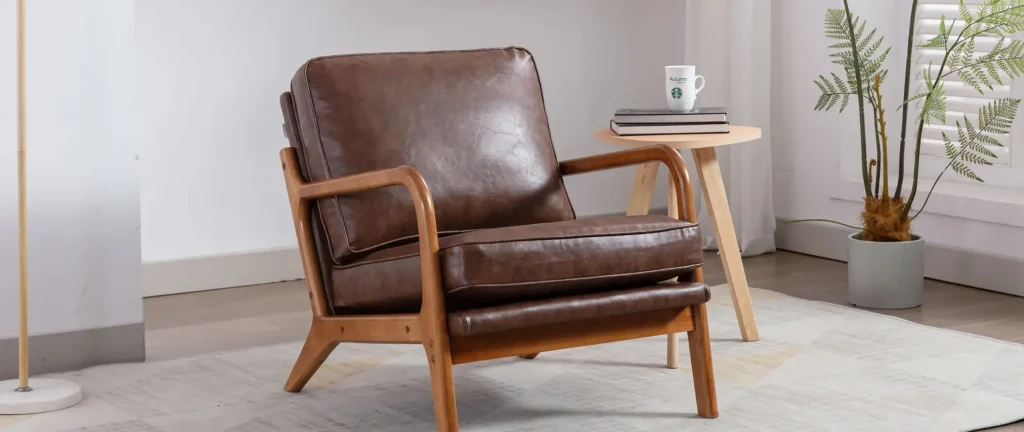
4. The Sourcing Matrix: Direct, Collective, or Custom Atelier?
Your sourcing path depends on project scale, customization needs, and budget.
| Vendor Type | Lý tưởng cho | Key Question to Ask | Mingmeng’s Position |
|---|---|---|---|
| Direct Manufacturer | Large batches, brand consistency, custom dimensions/finishes. | “What is your MOQ for a custom stain/fabric combo?” | We operate here, offering a Tailored Trade Program with dedicated spec support, exclusive finishes, and volume pricing. |
| Designer Collective / Showroom | Curated, one-off pieces; access to multiple artisan brands. | “What is the lead time and what is covered in your white-glove delivery?” | Our Mingmeng Signature Series is available through select high-end trade showrooms. |
| Custom Atelier | Truly bespoke, heirloom pieces; unique artistic collaboration. | “Can you work from our architectural drawings to create a unique joinery detail?” | We facilitate through our Mingmeng Bespoke Studio for ultra-high-end residential and hospitality projects. |
5. The Professional Workflow: From Sample to Final Installation
A disciplined process protects your project.
- Request a Full-Spec Sample: Never specify without a physical sample. Evaluate finish, joinery, weight, and comfort.
- Clarify Logistics & Lead Time: Confirm ex-works (EXW) or delivered terms. For custom orders, secure a firm lead time (14-20 weeks is standard for quality) with a penalty clause for significant delays.
- Document Everything: Use a detailed specification sheet in your proposal, including wood species, finish code, upholstery COM/COL, and construction notes.
- Conduct a Pre-Installation Inspection: Upon delivery, inspect for damage before the installers leave. A reputable supplier will have a clear, responsive damage claim process.
6. 2025 Trend Synthesis: What Your Clients Are Asking For
Be prepared to guide clients with these prevailing directions:
- Sculptural Organic: Chairs carved or steam-bent into fluid, biomorphic forms that feel both ancient and modern.
- Material Hybrids: Wood accent chairs paired with contrasting elements like fluted glass, cane weaving, or patinated metal.
- The New Warmth: A move away from cool grays to honey-toned stains, oiled naturals, and rich, earthy tones that promote wellbeing.
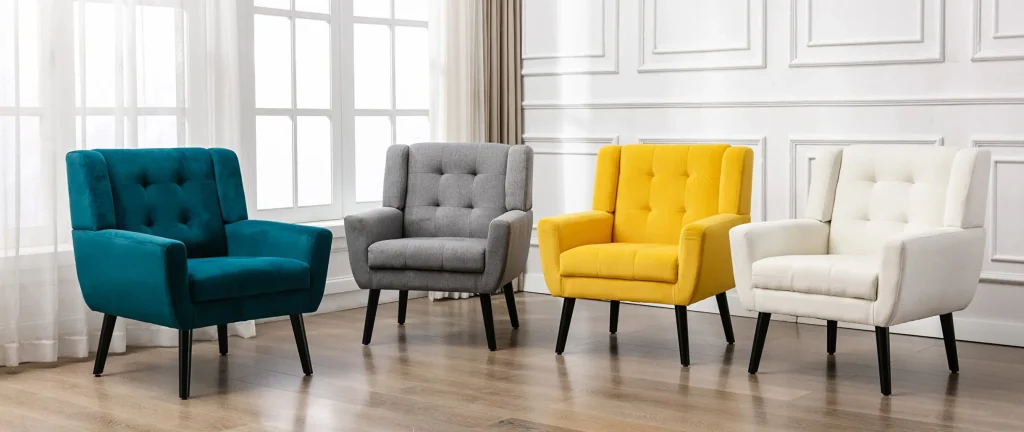
7. Conclusion: Specifying with Confidence
tìm nguồn cung ứng premium wood accent chairs is a defining part of the trade professional’s service. It demands a blend of aesthetic vision, material science, and logistical acumen. By prioritizing integrity of materials and craftsmanship, partnering with transparent suppliers, and adhering to a meticulous workflow, you specify not just furniture, but lasting value and unparalleled client satisfaction.
Elevate your next project with precision-specified seating. Contact the Mingmeng Trade Division to request our 2025 Specifier Kit, including physical wood and finish samples.
Trade FAQs
1. What is a realistic budget range for a truly premium, solid wood accent chair for a high-end project?
For a commercial-grade, solid wood chair from a reputable manufacturer, expect a trade price range of $1,200 – $3,500+. This reflects material cost (e.g., walnut vs. ash), complexity of craftsmanship, and customization. Pieces from name-design ateliers or with intricate hand-carving will command higher prices.
2. How do we ensure the wood is sustainably and ethically sourced?
Demand documentation. Reputable suppliers provide FSC (Forest Stewardship Council) hoặc PEFC certification chain-of-custody paperwork. For domestic woods, inquire about the source mill. Transparency is a hallmark of quality.
3. Can you accommodate client-owned materials (COM) for upholstered sections?
Yes, most trade-oriented manufacturers do. They will require a specific yardage (usually with a 15-20% buffer) and will provide a fabric preparation guide. Be aware that working with COM may affect the warranty on the upholstered component.
4. What is the single most important question to ask a potential supplier?
“Can you provide detailed construction drawings and the name of the finish manufacturer/product used?” This reveals their technical capability and commitment to using professional, durable finishes (e.g., Milesi lacquer, Osmo oil) versus unspecified commodity products.
5. How should we plan for lead times in our project schedule?
For in-stock or quick-ship programs, plan for 4-8 weeks including shipping. For custom orders, a minimum of 16-20 weeks from deposit to delivery is prudent. Always build in a 2-3 week buffer before the client’s move-in or installation date to account for unforeseen delays.
Conclusion: The Intersection of Specification and Commercial Supply
Specifying premium wood accent chairs for high-end projects embodies the trade professional’s synthesis of aesthetic vision, material science, and project management. This decision is an investment not merely in furniture, but in lasting value, spatial narrative, and ultimate client satisfaction.
This same logic—prioritizing craft, material integrity, and long-term value—extends directly into the realm of commercial hospitality spaces. Whether defining the lounge of a boutique hotel or the waiting area of a fine-dining establishment, a signature seating piece establishes the tone of the space. This is the principle that guides MingMeng in our role as a specialist restaurant furniture manufacturer and commercial supplier. We apply the same rigorous focus on materiality, craftsmanship, and durability to our full range of commercial furniture solutions, ensuring that everything from a standalone accent chair to a complete restaurant seating package meets exacting project standards and operational demands.
By insisting on integrity of materials and construction, partnering with transparent suppliers, and adhering to a meticulous process, you select not just furniture, but durable assets for the space.
Seeking a trusted partner for your next commercial or high-end residential project? Contact the Mingmeng Trade Division to explore our professional restaurant and commercial furniture solutions and request our 2025 Specifier Kit, including physical material samples.