
 English
 中文
 日本語
 한국어
 العربية
 Русский
 Português
 Türkçe
 हिन्दी
 Tiếng Việt
 ไทย
 Indonesia
 Melayu
 ខ្មែរ
 ລາວ
 မြန်မာ
 Afrikaans
 Hausa
 Igbo
 Sesotho
 isiXhosa
 Yorùbá
 isiZulu
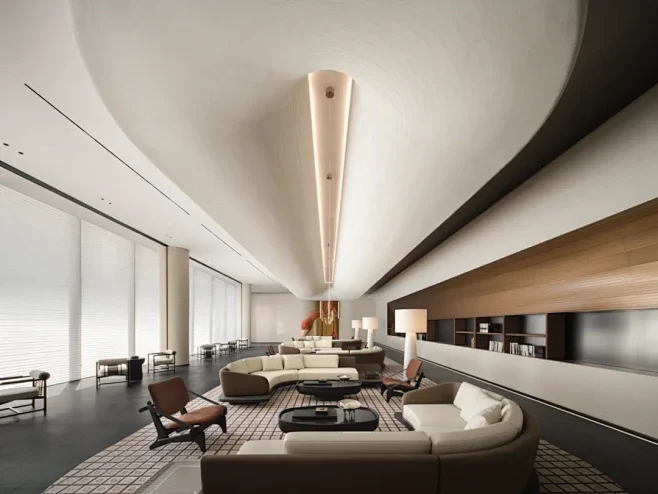
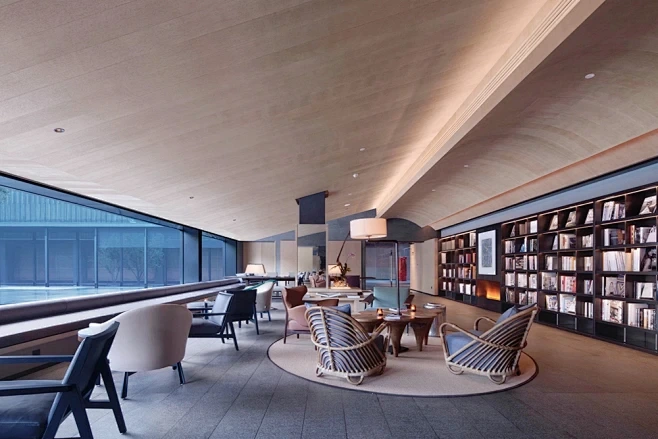
Against the backdrop of increasingly fierce competition in the hotel industry in 2025, custom furniture has become a key factor for hotels to create a differentiated style and enhance guests’ stay experience. Whether it is a high-end luxury hotel or a cost-effective economy hotel, the choice of custom furniture directly affects the brand image and operating costs. As an enterprise deeply engaged in the custom furniture field, we will sort out the core points of hotel custom furniture today, with practical Q&A and data references.
I. Material Selection: Balance Between Durability and Cost-Effectiveness (2025 Latest Reference)
Hotels with different positioning have significant differences in material selection. The 2025 market tends to prioritize the “environmental protection + durability” dual standards. The following is a comparison of material choices for common hotel types:
| Hotel Positioning | Tài liệu được đề xuất | 2025 Cost Reference (per sqm) | Thuận lợi | Applicable Areas |
|---|---|---|---|---|
| High-end Luxury Hotels | Solid Wood (Oak/Walnut) | 800-1200 CNY | High-end texture, strong value retention | Guest rooms, lobbies, restaurants |
| Mid-range Business Hotels | Multi-layer Solid Wood Panel | 350-500 CNY | Good stability, anti-deformation | Guest rooms, meeting rooms |
| Economy Hotels | Eco-friendly Particle Board (E0 Grade) | 180-250 CNY | High cost-effectiveness, easy maintenance | Guest rooms, public areas |
Note: For humid areas such as bathrooms, the “stainless steel + moisture-proof board” combination is more recommended in 2025, which extends the service life by 30% compared with traditional moisture-proof materials and avoids mold and deformation.
II. Design Style: Align with Theme + Overall Coordination
The design of hotel furniture is not isolated and needs to meet two core requirements:
- Theme Integration: For example, the popular “urban cultural theme hotels” in 2025 can incorporate local landmark elements into furniture carving and color matching (e.g., Beijing hotels use hutong textures, Shanghai hotels use The Bund lines);
- Style Unity: Furniture in different areas should echo each other. Refer to the key points of the following 3 mainstream styles:
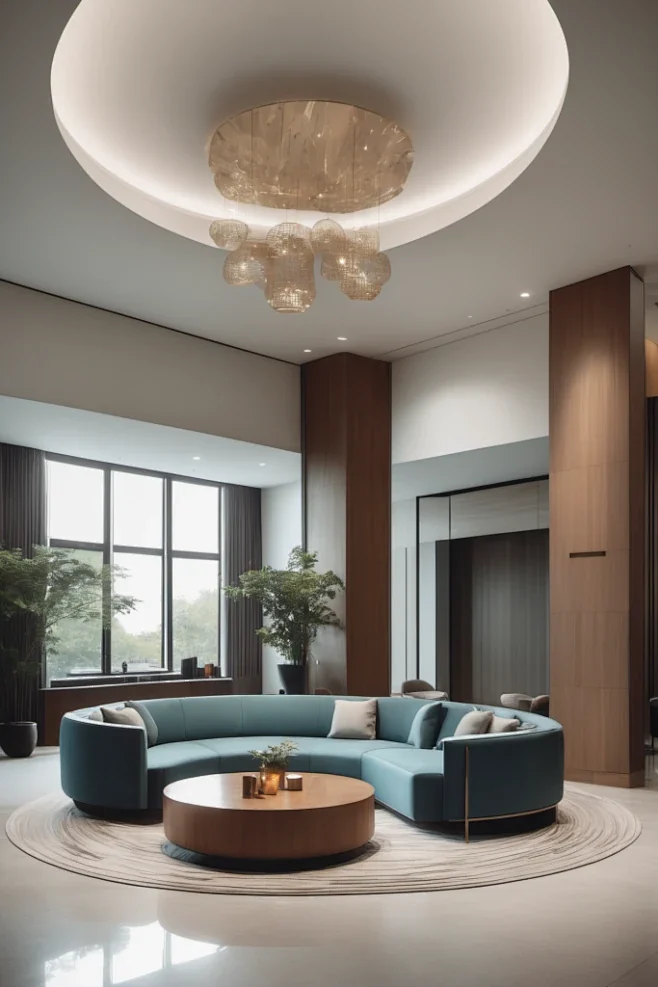
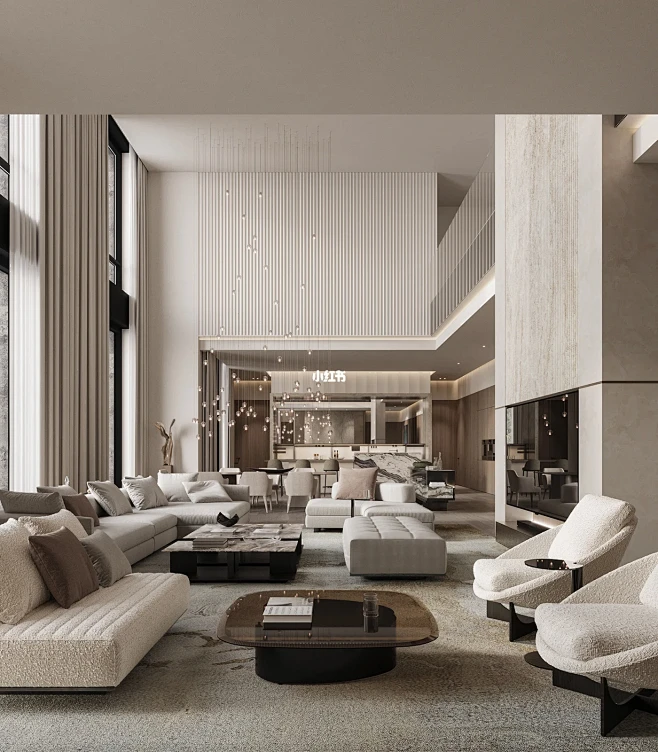
- Modern Minimalist Style: Neat lines, mainly white, gray, and light wood colors, avoiding redundant decorations;
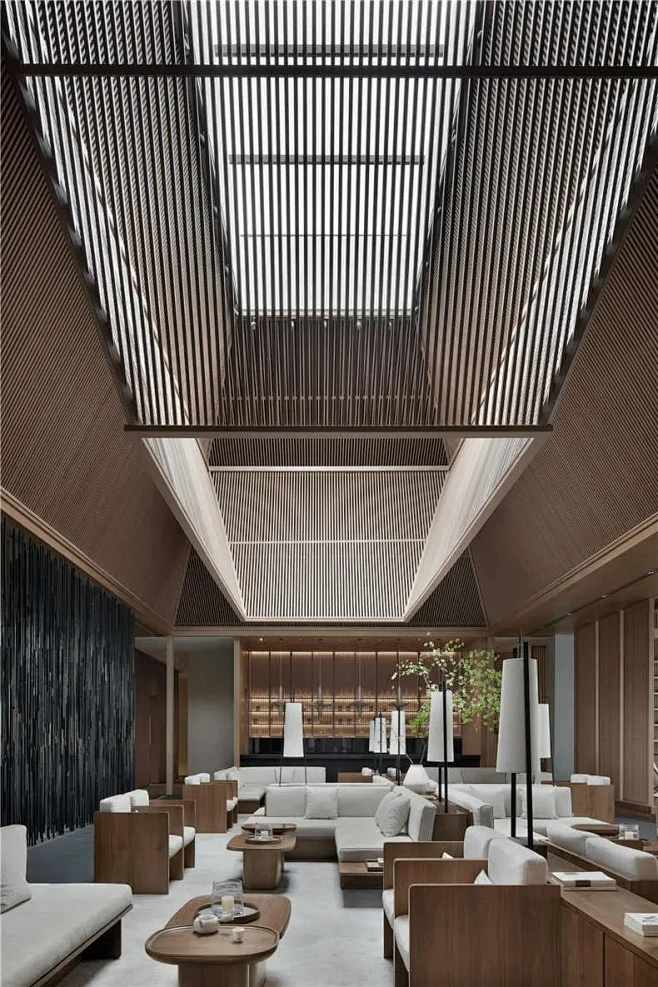
- Neo-Chinese Style: Solid wood frame + fabric upholstery, matched with ink painting and bamboo pattern elements, balancing tradition and comfort;
- Light Luxury Style: Metal (brass/brushed silver) accents + marble countertops to enhance delicacy.
III. Size Specifications: Accurate Measurement + Ergonomic Standards (2025 Updated Standards)
Two key measurement steps must be completed before customization:
- Basic Space Measurement: Record the length, width, height of the room, and the position of doors and windows (accurate to centimeters) to prevent furniture from blocking sockets or affecting traffic;
- Functional Area Measurement: For example, the wardrobe in the guest room needs to reserve a “luggage placement area” (depth ≥ 60cm), and the bedside table width ≥ 50cm (to accommodate table lamps, mobile phones, and water cups).
2025 Updated Ergonomic Standards for Hotel Furniture:
- Bed Height: 48-52cm (2cm higher than the 2024 standard, better adapting to guests’ needs for putting on and taking off shoes);
- Chair Seat Height: 45cm, Seat Depth: 50-55cm (no fatigue after long-term sitting);
- Desk Height: 75cm, Desktop Width ≥ 120cm (meeting the needs of office work and item placement).
IV. Quality Control: Double Standards for Craftsmanship and Environmental Protection
- Craftsmanship Inspection Checklist:
- Joints: Gap ≤ 0.5mm, no looseness;
- Coating: Smooth surface, no sagging or bubbles (touch to check flatness);
- Hardware: Choose 304 stainless steel hinges (load-bearing ≥ 8kg) and silent slides (push-pull times ≥ 50,000).
- Environmental Standards: In 2025, it must comply with China’s National Standard Limits of Formaldehyde Emission from Wood-based Panels and Their Products for Indoor Decoration and Furnishing (GB 18580-2024), i.e., formaldehyde emission ≤ 0.025mg/m³ (50% stricter than the old standard). You need to ask the manufacturer for the latest test report during customization.
Practical Q&A (High-Frequency Questions from Hotels in 2025)
Q1: What is the general cycle for custom hotel furniture from design to delivery?A1: The cycle for conventional furniture (such as guest room beds and wardrobes) in mid-range hotels is about 25-30 days; for high-end customization (including carving and special materials), it is about 45-60 days. It is recommended to plan 2 months in advance.
Q2: How to avoid mismatches between custom furniture and on-site decoration sizes?A2: A second re-measurement is required after the decoration wall is leveled and the floor is laid. At the same time, the manufacturer should be required to provide a 1:1 ratio 3D renderings, and production can only start after confirmation.
Q3: Regarding after-sales warranty, what are the conventional industry standards in 2025?A3: The basic structure (such as solid wood frame) has a warranty of ≥ 5 years, hardware has a warranty of ≥ 3 years, and paint maintenance has a warranty of ≥ 2 years. It is recommended to clearly specify “maintenance response time ≤ 48 hours” in the contract.
Phần kết luận
Vào năm 2025, nội thất khách sạn tùy chỉnh needs to focus on the four cores of “environmentally friendly and durable materials, theme-aligned design, accurate and humanized sizes, and guaranteed after-sales service”, and make reasonable plans based on its own positioning. Choosing a professional custom manufacturer can not only improve the overall texture of the hotel but also reduce long-term maintenance costs, helping it stand out in the competitive market.