
 English
 中文
 日本語
 한국어
 العربية
 Русский
 Português
 Türkçe
 हिन्दी
 Tiếng Việt
 ไทย
 Indonesia
 Melayu
 ខ្មែរ
 ລາວ
 မြန်မာ
 Afrikaans
 Hausa
 Igbo
 Sesotho
 isiXhosa
 Yorùbá
 isiZulu
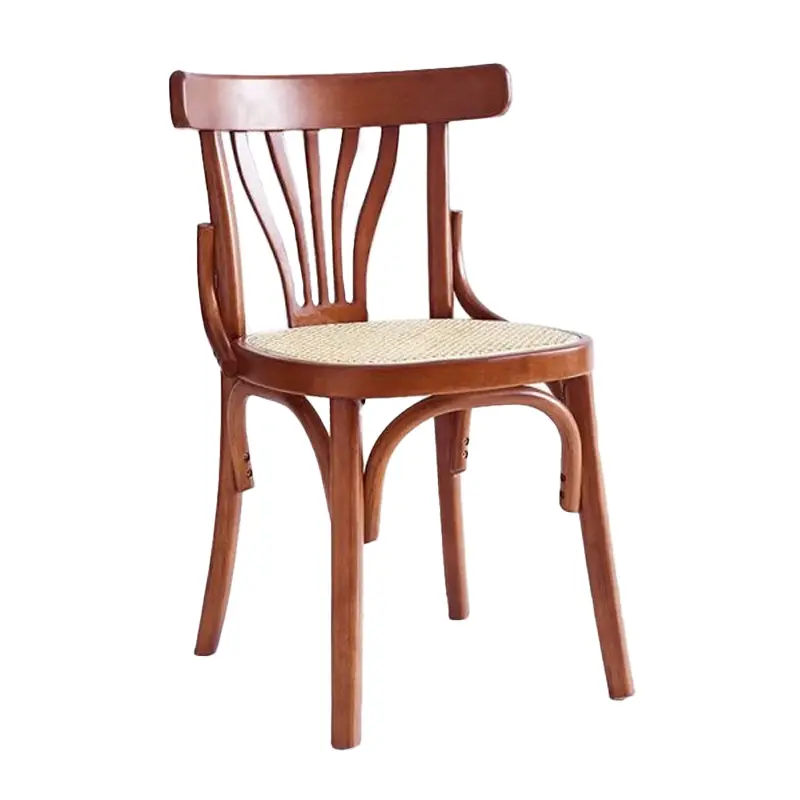
Ha o batla tafole ea lijo le litulo for your new opening or renovation, the temptation to cut costs is undeniable. Many owners look at the price tag of used restaurant furniture or litulo tsa boemo ba bolulo and see an immediate 30% to 50% saving on their startup capital.
But here is the hard truth every experienced operator knows: In the commercial food service industry, “cheap” is the most expensive option you can choose.
While a residential chair might look identical to a commercial one in a showroom photo, the engineering behind them is worlds apart. In 2026, with rising labor costs and stricter health codes, the risk of buying used or non-commercial grade furniture isn’t just about aesthetics—it’s about liability, compliance, and your bottom line.
This guide breaks down the hidden financial bombs lurking in “bargain” furniture and proves why commercial-grade investment is the only safe path for your business.
While cost is critical, design matters too. Once you’ve secured your budget, read our guide on [Western Restaurant Tables and Chairs: The Aesthetic and Practical Code] ho netefatsa hore matsete a hau a boetse a tsamaisa boipiletso ba brand.
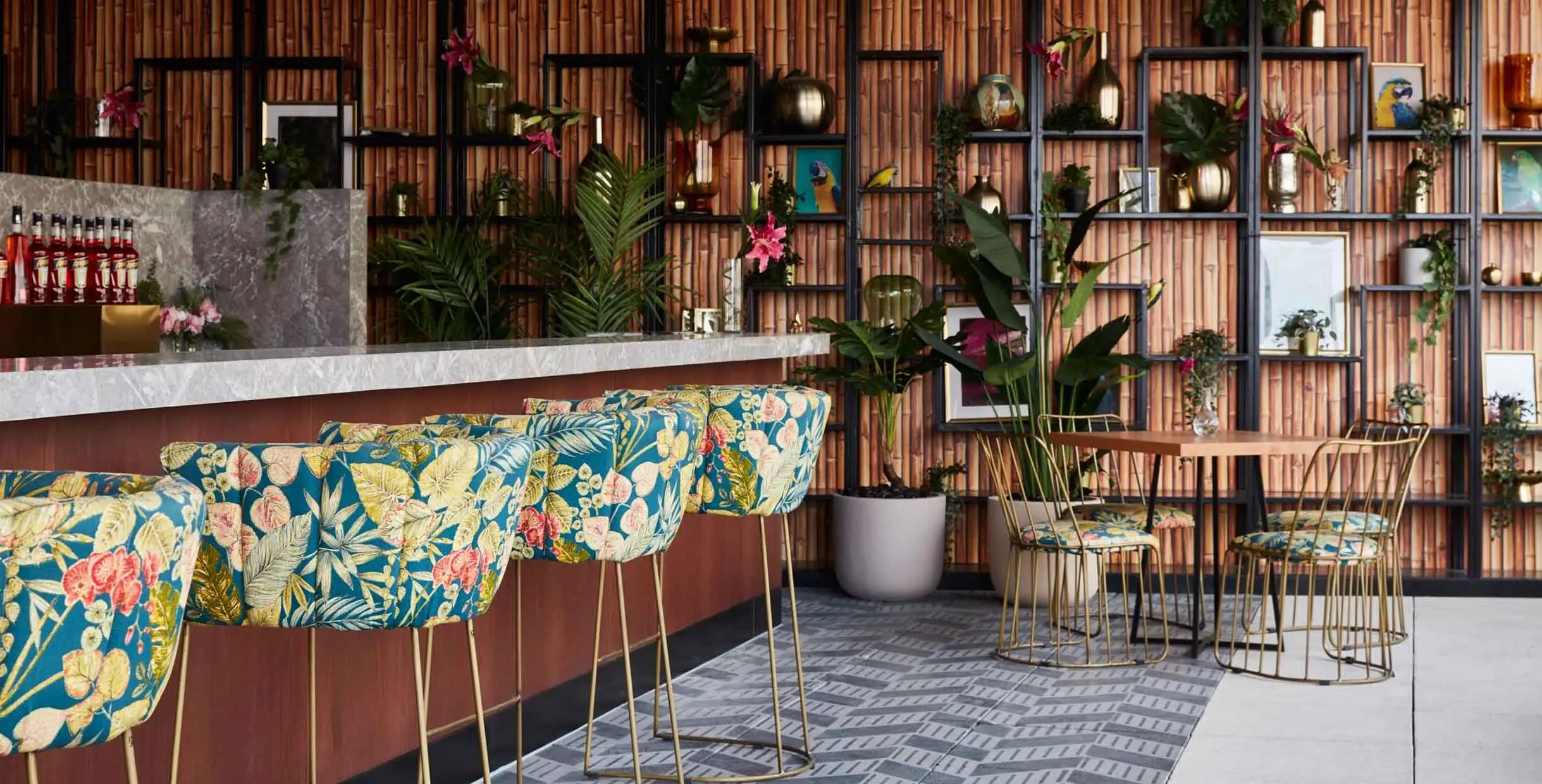
Libomo tse Tharo tse Patiloeng tsa Thepa ea Reschorente e Sebelisitsoeng
Buying second-hand might seem like a smart eco-friendly move, but for a high-traffic restaurant, it often turns into a logistical nightmare. Here are the three risks you cannot see on a sales listing.
1. Tlōlo ea Melao ea Bophelo le Likotsi tsa Bohloeki
Upholstered seats and wooden crevices in used chairs act as sponges for years of accumulated bacteria, grease, and allergens. Even with deep cleaning, you cannot guarantee the elimination of pests like bed bugs or mold spores hidden inside the foam or frame.
- Kotsi: A single failed health inspection due to pest evidence can lead to fines, temporary closure, or permanent damage to your reputation. In 2026, health inspectors are more rigorous than ever; don’t give them a reason to shut you down.
2. Mokhathala oa Sebopeho le Linyeoe tsa Boikarabello
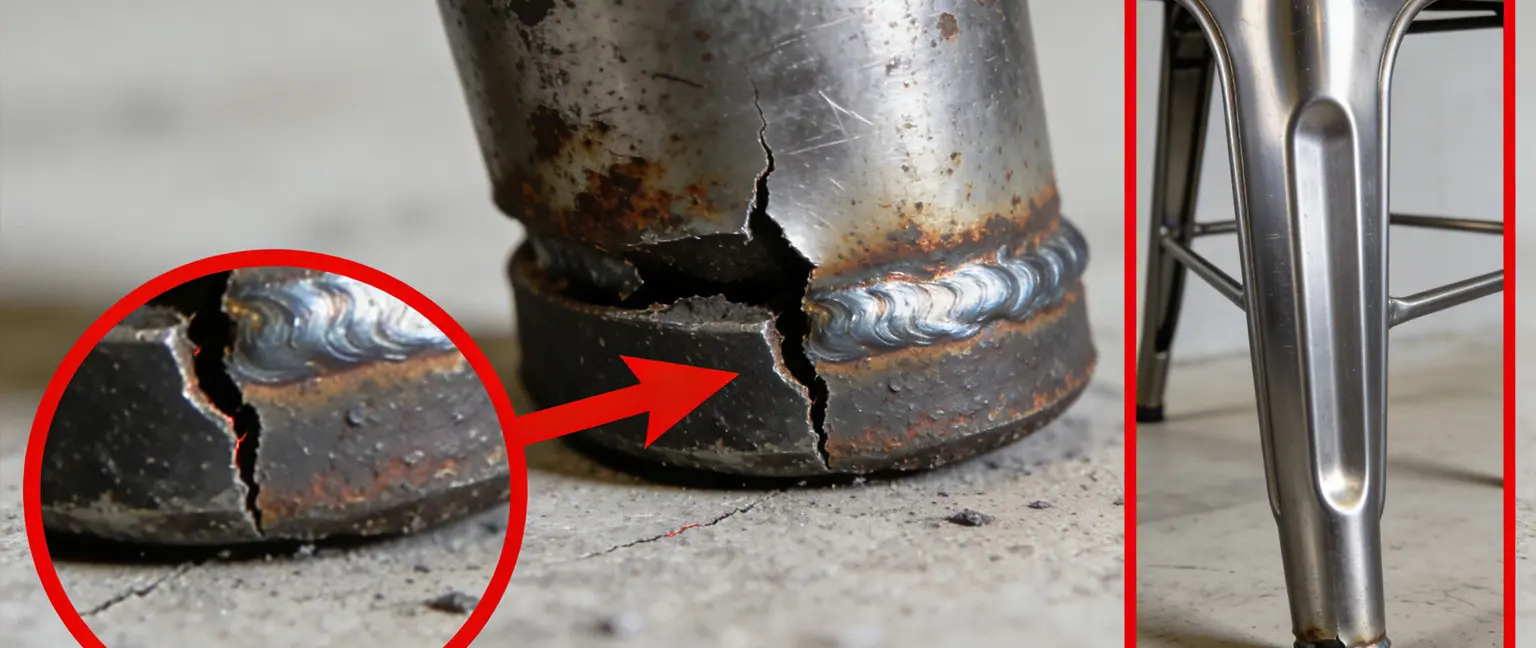
Metal fatigue and wood stress are invisible to the naked eye. A used chair may have already endured 50,000 sit-stand cycles. Its welds might be micro-fractured, and its legs slightly bowed.
- 'Nete: When a customer sits down and a chair collapses, it’s not just an inconvenience—it’s a qoso ya melato. The cost of a single injury settlement (medical bills + legal fees) can easily exceed $50,000. That’s enough to buy brand-new furniture for your entire dining room twice over.
- Lintlha tsa bohlokoa: Buying used means accepting full responsibility for any structural failure. There is no manufacturer to blame.
3. Sefi sa "Mismatch" le Warranty ea Zero
Furniture gets discontinued every year. If you buy a set of 10 used chairs today and break two next month, finding an exact match will be nearly impossible.
- Phello: You end up with a mismatched dining room that looks unprofessional and cheap. Furthermore, used furniture comes with tiisetso ea zero. If a table leg snaps or a mechanism fails, the repair cost and downtime come entirely out of your pocket.
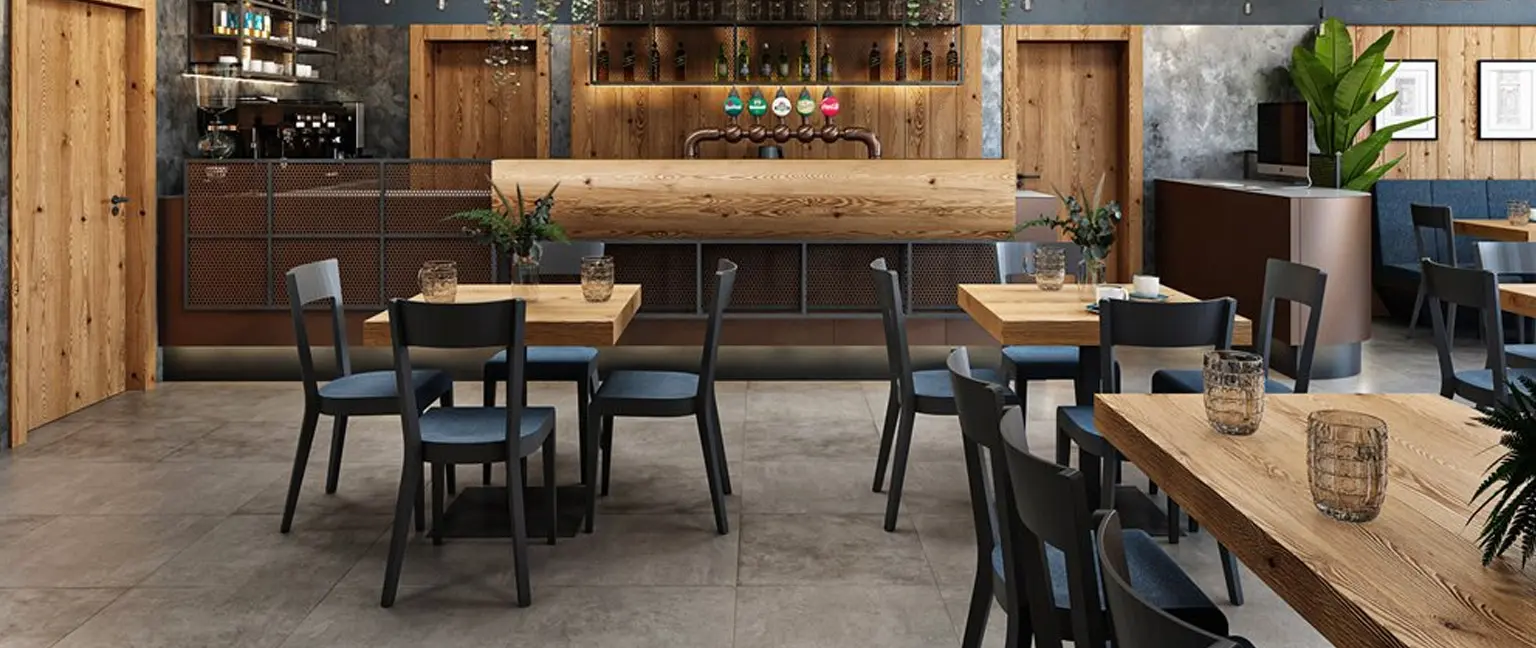
Commercial Grade vs. Residential: The Lab Data Doesn’t Lie
Beng ba bangata ba botsa, "Na nke ke ka reka thepa ea ka tlung e boima haholo?" Karabo ke e hlakileng che. The difference lies in the engineering standards designed for vastly different usage patterns.
A residential chair is designed for a family of four, used maybe 2-3 hours a day. A commercial chair is built for hundreds of customers, 12+ hours a day, 7 days a week.
BIFMA X5.4 Standard E Hlalositsoe
'Nete litafole le litulo tsa thekiso ea lijo tsa khoebo must pass rigorous testing protocols, most notably the BIFMA X5.4 standard (Lounge Seating). Here is how they compare:
| Sebopeho | Kereiti ya Bodulo (Lapeng) | Phaello ea Khoebo (Reschorente) |
|---|---|---|
| Sit-Stand Cycle Test | ~ 25,000 lipotoloho | 100,000+ lipotoloho |
| Leg Tip Stability | Teko ea motheo ea ho sekama | Liteko tse tsoetseng pele / morao / lehlakoreng la mojaro |
| Tlhahlobo ea Tšusumetso | Ha ho letho kapa Tlase | Liteko tse phahameng tsa ho theoha |
| Lesela Durability | 15,000 Double Rubs | 50,000+ Habeli Rubs (Vinyl ea Boima ba Mosebetsi) |
| Thepa ea Frame | Tšepe e tšesaane (0.8mm - 1.0mm) | Tšepe e matlafalitsoeng (1.2mm - 1.5mm+) |
| Tiisetso | Selemo se 1 (ha se na letho ha se sebelisoa khoebong) | Lilemo tse 3–5 (Tikoloho ea Khoebo e Koahetse) |
If your supplier cannot provide a BIFMA certification or test report, they are selling you residential furniture disguised as commercial. Do not take that risk.
The Real Bill: A 5-Year Total Cost of Ownership (TCO) Analysis
Let’s do the math. We will compare two scenarios for a small café with 20 seats.
Boemo ba A: Mokhoa oa "Budget" (O Sebelisoeng/Bolulo)
- Litšenyehelo tsa Pele: $ 80 / setulo × 20 = $ 1,600
- Selemo sa 1.5: 3 chairs break structurally. No replacements found. Forced to buy 5 new ones to match as best as possible ($400). Repair costs ($200).
- Selemo sa 3: The remaining chairs look worn, wobbly, and mismatched. Customer complaints rise. You decide to replace the whole set. New cost (inflated prices): $2,200.
- Litšenyehelo tse Patehileng: Lost revenue during repairs, negative Yelp reviews regarding comfort/safety, potential minor injury claim ($1,000 settlement).
- Kakaretso ea Lilemo tse 3 Tse Sebelisitsoeng: ~$5,400+ ('me u ntse u e-na le thepa e tlaase).
Scenario B: The “Investment” Approach (New Commercial Grade)
- Litšenyehelo tsa Pele: $ 160 / setulo (Boleng ba Khoebo) × 20 = $3,200
- Selemo sa 1-5: Ho se hlolehe hoa sebopeho. Ho hloekisa kamehla feela.
- Tšireletso ea Tiisetso: Haeba phoso e hlaha, e nkeloa sebaka ntle ho tefo.
- Boleng ba Resale: After 5 years, well-maintained commercial furniture still holds 20% resale value.
- Kakaretso ea Lilemo tse 3 Tse Sebelisitsoeng: $3,200 (Litšenyehelo tsa marang-rang li tlase le ho feta ha ho nahanoa ka bophelo bo bolelele).
Qeto: By trying to save $1,600 upfront, Scenario A actually e lahlehetsoe ke chelete e fetang $2,200 in just three years, not including the reputational damage. Buying commercial grade is literally cheaper in the long run.
Remember, durable furniture also impacts how long guests stay. For more on how seating affects revenue, check out [How Restaurant Tables and Chair Choices Impact Guest Stay and Spending].
2026 Procurement Checklist: How to Spot “True” Commercial Furniture
Don’t get fooled by marketing buzzwords. Before you sign a purchase order for your tafole ea lijo le litulo, tsamaisa lethathamo lena le potlakileng:
- Sheba li-Welds: Look closely at the joints. Commercial chairs use robotic welding for smooth, uniform beads. Cheap furniture often has rough, uneven, or spot-welded joints that crack under pressure.
- Kopa Botenya ba Lebota: Demand specs. Leg tubes should be at least 1.2mm to 1.5mm thick. Anything less is residential grade.
- Netefatsa Warranty: Read the fine print. Does the warranty explicitly cover “commercial use”? If it says “residential use only,” walk away.
- Kopa Litlaleho tsa Teko: Ask for the BIFMA X5.4 test certificate. A reputable manufacturer will have this ready.
- Utloa Boima ba 'mele: Generally, heavier means sturdier. Lift a chair. If it feels flimsy or light, it likely lacks the internal reinforcement needed for a busy dining room.
Qetello: U se ke Ua Lumella Thepa ea Theko e tlaase e tebela ROI ea hau
Your restaurant’s success is built on consistency, safety, and guest experience. Furniture is the asset your customers interact with the most. Compromising on quality to save a few dollars today is a gamble with your future profits and legal safety.
In 2026, smart owners aren’t looking for the cheapest price tag; they are looking for the lowest cost per seat over five years.
U itokiselitse ho tsetela ka thepa ea ka tlung e tšoarellang?
Browse our collection of ANSI/BIFMA certified commercial restaurant tables and chairs. Engineered for 100,000+ cycles, backed by a 5-year warranty, and designed to protect your bottom line.
Haeba u hlahloba likhetho tsa litafole le litulo tsa reschorenteng, reviewing certified commercial furniture solutions can help reduce operational risks and long-term replacement costs.
Lekola setsebi sa MingMeng pokello ea thepa ea ka tlung ea reschorente ea khoebo e etselitsoeng libaka tsa ho amohela baeti.
FAQ: Lipotso Tse Tloaelehileng Mabapi le Litšenyehelo tsa Thepa ea Reschorente
P: Litulo tsa lireschorente tsa khoebo li lokela ho nka nako e kae?
High-quality commercial chairs typically last 5–10 years depending on usage and maintenance.
P: Na litulo tsa bolulo li bolokehile bakeng sa lireschorente?
Residential chairs are not designed for high-traffic environments and often lack the structural durability required for commercial use.
P: Ke setifikeiti sefe seo thepa ea ka tlung ea reschorente e lokelang ho ba le eona?
Many commercial furniture products follow ANSI/BIFMA testing standards to verify durability and safety.