
 English
 中文
 日本語
 한국어
 العربية
 Русский
 Português
 Türkçe
 हिन्दी
 Tiếng Việt
 ไทย
 Indonesia
 Melayu
 ខ្មែរ
 ລາວ
 မြန်မာ
 Afrikaans
 Hausa
 Igbo
 Sesotho
 isiXhosa
 Yorùbá
 isiZulu
Introduction: Why Custom Restaurant Furniture Matters
When guests walk into a restaurant, their first impression isn’t just about the food—it’s the atmosphere. And at the heart of that atmosphere lies the furniture. While off-the-shelf tables and chairs can get the job done, thepa ea ka tlung ea reschorente brings something unique: the ability to reflect your concept, optimize space, and even influence how long guests stay (and how much they spend).
In 2025, as competition in hospitality grows fiercer, more owners, architects, and interior designers are investing in thepa ea ka tlung ea reschorente to balance comfort, durability, and brand storytelling.
Start with Your Concept
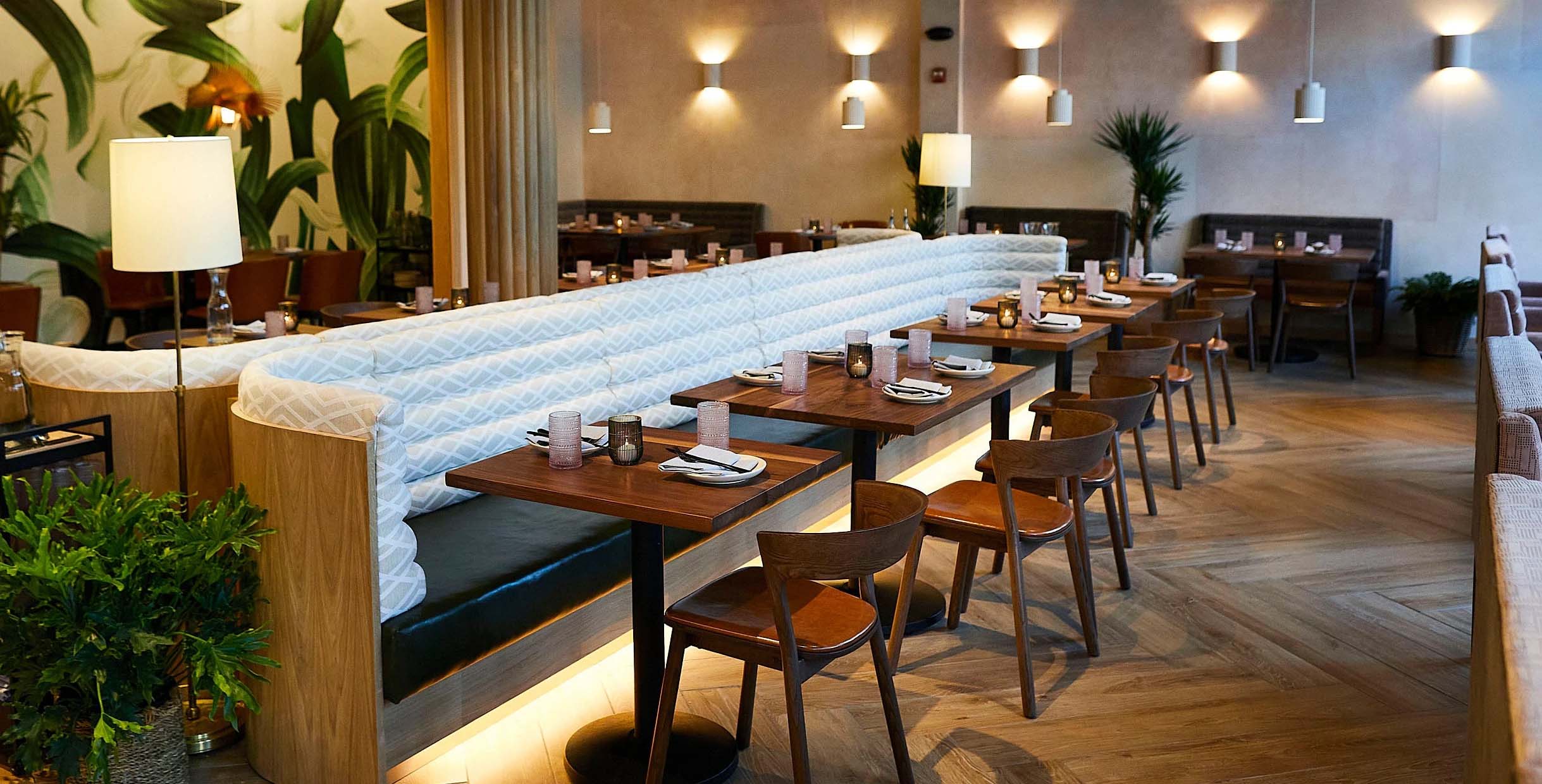
Before jumping into sketches or catalogues, define your vision. Furniture should not only fill the space but embody your concept.
Questions to ask yourself:
- What type of restaurant am I building? (casual dining, fine dining, café, bar, bistro?)
- Who is my target customer? (families, professionals, tourists?)
- How long do I want customers to stay? (quick service vs. lingering experiences)
- What atmosphere fits my brand? (modern, rustic, industrial, California coastal?)
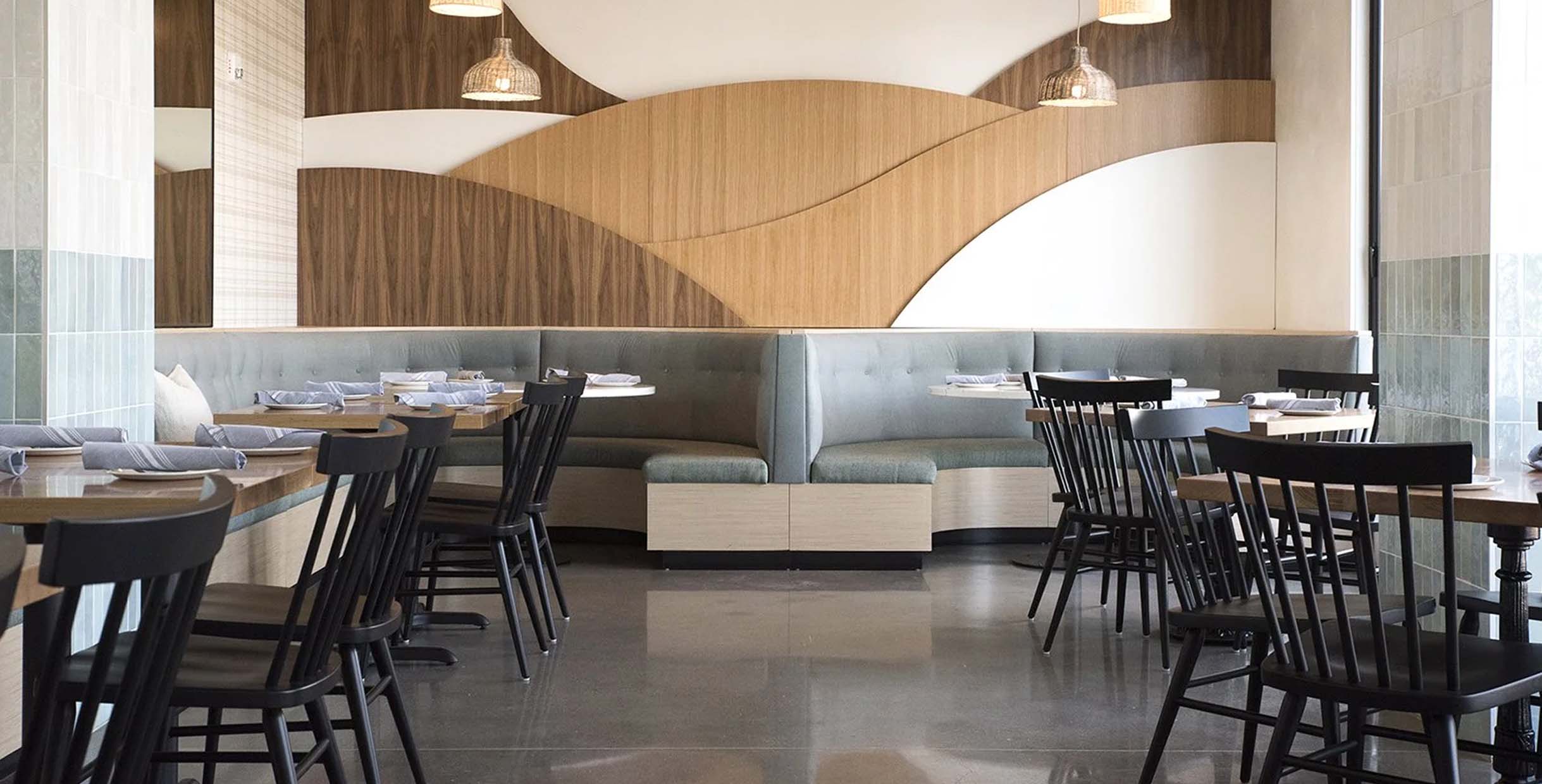
Pro tip: Create a mood board mixing colors, textures, and furniture inspirations. Align this with your design team so every decision feels intentional.
Layout & Space Planning
Space planning with thepa ea ka tlung ea reschorente goes beyond aesthetics—it determines revenue and staff efficiency.
Key guidelines:
- Table spacing: Allow 45–60 cm between chairs in use.
- Aisle width: Minimum 90 cm for service flow.
- Covers per sqm: Average is 1–2 m² per guest.
📊 Table Suggestion: Recommended Restaurant Layouts
| Mofuta oa Sebopeho | Space Per Moeti | Molemo ka ho fetisisa Bakeng sa | Example Furniture Choice |
|---|---|---|---|
| Compact | 1.0 m² | Fast casual, cafés, tight spaces | Stackable custom chairs, small square tables |
| Standard | 1.5 m² | Mid-range dining, family-friendly | Mix of booths + side chairs |
| Premium | 2.0 m²+ | Fine dining, lounge-style venues | Upholstered banquettes, marble-top tables |
Choosing Chairs: Comfort Meets Brand
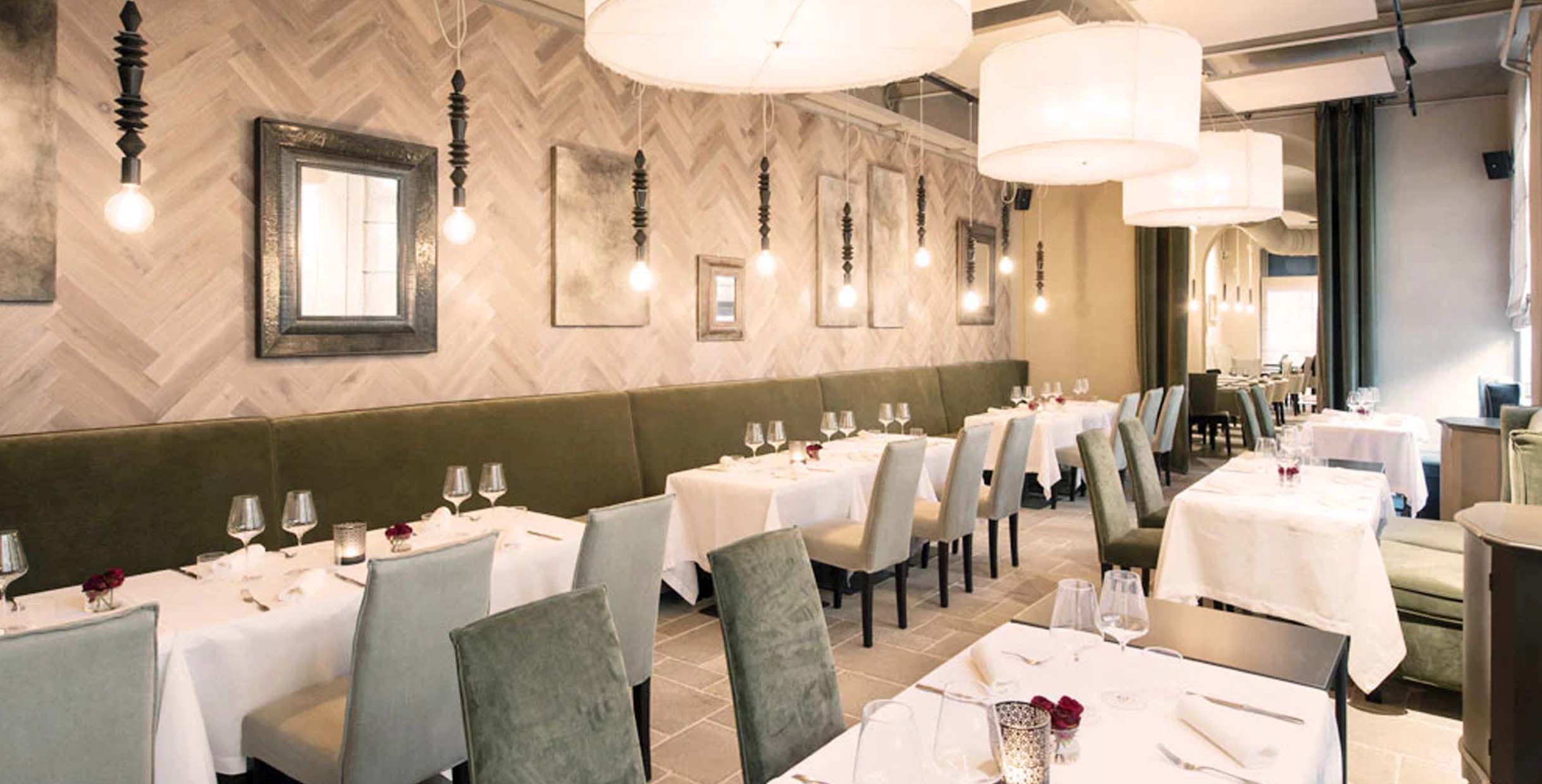
Chairs are often the first physical touchpoint for your guests. Customization allows you to balance ergonomics with brand storytelling.
- Side Chairs: Save space, easy to rearrange.
- Armchairs: More comfort, premium look, but reduce capacity.
- Banquettes/Booths: Maximize walls, create intimacy, and improve acoustics.
📊 Setulo Papiso ea Lintho
| Lintho tse bonahalang | Ho tšoarella | Matšeliso | Tlhokomelo | Boemo ba litšenyehelo |
|---|---|---|---|---|
| Lehong le Tiileng | ★★★★☆ | Firm | Ho bonolo ho hloekisa | $$$ |
| Metal Frame + Upholstery | ★★★★☆ | E bonolo | Requires cleaning | $$ |
| Woven Rattan / Cane | ★★★☆☆ | Mahareng | Sensitive to moisture | $$ |
| Plastic Molded | ★★☆☆☆ | Motheo | Easy to wipe | $ |

Tables: More Than a Surface
Tables dictate flow and guest interaction. With custom builds, you can adapt sizes, shapes, and materials to your service style.
Shapes:
- Square/Rectangular: Flexible, easy to combine for groups.
- Round: Encourage sharing, soften layouts.
- Communal: Great for casual dining and social concepts.
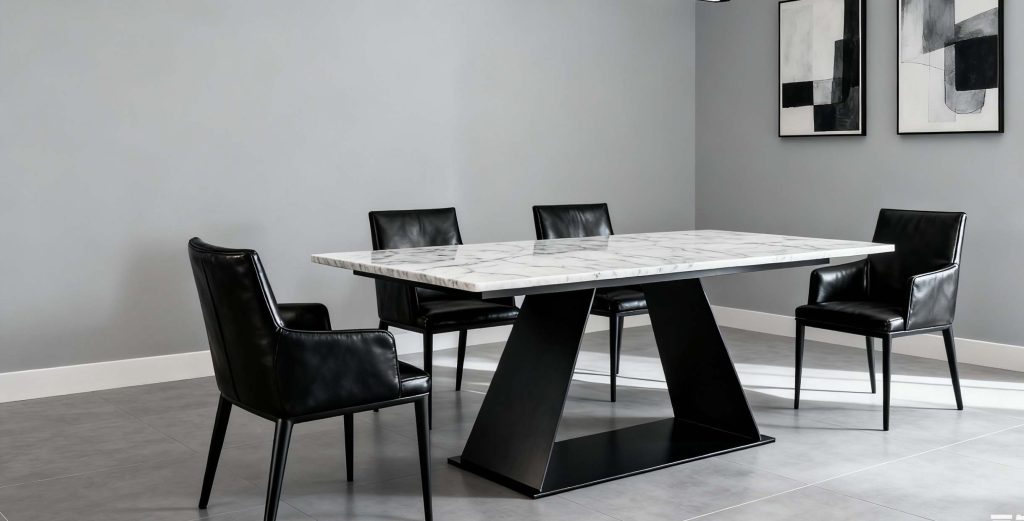
Lisebelisoa:
- Solid Wood Tops: Warm, natural, long-lasting.
- Stone (Marble, Granite): Luxurious but heavy; requires sealing.
- Laminate/HPL: Affordable, durable, easy maintenance.
Indoor vs. Outdoor Furniture
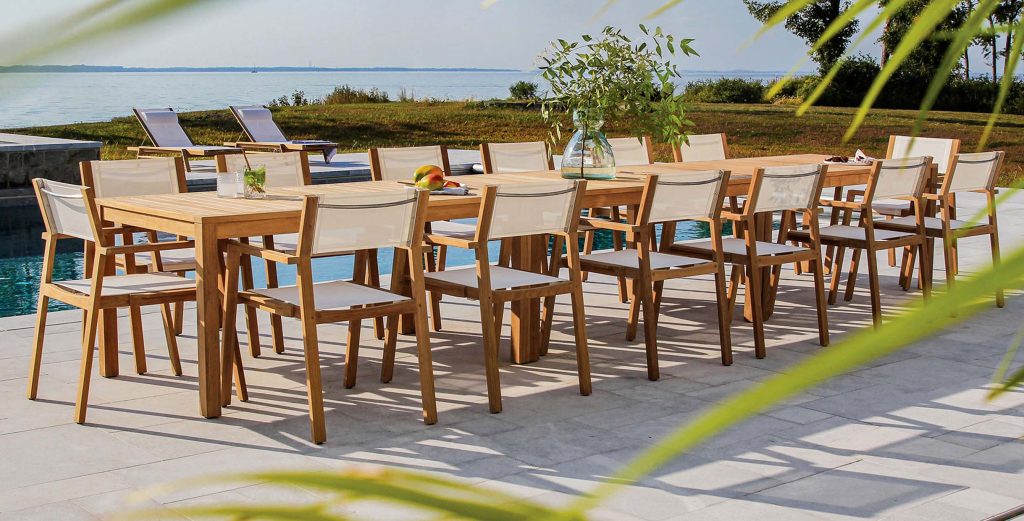
Many restaurants now blend indoor and outdoor experiences. Custom furniture ensures consistency across both environments.
Indoor Priorities: Comfort, aesthetics, acoustics.
Outdoor Priorities: Weather resistance, lightweight for storage, UV protection.
Best Outdoor Materials for Custom Restaurant Furniture:
- Aluminum (rust-resistant)
- Teak wood (naturally weather-resistant)
- Powder-coated steel (durable, customizable)
- Outdoor fabrics (UV/mildew resistant)
Cost vs. Longevity
Custom doesn’t mean reckless spending. Think of it as ROI-driven design.
- Short-term savings: Retail chairs may be cheaper, but often wear out within 1–2 years.
- Long-term value: Contract-grade, custom furniture lasts 5–10+ years with proper maintenance.
📊 Cost Consideration Matrix
| Mofuta oa Thepa | Upfront Cost | Avg. Lifespan | Boemo ba Tlhokomelo | ROI Value |
|---|---|---|---|---|
| Retail chairs | Tlase | 1-2 lilemo | Mahareng | Tlase |
| Contract stock items | Mahareng | 3-5 lilemo | Mahareng | Mahareng |
| Thepa ea reschorenteng e tloaelehileng | E phahameng | 5-10+ lilemo | Controlled | Phahameng |
Maintenance Tips for Custom Restaurant Furniture
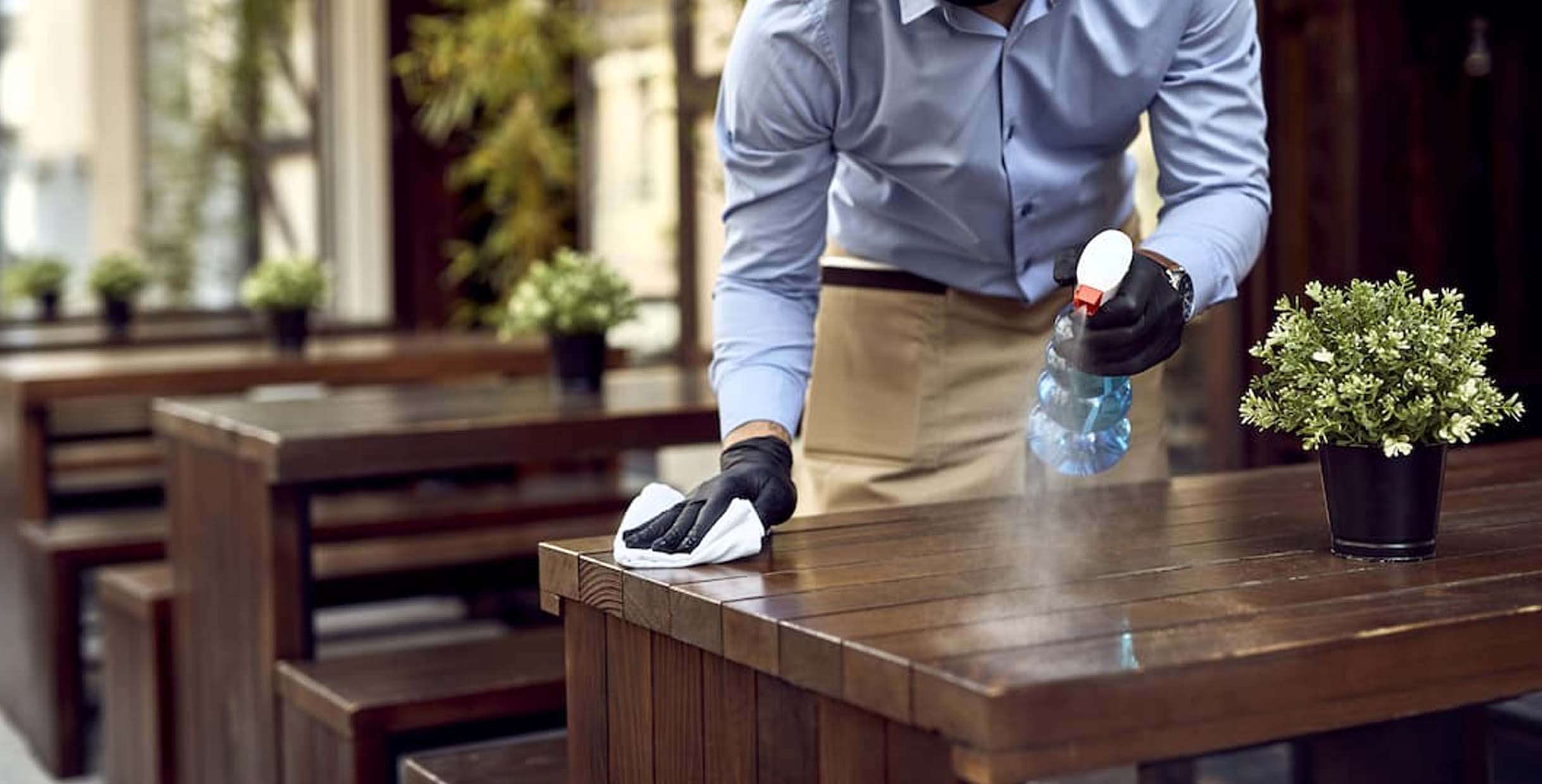
Letsatsi le letsatsi:
- Wipe with microfiber cloth, avoid harsh chemicals.
- Check chair legs and table stability.
Kgwedi le kgwedi:
- Tighten screws/joints.
- Condition leather or wood finishes.
Seasonal:
- Outdoor furniture: Apply sealants or protective coatings.
- Deep clean upholstery.
Local & Branding Benefits
Adding local materials or design references into thepa ea ka tlung ea reschorente enhances your local SEO and brand story. Example:
- A California seafood bistro using reclaimed coastal wood tables.
- An industrial brewery opting for steel + oak tables with custom branding burned into the tops.
Customer reviews highlighting your unique furniture not only help conversions but also strengthen trust signals in Google’s algorithm.
FAQs
Q: Is custom restaurant furniture always more expensive?
A: Not necessarily. While upfront costs may be higher, the lifespan and durability lower long-term expenses.
Q: How long does custom production take?
A: Typically 6–12 weeks, depending on materials and complexity.
Q: Can outdoor custom furniture be used indoors?
A: Yes, but not always the other way around—indoor materials often can’t withstand outdoor exposure.
The Notes
Ka 2025, thepa ea ka tlung ea reschorente is no longer a luxury—it’s a strategic investment. It creates comfort, efficiency, and most importantly, a brand experience that keeps guests returning. By aligning your concept, layout, material choices, and maintenance practices, you’ll build a dining space that’s both functional and unforgettable.