English
 中文
 日本語
 한국어
 العربية
 Русский
 Português
 Türkçe
 हिन्दी
 Tiếng Việt
 ไทย
 Indonesia
 Melayu
 ខ្មែរ
 ລາວ
 မြန်မာ
 Afrikaans
 Hausa
 Igbo
 Sesotho
 isiXhosa
 Yorùbá
 isiZulu
A Strategic Guide for US Restaurant Owners & Investors
Opening a cafe or restaurant in the United States in 2026 is an exciting venture, but it comes with a stark reality: furniture investment strategies have shifted. With fluctuating raw material markets, evolving logistics, and stricter compliance codes, guessing your budget is no longer an option.
Ho MingMeng, we believe transparency builds trust. Whether you are a first-time owner in Austin, a franchise operator in Chicago, or a hospitality group in New York, understanding the real value le long-term cost implications of furnishing a 50-seat space is the first step toward profitability.
This guide breaks down the financial logic, compares “Budget” vs. “Premium” sourcing strategies, and reveals how smart procurement can optimize your capital without sacrificing quality.
Current Market Trends Impacting Furniture Investment in 2026
Before diving into the planning phase, it’s crucial to understand the macro factors driving furniture valuations in the US market this year.
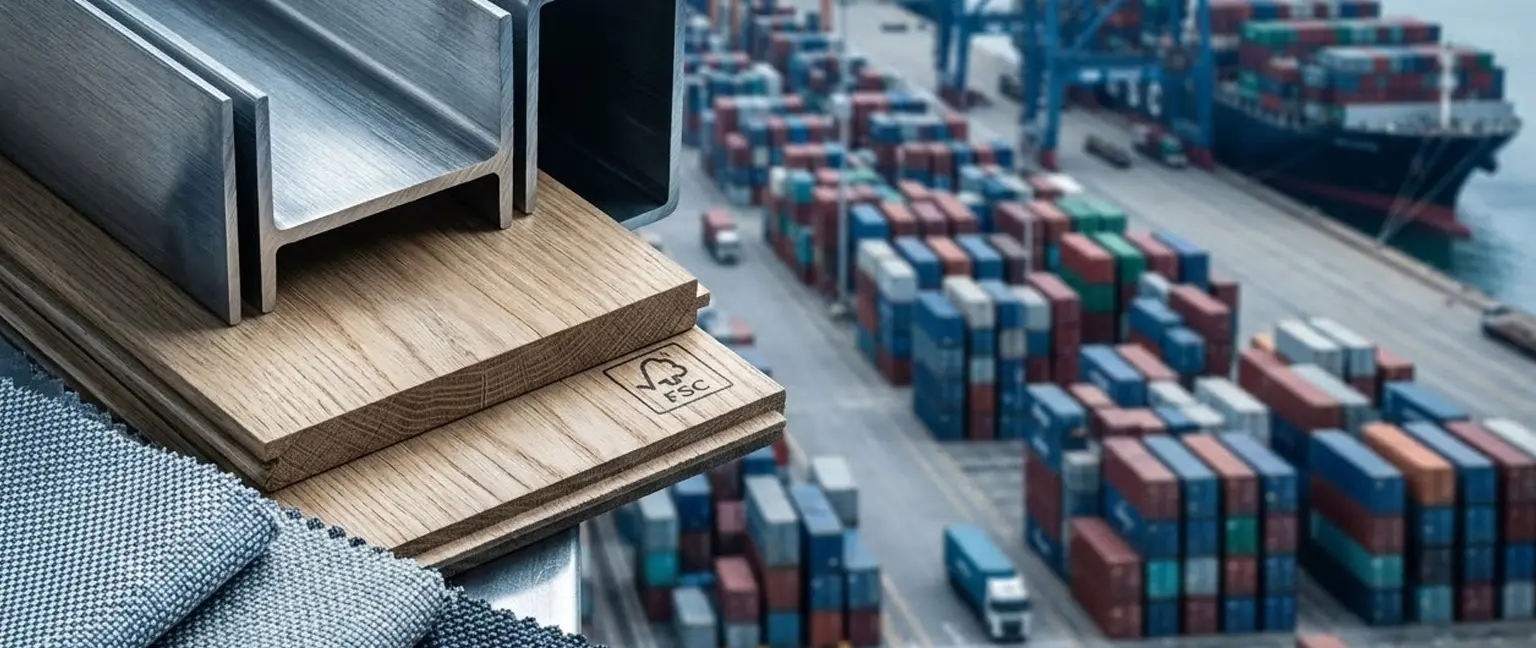
Raw Material Costs: Steel, Wood, and Fabric
- Steel & Aluminum: Global demand and trade tariffs have stabilized metal prices, yet they remain significantly higher than pre-2020 levels. Heavy-gauge steel frames (essential for commercial durability) now represent a more substantial portion of the unit cost compared to thin, hollow-tube alternatives.
- Hardwood: Sustainable sourcing certifications (FSC) are becoming mandatory for many US green-building projects. High-quality kiln-dried oak and walnut have seen increased valuation, while engineered woods remain stable but offer less longevity.
- Performance Fabrics: The demand for stain-resistant, antimicrobial, and fire-retardant (CAL 117-2013) fabrics has surged. Buyers are increasingly allocating more budget toward solution-dyed acrylics and treated leathers that guarantee a 5+ year lifespan, moving away from cheap polyester blends.
Shipping and Logistics: What to Expect
Shipping from manufacturing hubs to US ports (Los Angeles, Long Beach, Savannah) has normalized, but rates remain dynamic based on fuel surcharges and container availability.
- LCL (Less than Container Load): Significantly higher cost per unit. Best suited only for samples or very small pop-up concepts.
- FCL (Full Container Load): The most capital-efficient method for serious projects. A 40ft HQ container can hold furniture for a 150+ seat restaurant, drastically reducing the landed cost per item.
- Last-Mile Delivery: US domestic delivery (“white glove” service) remains a critical line item, varying heavily by region and building accessibility.
The “Budget” Approach: Pros and Cons
Many new owners attempt to minimize upfront capital expenditure by sourcing from big-box retailers or low-cost liquidators. Here is the reality check on the Total Cost of Ownership (TCO).
Typical Investment Tier
- Litulo: Entry-level price point.
- Booths: Low initial capital outlay per linear foot.
- Litafole: Minimal unit cost.
Hidden Costs: The “False Economy”
While the upfront invoice looks attractive, the long-term financial impact often skyrockets:
- Frequent Repairs: Budget chairs often use spot-welded joints that fail within 12 months. The cost of labor and replacement parts to fix 10% of your seating annually erodes margins.
- Comfort Issues: Low-density foam (<25kg) flattens quickly. Uncomfortable guests leave sooner, reducing your table turnover potential and average check size.
- Short Lifespan: Budget furniture typically lasts 18-24 months in a commercial setting before looking worn or becoming unsafe, forcing a premature capital reinvestment.
- Compliance Risks: Cheap imports often lack proper CAL 117-2013 fire tags, risking failed inspections, fines, and insurance denial in strict states like California, New York, and Florida.
Kahlolo: Ideal only for temporary pop-up shops (under 6 months). Not recommended for permanent establishments aiming for long-term equity.
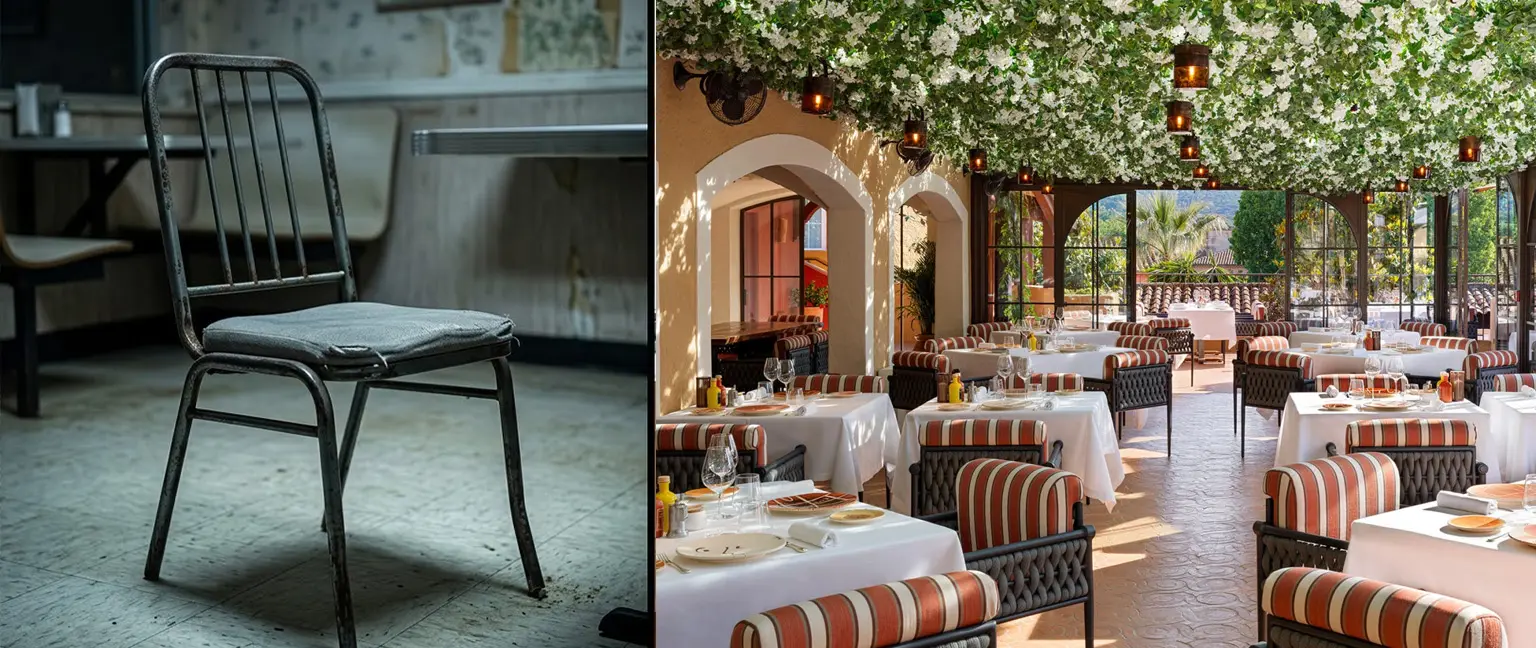
The “Premium/Investment” Approach: Why It Pays Off
Allocating capital to commercial-grade furniture from a specialized manufacturer like MingMeng is a strategic move for long-term asset protection and revenue growth.
Typical Investment Tier
- Litulo: Mid-to-High range capital allocation.
- Booths: Significant investment per linear foot.
- Litafole: Premium unit valuation.
(Note: These tiers reflect high-quality materials sourced directly from the factory, eliminating wholesaler markups.)
ROI Analysis: Durability, Brand Image, Retention
- Nako e telele: Commercial-grade frames (1.5mm+ steel) and High-Resilience (HR) foam (45kg+ density) last 5-7 lilemo with minimal maintenance, delaying the need for reinvestment.
- Brand Image: High-end design attracts a higher-spending demographic. A well-designed interior allows operators to command premium pricing on menu items.
- Customer Retention: Comfortable seating increases dwell time. In a cafe setting, this correlates directly with higher orders of secondary items (desserts, second coffees).
- Warranty Protection: Reputable manufacturers offer 3-5 year warranties, effectively insuring your capital investment against structural failure.
Kahlolo: The smart choice for any business planning to operate for 3+ years. The ROI is realized through reduced replacement cycles and increased revenue per square foot.
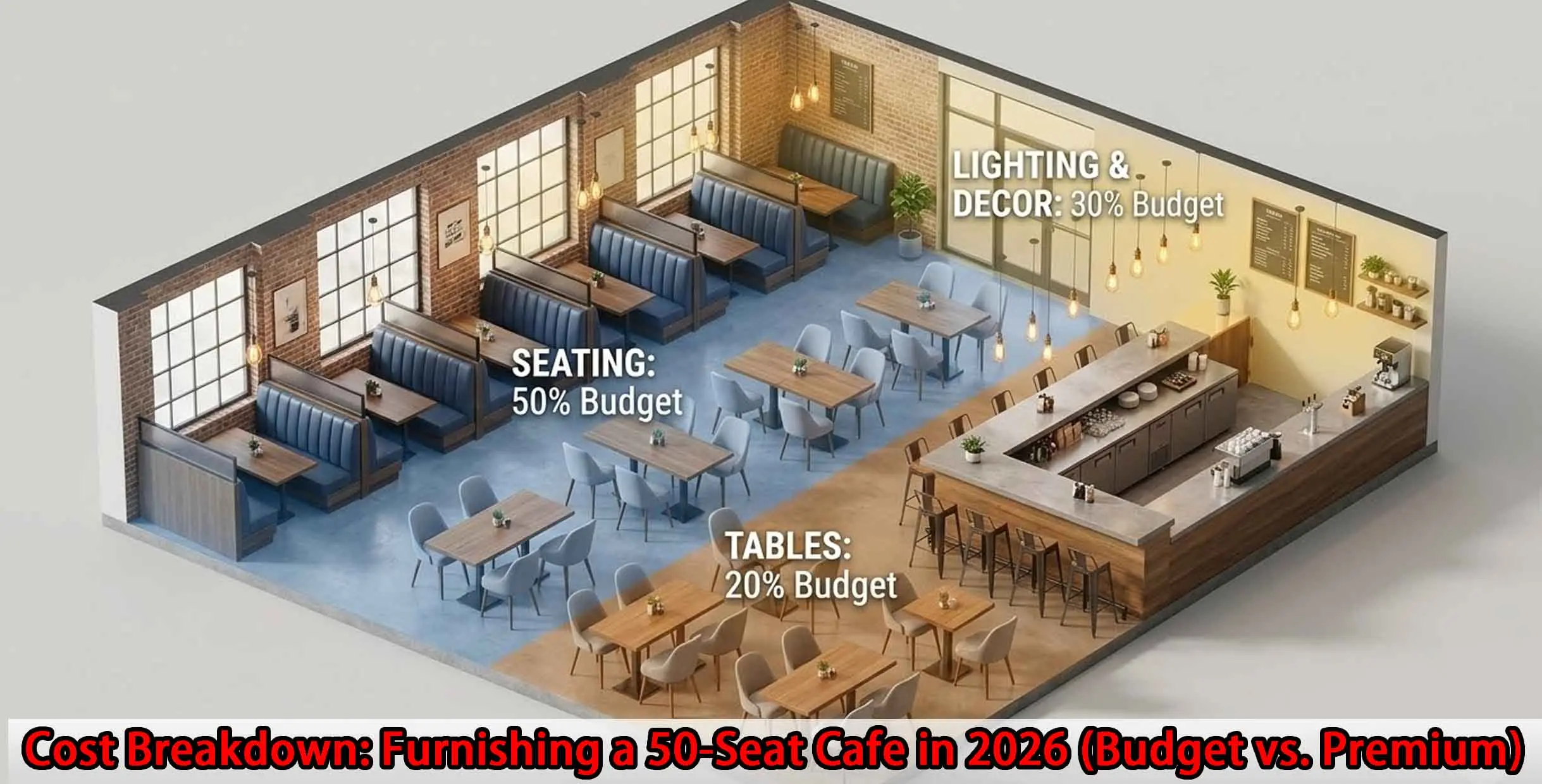
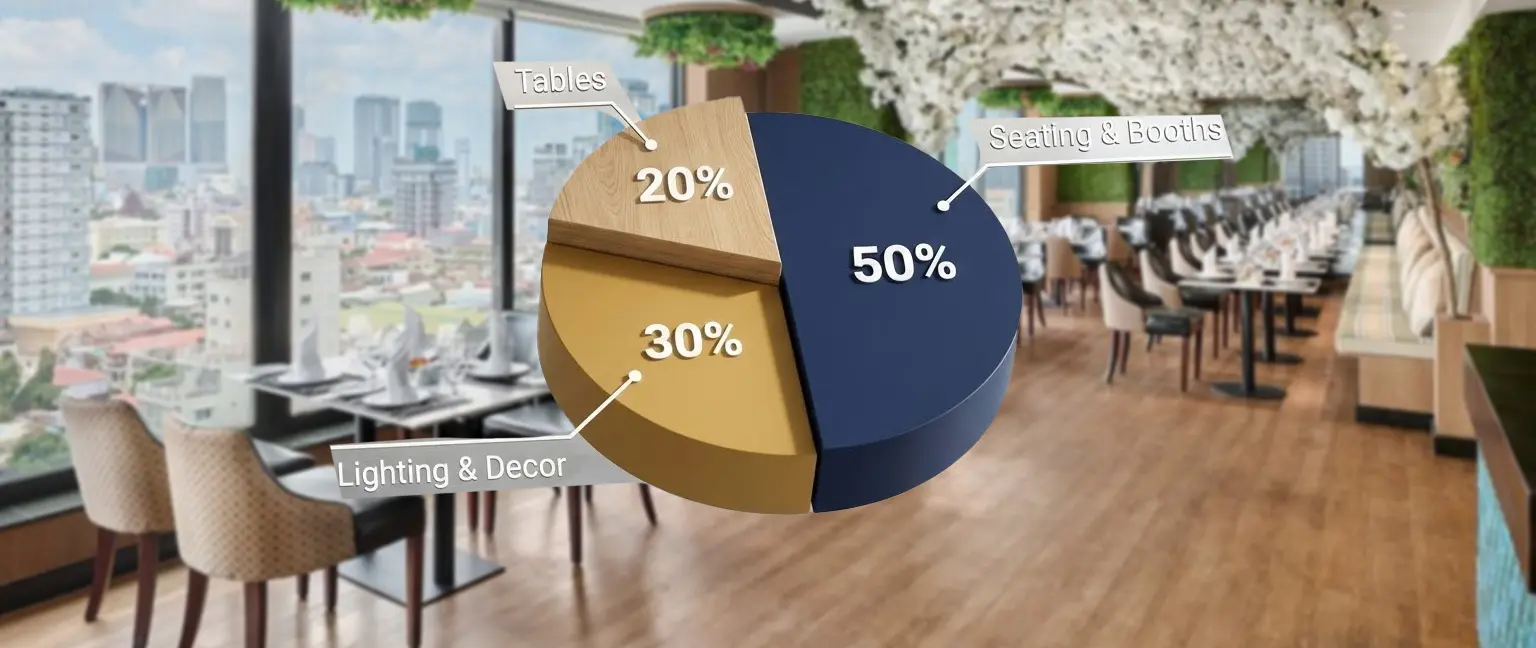
Sample Budget Allocation Plan for a 50-Seat Space
Let’s build a realistic capital allocation strategy for a 50-seat cafe in the US (e.g., a 1,200 sq. ft. space). We will assume a mix of 2-top tables, booths, and lounge chairs.
Recommended Capital Distribution Strategy:
🪑 Chairs & Booths (50% of Total Furniture Budget)
- Strategy: Mix of durable metal chairs for high-turnover areas and plush upholstered booths for premium seating zones.
- Quantity: Approx. 20 Booth seats (linear), 30 Individual chairs.
- Focus: Prioritize comfort and fire safety compliance here. This is where your customers spend 90% of their time; it is the core of your product.
🪵 Tables (20% of Total Furniture Budget)
- Strategy: Solid wood tops with heavy-duty cast iron or steel bases.
- Quantity: 18-20 Tables (mix of 2-top and 4-top).
- Focus: Stability and scratch resistance. Avoid hollow plastic bases that wobble and degrade the dining experience.
💡 Lighting, Decor & Accents (30% of Total Furniture Budget)
- Strategy: Pendant lights, wall art, plants, and custom signage.
- Focus: Creating the “Instagrammable” moments that drive free organic marketing and brand awareness.
How to Optimize Spending Without Sacrificing Quality
You don’t need to buy “cheap” to stay on budget. Here is how smart US buyers maximize value with MingMeng:
1. Ordering in Bulk: MOQ Benefits
Consolidating your order into a Full Container Load (FCL) is the single biggest lever for cost optimization.
- Benefit: Reduces landed cost per unit significantly compared to LCL shipments.
- Strategy: Order furniture for your main floor + reserve stock for future expansion or replacements in one shipment to maximize container utilization.
2. Customization vs. Standard Models
- Standard Models: Choosing from our existing catalog (e.g., our popular Floral Booth kapa Industrial Metal Chair) saves on mold fees and reduces lead time to 25 days.
- Smart Customization: Iketsetse finishes (fabric color, wood stain) rather than meaho. Changing the fabric to match your brand costs little but adds huge perceived value. Changing the frame geometry requires new tooling and increases costs substantially.
3. Direct-from-Manufacturer Advantages
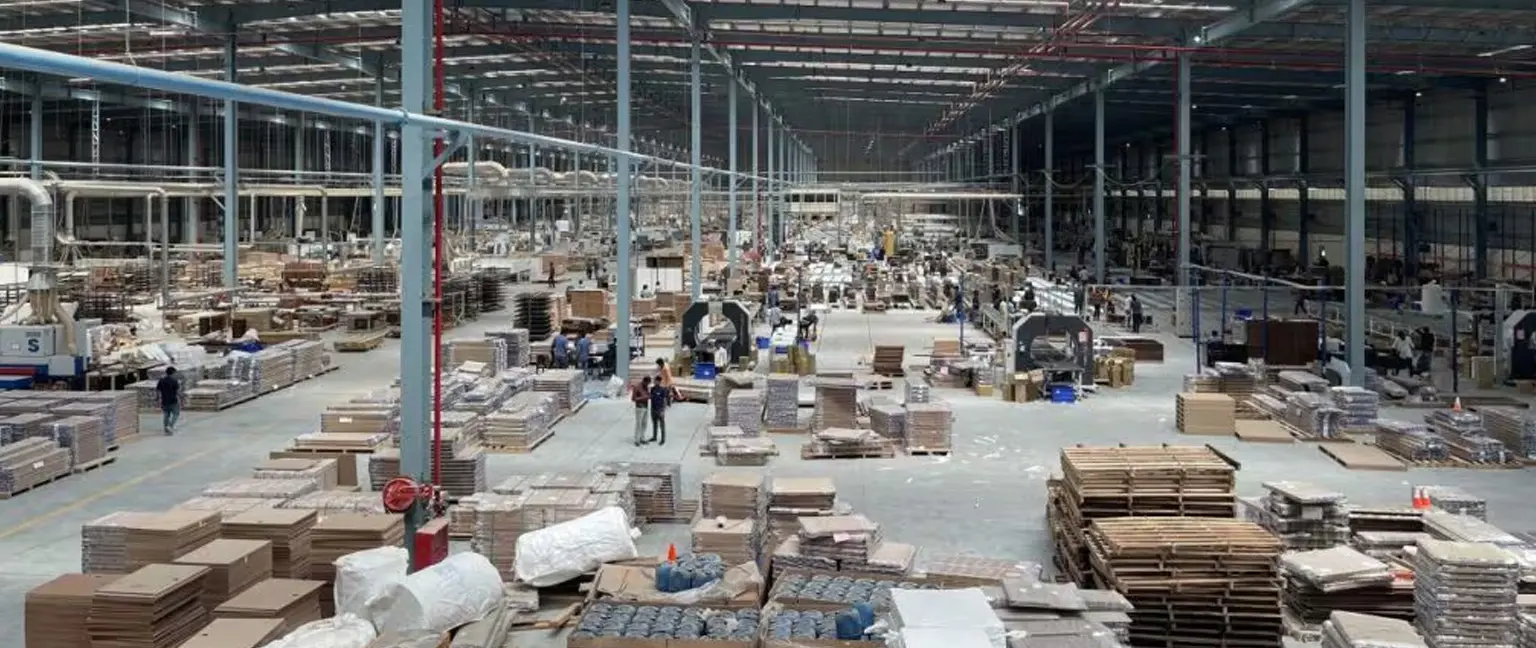
Cutting out the middleman (US wholesalers who add significant markups) is key to efficient capital deployment.
- MingMeng Advantage: As a factory, we offer direct wholesale valuation.
- No Hidden Fees: What you see in the quote is what you pay. No broker fees, no warehouse storage markups.
- Quality Control: You deal directly with the engineers who build the product, ensuring your specific US compliance needs (fire codes, load bearing) are met without communication gaps.
Ready to Start Your Project? Get a Free Floor Plan & Quote
Don’t let furniture planning become a guessing game. In 2026, precision is profit.
Ho MingMeng, we don’t just sell chairs; we partner with you to build your space.
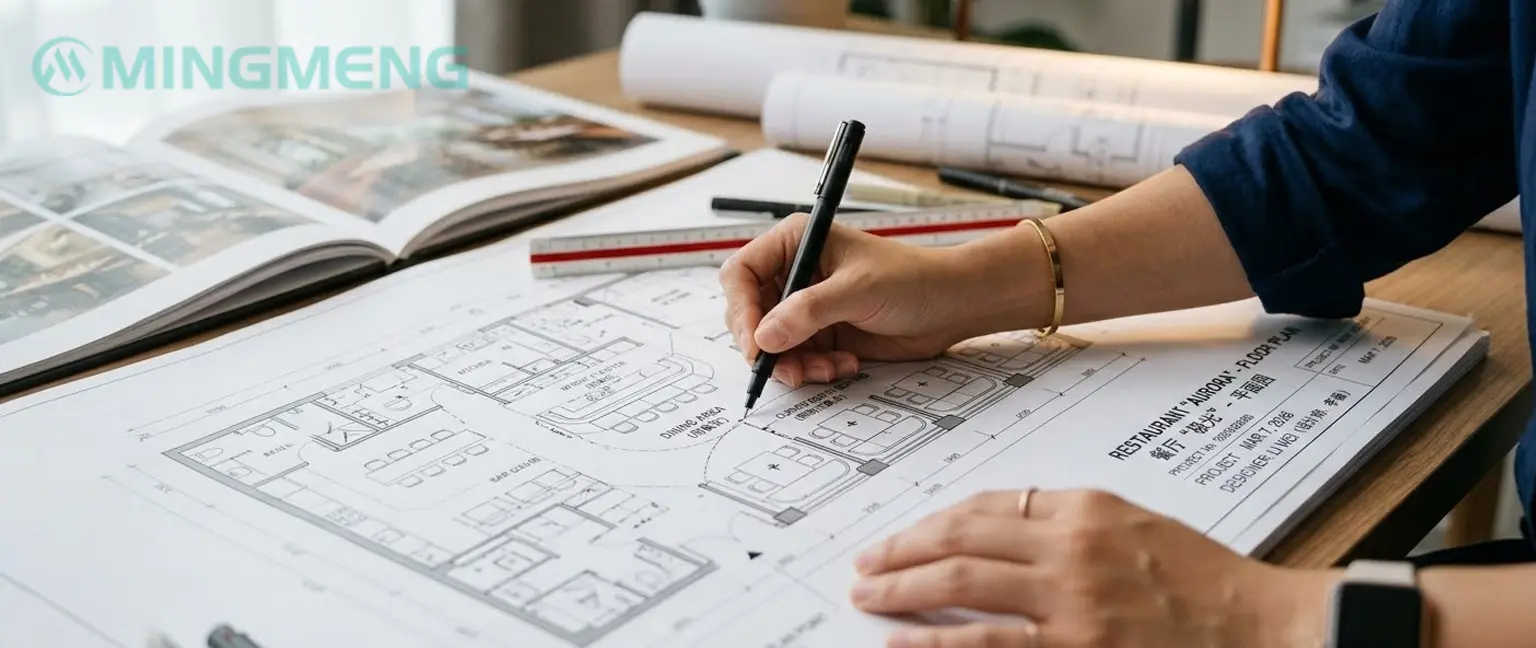
✅ Free Professional Floor Plan: Send us your blueprint, and our design team will optimize your layout for maximum seating capacity and flow.
✅ Transparent Valuation: Detailed breakdowns including FOB, CIF, and estimated landed costs in your US port.
✅ Compliance Guarantee: All products meet or exceed US commercial standards (CAL 117-2013, BIFMA).
Stop over-allocating capital for mediocre furniture. Join hundreds of successful US cafe owners who trusted MingMeng for their 2026 openings.
👉 Request Your Free Floor Plan & Custom Valuation Today
👉 [Download the 2026 Wholesale Catalog]