

 English
 中文
 日本語
 한국어
 العربية
 Русский
 Português
 Türkçe
 हिन्दी
 Tiếng Việt
 ไทย
 Indonesia
 Melayu
 ខ្មែរ
 ລາວ
 မြန်မာ
 Afrikaans
 Hausa
 Igbo
 Sesotho
 isiXhosa
 Yorùbá
 isiZulu
Introduction: Why Outdoor Furniture Matters
When guests walk into your restaurant or café, their first impressions often form before they read the menu or meet the staff. What they notice immediately is the atmosphere—the lighting, the greenery, and most importantly, the outdoor seating area.
In 2025, diners expect more than just food; they want a holistic experience. A patio with stylish, durable, and comfortable commercial garden furniture can become your best marketing tool. According to the National Restaurant Association, restaurants with outdoor seating report up to 30% higher summer revenue compared to those without.
This guide provides a detailed roadmap for selecting, planning, and maintaining outdoor furniture that not only matches your concept but also enhances customer satisfaction and increases return on investment (ROI).

1. Start with Your Concept
Outdoor furniture likes commercial garden furniture should not be an afterthought. It should extend your brand story into the open air.
Ask yourself:
- Are you designing for casual brunch crowds or romantic evening dinners?
- Is your style modern minimalism, Mediterranean resort, or industrial chic?
- Do you want your guests to linger for hours over cocktails, or should you encourage fast turnover?
For example:
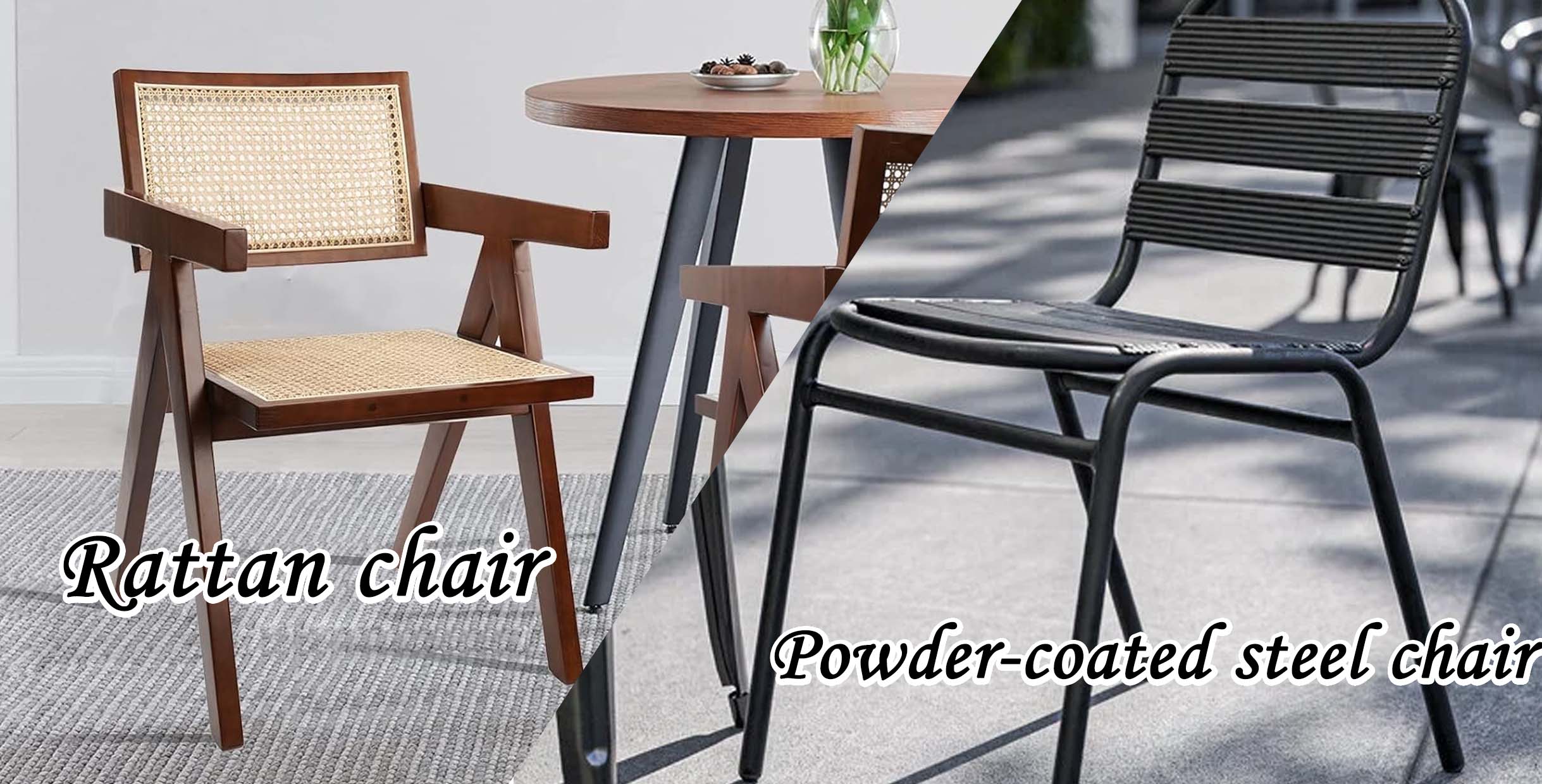
- A rustic Italian trattoria might favor teak communal tables with woven rattan chairs.
- A sleek urban rooftop bar may lean into powder-coated steel chairs and terrazzo-topped tables.
💡 အကြံပြုချက်- Create a mood board with photos of interiors, material samples, and furniture options. This helps align your design team, suppliers, and brand vision.
2. Layout and Space Planning
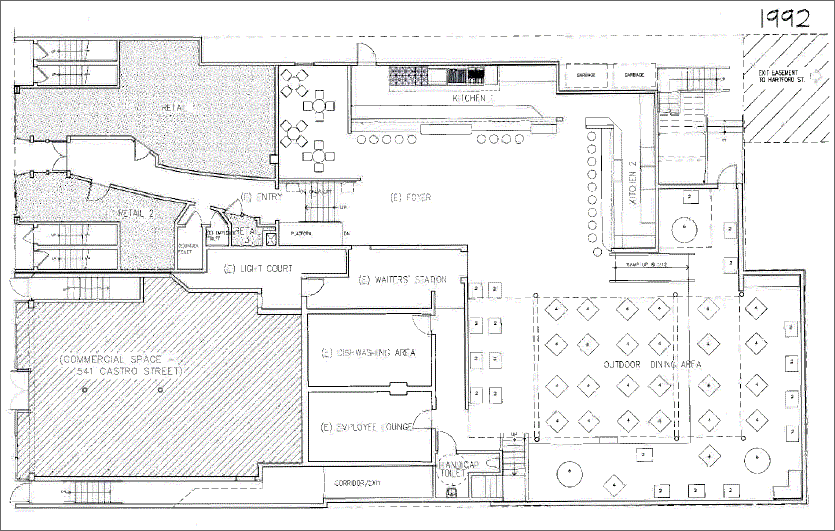
An outdoor dining space is only successful if it balances comfort, efficiency, and safety.
Key Guidelines (Based on ISO 2685 & ADA Recommendations):
- Chair spacing: 18–24 inches (45–60 cm) between chairs when in use.
- Aisles: Minimum 36 inches (90 cm) wide for servers and wheelchair access.
- Table area: 10–21 square feet (1–2 sqm) per guest.
- Mix of tables: Small 2-person tables for flexibility + a few larger communal tables.
- သုံးစွဲနိုင်မှု- Ensure 5% of tables are wheelchair accessible (required in many regions).
Recommended Outdoor Space Planning Dimensions
| Layout Type | Chair Spacing | Aisle Width | Table Area per Guest | မှတ်စုများ |
|---|---|---|---|---|
| Compact | 18 in / 45 cm | 30 in / 76 cm | 10 sq ft / 1 sqm | Maximizes covers but may reduce comfort |
| စံ | 20 in / 50 cm | 36 in / 90 cm | 15 sq ft / 1.5 sqm | Balanced comfort and efficiency |
| ပရီမီယံ | 24 in / 60 cm | 40 in / 100 cm | 21 sq ft / 2 sqm | For fine dining and long dwell times |
3. Choosing the Right Chairs
Guests spend 90% of their time in your chairs. The wrong choice can lead to bad reviews and short stays.
Banquettes vs. Loose Seating
- Banquettes/benches: Maximize wall space, cozy, and efficient.
- Loose chairs: Flexible, easier to replace, suitable for mixed parties.
Side Chairs vs. Armchairs
- Side chairs: Compact, affordable, easy to move. Great for capacity.
- Armchairs: More comfortable, encourage longer dwell times, but reduce seat count.
Outdoor Materials for Chairs
- အလူမီနီယမ် Lightweight, rust-proof.
- Synthetic Rattan (PE): Classic look, UV-resistant.
- Polywood/Recycled Plastic: Eco-friendly, weatherproof.
- Powder-Coated Steel: Durable but heavier.
Chair Material Comparison Chart
| ပစ္စည်း | ယာဉ်စည်းကမ်း | နှစ်သိမ့်မှု | Cost | ထိန်းသိမ်းခြင်း။ | အကောင်းဆုံးအသုံးပြုမှု Case |
|---|---|---|---|---|---|
| အလူမီနီယံ | ★★★★☆ | ★★★☆☆ | $$ | နိမ့်သည်။ | Lightweight, stackable, great for coastal cafés |
| Synthetic Rattan (PE) | ★★★★☆ | ★★★★☆ | $$$ | လတ် | Resort-style dining, weather-resistant |
| Polywood | ★★★★☆ | ★★★☆☆ | $$$ | နိမ့်သည်။ | Eco-friendly, sustainable concepts |
| Powder-Coated Steel | ★★★★★ | ★★★☆☆ | $$ | လတ် | Urban beer gardens, industrial look |
| ကျွန်းသစ် | ★★★★☆ | ★★★★☆ | $$$$ | မြင့်သည်။ | Luxury restaurants, natural aesthetics |
4. Selecting Outdoor Tables
Your tables must withstand constant cleaning, variable weather, and heavy use.
Best Shapes
- Square: Easy to combine for groups.
- Round: Great for intimate spaces, fits corners.
- Rectangular: Ideal for families or long dining setups.
Common Materials
| ပစ္စည်း | Benefits | Challenges | အကောင်းဆုံးအသုံးပြုမှု Case |
|---|---|---|---|
| ကျွန်းသစ် | Premium, naturally weather-resistant | Requires oiling/sealing | Fine dining terraces |
| HPL (High-Pressure Laminate) | Scratch-resistant, easy to sanitize | Cooler, less “natural” aesthetic | Busy cafés |
| Composite Stone (Quartz, Terrazzo) | Elegant, highly durable | Heavy, expensive | Rooftop restaurants |
| Metal (Powder-Coated) | Industrial vibe, rust-proof options | Can heat up in sun | Beer gardens |
| Glass (Tempered) | Modern look, easy to clean | Fragile, fingerprints | Lounges, upscale cafés |
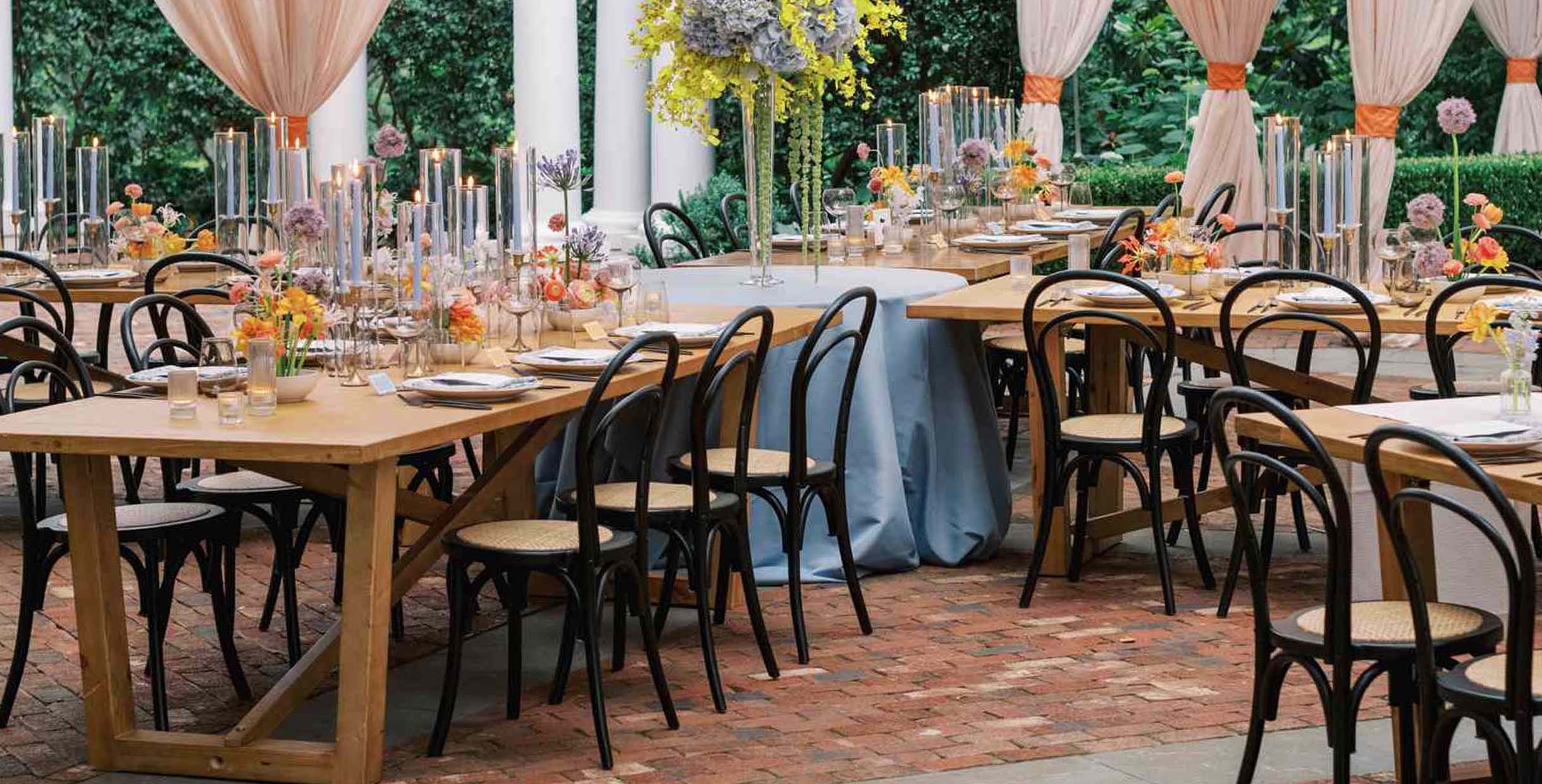
5. Creating Indoor-Outdoor Flow
Customers feel most at ease when there’s aesthetic continuity between your indoor and outdoor spaces.
ဥပမာ-
- If your restaurant interior uses California-style dining tables with woven chairs, carry similar tones and textures into your outdoor section.
- Lighting and greenery can help smooth the transition.
6. Durability and Maintenance
Outdoor furniture faces rain, UV rays, and temperature shifts. Choosing the right finishes extends lifespan.
Essential Features
- UV-resistant coatings (ASTM G154 tested).
- Powder-coated metal for rust prevention.
- Quick-dry foam cushions with removable covers.
- Seasonal checks: Inspect joints, re-seal wood, cover furniture in off-seasons.
📸 Illustration suggestion: Close-up of water-resistant cushion fabric.444
7. Commercial vs. Residential Furniture
Many venues mistakenly buy residential-grade patio furniture, only to replace it within 12 months.
Commercial Furniture Advantages:
- Meets ASTM B117 salt-spray tests for corrosion.
- Reinforced joints for high-traffic use.
- Fire-retardant fabrics (required in many EU markets).
- Longer warranties (3–10 years).
Residential Furniture Limitations:
- Shorter lifespan.
- Not fire- or safety-tested.
- Materials fade and weaken faster.
👉 Always confirm furniture is contract-grade before purchasing.
8. ROI: Furniture as an Investment
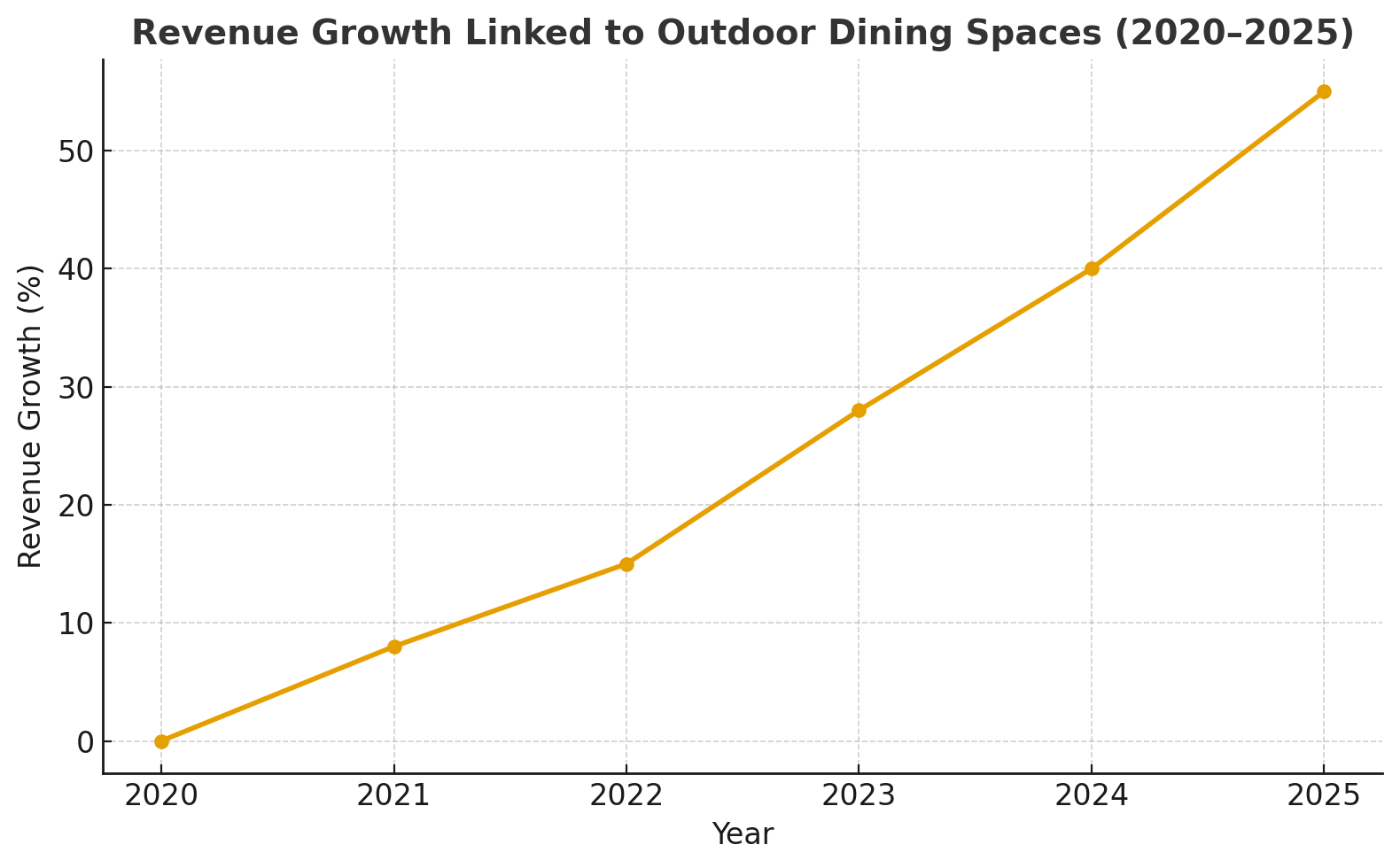
Good garden furniture is a revenue driver, not just a cost.
Industry Data:
- Outdoor areas increase customer dwell time by 25% (Hospitality Design Magazine, 2024).
- Well-designed patios increase average check size by 10–15%.
- Venues with outdoor spaces report 20–30% more footfall in warmer months.
Revenue Growth Linked to Outdoor Dining Spaces (2020–2025)
9. Trends in Commercial Garden Furniture for 2025
- Eco-conscious design: Polywood from recycled plastics, FSC-certified teak.
- Tech integration: Tables with USB/solar charging.
- Hybrid indoor-outdoor furniture: Lightweight, flexible designs.
- Bold colors: Moving beyond neutral tones; deep greens, terracotta, and cobalt.
- Multi-functional pieces: Stackable chairs, modular lounge seating.
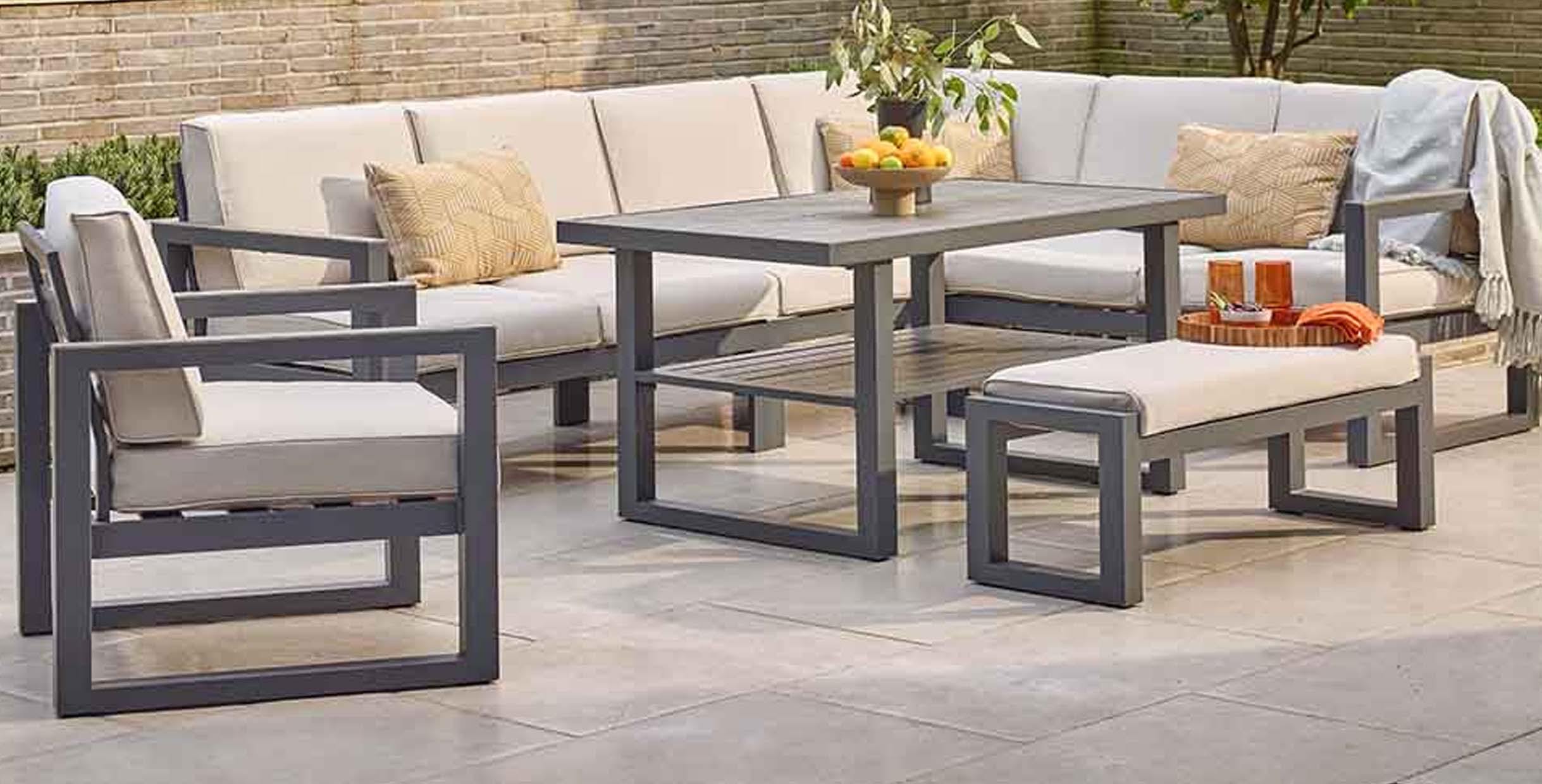
📸 Illustration suggestion: Modern garden lounge with modular furniture sets.555
10. FAQs
1. What’s the difference between commercial and residential garden furniture?
Commercial pieces meet safety, fire, and durability standards; residential doesn’t.
2. Which materials last longest outdoors?
Teak, aluminum, and HPL surfaces are top performers.
3. How do I clean outdoor furniture?
Mild soap + water. Avoid bleach or abrasives (can strip UV coatings).
4. How often should cushions be replaced?
Every 2–3 years depending on usage, unless quick-dry, UV-treated fabrics are used.
5. How can outdoor furniture increase my revenue?
By improving comfort and aesthetics, you increase dwell time and attract more guests.
Beyond a Conclusion: What to Do Next
Instead of wrapping up with generic advice, here’s what you can do today:
- Audit your current patio furniture for wear and compliance.
- Create a layout plan balancing covers and comfort.
- Request ASTM/ISO certification reports from your supplier.
- Add finishing touches: greenery, heaters, and lighting.
👉 Think of your commercial garden furniture as more than décor. It’s an investment in guest experience and revenue growth.


