

 English
 中文
 日本語
 한국어
 العربية
 Русский
 Português
 Türkçe
 हिन्दी
 Tiếng Việt
 ไทย
 Indonesia
 Melayu
 ខ្មែរ
 ລາວ
 မြန်မာ
 Afrikaans
 Hausa
 Igbo
 Sesotho
 isiXhosa
 Yorùbá
 isiZulu
Walking into a furniture factory restaurant feels different from any other dining experience. The hum of industry, the raw texture of reclaimed wood, the steel-framed chairs, and the exposed brick walls tell a story before the menu even arrives. In 2025, this hybrid of industrial heritage and hospitality comfort is no longer just a trend — it’s becoming a global standard for urban dining.
Guests want more than food; they want an atmosphere that speaks of authenticity, creativity, and longevity. That’s where the furniture factory aesthetic shines, blending durability with character, and efficiency with style.

Why Furniture Factory Restaurants Are Growing in Popularity
Recent data from Hospitality Interiors (2024) shows that 38% of new restaurants in urban districts adopted industrial or factory-inspired interiors. The reasons are clear:
- Authenticity sells. Industrial furniture carries the weight of craftsmanship and history.
- Durability reduces cost. Contract-grade steel and reclaimed timber last longer than mass-market alternatives.
- Flexibility matters. Modular furniture and open layouts adapt to changing dining patterns.
- Visual storytelling. In the age of Instagram, diners crave photogenic interiors as much as great food.
Defining the Furniture Factory Restaurant Aesthetic
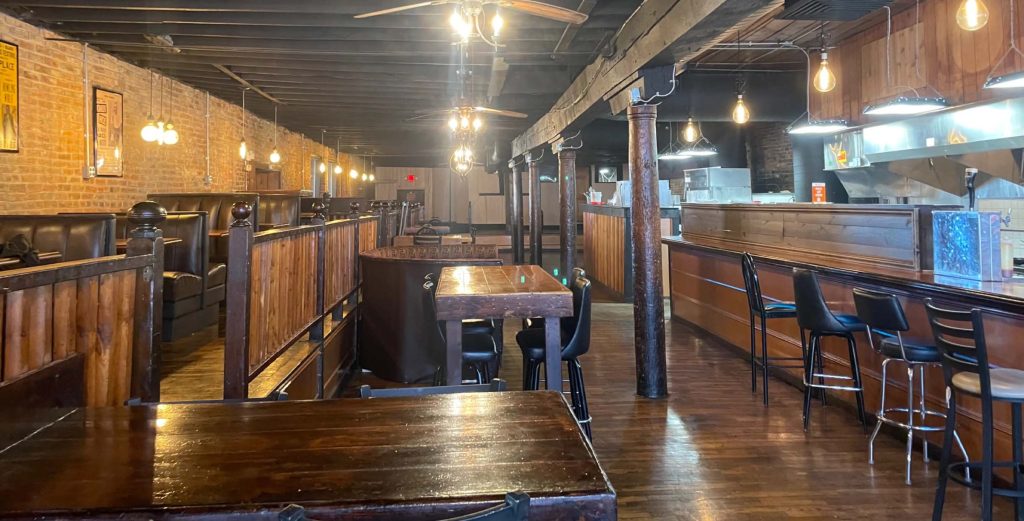
So what exactly sets a furniture factory restaurant apart from other industrial-inspired spaces? Here are the defining features:
- Raw, Honest Materials
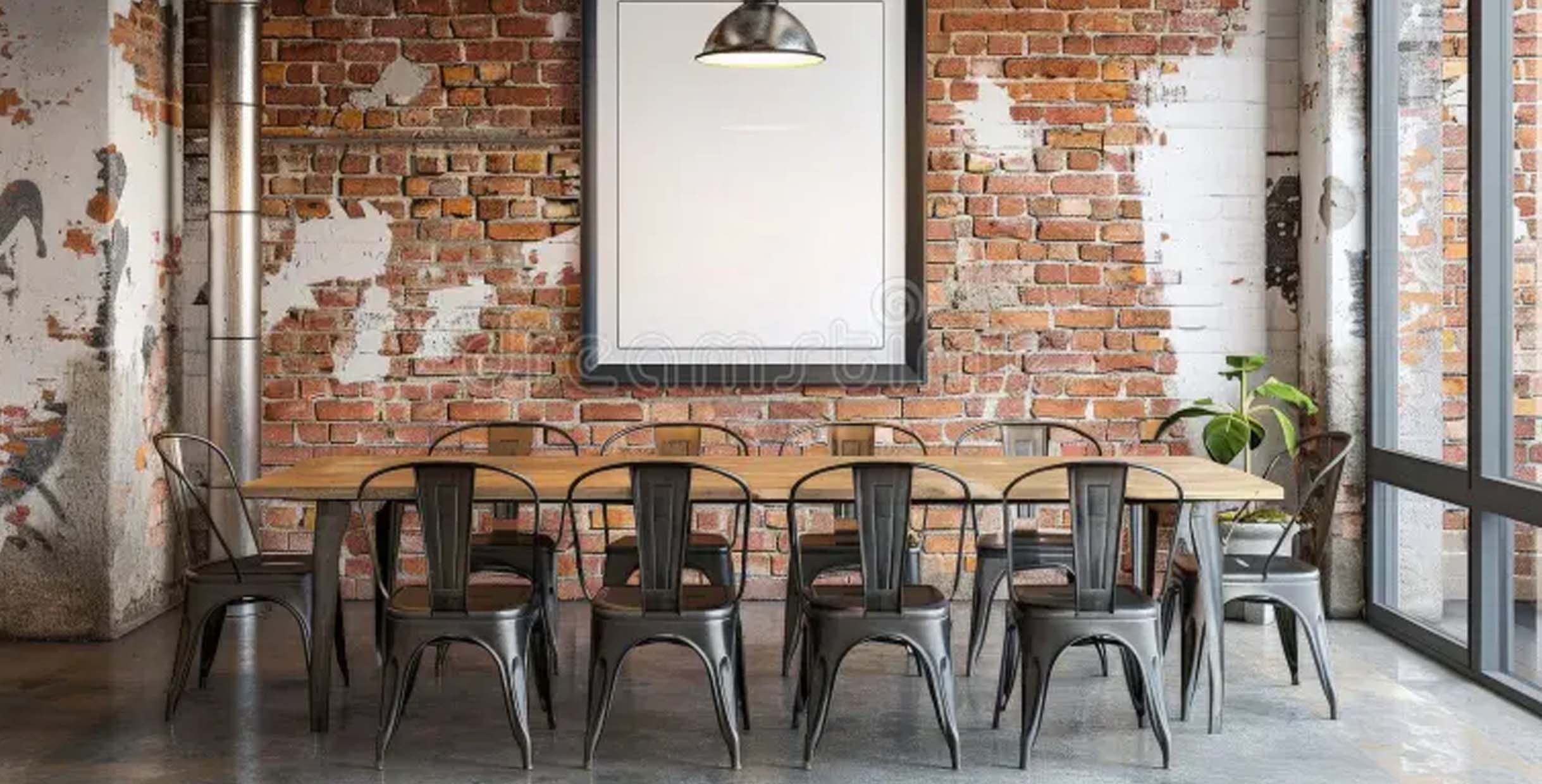
- Exposed brick, visible beams, polished concrete, reclaimed timber.
- Tables and chairs emphasize sturdiness and texture.
- Alt: reclaimed wood restaurant tables paired with black metal chairs
- Industrial Lighting
- Factory-style pendant lamps, Edison bulbs, and oversized steel shades.
- Lighting doubles as both mood-setter and design focal point.
- Functional Comfort
- Contract-grade chairs with ergonomic back support.
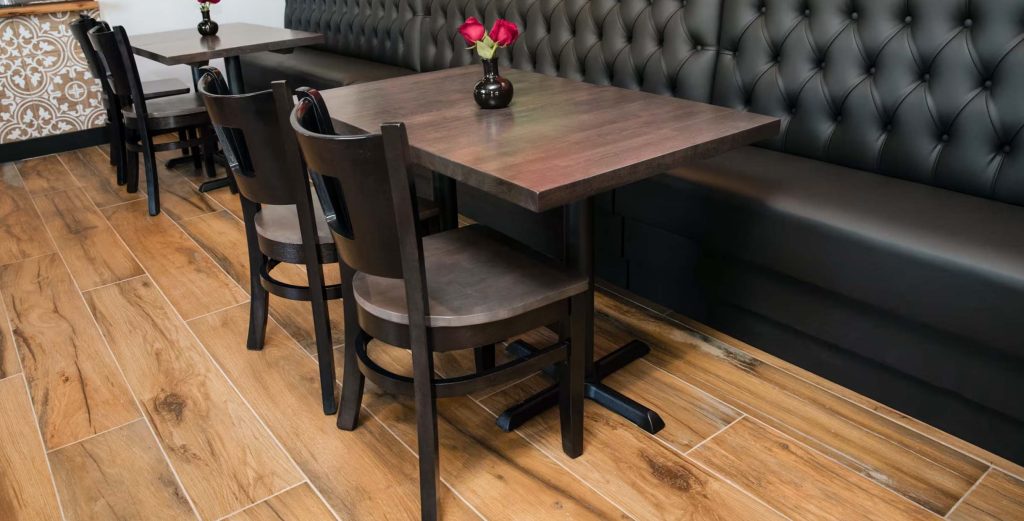
- Custom booths upholstered in leather or performance fabrics.
- Open, Flexible Layouts
- Mimic warehouse spaciousness.
- Movable furniture to accommodate events or group dining.
Top Trends in 2025
| Trend | What It Looks Like | Why It Matters |
|---|---|---|
| ရေရှည်တည်တံ့သောပစ္စည်းများ | FSC-certified timber, recycled steel, eco upholstery | Aligns with eco-conscious dining |
| Hybrid Spaces | Dining + co-working lounges | Appeals to remote workers |
| Statement Pieces | Oversized communal tables, dramatic booths | Creates Instagram moments |
| Smart Furniture | Built-in charging stations, modular seating | Increases guest convenience |
| Local Craftsmanship | Regionally sourced furniture & finishes | Adds authenticity & supports local economy |
Practical Design Considerations
When planning a furniture factory restaurant, it’s not just about looks. Owners must balance durability, comfort, and flow.
- Durability First
Choose contract-grade pieces tested against ASTM/ISO standards. This ensures tables and chairs withstand years of heavy use. - Ergonomics Matter
Guests may linger longer than expected; invest in seating that supports posture. Upholstered booths are especially effective. - Acoustic Planning
Industrial interiors can echo. Use upholstered booths, acoustic panels, and soft furnishings to absorb sound. - Lighting Zones
Combine warm ambient light with task lighting over tables to create layers of experience.
Recommended Layout Dimensions
📊 Outdoor & Indoor Space Planning Dimensions
| Layout Type | Space per Guest | Aisle Width | စံပြအသုံးပြုမှု |
|---|---|---|---|
| Compact | 1 m² | 800 mm | Cafés, quick service |
| စံ | 1.5 m² | 900 mm | Casual dining |
| ပရီမီယံ | 2 m² | 1,200 mm | Fine dining, lounges |
Chair Material Comparison
📊 Chair Material Comparison Chart
| ပစ္စည်း | ယာဉ်စည်းကမ်း | နှစ်သိမ့်မှု | Cost | ထိန်းသိမ်းခြင်း။ |
|---|---|---|---|---|
| Steel Frame + Wood Seat | မြင့်သည်။ | လတ် | $$ | နိမ့်သည်။ |
| Upholstered Leather | လတ် | မြင့်သည်။ | $$$ | လတ် |
| Polypropylene | လတ် | လတ် | $ | နိမ့်သည်။ |
| Reclaimed Timber | မြင့်သည်။ | လတ် | $$ | လတ် |
Maintenance Checklist for Commercial Use
Daily Tasks
- Wipe surfaces with non-abrasive cleaner.
- Inspect tables/chairs for stability.
- Sweep under booths to prevent dust buildup.
Monthly Tasks
- Check joints, screws, and welds.
- Deep clean upholstery with fabric-appropriate products.
- Refinish wood with protective oils if necessary.
Seasonal Tasks
- Apply rust protection to steel bases.
- Inspect outdoor seating for UV or rain damage.
- Replace worn seat cushions or fabric panels.
အမေးအဖြေများ
Q: Is residential furniture suitable for restaurants?
A: No. Only contract-grade furniture withstands the demands of commercial environments.
Q: How can I make a furniture factory restaurant more comfortable?
A: Use upholstered booths, add greenery, and incorporate layered lighting.
Q: Does this style only fit urban areas?
A: Not at all. Industrial dining works equally well in suburban breweries, co-working cafés, and boutique hotels.
Final Notes
ဟိ furniture factory restaurant trend blends storytelling, durability, and atmosphere into a package that today’s diners find irresistible. In 2025, expect to see more restaurants leaning into this aesthetic — not just for looks, but because it builds an experience that keeps guests returning.
For owners, the takeaway is clear: treat furniture as a long-term investment, not just a design accessory. The right tables, chairs, and booths don’t just fill space — they define your brand.


