

 English
 中文
 日本語
 한국어
 العربية
 Русский
 Português
 Türkçe
 हिन्दी
 Tiếng Việt
 ไทย
 Indonesia
 Melayu
 ខ្មែរ
 ລາວ
 မြန်မာ
 Afrikaans
 Hausa
 Igbo
 Sesotho
 isiXhosa
 Yorùbá
 isiZulu
Opening a new restaurant or expanding to a second location requires more than just good design taste. Choosing the right restaurant chairs supplier can directly impact durability, maintenance costs, brand consistency, and long-term profitability.
Many suppliers promise “high quality at low prices,” but commercial hospitality seating operates under completely different standards than residential furniture. This guide explains how to evaluate a supplier professionally—beyond marketing claims.
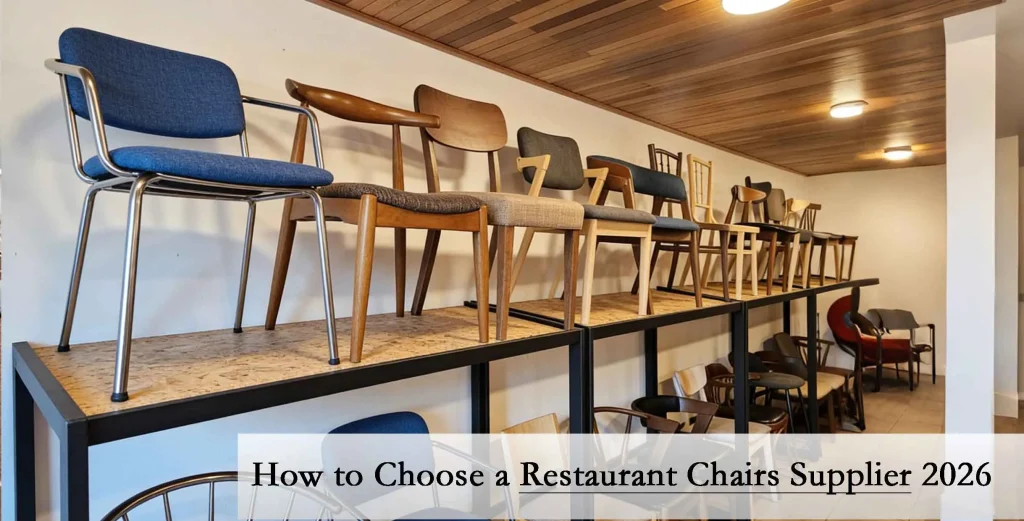
1. What Defines a True Commercial Restaurant Chairs Supplier?
Not all suppliers operate at the same level. A commercial-grade supplier should meet at least three criteria:
Manufacturing Capability
Do they manufacture directly, or are they a trading intermediary?
Direct manufacturers typically provide:
- Better cost control
- Customization options
- Consistent product availability
- Faster problem resolution
Commercial Usage Focus
Ask whether their chairs are designed specifically for:
- High guest turnover
- Daily cleaning with chemical solutions
- Weight loads exceeding residential standards
If a supplier also sells home dining chairs as their main product line, that’s a red flag for heavy-duty restaurant environments.
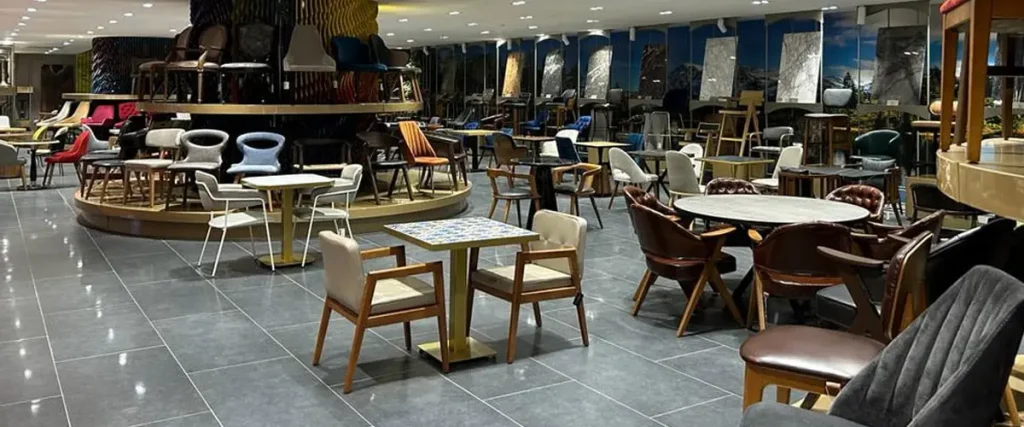
2. Commercial-Grade Quality: What to Ask
Instead of asking, “Are your chairs strong?” ask specific technical questions:
Load Capacity
- What is the static weight rating?
- Are chairs tested for at least 250–300 lbs?
Structural Integrity
- Are joints mortise-and-tenon (for wood)?
- Are metal frames fully welded or spot-welded?
- Are reinforcements added at stress points?
Finish Durability
- Are finishes resistant to alcohol-based cleaners?
- Is powder coating used for metal?
- Are fabrics commercial-grade vinyl or performance textiles?
A professional restaurant chairs supplier should answer these questions confidently and provide documentation when requested.
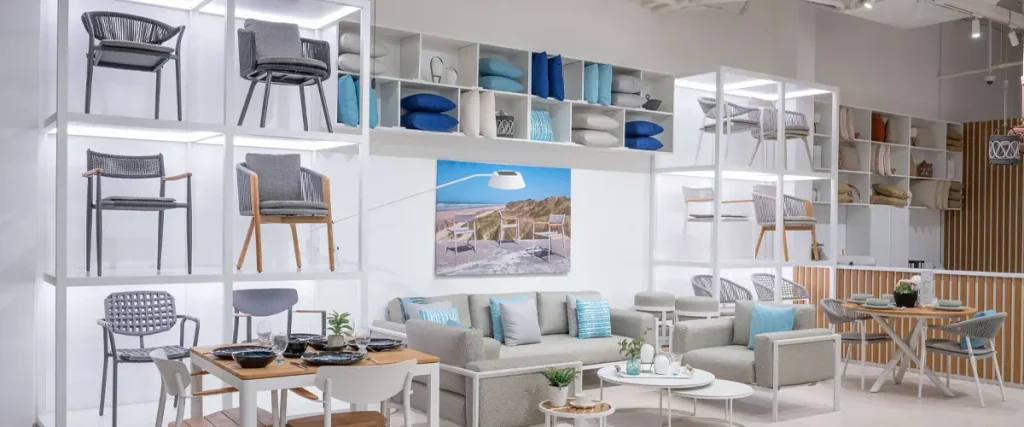
3. Lead Times, MOQs, and Inventory Transparency
One of the biggest risks in hospitality projects is delayed furniture.
Before placing an order, clarify:
In-Stock vs Custom
- Are standard models stocked locally?
- What is the production timeline for custom finishes?
Minimum Order Quantities (MOQ)
- Do custom models require bulk orders?
- Can small restaurants order lower quantities?
Shipping & Delivery Terms
- Will chairs arrive assembled?
- Is delivery curbside or inside placement?
Transparent suppliers reduce opening delays and operational risk.
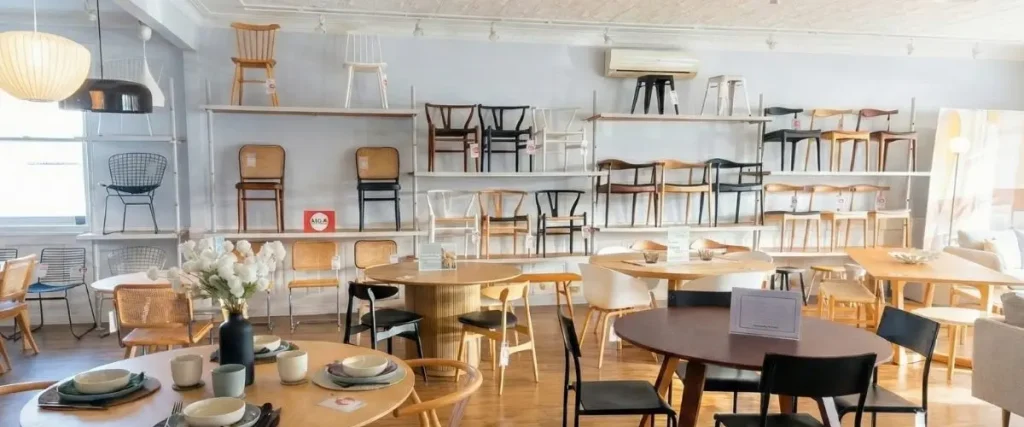
4. Factory vs Trading Company: Why It Matters
Understanding who you are buying from changes everything.
| ထူးခြားချက် | Factory Supplier | Trading Company |
|---|---|---|
| Pricing Control | Direct | Markup Applied |
| စိတ်ကြိုက်လုပ်ပါ။ | Flexible | ကန့်သတ်ချက် |
| Quality Oversight | In-house | Third-party |
| Model Consistency | မြင့်သည်။ | ကွဲပြားသည်။ |
Working with a factory-level restaurant chairs supplier often ensures better long-term consistency—especially if you plan to expand or replicate your concept.

Wood Chair

Metal Chair

ကူရှင်
သဘာပတိ

ဟိုတယ်
သဘာပတိ
5. Comfort Is a Revenue Strategy
Chairs are not just functional—they influence customer behavior.
Uncomfortable seating can:
- Reduce dining time
- Lower beverage and dessert sales
- Increase negative reviews
When evaluating a supplier, test for:
- Seat depth and cushioning
- Back support angle
- Table-to-seat height ratio
A knowledgeable supplier should understand how seating ergonomics affect turnover and ticket size.
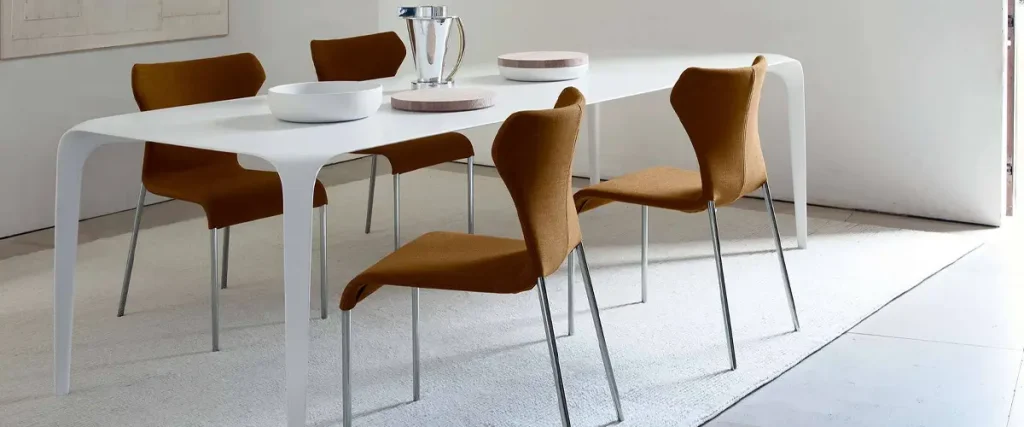
6. Long-Term Cost vs Upfront Price
Low-cost chairs may appear attractive initially, but frequent replacements increase lifetime expenses.
Consider:
- Replacement frequency
- Repair availability
- Model continuity
- Warranty coverage
Lifecycle cost matters more than purchase price in commercial environments.
7. Red Flags to Avoid
When screening a restaurant chairs supplier, watch for:
- Vague answers about materials
- No testing data available
- Inconsistent lead time estimates
- No warranty for structural components
- Constant model changes (hard to reorder later)
Reliability and consistency are critical in hospitality projects.
အမေးများသောမေးခွန်းများ
- How many chairs should I order for a new restaurant?
Most operators order 5–10% extra units beyond seating capacity to account for damage, rotation, and unexpected peak demand.
- Should I choose wood or metal chairs?
It depends on concept and usage intensity. Solid wood offers warmth and acoustic benefits, while metal typically provides higher structural strength and easier maintenance.
- Do commercial chairs require special certifications?
Some markets require fire-retardant fabrics or load testing compliance. Always confirm local regulations before placing bulk orders.
နောက်ဆုံးအတွေးများ
Choosing a restaurant chairs supplier is not about finding the cheapest option—it’s about securing a long-term operational partner. Durability, lead time transparency, customization capability, and commercial-grade construction should guide your decision.
Taking the time to evaluate suppliers professionally reduces opening delays, replacement costs, and operational stress in the years ahead.
Reliable Restaurant Chairs Supplier?
If you are evaluating options for a new project or renovation, review suppliers who specialize in commercial hospitality seating, offer factory-level customization, and maintain consistent inventory for future expansion.
A strong supplier relationship ensures your seating supports your brand—not undermines it.
Let’s Build Your Dream Space Together
You focus on the food and the service; let us handle the seating. Browse our catalog to find styles that fit your vibe and your budget.👉 Looking for commercial restaurant chairs supplier?


