
 English
 中文
 日本語
 한국어
 العربية
 Русский
 Português
 Türkçe
 हिन्दी
 Tiếng Việt
 ไทย
 Indonesia
 Melayu
 ខ្មែរ
 ລາວ
 မြန်မာ
 Afrikaans
 Hausa
 Igbo
 Sesotho
 isiXhosa
 Yorùbá
 isiZulu
When it comes to furnishing restaurants, cafes, and hospitality venues, the dining table base often gets far less attention than the tabletop. However, in commercial environments, the table base plays a critical role in stability, durability, layout efficiency, and overall customer experience.
Metal dining table bases are widely used in commercial spaces because they offer superior strength, long service life, and versatile design options. In this guide, we’ll walk through 6 common metal dining table base options and explain where each one works best.
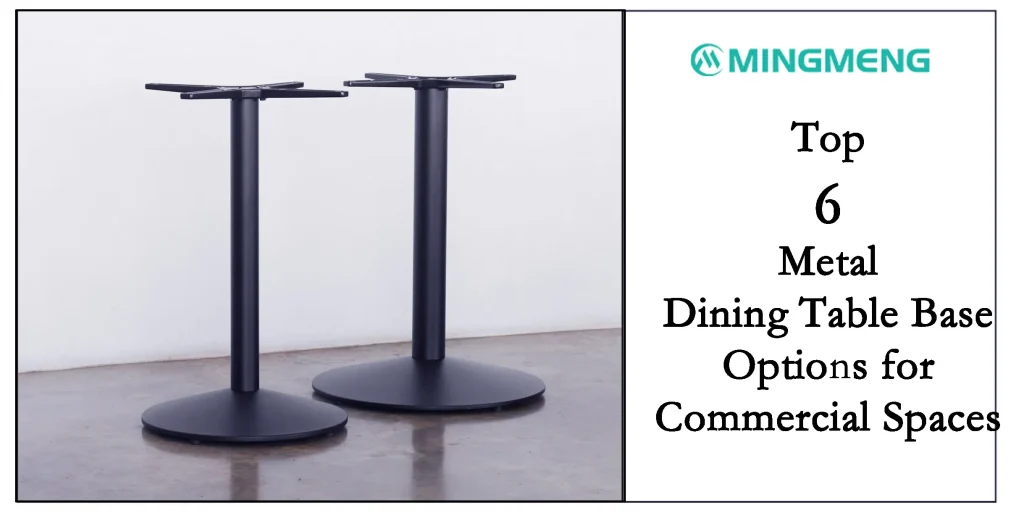
Why Metal Dining Table Bases Are Ideal for Commercial Use
Unlike residential furniture, commercial dining tables are moved frequently, exposed to heavy use, and required to support different tabletop sizes. Metal bases stand out because they:
- Provide strong structural support
- Resist warping and cracking over time
- Handle frequent cleaning and repositioning
- Match a wide range of interior styles
For restaurants prioritizing longevity and safety, metal table bases are often the most practical choice.
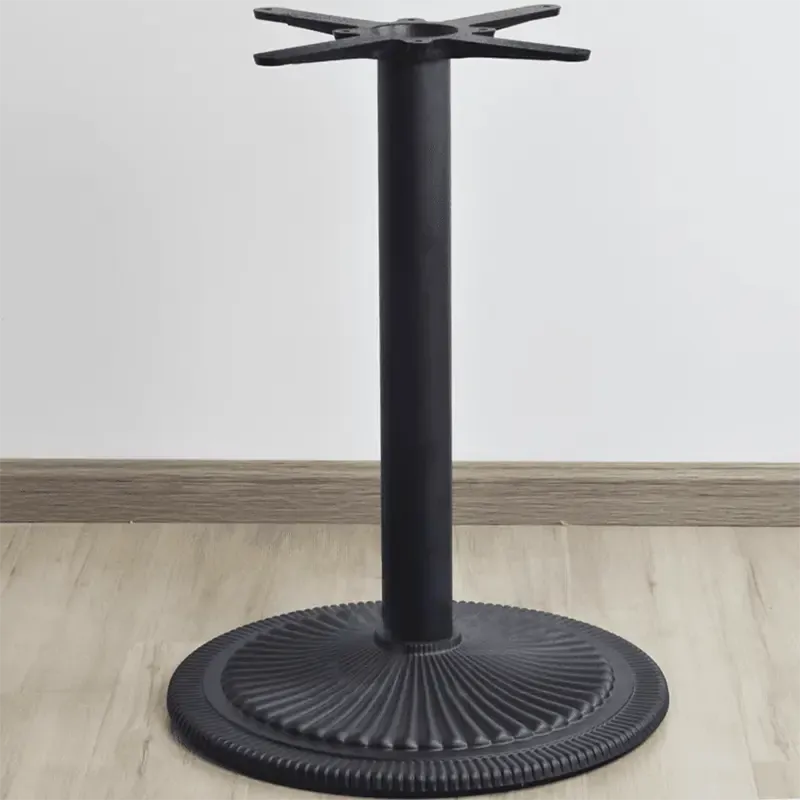
1.Chrysanthemum Pedestal Cast Iron Table Base
Decorative Round Design for Restaurant Dining Tables
This pedestal base features a chrysanthemum-inspired cast iron base, offering both decorative appeal and excellent stability. The wide round footprint distributes weight evenly, making it suitable for heavier tabletops.
Key Features:
- Heavy-duty cast iron construction
- Decorative radial base design
- Strong anti-tilt performance
Best Use:
- Classic or European-style restaurants
- Dining tables with marble or solid wood tops
- Spaces where visual detail matters


2. Vintage Cast Iron 3-Leg Table Base
The three-leg cast iron table base is a timeless choice often found in cafes and bistros. Its tripod structure allows stable support while taking up less visual and physical space.
Key Features:
- Compact three-leg structure
- Traditional cast iron durability
- Efficient use of floor space
Best Use:
- Cafes and coffee shops
- Small to medium tabletops
- Vintage or retro dining interiors


3. Black Cast Iron Ornamental Height Table Base
Designed for elevated seating, this ornamental cast iron base is suitable for bar-height and high dining tables. Its taller profile and decorative details make it both functional and visually distinctive.
Key Features:
- Bar-height structural design
- Decorative cast iron detailing
- Strong vertical load support
Best Use:
- Bars and pubs
- Cocktail and lounge areas
- Restaurants with mixed-height seating layouts


4. Industrial Black Metal Table Base
This industrial-style table base emphasizes clean lines and structural strength. Its simple form allows it to pair easily with various tabletop materials and interior themes.
Key Features:
- Steel construction with black powder coating
- Minimalist, industrial appearance
- Low maintenance surface
Best Use:
- Modern and industrial-style restaurants
- High-turnover dining spaces
- Cafes with simple, functional layouts

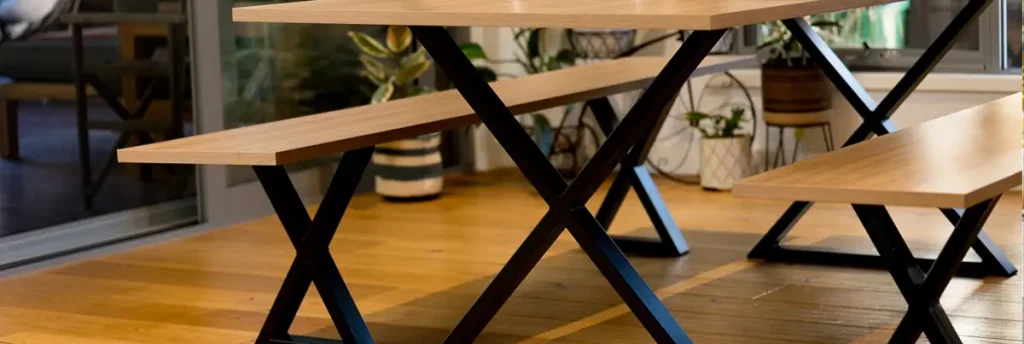
5. X-Shaped Black Metal Round Table Base
The X-shaped design provides enhanced lateral stability and strong visual impact. Its wide stance makes it particularly suitable for supporting larger round tabletops.
Key Features:
- Reinforced X-frame structure
- High load-bearing capacity
- Architectural, modern design
Best Use:
- Communal dining tables
- Restaurants using large round tabletops
- Contemporary or design-led dining spaces


6. Chrome-Plated Stainless Steel Table Base
This table base features a chrome-plated stainless steel finish, combining corrosion resistance with a clean, modern look. It performs especially well in environments where hygiene and moisture resistance are critical.
Key Features:
- Stainless steel construction
- Chrome-plated, easy-to-clean surface
- Excellent resistance to rust and corrosion
Best Use:
Modern and upscale hospitality projectsen for restaurants seeking consistency across multiple locations or unique interior concepts.Restaurants in humid or coastal regions.Covered outdoor dining areas


Comparison Table: Metal Dining Table Bases for Commercial Use
| Table Base Type | Stability | Best Use | Recommended Tabletop Type |
|---|---|---|---|
| Chrysanthemum Pedestal Cast Iron | ★★★★★ | Classic restaurants | Marble, solid wood |
| Vintage Cast Iron 3-Leg | ★★★★☆ | Cafes, bistros | Solid wood, compact tops |
| Ornamental Height Cast Iron | ★★★★★ | Bars, lounges | Solid wood, engineered stone |
| Industrial Black Metal | ★★★★☆ | Modern restaurants | Wood, laminate, composite |
| X-Shaped Black Metal | ★★★★★ | Communal dining | Large round wood or stone tops |
| Stainless Steel Chrome-Plated | ★★★★☆ | Coastal / humid areas | Compact stone or laminate |
How Table Bases Work with Cafe Tables and Booth Seating
In commercial layouts, table bases rarely exist in isolation. Many restaurants pair metal table bases with flexible cafe table designs for open seating areas, while using dining booth seating along walls or corners to maximize space efficiency.
Choosing the right table base ensures:
- Better alignment with booth heights
- Improved legroom and aisle clearance
- Consistent table stability across different seating zones
This combination creates a balanced dining environment that supports both comfort and operational efficiency.
How to Choose the Right Metal Dining Table Base
When selecting a dining table base for commercial use, consider the following:
- Tabletop size and weight
- Floor type and stability requirements
- Seating layout and spacing
- Overall interior design style
- Expected frequency of movement and use
A well-chosen restaurant table base improves safety, comfort, and operational efficiency.
Final Thoughts
There is no single “best” metal dining table base for all commercial spaces. The right choice depends on your restaurant’s layout, tabletop material, and usage demands. Pedestal bases work well in compact cafes, while T-bases and custom metal solutions are better suited for larger dining areas and long-term commercial projects.
By understanding the strengths of different metal dining table base options, restaurant owners and designers can make informed decisions that support both aesthetics and durability.