

 English
 中文
 日本語
 한국어
 العربية
 Русский
 Português
 Türkçe
 हिन्दी
 Tiếng Việt
 ไทย
 Indonesia
 Melayu
 ខ្មែរ
 ລາວ
 မြန်မာ
 Afrikaans
 Hausa
 Igbo
 Sesotho
 isiXhosa
 Yorùbá
 isiZulu
द्वारा Mingmeng Furniture Team
15 years of experience in restaurant seating projects for commercial dining spaces
When you’re a रेस्तरां का फर्नीचर buyer or selecting furniture, you might sometimes overlook seating standards. You might assume all seating standards are the same, but that’s not the case. Different types of restaurants often have different standard sizes and attributes.
When you decide to start a restaurant and begin market research, you’ll likely discover——वाणिज्यिक भोजन कुर्सियाँ are shaped heavily by local dining habits.
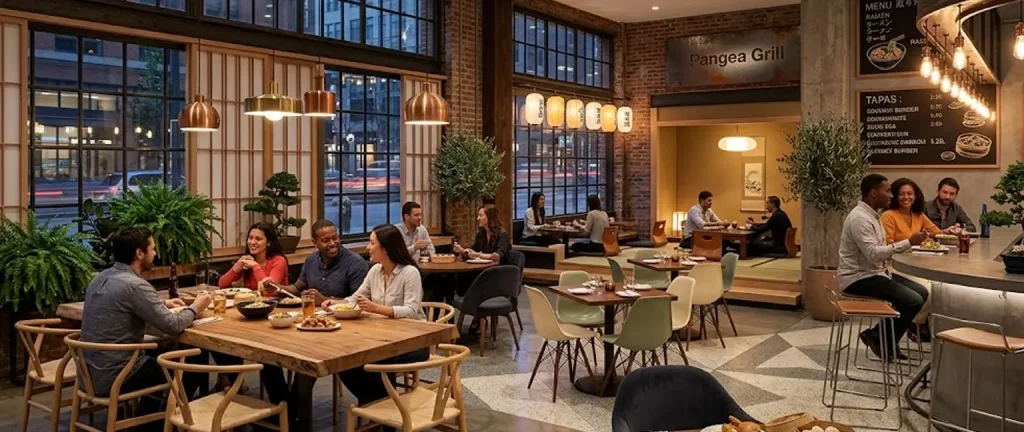
In certain countries, restaurant chairs are designed to encourage long, leisurely meals, letting diners linger in comfort. In others, seating focuses on quick turnover and adaptability, prioritizing flexibility for high-traffic environments.
From mingmeng’s experience working with different restaurant projects, these differences are not just aesthetic—they directly affect how a space functions.
Let’s take a closer look at how वाणिज्यिक भोजन कुर्सियाँ vary around the world.
North America: Standardized Comfort and Durability
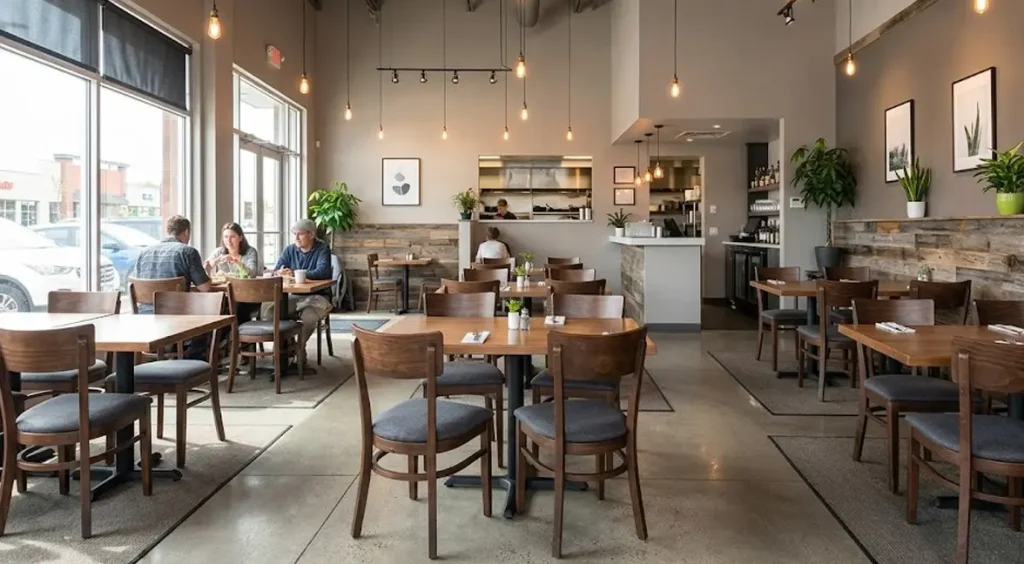
In the United States and Canada, seating follows relatively consistent standards.
Most commercial dining chairs are designed to pair with:
- 30-inch table height
- seat height around 18 inches
What stands out here is the focus on durability and consistency.
Restaurants typically prefer:
- reinforced frames
- stable seating
- materials that handle frequent cleaning
Comfort is important, but it’s usually balanced with operational efficiency.
United Kingdom: Compact and Practical Seating
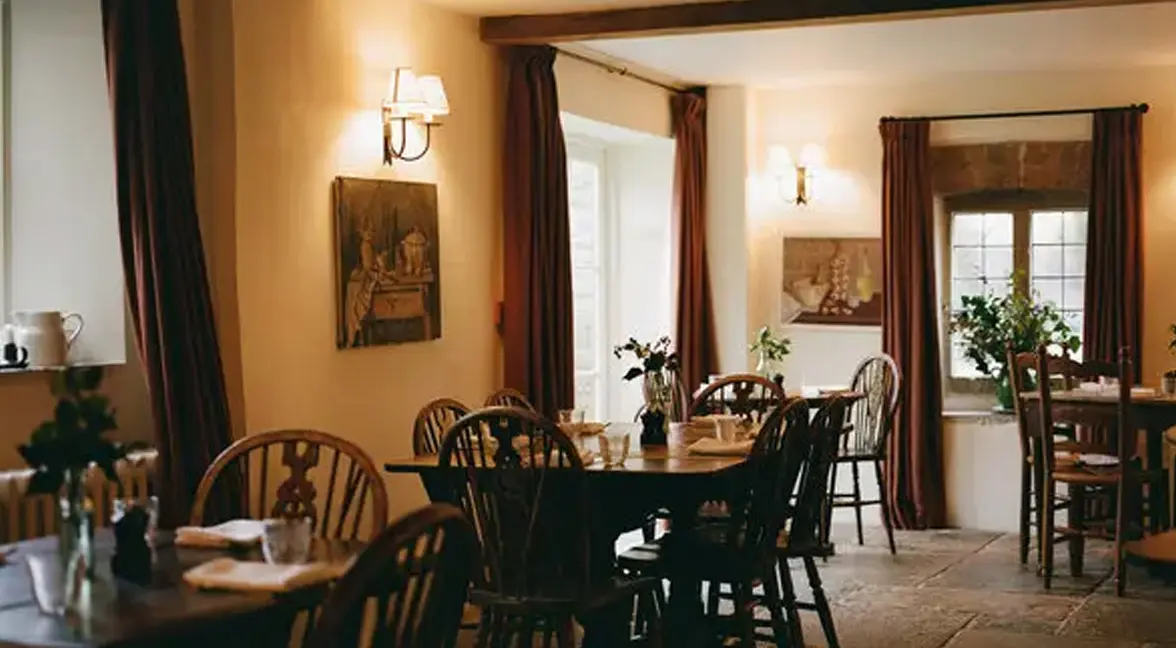
In the UK, especially in pubs and smaller dining venues, space plays a bigger role.
Many restaurants operate in older buildings, which means:
- tighter layouts
- smaller seating footprints
Commercial dining chairs here are often:
- more compact
- lightweight
- easier to arrange
There’s less emphasis on oversized comfort, and more on making the most of limited space.
Spain: Flexible and Social Dining Environments
Spain offers a very different approach to seating.
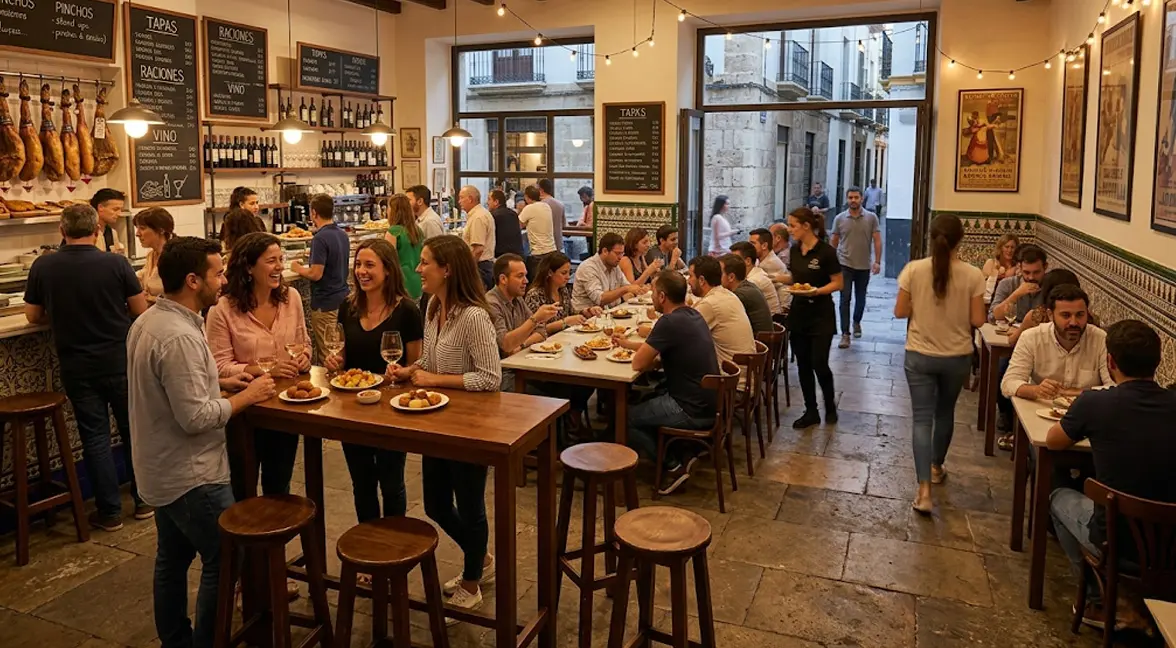
Dining spaces—especially tapas bars—are designed for movement and interaction.
Instead of relying heavily on fixed seating, restaurants often use:
- lightweight dining chairs
- mixed seating layouts
- standing areas
Chairs need to be easy to move and rearrange as the space shifts throughout the day.
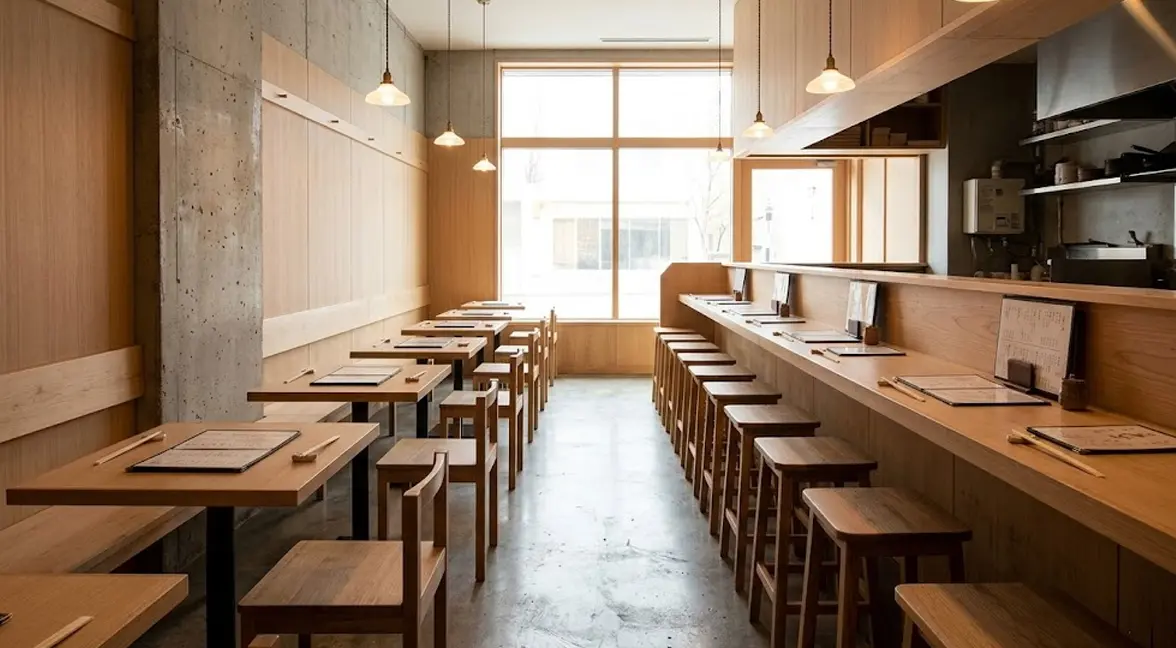
Japan: Compact Design and Efficiency
In Japan, space constraints strongly influence furniture design.
Commercial dining chairs are typically:
- smaller in scale
- minimal in structure
- easy to reposition
In many cases, seating is part of a hybrid setup that includes:
- counter seating
- low seating areas
- compact dining chairs
Everything is designed to maximize efficiency without overcrowding the space.
Germany: Built for Volume and Stability
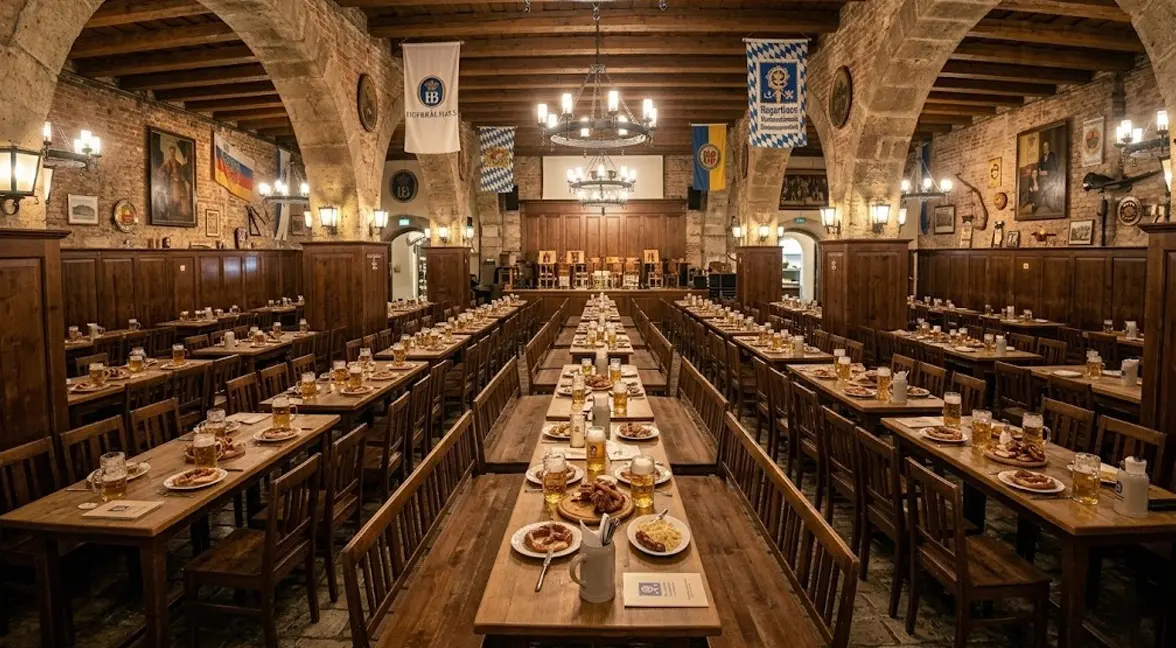
In German dining environments, especially beer halls, seating is designed for large groups.
Instead of focusing on individual comfort, the priority is:
- durability
- stability
- high capacity
Commercial dining chairs here are often:
- simple in design
- heavier in build
- easy to maintain
They are made to handle continuous use in busy, high-volume spaces.
Australia: Mixed Seating Concepts
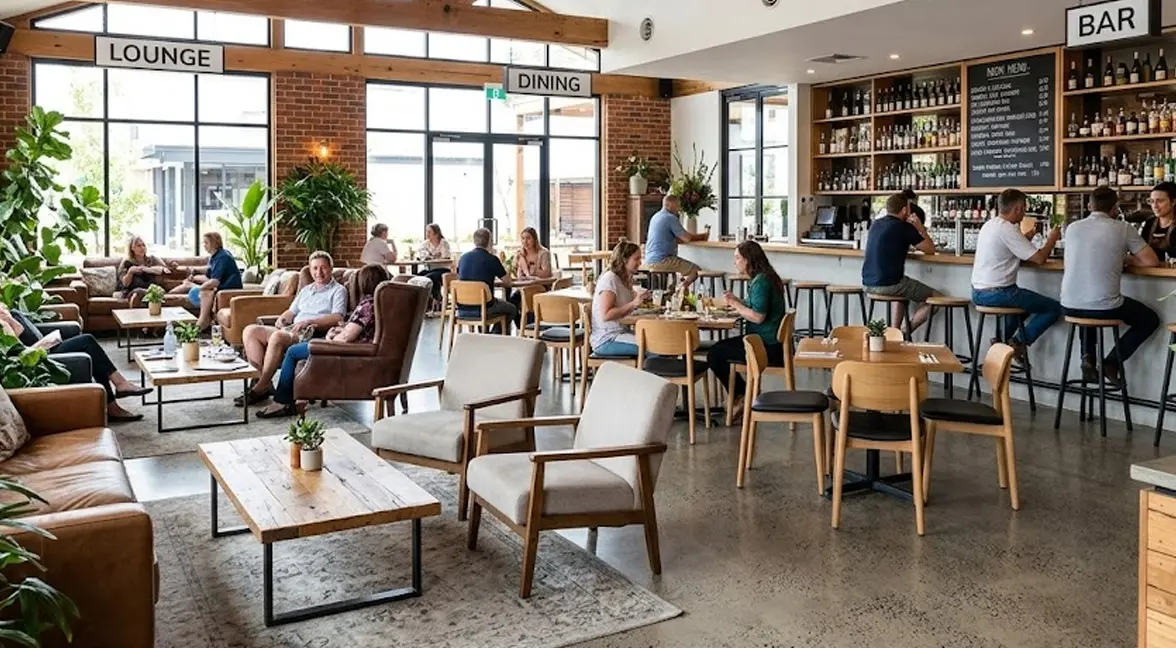
Australian restaurants often combine different seating styles within one layout.
It’s common to see:
- standard dining chairs
- bar seating
- lounge-style seating
This mix allows restaurants to adapt to different customer needs throughout the day—from casual dining to more relaxed social settings.
Commercial dining chairs here are chosen not just for function, but also for how they fit into a flexible layout.
China: Efficiency and High Turnover
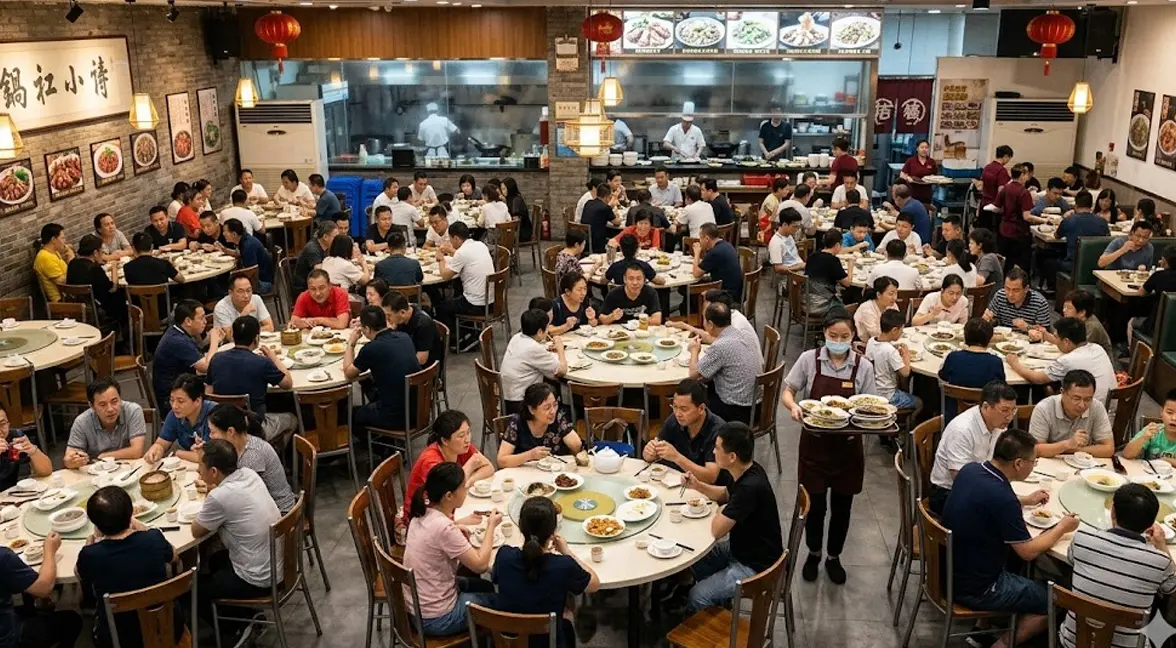
In China, especially in busy urban restaurants, seating is designed with efficiency in mind.
Commercial dining chairs are typically:
- lightweight
- stackable
- easy to clean
Large group dining is common, so chairs need to support:
- quick rearrangement
- high seating turnover
- dense layouts
The focus is less on individual seating comfort and more on overall capacity and flow.
What These Differences Tell Us
Looking at वाणिज्यिक भोजन कुर्सियाँ globally, a few patterns become clear:
- seating reflects how people dine
- space constraints shape chair design
- durability matters more in high-turnover environments
- flexibility becomes important in multi-use spaces
There isn’t a universal “best” chair—only what works best for a specific type of restaurant.
Practical Takeaways for Restaurant Buyers
यदि आप सोर्सिंग कर रहे हैं वाणिज्यिक भोजन कुर्सियाँ, it helps to think beyond style.
From what we’ve seen, it’s more useful to ask:
- How long do customers typically stay?
- How often will chairs be moved?
- How tight is the layout?
- How easy does cleaning need to be?
Answering these questions usually leads to better decisions than simply choosing based on appearance.


