

 English
 中文
 日本語
 한국어
 العربية
 Русский
 Português
 Türkçe
 हिन्दी
 Tiếng Việt
 ไทย
 Indonesia
 Melayu
 ខ្មែរ
 ລາວ
 မြန်မာ
 Afrikaans
 Hausa
 Igbo
 Sesotho
 isiXhosa
 Yorùbá
 isiZulu
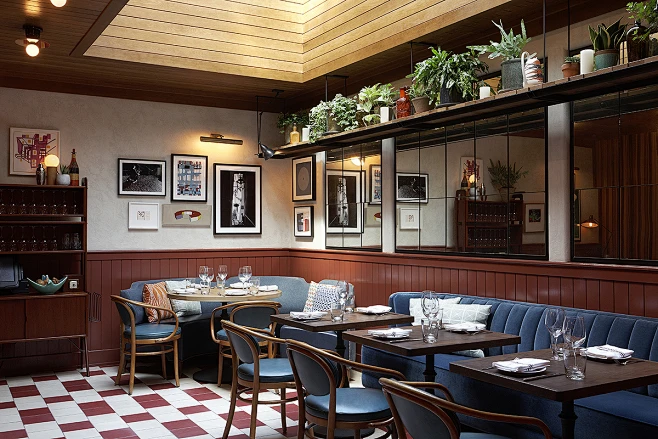
In today’s dining scene, a single interior design style is rarely enough to wow your guests. More and more restaurant owners and interior designers are embracing “cross-cultural fusion”—combining the sleek elegance of Italian luxury with the grounded heritage of Chinese aesthetics, or blending the vibrant colors of India with the relaxed vibes of the Australian coast.
However, mixing styles is a double-edged sword: get it right, and you achieve an effortlessly sophisticated look; get it wrong, and you end up with a visual disaster. Mismatched elements, cluttered layouts, and overwhelming color palettes can quickly undermine a high-investment project.
How can you bring contrasting cultural aesthetics into visual harmony? The secret often lies in the backbone of your space: your restaurant furniture.
1. Deconstruct Style Genes: Finding the “Aesthetic Common Denominator”
Before buying any pieces, the first step isn’t shopping—it’s understanding the personality of each style and finding points of connection.
Italian Sophistication + Chinese Heritage
- Italian Style: Favors streamlined metals, premium leather, and marble, focusing on modern, crisp lines.
- Chinese Style: Embraces warm solid woods, symmetrical balance, and subtle traditional artistry, radiating a sense of calm and structure.
- The Secret to Blending: Use warm wood textures to soften cold metals, and wrap crisp frames in rich leather. Let Eastern and Western interpretations of high-end quality meet seamlessly in the details.
Indian Vibrant + Australian Coastal (Eco-Coastal / Industrial)
- Indian Style: Rich with highly saturated colors, polished brass accents, and intricate hand-carved woodwork.
- Australian Style: Imbued with sun-soaked coastal ease, using rattan, weather-resistant timber, and natural earth tones.
- The Secret to Blending: Use large swathes of Australian-inspired neutral tones and natural cane as your foundational palette. Think of it as a soft-focus filter that absorbs the intensity of bold Indian hues.
2. Popular Fusion Combinations & Commercial Restaurant Furniture Selection Guide
To help you visualize your layout, use this quick guide to match fusion concepts with the right furniture choices:
| Fusion Style | Core Visual Vibe | Key Material Combinations | Recommended Commercial Restaurant Furniture |
| Italian + Chinese | Modern luxury meets Eastern tranquility. Great for upscale dining and stylish casual concepts. | Imported leather/green velvet + walnut/ash wood + brass or titanium accents. | Vertical channel-back custom restaurant booths, modern upholstered dining chairs, sintered stone/marble tables. |
| Indian + Australian | Exotic flair meets natural relaxation. A laid-back, resort-like atmosphere. | Natural cane/rattan backing + cast aluminum/iron frames + vintage distressed wood. | Cane-back wooden dining chairs, outdoor weather-resistant wood/stone tables, vintage leather bar stools. |
3. Practical Solutions for Two Challenging Fusion Scenarios
3.1 Italian Elegance + Chinese Heritage
Placing a traditional solid wood square dining table next to a sleek, modern Italian velvet sofa can leave a space feeling disconnected.
- Material Bridging: Pair custom walnut dining tables with Italian-style velvet dining chairs featuring delicate metal legs. The warmth of the wood grounds the heavy Chinese aesthetic, while the metal legs deliver modern Italian sleekness.
- Booths for Zoning: Install semi-enclosed leather restaurant booths along the walls. Using consistent vertical channel stitching connects open dining areas with private seating, instantly tying the room together.
3.2 Indian Vibrant + Australian Coastal
Heavy doses of high-saturation Indian colors can feel visually overwhelming if not balanced carefully.
- Start with Neutral Bases: Use Australian-inspired off-whites, sandy tones, and natural cane textures across large surfaces to build a calm, comfortable baseline.
- Seamless Bar Transitions: Outfit your bar or reception area with vintage leather swivel bar stools or cane-backed tall chairs. These pieces carry the casual Australian feel while naturally showcasing vibrant accent touches.
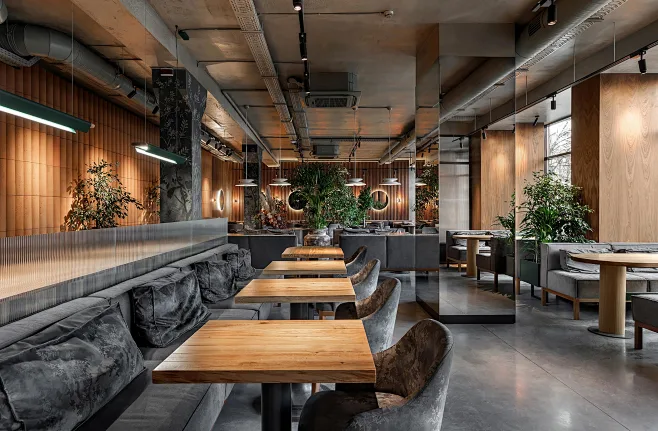
4. Four Rules for Visual Harmony in Commercial Spaces
To ensure your space is both visually stunning and durable enough for daily service, follow these key rules when selecting commercial restaurant furniture:
- Establish a Visual Anchor (Anchor Element): Place a standout signature piece in the center of your space—such as an extra-long curved custom booth or a bold centerpiece round table. A strong focal point instantly clears away visual clutter.
- Limit Your Core Materials: Keep your exposed primary materials (wood, leather, metal) to three or fewer. Sharing matching metal leg finishes or leather textures across different furniture styles creates a cohesive look despite varied shapes.
- Balance Scale and Traffic Flow: Based on your seating capacity and ceiling height, balance low-slung, relaxed Australian lounge chairs with high-backed Chinese or Italian booths. This keeps the layout open yet structured while keeping service paths clear.
- Use Digital Pre-Visualizations: Before going into mass production, review your spatial arrangement using 2D floor plans, CAD drawings, and 3D renderings. Fine-tuning furniture proportions and colors early prevents costly surprises during installation.
5. Frequently Asked Questions (FAQ)
Q1: How can I mix furniture from different countries without making my restaurant look like a flea market?
Answer: Focus on finding a “common denominator.” You can achieve this with a unified color palette (such as consistent earth tones or a black-and-gold theme), matching metal finishes on chair legs, or using custom manufacturing to harmonize edge trims and stitching details across diverse styles.
Q2: What is the most natural connection point between modern Italian and traditional Chinese furniture?
Answer: Materials and line work act as your best bridges. Italian metal accents integrate easily into Chinese wooden frames. For example, dining sets featuring “solid wood frames with light leather upholstery” or “sintered stone tops with brass metal bases” deliver modern European crispness alongside traditional Eastern warmth.
Q3: Indian and Australian styles have completely different moods. How can I balance their furniture materials?
Answer: Practice “simplicity over complexity.” Use generous amounts of cane backing and light-toned woods to soften intricate Indian patterns, while keeping your soft seating and cushions in low-saturation fabrics for visual balance.
Q4: How does a one-stop custom service help bring complex fusion designs to life?
Answer: Work with a manufacturer that has dedicated production facilities and an in-house design team. From early space planning and CAD/3D renderings to custom manufacturing of booths, dining tables, chairs, and bar stools—backed by global logistics and installation guidance—a turnkey solution ensures your design drawings translate 1:1 into your physical space.
If you are currently planning a unique cross-cultural fusion dining space or looking for high-quality custom restaurant furniture and one-stop commercial interior solutions, feel free to reach out to us at MINGMENG. Backed by our 10,000-square-meter manufacturing facility and experienced design team, we bring strong production capabilities and global service expertise to turn your boldest design concepts into a compelling, commercially successful space.


