

 English
 中文
 日本語
 한국어
 العربية
 Русский
 Português
 Türkçe
 हिन्दी
 Tiếng Việt
 ไทย
 Indonesia
 Melayu
 ខ្មែរ
 ລາວ
 မြန်မာ
 Afrikaans
 Hausa
 Igbo
 Sesotho
 isiXhosa
 Yorùbá
 isiZulu


Vula ukubanakho ngokupheleleyo kwendawo yakho yorhwebo.
UMvelisi oyiNgcali weNdawo yokutyela eSiko kunye neFanitshala yeHotele yeeProjekthi zeHlabathi
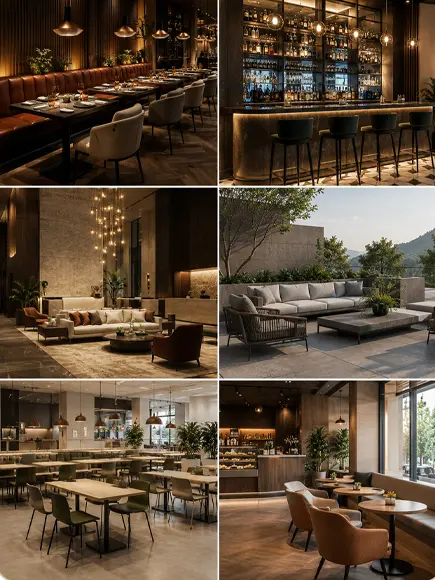
Izisombululo zeFenitshala yokuBuka ngokuKhethekileyo kuyo yonke indawo
Senza uluhlu olubanzi lweemveliso zefanitshala yehotele kwiimeko ezahlukeneyo, kubandakanya ifanitshala yegumbi lokulala, ifanitshala yegumbi lokuhlala, ifenitshala yokutyela, kunye nefenitshala yendawo yokuphumla.
- Indawo yokutyela
- Indawo yeBar
- Indawo yehotele
- Indawo yeCanteen
- Indawo yangaphandle
.webp)
.webp)
.webp)
.webp)
.webp)
.webp)
.webp)
.webp)
.webp)
.webp)
.webp)
.webp)
.webp)
.webp)
.webp)
.webp)
.webp)
.webp)
.webp)
.webp)
.webp)
.webp)
.webp)
.webp)
.webp)
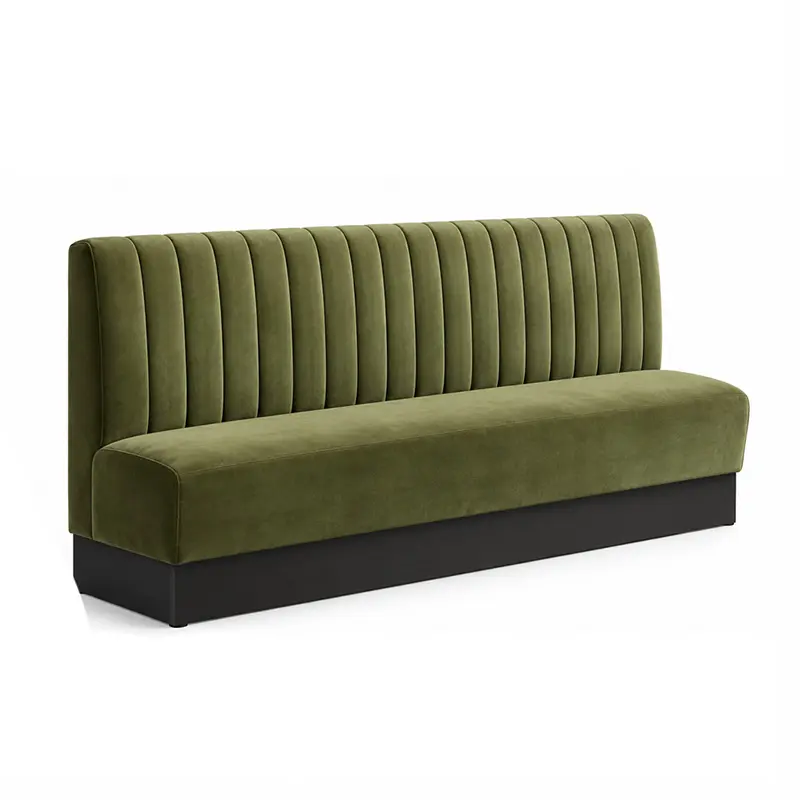
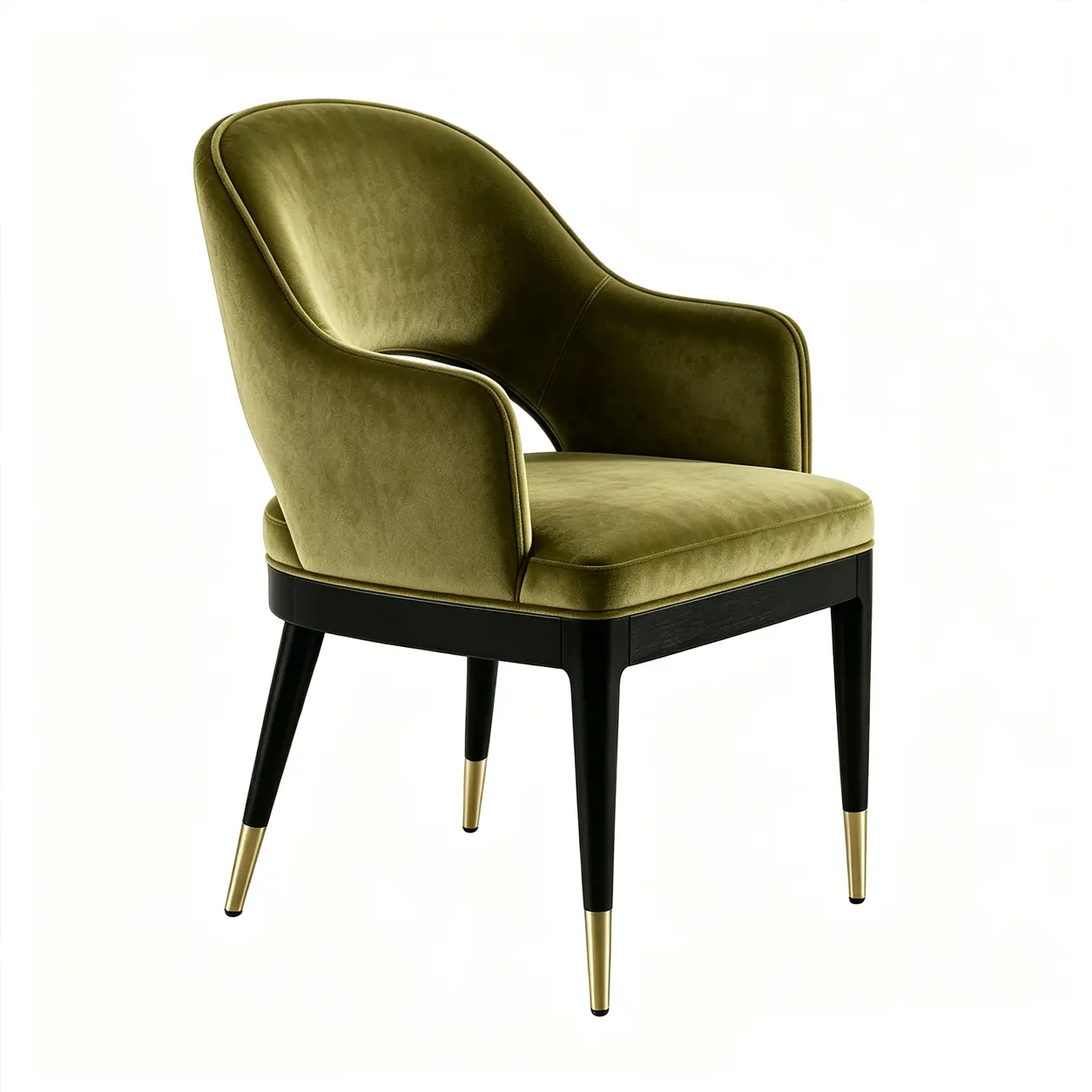
Isitulo sokutyela seVelvet eluhlaza esineengalo


Iseti yetheyibhile yeCanteen enezitulo ezincamatheleyo

Itheyibhile yangoku ye-4-Seater Canteen kunye neSeti yebhentshi

Itheyibhile yeCanteen esisigxina kunye neSeti yesitulo


USihlalo oMgangatho weNordic Industrial Canteen
Izisombululo zeFanitshala yesiNtu kwiHotele, indawo yokutyela, iBar & neeProjekthi zaNgaphandle
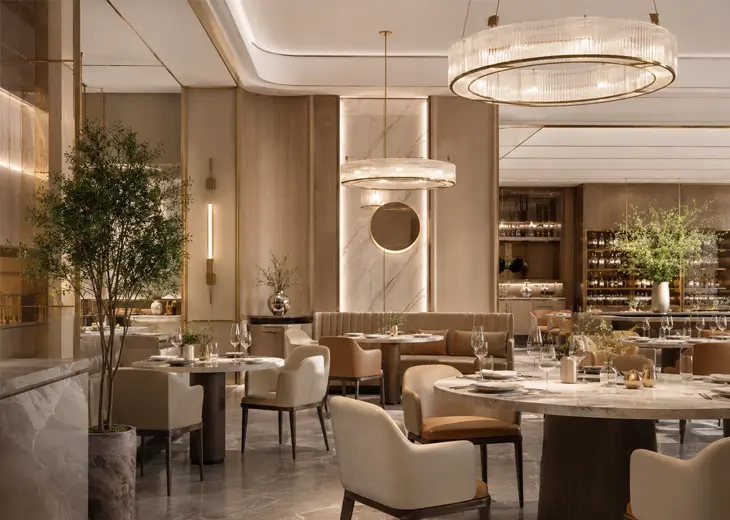
I-MingMeng: uMenzi weFanitshala yoRhwebo oThenjiweyo e-China
Asenzi nje ifenitshala—siyayila iindawo zorhwebo ezikhuthazayo. Ngemibono emitsha, izixhobo ezikumgangatho ophezulu, kunye nenkonzo yehlabathi, i-MingMeng izisa izisombululo zesiko ebomini bobubele, ukutya, kunye neeprojekthi zorhwebo.

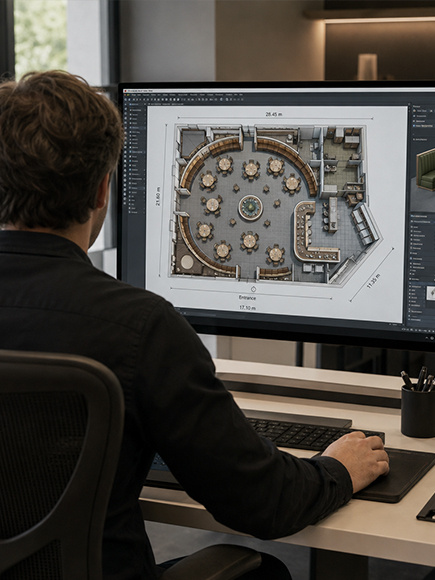
1. UCwangciso lweSithuba kunye neNkxaso yoYilo
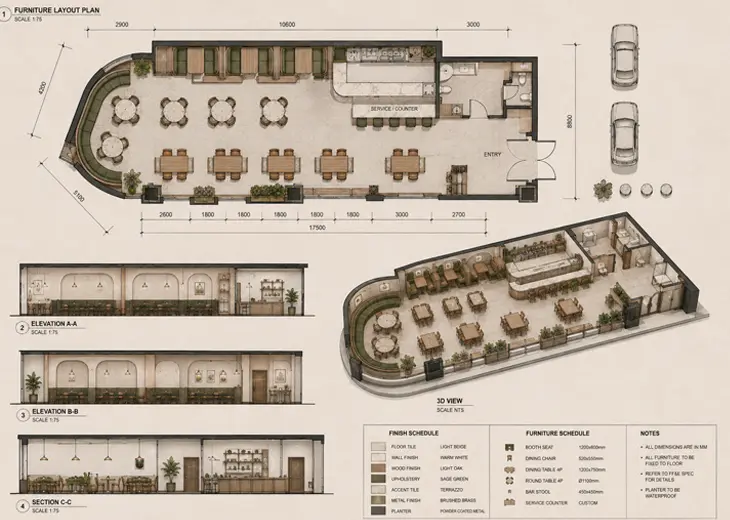
Iqela lethu lixhasa iiprojekthi zokutyela kwasekuqaleni-ukuphonononga ubukhulu bendawo, iimfuno zokuhlala, ukuhamba kwetrafikhi, kunye nesimbo sohlobo. Sinikezela ngeengcebiso zoyilo olusebenzayo, iingcebiso zobungakanani befanitshala, kunye nenkxaso yoyilo ukunceda ukuguqula iikhonsepthi zibe ziindawo zorhwebo ezisebenzayo.
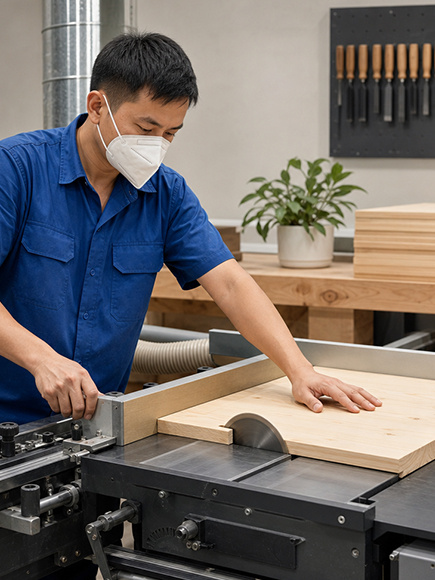
2. Ukwenziwa kweMveliso esulungekileyo
Ngomzi-mveliso we-10,000㎡ kunye neengcibi ezinezakhono ezingama-200+, sidibanisa izixhobo ezikumgangatho ophezulu, amaqela emveliso anamava, kunye nolawulo olungqongqo lwenkqubo yokuhambisa ifanitshala yokutyela ehlala ixesha elide, ekumgangatho ophezulu eyakhelwe ukuba isetyenziswe ngokufunwa urhwebo.
3. IziCwangciso zoMgangatho, iCAD kunye ne-3D Visualization
Sinikezela ngezicwangciso zomgangatho, izindululo zoyilo lwefenitshala, imizobo yeCAD, kunye nonikezelo lwe-3D ukunceda abathengi babone ngeso lengqondo indawo yokutyela epheleleyo ngaphambi kokuvelisa-ukuphucula ukusebenza kakuhle, ukunciphisa iimpazamo, kunye nokuxhasa ukwenziwa kwezigqibo ngokulula.
4. One-Stop Furniture Solution & Décor Sourcing
Ngaphaya kwefenitshala yokutyela yesiko, sikwabonelela ngezixhobo ezidityanisiweyo zokukhanyisa, ihombiso, izahlulo, imizobo, izixhobo zokutyala, kunye nezinye iimveliso ezixhasayo. Ukusuka ekukhethweni kwemveliso kunye nokulungelelaniswa komthengisi ukuya ekuhlolweni komgangatho, ukulayishwa okuhlanganisiweyo, kunye nokuthunyelwa kwempahla kwamanye amazwe, inqanaba ngalinye lilawulwa liqela elinye ukuqinisekisa ukuhanjiswa kweprojekthi elungelelanisiweyo nesebenzayo.
5. Ngokuphezulu Customizable
Ukusuka kwimilinganiselo, izixhobo, imibala, kunye nokugqitywa ukuya kwiintlobo zokuhlala, iitafile, iitafile kunye neendawo zokubala zebha, sinikezela ngohlengahlengiso oluguquguqukayo lokuhambelana neengqikelelo ezahlukeneyo zokutyela, ukhetho lwengingqi, kunye neemfuno zeprojekthi yorhwebo.
6. Ukuhanjiswa kweProjekthi yeHlabathi
Sixhasa inkqubo epheleleyo ukusuka kwisampulu kunye nemveliso ukuya kulawulo lomgangatho, ukulayishwa okudibeneyo, ukupakishwa kokuthumela ngaphandle, ukuthunyelwa kwamanye amazwe, kunye nenkxaso emva kokuthengisa-ukunceda abathengi ukwenza lula ukuthenga kunye neeprojekthi ezipheleleyo ngokuzithemba.
Iqabane lakho kuyilo lweFanitshala yoRhwebo
Phonononga ulwazelelelo oluqhutywa kuyilo, olusekwe kumgangatho ophezulu kunye nomvelisi wefanitshala yorhwebo.
UMboneleli weFanitshala yoRhwebo eseChina
I-MingMeng ngumenzi wefenitshala yentengiso yeprimiyamu esekwe e-China, ebonelela ngezisombululo zesiko lokumisa elinye kubathengi behlabathi. Ngamaqela eengcaphephe kuyilo, ukwenziwa ngokuchanekileyo, kunye nolawulo lomgangatho, sisebenzela iihotele, iindawo zokutyela, iibhari, kunye neeprojekthi zorhwebo zangaphandle.
Ukugxininisa kuyilo lwangaphambili kunye nokuvisisana kwendawo, sidibanisa imveliso ephucukileyo kunye nezixhobo zamazwe ngamazwe ukunceda abathengi ukuba bazise ububele babo kunye neendawo zorhwebo ebomini.
Ubungcali kwishishini leminyaka
Abasebenzi abanezakhono kunye neeNgcali
IiProjekthi zoRhwebo lweHlabathi zigqityiwe
IiProjekthi zefanitshala yezoRhwebo nobuNjineli zamva nje
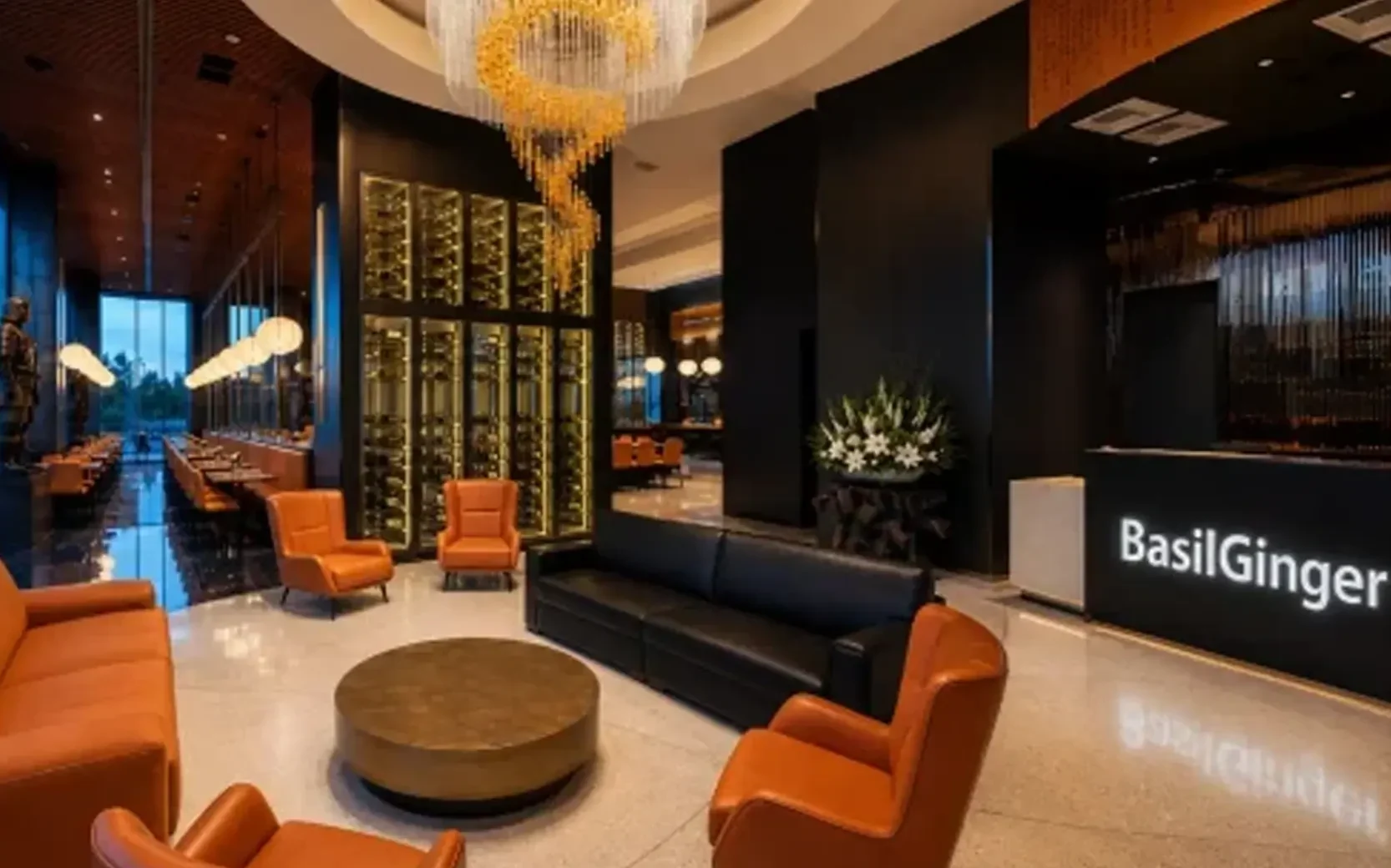
Ipotfoliyo ebanzi ye-MingMeng ibandakanya izisombululo zefenitshala yesiko kwiihotele eziphezulu, iindawo zokutyela, iibhari kunye neendawo zokuphumla, izithuba zangaphandle, kunye neeholo zokutyela / iicanteens. Abathengi bethu bayasithemba ngomgangatho weprimiyamu, ubugcisa obuchanekileyo, kunye nokuphunyezwa kweprojekthi engenamthungo kwihlabathi liphela.
Zonke iiProjekthi

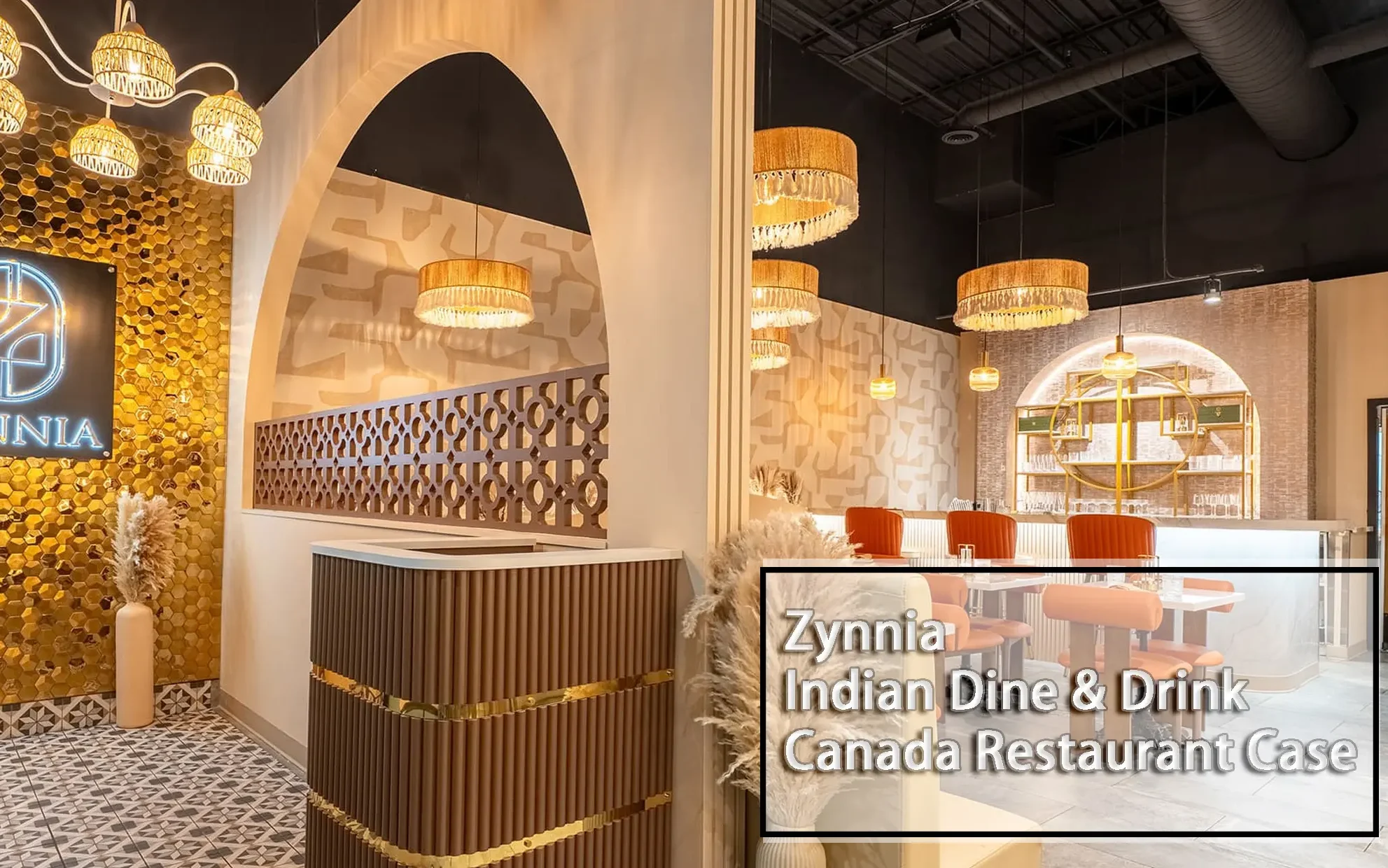
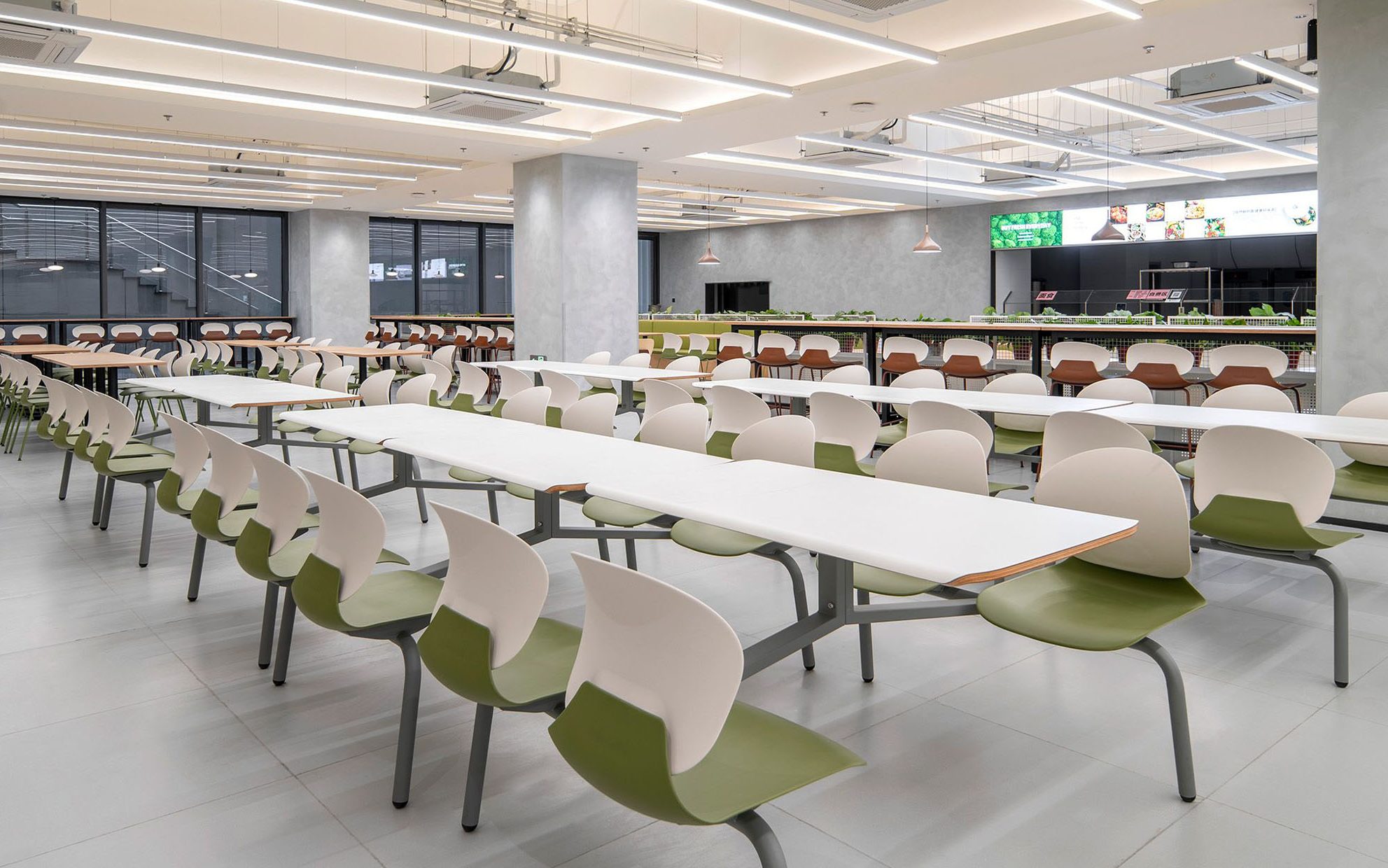
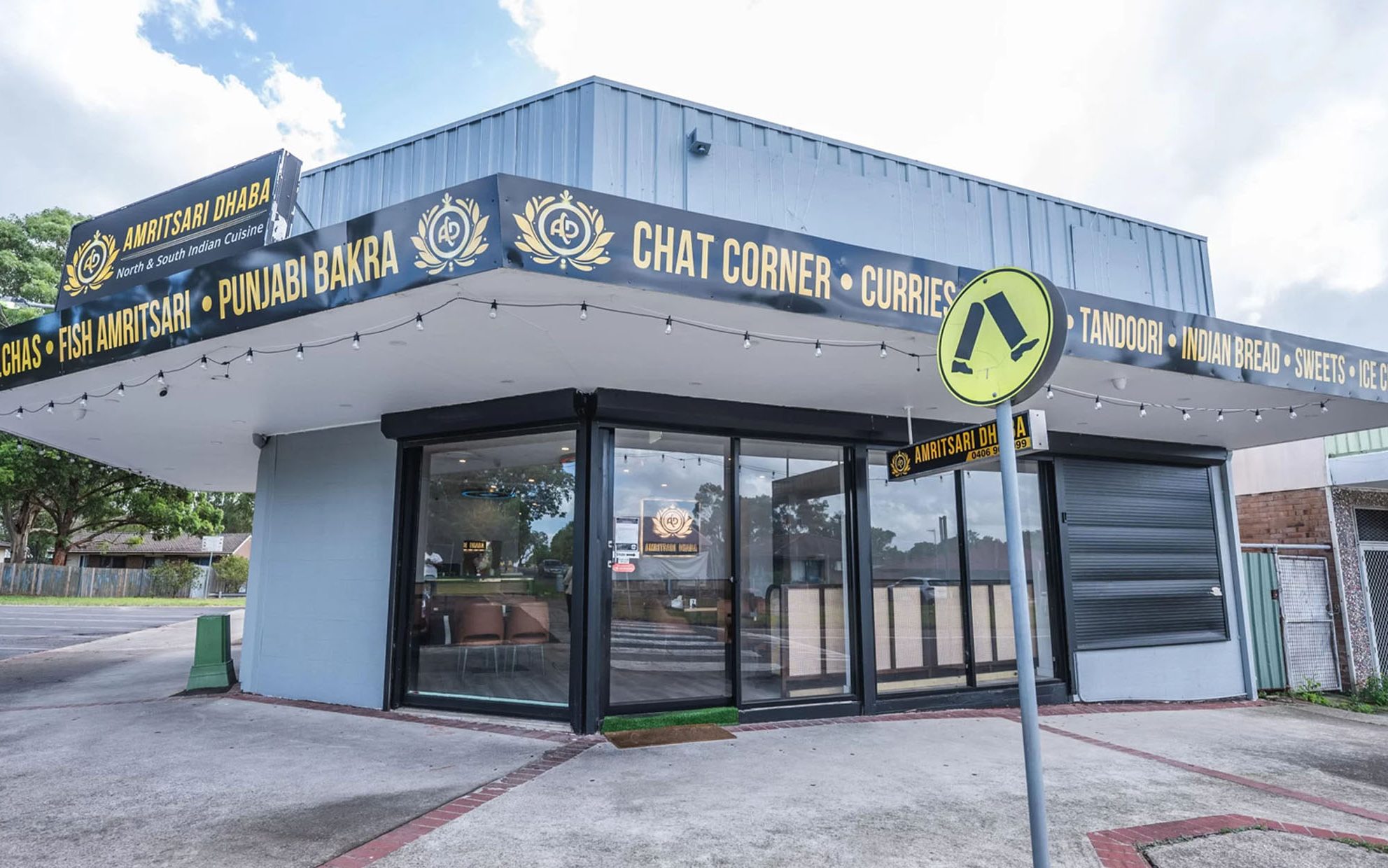
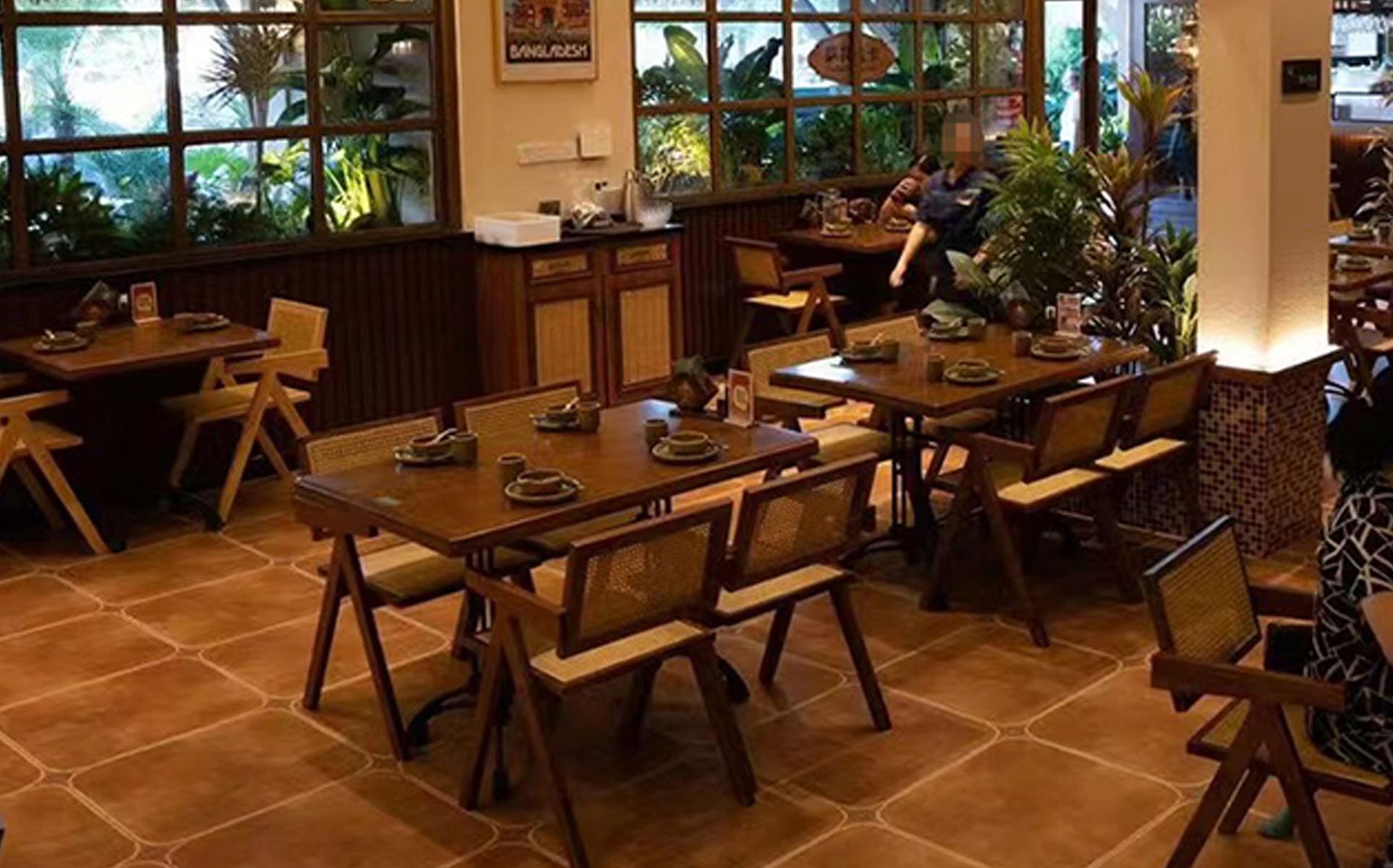
Iziko leendaba leMingMeng
Jonga zonke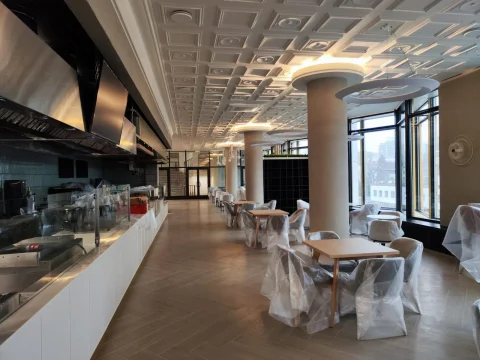
Restaurant Furniture Site Readiness Checklist
Before a restaurant furniture installation is scheduled, the project team needs to confirm that the building can accommodate the furniture, the installation crew and the planned sequence of work. A restaurant furniture site readiness checklist helps identify potential problems with access routes, floor conditions, staging areas and construction progress before these issues interrupt installation. A site may appear substantially complete while still presenting practical obstacles. Finished flooring may not be protected, contractors may still be using the intended access route, or the packaged furniture may not fit through a doorway or lift. These conditions can lead to additional handling, installation delays and avoidable damage to furniture finishes. This guide explains how restaurant owners, designers, contractors and procurement teams can assess site conditions, coordinate installation activities and determine whether individual areas are ready for loose furniture installation. It focuses on movable chairs, tables and freestanding furniture rather than the fabrication and installation of built-in banquettes or millwork. A properly prepared restaurant space provides suitable conditions for furniture placement and installation. Scope of Site Readiness for Loose Furniture Installation Site readiness is a separate consideration from construction completion and furniture delivery. A building may have reached its construction handover milestone, and the furniture shipment may have arrived on schedule, but neither condition automatically means that the site is ready for installation. For commercial restaurant furniture projects, site readiness concerns whether the specified products can be transported through the building, positioned in their intended locations and protected throughout the installation process. This assessment should cover construction progress, access conditions, finished surfaces, staging arrangements, installation scheduling and the availability of responsible site personnel. The scope of this guide is limited to loose furniture, including dining chairs, restaurant tables, freestanding lounge seating and movable furniture used in restaurant, café and hospitality spaces. These products generally require a clear movement route, suitable placement areas and an installation sequence coordinated with other site activities. Built-in banquettes, fixed booth seating and architectural millwork require additional considerations, such as wall preparation, fixing points, dimensional coordination and installation tolerances. Their fabrication and installation should be assessed separately rather than included in a general loose furniture readiness check. You can refer to MingMeng's restaurant chairs, restaurant tables and restaurant booths categories to distinguish the relevant furniture types. Site readiness also needs to be considered alongside the approved product documentation. The Restaurant Furniture RFQ Checklist establishes the product specifications, quantities and requirements included in the order. The Restaurant Furniture Sample Approval Guide establishes the approved materials, colours and finishes. These documents define what the project is receiving. The site-readiness assessment determines whether the building and designated installation areas are prepared to accommodate those products. Construction Completion vs. Furniture Installation Readiness Construction completion and furniture installation readiness are related project milestones, but they should not be treated as interchangeable. A construction handover may take place while certain finishing activities, corrective work or contractor operations remain outstanding. For furniture installation, even relatively minor unfinished activities can affect access, surface protection and the condition of the products. For example, a restaurant dining area may have completed its flooring and wall finishes, but the service corridor may still be occupied by construction materials. A lift may be operational but reserved for another contractor. Similarly, the intended furniture placement area may be accessible while overhead finishing work continues nearby. These conditions create practical installation constraints even when the building appears substantially complete. Before confirming furniture installation, project teams should assess the following conditions: Construction progress: Relevant flooring, wall finishes, ceilings and other surrounding work should be sufficiently complete to avoid exposing furniture to dust, moisture, debris or ongoing construction activities. Access availability: The designated entrance, corridors, lifts and internal circulation routes should be available for the planned furniture movement. Installation area condition: The intended placement zones should be clear of construction materials, tools and unrelated equipment. Surface protection: Finished flooring and other vulnerable surfaces should have suitable protection in place before furniture movement begins. Trade coordination: Other contractors should be informed of the installation schedule and any shared access or working-area restrictions. A useful distinction is to assess readiness by zone rather than treating the entire restaurant as one installation area. The dining room may be ready while the bar seating area or terrace remains under construction. Recording these differences allows the project team to release suitable areas without assuming that every part of the building is ready at the same time. The objective is not necessarily to wait until every construction activity in the building has finished. It is to establish whether the specific areas and routes required for furniture installation are complete, accessible and protected. Site Access and Furniture Route Assessment The approved floor plan identifies the intended furniture locations, but it does not necessarily demonstrate that the products can physically reach those locations. A practical site access assessment should follow the complete route from the unloading point to the final installation zone. This includes external entrances, loading areas, internal doors, corridors, stairways, lift openings and turning spaces. The most important consideration is the relationship between the available building clearance and the actual dimensions of the furniture being transported. Where products arrive packaged or assembled, the assessment should use their relevant packed dimensions rather than relying only on the finished furniture dimensions shown in a catalogue or design drawing. Pay particular attention to the following areas: Entrance and Doorway Clearances Measure the usable opening of each relevant doorway, taking account of door frames, handles, temporary obstructions and other restrictions. A doorway that appears sufficiently wide on a floor plan may offer less usable clearance once its frame and surrounding fittings are considered. Corridor and Turning Clearances Check corridor widths, corner radii and available manoeuvring space. Larger dining tables, communal tables and assembled seating units may require additional clearance when being rotated or repositioned during transport. Lift and Stair Access Confirm the usable lift-door opening, internal lift dimensions, weight limitations and any building access restrictions. Where stairs are part of the movement route, assess the available turning space and the handling requirements for larger furniture components. Beyond measuring doorways, corridors and lift openings, the project team should consider the practical risks involved in moving large or awkward furniture components through the building. The UK Health and Safety Executive provides guidance on manual handling risk assessment, including factors associated with the load, working environment and handling activity. These principles can support the planning of furniture movement routes and handling arrangements before installation. Final Placement Conditions The destination zone should have sufficient working space for the installation crew to move, position and arrange the furniture. Access should not depend on temporarily moving unrelated equipment or disturbing completed work. If a product cannot pass through the planned route, the project team should resolve the issue before the installation date. Possible arrangements include an alternative entrance, a different internal route, approved on-site assembly or a revised handling sequence. Any proposed change should be checked against the product construction, site conditions and available labour. On-site assembly should not be assumed to be possible for every product. This assessment should be based on actual site measurements and the relevant furniture specifications. It is more reliable than assuming that a product will fit simply because its intended location is shown on the approved floor plan. Floor Protection and Furniture Staging Requirements Once the access route has been confirmed, the next consideration is how the finished building surfaces and furniture will be protected during installation. Commercial restaurant projects often involve multiple finished surfaces, including timber flooring, tiles, stone, polished concrete and decorative wall finishes. Moving furniture across these areas without appropriate protection can result in scratches, impact damage, stains or other defects. Protection arrangements should therefore be established before the installation crew begins moving furniture into the building. Floor protection and organized staging help prevent damage and unnecessary furniture handling during installation. Floor and Surface Protection Identify the areas that require protection along the movement route and within the installation zones. Protection materials should be suitable for the underlying finish and stable enough to remain in position during furniture handling. Pay particular attention to door thresholds, corridor corners, lift interiors and transitions between different flooring materials. These areas may experience repeated contact during installation. Protection should also be compatible with the building's safety and access requirements. It should not create unnecessary trip hazards, obstruct emergency exits or interfere with other site operations. Furniture Staging Areas A designated staging area provides temporary space for furniture before it is moved into its final position. It should be accessible to the installation crew, protected from ongoing construction activities and sufficiently organised to avoid unnecessary handling. The staging arrangement should consider: Available floor area and permitted loading capacity. Protection from moisture, dust and direct construction activity. Clear separation between different furniture groups and project zones. Access to the designated installation areas. Safe movement routes for workers and other site users. Temporary furniture staging should also account for safe material handling and unobstructed circulation. The U.S. Occupational Safety and Health Administration outlines relevant principles in its material handling and storage requirements, including the need to maintain suitable clearances and keep aisles free from hazardous obstructions. Although these requirements are jurisdiction-specific, they provide a useful reference when evaluating furniture staging and movement areas. Installation Sequence and Zone Allocation Furniture should be organised according to the planned installation sequence. Where a restaurant project contains separate dining, bar, lounge and terrace areas, the staging plan should make it clear which products belong to each zone. This reduces the likelihood of moving the same furniture multiple times or temporarily placing products in areas that have not yet been released for installation. Staging should also be coordinated with the available site space. If the building cannot accommodate the entire furniture order securely, phased installation or an alternative holding arrangement may be more appropriate. The purpose of staging is not simply to store furniture. It is to maintain an organised movement and installation process while protecting the products and the completed building finishes. Phased furniture installation helps project teams coordinate work across multiple restaurant areas. Installation Scheduling and Trade Coordination The delivery date and the installation window should be planned as separate project milestones. A delivery date identifies when the furniture shipment is expected to arrive. The installation window identifies when the building, access routes, working areas and installation resources are available for the work to proceed. If these dates are treated as interchangeable, furniture may arrive before the intended installation areas are ready. This can create additional storage requirements, handling costs and scheduling conflicts. Installation planning should take account of the following factors. Construction and Finishing Activities Confirm the completion status of work that could affect furniture installation, particularly flooring, painting, ceiling work and other finishing activities. Furniture should not be introduced into an area where ongoing work could expose it to avoidable damage or contamination. Coordination With Other Contractors Identify contractors who require access to the same entrances, lifts, corridors or working areas. Kitchen equipment installation, electrical work, signage installation and final cleaning may all compete for access during the same project period. Where activities overlap, agree on a sequence that minimises interference and avoids repeated movement of furniture. Restaurant Operating Requirements For refurbishment projects in operating restaurants, installation may need to take place outside normal business hours or within restricted working periods. The schedule should account for customer access, staff operations, noise restrictions and the need to maintain safe circulation routes. These requirements should be confirmed with the property manager or restaurant operator before the installation crew is booked. Phased Installation Requirements Some projects cannot release all furniture zones at the same time. In these situations, the project team should establish a phased installation schedule. Each phase should identify the areas being released, the furniture required, the available access route and the status of any remaining work. The sequence should also consider where furniture assigned to later phases will be held. The installation schedule should be developed in coordination with the wider procurement programme. The Restaurant Furniture Project Timeline provides the broader context for coordinating procurement, production, delivery and installation milestones. A confirmed installation window should therefore reflect actual site conditions rather than being based solely on the expected shipment arrival date. Coordinate furniture specifications, approved samples and installation drawings before work begins on site. Site Responsibilities and Decision-Making Authority Furniture installation involves decisions that may not have been anticipated when the original schedule was prepared. Access restrictions, changes in construction progress, unavailable working areas and revised installation sequences can all require coordination on site. The project team should establish clear responsibilities before the installation crew arrives. A designated site representative should be responsible for confirming that the agreed installation areas and access arrangements are available. This person should also coordinate with the project manager, building management and relevant contractors when site conditions differ from the approved plan. The role should be clearly defined rather than assigned informally on the day of installation. Typical responsibilities include: Confirming the availability of designated access routes and installation zones. Coordinating entry arrangements with building management. Confirming that required surface protection and staging arrangements are in place. Communicating restrictions affecting the installation sequence. Coordinating changes to the agreed working areas. Escalating decisions that affect project scope, cost or contractual responsibilities. It is important to distinguish site coordination authority from commercial approval authority. A site representative may be authorised to coordinate access or approve an agreed change in installation sequence, but that does not automatically give them authority to modify the purchase order, approve additional costs or change the approved product specifications. Those decisions should follow the project's established approval process. The project plan should identify the main site contact, an alternative contact and the appropriate escalation route. Contact details and availability should be shared with the supplier and installation team before the scheduled work. This arrangement reduces uncertainty when a site condition requires an immediate decision and helps prevent installation delays caused by unclear responsibilities. Managing Site Readiness Constraints and Installation Delays A site-readiness assessment is useful only when the project team has a clear process for responding to conditions that prevent the planned installation from proceeding. If an access route is unavailable, the floor is not protected or the intended placement area remains under construction, the team should identify the restriction and agree on an appropriate alternative before proceeding. Four common approaches can be considered. 1. Postpone the Installation Postponement may be appropriate when essential site conditions remain unresolved. Examples include incomplete flooring, ongoing wet work, restricted access or an installation area that cannot be protected. The project manager should confirm the revised installation window and communicate the change to the supplier, installation team and relevant contractors. Any potential impact on labour, storage or project milestones should be assessed under the applicable agreement. 2. Arrange Assembly in the Final Location Where a product cannot pass through the planned access route as a complete unit, assembly in the final location may be a practical alternative. However, this option depends on the product construction, assembly method, available working space and the installation team's capabilities. The proposed arrangement should be confirmed before installation rather than assumed to be feasible on site. 3. Use an Alternative Access Route An alternative entrance, service corridor or approved lift arrangement may resolve an access restriction. Before using another route, confirm its dimensions, availability, permitted use and any additional handling requirements with building management. The alternative should also be checked against the furniture specifications and the site's safety arrangements. Alternative access arrangements should be reviewed against the building's applicable safety and accessibility requirements. For U.S. projects, the U.S. Access Board provides guidance on accessible route requirements, including route clearances and manoeuvring space. These provisions should not be treated as universal furniture handling dimensions; the actual movement route must be assessed against the furniture's packed dimensions and the requirements applicable to the project location. 4. Arrange Phased Installation When the site cannot accommodate the entire furniture order at once, installation may be divided into separate phases. For example, the main dining area may be released before the bar seating area or outdoor terrace. The project team can install the available zones first and schedule the remaining furniture when those areas are ready. Phased installation requires coordination of furniture allocation, staging, labour and access. Each phase should have a defined release condition so that the installation team knows which areas are available. Regardless of the approach selected, the project team should record the original restriction, the agreed alternative, the responsible decision-maker and any resulting schedule changes. A documented decision makes it easier to coordinate the next stage of work and reduces the risk of disagreements about why the original installation plan changed. Site Readiness Assessment and Outstanding Actions A site-readiness record provides a clear reference for determining whether the planned installation can proceed. It should be maintained separately from delivery receipts, packing lists and product inspection documents because each record serves a different purpose. The delivery record identifies what physically arrived and documents relevant delivery exceptions. Product approval records identify the agreed furniture specifications and finishes. The site-readiness assessment establishes whether the building and installation areas are prepared for the planned work. For projects with multiple installation zones, the assessment should be completed by area rather than relying on one general statement that the entire site is ready. Measure doorways and access routes against furniture dimensions before delivery and installation. The record should include the following information: Assessment itemInformation to recordProject identificationProject name, address and assessment dateInstallation zoneDining, bar, lounge, terrace or other designated areaConstruction statusRelevant outstanding finishing or construction activitiesAccess routeEntrance, corridor, lift and other movement restrictionsSurface protectionFloor and wall protection arrangementsStaging arrangementsTemporary furniture location and available spaceInstallation schedulePlanned installation date and working windowSite representativeResponsible person and contact detailsOutstanding actionsUnresolved restrictions and corrective measuresReadiness decisionReady, Ready with Conditions or Hold For each installation zone, use one of three status categories: Ready: The agreed access route, installation area and working arrangements are available for the planned furniture installation. Ready with Conditions: Installation can proceed subject to clearly documented arrangements, such as phased access, an alternative movement route or additional surface protection. Hold: One or more essential conditions remain unresolved. The installation should not proceed until the responsible person confirms that the required corrective action has been completed or an acceptable alternative has been approved. Where a zone is placed on hold, identify the responsible person, required action and planned reassessment date. This makes the outstanding work visible and provides a clear basis for rescheduling. The final readiness decision should include the assessment date, the name of the responsible representative and any conditions attached to the release. These records should remain separate from material approval and receiving documentation. They complement the purchase order, approved sample register and delivery records without replacing them. The objective is to maintain a traceable record of which areas were released, which remained restricted and what arrangements were approved before furniture installation began. Site readiness decisions should consider access, floor protection, approved samples and the project installation schedule. Frequently Asked Questions Does a restaurant furniture site readiness checklist apply to restaurant refurbishment projects?Yes. Refurbishment projects often involve additional restrictions because parts of the building may remain operational while construction or installation work takes place. The assessment should consider customer access, working hours, dust control, noise restrictions and the availability of designated installation areas. Where the restaurant remains open, installation may need to be arranged by zone or outside normal operating hours.Can furniture installation begin before all construction work is complete?It may be possible if the designated installation zones and access routes are sufficiently complete and protected. However, ongoing construction should not create unacceptable risks from dust, moisture, debris or restricted movement. The project team should assess the actual conditions in each area rather than relying solely on the overall construction completion status.Can restaurant furniture be installed in phases by zone?Yes. Phased installation is useful when different areas become available at different times or when the site has limited staging capacity. The project team should define the installation sequence, furniture allocation, access arrangements and release conditions for each phase before scheduling the work.Who is responsible for confirming furniture site readiness?Responsibility should be assigned in the project plan. A designated site representative or project manager should confirm that the relevant access routes, installation areas and protection arrangements are available. The person should also have a clear escalation route for decisions affecting cost, scope, safety or the agreed installation schedule.What should be checked before booking the furniture installation crew?Confirm the construction status of the intended installation areas, the complete movement route, finished-surface protection, staging availability, coordination with other contractors and the availability of the responsible site representative. The installation window should only be confirmed after these arrangements have been reviewed. Preparing for Furniture Installation Furniture installation should be planned around actual site conditions rather than relying solely on the expected delivery date or general construction completion milestone. Before the installation crew is booked, the project team should review the access route, confirm that the designated zones are ready, establish surface protection and staging arrangements, and agree on the working sequence with other contractors. The relevant project documents should also be available to the people responsible for site coordination. The purchase order defines the furniture requirements, the approved sample register establishes the accepted material and finish references, and the project timeline provides the wider procurement and installation schedule. The site-readiness assessment connects these documents to the physical conditions of the building. For projects involving multiple dining, bar, lounge or outdoor zones, confirming readiness separately for each area can help avoid unnecessary delays and repeated furniture handling. MingMeng Furniture supports commercial restaurant and hospitality furniture projects through product customisation, project coordination and manufacturing. For enquiries about furniture specifications, project requirements or installation planning, contact the MingMeng team with your current furniture schedule and site information. MingMeng Furniture Last updated: November 2026. This article provides general project-planning guidance for loose furniture installation. Building access requirements, working hours, fire and egress provisions, insurance conditions and installation responsibilities vary by project and jurisdiction. Confirm applicable requirements with the property manager, project manager and relevant local authorities before finalising the installation arrangements.
Iindleko zokuThumela iFanitshala yokutyela: Kutheni isitulo sakho se-USD 39 sifika kwi-USD 55
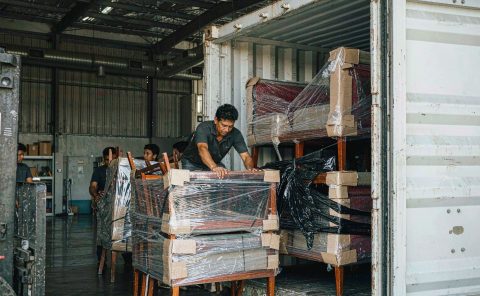
CBM, container fill rate and Incoterms decide more of your furniture budget than the unit price does. Here is how the money actually moves — with a worked model for a 120-seat restaurant. Loading a mixed restaurant order: banquette modules, stacked chairs and knock-down tables sharing one 40HQ. How these three product types are packed together decides the fill rate — and the fill rate decides the cost per seat. Three factories quote the same 90-seat restaurant. USD 41, USD 44 and USD 39 a chair. The USD 39 quote wins the comparison sheet, and the project manager feels good about it for about eleven weeks — until the forwarder's invoice arrives, the crates turn out to be 30% bulkier than the drawing implied, and the banquette has to be re-booked as LCL on its own because it no longer fits the container that was already reserved. The chair lands at USD 55. Nobody lied. The factory quoted a product. The project bought a shipment. This is the single most expensive misunderstanding in restaurant furniture procurement, and it is entirely avoidable — not by negotiating harder, but by pricing four numbers that never appear on the quotation. Why the same chair costs USD 39 at the factory gate and USD 55 on your floor The quote prices goods. The invoice prices goods plus everything that touches them. A factory quotation is a manufacturing document. It describes material, construction, finish, quantity and lead time. It is not, and was never intended to be, a logistics model. When a buyer compares three quotations on the price per chair, they are comparing three manufacturing offers and assuming the remaining 40% of the cost is identical across all three. It almost never is. Two factories can build the same chair to the same specification and pack it 40% differently — one nested and compressed, one in individual cartons with foam blocks. Same chair, same price, wildly different freight. Four layers that appear after you sign Volume. What the goods occupy in a container, not what they weigh. For furniture this is the dominant freight driver. Container economics. A 40HQ costs the same whether you fill 62% of it or 94% of it. The empty space is not free — it is simply invisible. Risk transfer. Whoever owns the goods at each leg of the journey pays for what goes wrong. Incoterms decide this, and they are chosen far more casually than they should be. Local execution. Port charges, clearance, final mile, hoisting, unpacking, assembly, waste removal. In Europe and North America this is routinely 8–15% of the total, and it is quoted by someone else entirely. A furniture quotation tells you what the product costs to make. It tells you nothing about what the product costs to move. Those are two different budgets, and only one of them is on the page you are comparing. CBM is the number that decides your cost — and it is almost never on the quotation CBM — cubic metre — is the packed volume of a unit, including carton, foam, corner protection and pallet share. It is the currency of ocean freight, and for furniture it matters far more than weight. A cast-iron table base and a stack of paper napkins can weigh the same; only one of them will cost you a container. What one cubic metre actually buys The ranges below are indicative packed volumes for commercial-grade furniture, based on typical export packing. Use them to sanity-check a quotation, then ask your supplier for the actual packed dimensions of your approved sample — not the drawing dimensions. ItemPacked CBM / unitWhat it means in practiceStackable side chair, assembled, 4 per pallet0.07 – 0.09330–400 chairs per 40HQ. The cheapest seat to ship, by a wide margin.Upholstered dining chair, assembled, boxed0.16 – 0.22300–420 per 40HQ. Bulk comes from the backrest, not the seat.Upholstered armchair / lounge chair0.24 – 0.32210–280 per 40HQ. Arms are expensive in volume terms.Dining table, knock-down, 800×8000.10 – 0.14Top and base ship flat; assembly on site is minutes per table.Dining table, knock-down, 1200×8000.16 – 0.22Oversized tops become the constraint before volume does.Bar stool, assembled, boxed0.13 – 0.18Height, not width, is what you pay for.Cast-iron table base, knock-down0.04 – 0.07Low volume, high mass — these hit weight limits before they hit volume limits.Banquette / booth, per linear metre, assembled module0.65 – 0.95Roughly ten times the volume of a chair. The single biggest swing factor in any fit-out. Banquettes: the most expensive thing you can put in a container A 6-metre banquette run for a 20-seat dining room is around 5 CBM packed — the freight equivalent of thirty chairs, for a fraction of the seat count. This is why fixed seating feels cheap at quotation and expensive at delivery, and why the difference between a modular banquette and a welded one-off matters so much. The lever here is not the price per linear metre. It is whether the run is broken into shippable sections with a repeatable joint, so that the container can be filled to a sensible density instead of carrying four giant upholstered boxes and a lot of air. Where stackable chairs win, and where they quietly lose Stackable chairs are the cheapest thing in commercial furniture to ship, and buyers reasonably conclude they are the cheapest thing to buy. But stackability is a design constraint. It usually means a thinner seat cushion, a less generous backrest, a simpler frame joint. In a 90-minute-turnover café that is fine. In a two-hour à la carte room it is a complaint waiting to happen, and a re-purchase in eighteen months costs more than the freight you saved. Ship the right chair. Then optimise its packing — not the other way round. The LCL trap: chargeable weight versus volume Less-than-container-load shipments are priced on the greater of actual weight and volume weight (typically 1 CBM = 1,000 kg). Furniture is almost always volume-driven, so a small order is billed on space. That is not the trap. The trap is that LCL adds destination handling, consolidation, de-consolidation and a per-shipment minimum that a full container does not carry. A 6 CBM pilot order can easily cost twice per CBM what the same goods would cost inside a shared 40HQ. If your project is going to need a second order in four months, shipping the first one LCL is often the more expensive decision. Container fill rate: packing method beats purchase price Floor-loading versus palletising Floor-loaded cartons with pallets stowed against the container walls. Floor-loading typically recovers 8–12% of usable volume compared with full palletising — real money on a fit-out, real labour on site. Pallets are convenient. They also consume vertical space you paid for, and each pallet footprint is roughly 1.2 × 1.0 m of floor that could have held cartons. On a 40HQ, switching from full palletising to floor-loaded cartons commonly recovers 8–12% of usable volume, which on a USD 2,400 freight bill is a few hundred dollars — not transformative, but free. The trade-off is honest: floor-loading means more cartons to move by hand at destination, and more handling risk on upholstered pieces. Palletise anything with a hard edge or an exposed frame corner; floor-load the rest. Knock-down hardware: what it saves, what it costs on site Tables knock down almost for free — a top and a base become two flat items, and assembly is a bolt and a wrench. The saving is large, and the risk is low, provided the hardware is specified properly: threaded inserts rather than wood screws, a locking mechanism that survives repeated assembly, and a base plate with enough surface area that the joint does not work loose in a year. Banquettes knock down far less willingly. A modular system with a repeatable end joint saves volume; a fully welded banquette does not, and cutting it apart to ship is how projects end up with a visible seam in the middle of a dining room. If a supplier offers to "make the banquette knock-down to save freight", ask exactly what the joint looks like and where it will land on the finished run. A real 40HQ mix for a 120-seat restaurant Here is a plausible specification for a 120-seat casual dining room, packed and measured: 96 upholstered dining chairs × 0.19 CBM = 18.2 CBM 30 knock-down tables × 0.28 CBM = 8.4 CBM 18 linear metres modular banquette × 0.75 CBM = 13.5 CBM Cartons, corner protection, pallet share = 1.9 CBM Total: 42 CBM. A 20GP holds about 28 CBM usable. A 40HQ holds about 68 CBM usable. So this shipment fills 62% of a 40HQ — and that number is the whole logistics decision. The 120-seat project is the classic problem case: too large for a 20GP, only 62% of a 40HQ. The cheapest answer is usually to add the bar, the terrace or the phase-two order to the same container. 62% fill is the most expensive number in furniture logistics, because you are paying for a full container and buying 38% air. There are exactly three solutions, and only one of them is good: Ship LCL and pay per CBM — acceptable if the order is genuinely one-off. Ship a 40HQ at 62% — fast, simple, and quietly 38% waste. Consolidate. Add the bar stools, the terrace furniture, the staff lockers, the packaging for phase two, or the second outlet — anything that closes the gap to 85–90% fill. Incoterms, without the sales pitch Incoterms do one thing: they define where the seller's responsibility ends. Everything else buyers believe about them — that CIF is cheaper, that DDP is easier, that FOB is safer — is a consequence of that single line. FOB — control, and the work that comes with it Free On Board: the seller delivers to the named port and clears export. After the rail is lifted over the ship's side, the goods are yours — risk, freight, insurance, destination charges, everything. FOB is the default for experienced importers because it lets you use your own forwarder and see the real freight cost instead of a bundled number. It also means you own the arrival. If you have never imported before, FOB is not wrong — it is simply more work than you are expecting. Someone has to book, insure, clear and truck. CIF — the freight number that is not a freight number Cost, Insurance, Freight: the seller arranges and pays ocean freight and minimum insurance to the destination port. Two things get lost in that sentence. The insurance is Institute Cargo Clauses (C) — the narrowest cover, which does not pay for handling damage in most circumstances. And the freight is bundled into the goods price, so you can no longer tell what you paid for it. CIF is not a scam. It is a convenience with an opaque component. If a supplier quotes CIF and their freight line is 30% below your own forwarder's rate, ask what routing and what transit time that implies — the answer is usually a transhipment and three extra weeks. DDP — convenience with an invisible margin Delivered Duty Paid: the seller handles everything to your door, including duty and import clearance. For a first-time buyer this is genuinely attractive, and for a small project it can be the right answer. But DDP means the seller is the importer of record, which means the customs value, the HS classification and the duty paid are all their decisions, presented to you as one number. On a project where the duty rate is meaningfully above zero, the margin between the real duty and the duty embedded in the DDP price is invisible. Ask for the classification and the duty amount in writing. A supplier who cannot produce them is pricing risk, not logistics. EXW — almost always the wrong choice for a fit-out Ex Works puts everything on you from the factory door, including Chinese export clearance. Unless you have a freight operation in Guangdong, this is a way to discover a problem at the port instead of at the factory. A worked landed-cost model for a 120-seat restaurant The project and the assumption set Same 120-seat room: 96 chairs, 30 tables, 18 linear metres of banquette, 42 CBM. Route: South China to Rotterdam. All figures below are illustrative and must be replaced with the actual quotation, forwarder rate and duty classification for your shipment — the structure is the point, not the numbers. LayerUSD% of totalNotesGoods, ex-works11,25070.7%The only number most buyers compare.Ocean freight, 40HQ2,40015.1%Paid whether the container is 62% or 94% full.Import duty2811.8%2.5% illustrative. Chair, table and seating lines can carry different rates.Port, clearance, final mile7504.7%Terminal handling, documentation, customs broker, delivery.On-site assembly & waste removal9005.7%Knock-down tables, banquette joints, carton disposal.Damage & shortage reserve3382.1%3% of goods value. Not pessimism — history.Landed, before VAT15,919100%≈ USD 133 per seat Goods value Straightforward, but note what it excludes: samples, freight of samples, design and drawing time, and the cost of the second production run you will need when the first one reveals a specification error. Budget the sample round separately. Freight, allocated by CBM rather than by unit Allocate freight by volume share, not by unit count. Chairs occupy 43% of this container, so they carry 43% of the freight — about USD 10.90 per chair. The banquette carries 32%, which is why a "cheap" fixed seat is often the most freight-intensive line on the invoice. Allocate by unit and you will mis-price your own menu. Duty, VAT and the classification question Duty depends on the HS code, and restaurant furniture does not sit in one code. Wooden dining chairs, metal-framed seating, upholstered seats and table parts can fall under different subheadings within Chapter 94, with different rates and, in some markets, additional measures. Get the classification from your customs broker before you place the order — not after the goods arrive. VAT is not a cost for a VAT-registered business. It is a cash-flow item: you pay it at import and recover it later. Small importers routinely treat VAT as a cost, price the project wrong, and then panic about margin. Separate the two in your model. Port, clearance, final mile, installation This bucket is where DDP prices hide their margin and where FOB buyers get their surprises. Ask your forwarder for a door-delivered quote with terminal handling and customs brokerage itemised, and ask the installer separately whether they charge for a second visit because half the banquette arrived on the wrong truck. The damage and shortage reserve Three percent of goods value is a reasonable working reserve on a first shipment from a new supplier, and it is what a professional importer budgets rather than argues about. Upholstered goods in a floor-loaded container will occasionally arrive with a compressed corner. The reserve is not there to cover the average case — it is there so that one bad crate does not become a project-level problem. Goods are 71% of the landed cost. That sounds like the goods are what matter — until you notice that the other 29% is where the negotiable, controllable money actually sits. What the model tells you to change Run this once and the priorities invert. Freight and local charges are 21% of the total; a 15% improvement in fill rate is worth more than a 3% discount on the chair. Suddenly the conversations that matter are about pack dimensions, modular banquettes and container consolidation — not about shaving USD 2 off a unit price. It also reframes the specification question. Specifying a chair with a 0.19 CBM packed volume instead of 0.24 is worth roughly USD 11 a chair on this route, before anyone negotiates anything. Seven decisions that move cost per seat by more than ten percent Lock the SKUs before you book the container.Every specification change after booking is a re-packing, and re-packing is either a second shipment or a schedule slip. Freeze the schedule, then book. Ask for packed dimensions, not product dimensions.A chair that is 620 mm deep on a drawing can be 780 mm deep in a carton with corner protection. The carton is what you pay for. Specify knock-down only where the joint survives it.Tables: yes, almost always. Banquettes: only with a designed modular joint. Chairs: rarely worth it. Floor-load what can take it.Recover the 8–12% of volume that pallets are holding hostage, and palletise only the pieces with exposed frames or hard edges. Consolidate every supplier into one container.Lighting, signage, tableware, soft furnishings — anything that shares a delivery week belongs in the same box. This is the single largest lever on a mid-size fit-out. Book space after sample approval, not before.The most expensive container is the one you booked to protect a date that moved because the fabric was wrong. Budget the reserve and then actually use it.A 3% damage and shortage line is not pessimism; it is the difference between a resolved problem and a stalled opening. What a quotation should show before you agree to compare it Five lines to ask for Packed dimensions and CBM per unit, per SKU. Units per 20GP and per 40HQ at that packing specification. Total packed volume for your order, plus packaging overhead. The Incoterm being quoted, and the named port or place. Lead time broken into sample, production and packing — not one number. A supplier who can answer all five is not necessarily cheaper. They are, however, quoting you something you can actually compare, which is worth more than a discount you cannot verify. Red flags A CBM figure that is suspiciously round, or identical across different products. "We will confirm packing after you place the deposit." Packing is part of the price, not a detail. An unusually low CIF freight line with no routing or transit time stated. A DDP price with no HS code and no duty amount disclosed. Quotations that quote chairs, tables and banquettes from three different factories with no consolidation plan. Frequently asked questions How much does it cost to ship restaurant furniture from China? For furniture, cost is driven by packed volume rather than weight. As an order-of-magnitude guide, a 40HQ of commercial furniture from South China to a European or North American port typically lands freight at 12–18% of goods value, and a 20GP or LCL shipment at a notably higher percentage because the fixed charges are spread over less cargo. The exact number depends on route, season, container availability and — most of all — how well the goods are packed. Is it cheaper to ship assembled or knock-down? Almost always knock-down, for tables in particular: a top and a base packed flat can occupy less than half the volume of an assembled table. The exception is fixed seating, where a poorly designed knock-down joint costs more on site than the freight it saves. Chairs are rarely worth knocking down — the frame joint is the structure. Can I mix chairs, tables and booths in one container? Yes, and you generally should. Mixed loading is the standard way to close a container to a sensible fill rate. The practical requirement is a zone schedule: which cartons go where, in what order, so that unloading at destination follows the installation sequence and the banquette is not buried behind eighty chairs. Who pays import duty under FOB? You do. Under FOB the seller's obligation ends when the goods are on board at the origin port, so duty, VAT, destination charges and clearance are yours. This is exactly why FOB is preferred by importers who want a transparent landed cost — and exactly why it is a poor first choice for a buyer with no import operation. How much contingency should I budget for damage? Around 3% of goods value on a first shipment from a new supplier, and 1.5–2% once you have a track record with them and a settled packing specification. The reserve covers replacement production and re-shipping, which is slow — so for critical pieces, order one or two extra units instead of budgeting for a repair. Send us your floor plan before you book freight We will come back with packed volumes per SKU, a container loading plan and a fill-rate comparison for your project — the three numbers that decide what your furniture actually costs. Note on figures. Packed volumes, freight rates, duty percentages and the worked example are indicative and are included to demonstrate a costing method, not to quote a price or a delivery term. Container capacities, freight rates and duty classifications vary by route, season, product construction and destination market. Confirm packed dimensions with the factory, freight with your forwarder, and duty with a licensed customs broker before committing a project budget.
Uluhlu lokuHanjiswa kweFanitshala yokutyela: IsiKhokelo sokuFumana amaQela eProjekthi
Ngokusekwe ngaphezu kweminyaka elishumi yamava kwi-MingMeng, isenzo sokusayinela ukuhanjiswa asihambelani nokugqitywa ngokusesikweni kokuhlolwa kweprojekthi yefenitshala yokutyela. Phambi kokucwangciswa kothutho, uluhlu lokutshekisha lokuhanjiswa kwefenitshala yokutyela malulungiswe: qinisekisa ixesha lokuziswa kwefestile, khetha umntu onxibelelana naye okwisiza, kwaye ufikelele kwisivumelwano malunga neenkqubo zokothula kunye namalungiselelo okugcinwa kwethutyana. Irekhodi yokuhlola ithathwa njengepheleleyo kuphela xa iqela lithe laqinisekisa izinto ezifunyenweyo ngokuchasene nomyalelo wokuqala, labhala nakuphi na ukungangqinelani okubonakalayo, kwaye labela imiba engekenziwa kubasebenzi abafanelekileyo ukuba bayilandele. Umahluko uyacaca kumnyango wesiza. Ifenitshala ifika ngoxa ezinye izinto zisasebenza, indawo yokothula isenokwabelwana, yaye umntu oyiqondayo iplani yomgangatho usenokungabi ngumntu odibana nomqhubi. Ukuba iibhokisi zibalwa ngaphandle kokukhangela amanqaku abo, okanye umonakalo ufotshwa ngaphandle kokurekhoda into echaphazelekayo, iprojekthi inokufuneka iphinde iphinde ikhuphe ukuhanjiswa kumanqaku angaphelelanga kamva. Inkqubo yokwamkela ecwangcisiweyo idibanisa ukuthunyelwa kumaxwebhu eprojekthi. Inika iqela lesiza indlela engaguqukiyo yokuchonga into efikileyo, apho ikhoyo, yeyiphi imeko ejongiwe, kwaye yeyiphi imiba esafuna isigqibo. Ifenitshala yokutyela elungiselelwe ukufumana indawo yeprojekthi, ukuqinisekiswa kwephakheji kunye nolungelelwaniso lofakelo. Ukutyikitya ukuhanjiswa akufani nokuYamkela. Isiginitsha kwirisithi yokuhanjiswa irekhoda ukuhanjiswa kwempahla. Ngokwayo, ayiqinisekisi ukuba yonke into e-odolweyo ifikile, ukuba iipakethi zikwimeko eyamkelekileyo ebonakalayo, okanye ukuba ifenitshala ihambelana nommandla weprojekthi ochanekileyo. Kwiprojekthi yokutyela eneendawo ezininzi, ukufumana kubandakanya okungaphezulu kokujonga imeko yephakheji. Iqela kufuneka lingqinelanise ikhathoni nganye kunye nento e-odolweyo, indawo ekuyiwa kuyo, ulungelelwaniso oluvunyiweyo kunye nolandelelwano lofakelo. Irekhodi yokuhanjiswa kufuneka igcine olu nxibelelwano ukuze iqela elifumanayo kunye nabasebenzi abafakelayo bakwazi ukusebenza kwiimbekiselo ezifanayo. Umahluko ubalulekile xa ukuthunyelwa kuqulethe iintlobo ezahlukeneyo zefenitshala, ukugqiba okanye ukhetho lwe-upholstery. Ibhokisi isenokubakho ngokwasemzimbeni kodwa isafuna uphando ukuba ikhowudi yayo, ubungakanani, isalathiso sokugqiba okanye indawo ekuyiwa kuyo ayihambelani namaxwebhu oodolo angoku. Inkqubo yokufumana ke ngoko inezigaba ezihlanu ezidibeneyo: cwangcisa ukuhanjiswa, ukuchonga ukuthunyelwa, ukurekhoda imeko yayo yokufika, ukuxazulula izinto ezingaphandle kunye nokuhambisa iimpahla ezibhaliweyo ukuze zifakwe. Irisithi yokuziswa irekhoda unikezelo. Irekhodi elifunyenweyo libonisa oko kuzisiweyo, yintoni ethe yakhangelwa kwaye yintoni ehlala ingasonjululwa. Ibandakanya ntoni iProjekthi yoSuku lokuFumana usuku lokufumana iprojekthi kufuneka lulungelelanise iimeko ezintathu ezihlala ziphathwa ngokwahlukeneyo. Okokuqala, kukho umthamo kunye neentlobo ezahlukeneyo. Ilori inokuthwala izitulo, iitafile, amacandelo amadokodo kunye nenye ifanitshala eyabelwe iindawo ezahlukeneyo. Ukuthunyelwa kunokubandakanya iikhathoni, iipalethi kunye neekhreyithi ezinkulu, nganye iphethe iireferensi zezinto ezahlukeneyo. Okwesibini, kukho indawo yokwakha ekwabelwana ngayo. Indawo yokulayisha, ucango, iipaseji kunye nendawo yokugcina okwexeshana nayo isenokusetyenziswa ziikontraka kunye nolunye urhwebo. Umzila osuka kwindawo yokuthulula ukuya kwigumbi elicetywayo kufuneka uqwalaselwe phambi kokuba uthutho lufike. Okwesithathu, kukho ifestile yonikezelo olulinganiselweyo. Umqhubi kunye neqela elifumanayo kufuneka bagqibezele unikezelo ngokuhambelana namalungiselelo omqhubi. Ukukhutshwa okuneenkcukacha okanye ukuhlolwa kwemeko epheleleyo akunakuze kwenzeke ngelo xesha, ngoko ke kufuneka iqela lazi ukuba yintoni na emayitshekishwe ngokukhawuleza kwaye yintoni emayirekhodwe ukwenzela ukulandelelwa phantsi kwemimiselo esebenzayo. Uluhlu lwefenitshala yokutyela olusebenzayo olufumanayo kufuneka lubonise olu landelelwano. Ngaphambi kweloli, iqela liqinisekisa ukufikelela, abantu kunye nendawo. Ekufikeni, ihlola isazisi sokuthumela, ukubalwa kwephakheji kunye nemeko ebonakalayo. Emva kokukhulula, ilawula ukuhlolwa, ukugcinwa kunye ne-handoff yokufakela. Phambi kweLori: Ukubhukisha, uQhagamshelwano kunye noFikelelo lweSiza Ukufumana iingxaki zihlala ziqala kwinqanaba lokubhukisha, xa ukuhanjiswa kulungiselelwa ngaphandle kokuqinisekisa iingongoma ezintathu ezibalulekileyo. Ifestile yonikezelo eqinisekisiweyo kunye nomfowunelwa obizwa ngegama lesayithi. Umthuthi kufuneka azi ukuba umntu uya kufumaneka nini ukufumana impahla. Umntu ogama lakhe lingumfowunelwa kufuneka abe negunya lokulungelelanisa indawo yokuthulula, qhagamshelana nomphathi weprojekthi xa kukho ukungafani, kwaye uqinisekise ukuba amaxwebhu okuhanjiswa kunye noluhlu lokupakisha luyafumaneka. Ukuba umfowunelwa akakwazi ukwenza izigqibo okanye afune amaxwebhu afanelekileyo, ukugqithisela kunokuba nzima ngokungeyomfuneko. Iimeko zokukhulula ziqinisekisiwe phambi kokuthunyelwa. Ukuseka ukuba ukuhanjiswa kufuna i-liftgate, i-forklift, i-pallet jack okanye ukukhulula ngesandla, kwaye uqinisekise ukuba zeziphi izixhobo kunye nomsebenzi oya kufumaneka kwisiza. La malungiselelo anokuchaphazela ukufumaneka kwenkonzo kunye neendleko, ngoko ke kufuneka kuvunyelwene nomthuthi okanye umthumeli phambi kokuthunyelwa kunokuba kuphuculwe ekungeneni. Ububanzi bamacango, iipaseji ezijikajikayo, ukungena kwezinyuko kunye nemilinganiselo yeelevator nazo kufuneka zijongwe. Icandelo le-booth elingenako ukudlula kwi-stairwell ngumba we-site-routing we-site ekufuneka ichongwe ngaphambi kokunikezelwa. Indawo yokwamkela nokugcinwa esele ilungile. Coca indawo yokukhuphela, khusela ukugqitywa komgangatho osengozini kwaye uchonge apho iibhokisi zinokubekwa khona ngaphandle kokuthintela ezinye iintengiso. Gcina umhla wokuhanjiswa uhambelana neshedyuli yeprojekthi ebanzi. Ixesha leProjekthi yeFanitshala yokutyela inceda ukuhanjiswa kwendawo kunye nokufakwa ngaphakathi kolandelelwano lweprojekthi iyonke. Beka ifestile yonikezelo, uqhagamshelwano lwesayithi, indlela yokukhulula kunye nendawo yokubeka kwiprojekthi okanye amanqaku oodolo. Qinisekisa ukuba amaqela anoxanduva anolwazi olufanayo phambi kokuba ilori ithunyelwe. Ukuba umqhubi kufuneka afumane amalungiselelo okuthuthwa kwindawo yokungena, isicwangciso sokuhanjiswa asiphelelanga. ETailgate: Bala, Tshatisa kunye neFoto Xa ilori ifika, iqela elifumanayo kufuneka lisebenze ngeetshekhi ezintathu ngokulandelelana okufanayo. Injongo kukuseka into efikileyo kunye nokwenza irekhodi enokuthi ihambelane namaxwebhu omyalelo. Bala iipakethe ngokuthelekisa noluhlu lokupakisha. Qala ngetotali yenani leebhokisi, iikhreyiti okanye iipalethi, emva koko ujonge amaqela epakethe kunye neereferensi zezinto eziboniswe kuluhlu lokupakisha. Ukuba uthutho luyinxenye okanye lwahlulwe kwiinkonzo ezininzi, bhala umyinge ofunyenwe kolu kuhanjiswa ngokwahlukileyo kubungakanani obungekahlawulwa. Musa ukumakisha iodolo epheleleyo njengefunyenweyo ngenxa nje yokuba enye iodolo ifikile. Tshatisa amanqaku eebhokisi kulandelelwano kunye nemimandla yeprojekthi. Jonga ikhowudi yezinto, uphawu lwebhokisi, ubungakanani kunye nendawo ngokuchasene noluhlu lwangoku lokupakisha kunye neshedyuli yobungakanani. Apho umyalelo usebenzisa ilaphu elivunyiweyo, ukugqiba okanye iireferensi zemathiriyeli, gcina ikhonkco kwirekhodi yemvume efanelekileyo. Isikhokelo sokuVunywa kweSampule yeFanitshala yokutyela sichaza ukuba izigqibo zesampulu kunye nohlaziyo zinokubhalwa njani. Ukwamkela akuwuchasi umbandela kwakhona; iqinisekisa into yokokuba into ethunyelweyo iphethe izazisi ezifunwa ngumyalelo ovunyiweyo. Ngokomzekelo, ibhokisi yebhokisi ebhalwe BT-07B-FAB-r2 inokuchonga icandelo elithile ledokodo, ireferensi ye-upholstery kunye nokuhlaziywa. Iqela elifumanayo kufuneka lithelekise loo manqaku kunye noluhlu lokupakisha, irekhodi yesampula evunyiweyo kunye nendawo yokufakela ekhethiweyo. Ukuba ikhathoni ehanjiswayo iphethe uhlaziyo olwahlukileyo, bhala ukuchasana ngokuchasene nekhowudi yento kwaye ucele ingcaciso ebhaliweyo phambi kokuba ifenitshala echaphazelekayo ikhutshwe ukuze ifakwe. Lo ngumzekelo obonisa ikhowudi; eyona khowudi yeprojekthi kufuneka ilandele amaxwebhu eprojekthi avunyiweyo. Thatha ifoto yokuthunyelwa ngaphambi kokuyihambisa okanye ukuyilungisa kwakhona. Thatha ifoto iyonke yomthwalo njengoko uhanjisiwe, emva koko iilebhile zephakheji yeefoto kunye nawo nawuphi na umonakalo obonakalayo. Ngesiphene, faka uphawu lwebhokisi echaphazelekayo okanye ireferensi yento kumfanekiso ofanayo apho kunokwenzeka. Ukuvalwa komonakalo ngaphandle kwesazisi sephakheji kunokuba nzima ukudibanisa kumgca womyalelo othile kamva. Tshatisa amanqaku eebhokisi kunye nezixa zepakethe ngokuchasene noluhlu lokupakisha oluvunyiweyo phambi kokuba ufuduse ifenitshala kwindawo yokugcina indawo. Ukuba uthutho lufika ngamathontsi amaninzi, gcina irekhodi lokufika elahlukileyo kunikezelo ngalunye kwaye uhlaziye ibhalansi eseleyo ngokuchasene nomyalelo. Oku kwenza kube nokwenzeka ukwahlula iimpahla ezifunyenweyo, iimpahla ezisathuthwayo kunye nezinto ezingangqinelaniyo ezifuna ukuphandwa. Bala, thelekisa kwaye ufote phambi kokuba iipakethe zisasazwe kwisiza. Iindidi eziNtathu zokuFumana kwaNgaphandle kunye neendlela zabo zokuNika iNgxelo Ukufumana okungaqhelekanga kufuneka kuchazwe ngokokuphawulweyo. Indlela yokunika ingxelo echanekileyo ixhomekeke kwiinyani, amaxwebhu okuthumela kunye nekhontrakthi esebenzayo okanye imimiselo yomphathi. Umonakalo obonakalayo ngumonakalo onokubonwa kwipakethe okanye iimpahla ngexesha lokunikezelwa. Rekhoda iphakheji echaphazelekayo, imeko ebonakalayo kunye nenqaku elihambelanayo okanye uphawu lwebhokisi kuxwebhu olumiselweyo lonikezelo lomphathi okanye irisithi ye-elektroniki, ngokulandela inkqubo esebenzayo. Thatha iifoto ngaphambi kokuba ipakethe isuswe okanye ilahlwe. Imiqathango yomphathiswa kunye nekhontrakthi imisela inkqubo yokunika ingxelo efunekayo kunye nazo naziphi na iimfuno eziyimfuneko. Umonakalo ofihliweyo ngumonakalo ofunyenwe kuphela emva kokuba ukupakishwa kuvuliwe. Bhala ixesha kunye nalapho ifunyenwe khona, chonga into echaphazelekayo kwaye ugcine ukupakishwa de umnikezeli okanye iqela elinoxanduva liqinisekisa ukuba liyafuneka ukuba lihlolwe. Yazisa iqela elifanelekileyo phakathi kwexesha lokunika ingxelo elichazwe kwimimiselo okanye ikhontrakthi echaphazelekayo. Sukucinga ukuba umda wexesha loshishino jikelele usebenza kuyo yonke into ethunyelwayo. Ukungangqinelani kwesazisi okanye ubungakanani bubandakanya into engalunganga, isalathiso esingachanekanga sokugqiba, iiphakheji ezingekhoyo okanye ubungakanani obungahambelani nomyalelo. Oku kungangqinelani makungahlelwa ngokuzenzekelayo njengeempazamo zabaxhasi okanye iilahleko zokuhamba. Thelekisa umyalelo wokuthenga, ishedyuli yobuninzi yangoku, uluhlu lokupakisha kunye neereferensi zokuthunyelwa kuqala. Ibhokisi elahlekileyo ingabonisa ukuthunyelwa kwenxalenye, ukupakishwa kokupakishwa okanye ukunqongophala kwindlela yokuhamba; ukugqitywa okwahlukileyo kunokubonisa ukungahambelani kwemveliso okanye uxwebhu oluphelelwe lixesha. Yabela umthengisi umba lowo ngokweenkcukacha ezibhaliweyo kunye nemvumelwano esebenzayo. Uluhlu lokutshekisha lweRFQ yeFenitshala yokutyela ichaza indlela iinkcazelo zezinto, ubungakanani kunye neemfuno ezinokuchazwa ngayo phambi kokuba kufakwe iodolo. Ekwamkeleni, ezo mbekiselo kuvunyelwene ngazo zinceda iqela leprojekthi ukuba libone into engahambelaniyo. Ibango lokuhamba libuza ukuba kwenzeke ntoni kumthwalo. Umahluko weodolo ubuza ukuba iimpahla ezizisiweyo ziyahambelana na noko bekuvunyelwene ngako. Jonga iirekhodi phambi kokuba wenze isigqibo sokuba yeyiphi na indlela esebenzayo. Umonakalo obonakalayo, umonakalo ofihliweyo kunye nokungafani komyalelo kufuna amaxwebhu ahlukeneyo kunye neendlela zokunika ingxelo. Ukutyikitya Ngamanqaku Athe ngqo, Hayi nje Igama Utyikityo yinxalenye enye yengxelo yonikezelo. Apho okungafaniyo kubonakala, iqela elifumanayo kufuneka lirekhode uqwalaselo oluthile kuxwebhu lokuhanjiswa olumiselweyo lomthwali okanye irisithi ye-elektroniki, ngokulandela inkqubo esebenzayo ekuthunyelweni. Sebenzisa iinkcazelo eziyinyani kunezimvo eziqhelekileyo. Umzekelo, chonga inombolo yebhokisi, indawo kunye nohlobo lomonakalo obonakalayo, kunye nekhowudi yento ehambelana nayo. Inqaku elifana ne "crate 4 of 9, ikona esezantsi etyunyuziweyo, into BT-07B" iluncedo ngakumbi kuphando lwamva kunongeno jikelele olufana "nokonakala." Ukuba isixhobo somthwali asikuvumeli ubhalo oluneenkcukacha, buza umqhubi okanye ummeli wothuthi ukuba yeyiphi enye ingxelo eyamkelweyo. Gcina ikopi yamaxwebhu angenisiweyo kunye neefoto ezinxulumene nazo. Musa ukucinga ukuba i-imeyile eyahlukileyo okanye inqaku elibhalwe ngesandla litshintsha imeko yerisithi esayiniweyo ngaphandle kokuba umphathiswa uyaqinisekisa loo nkqubo. Musa ukuthembela kwibinzana elenziwe lafana nelo elithi "phantsi kokuhlolwa" endaweni yokuchaza umonakalo obonakalayo. Ukuba ukuhlolwa okupheleleyo akukwazi ukugqitywa ngexesha lokunikezelwa kwefestile yomqhubi, bhala imeko ebonakalayo ngokuchanekileyo kwaye uqinisekise inkqubo yomphathiswa yokubika umonakalo ofunyenwe emva kokuvulwa. Iifestile ezifanelekileyo zokunika ingxelo, iifom kunye neemfuno zamabango zimiselwa ngokwemigaqo yomphathiswa kunye nekhontrakthi yeprojekthi. Irisithi yokuhanjiswa kwempahla enotyikityo olungenanto inokushiya imibuzo ebalulekileyo ingaphendulwanga. Amanqaku athile, izichazi zephakheji kunye neefoto ezixhasayo zenza ukuba ingxelo efunyenweyo ibe luncedo ngakumbi. Rekhoda oko kubonwe ngokwenene, chonga iphakheji echaphazelekayo kwaye ulandele inkqubo ebhaliweyo yomnikezeli. Emva kokuba Ilori Ihambile: Ukukhulula, ukuGcina kunye neHandoff Ukumka kwelori akuyiphelisi inkqubo yokwamkela. Umsebenzi oseleyo kukuhlola, ukugcina nokudlulisa ifenitshala ngaphandle kokulahlekelwa iireferensi ezisekelwe ekuhanjisweni. Cwangcisa ukukhulula malunga nofakelo, kodwa uhloniphe imihla emiselweyo yokuhlola. Ulandelelwano lokufakela lunokugqiba ukuba zeziphi iibhokisi ekufuneka zivulwe kuqala. Nangona kunjalo, musa ukuhlehlisa ukuhlolwa kwemeko ngaphaya kwexesha lokunika ingxelo elichazwe ngumthwali okanye ikhontrakthi. Ukuba ezinye izinto kufuneka zihlale zivaliwe de indawo ilungile, bhala isizathu, iimeko zokugcina kunye nomhla wokuhlolwa ocetywayo. Qinisekisa ukuba umhla wokuvula ocwangcisiweyo uyahambelana neemfuno ezifanelekileyo zokunika ingxelo. Gcina ifenitshala kwiimeko ezikhusela imeko yayo. Gcina iibhokisi kude namanzi, uthuli, umsebenzi wepeyinti kunye neminye imisebenzi yesayithi enokubangela umonakalo. Kuphephe ukubeka iipakethe ezinzima kwiindawo eziphakamileyo okanye ukupakisha iimpahla ngaphaya kwemiyalelo yokupakisha. Gcina amanqaku ephakheji ebonakala ukuze iqela likwazi ukuchonga into nganye ngaphandle kokuvula ibhokisi ngalinye. Gcina ukupakishwa apho kunokufuneka khona ukuze kuhlolwe okanye kufakwe ibango, kwaye uqinisekise phambi kokuba ukulahlwa akusafuneki. Hambisa iirekhodi kunye nefenitshala. Iqela lofakelo kufuneka lifumane uluhlu lokupakisha, iireferensi zeebhokisi, ukufumana iifoto kunye namanqaku angaphandle angasonjululwanga. Ibhokisi eyabelwe indawo enendawo yokutyela okanye kwindawo yokutyela ifanele ifike kwindawo ekujoliswe kuyo ngaphandle kokuba ivulwe ukuze ibonwe nje. Apho ifanitshala ibonelelwa ngamacandelo ukuze ihambelane nendlela yokwakha, iqela elifumanayo kufuneka ligcine iziphawuli zecandelo ukwenzela ukuba abafakeli badibanise ubumbeko oluchanekileyo. Uluhlu lweendawo zokutyela lubonelela ngemizekelo yolungelelwaniso lwezihlalo ezinokufuna ukuqwalaselwa ecaleni kokufikelela kwindawo kunye nocwangciso lofakelo. I-handoff igqityiwe xa iqela lofakelo lisazi into efikileyo, indawo yalo kwaye zeziphi izinto ezisele zimisiwe okanye zifuna ukulandelelwa. Lungiselela ifanitshala ezizisiweyo ngokwezowuni yeprojekthi kwaye ugcine iireferensi zeebhokisi zeqela lofakelo. Yintoni iReceiving Record iTyala iFayile yoMyalelo Ekupheleni kokufumana, iprojekthi kufuneka igcine isethi edibeneyo yeerekhodi: irisithi yokuthumela kunye nemibhalo yayo, iifoto ezichongiweyo ngebhokisi okanye ireferensi yento, inani lepakethi yokuhanjiswa ngalunye, iirekhodi ezingaphandle kunye nesimo sazo sangoku, kunye nokukhupha okanye ukufakela amanqaku e-handoff. Ezi rekhodi ziqhubeka nekhonkco lamaxwebhu elisekiweyo phambi kokuthunyelwa. Umyalelo wokuthenga kunye neshedyuli yobungakanani ichaza oko beku-odolwe. Irekhodi evunyiweyo yesampula ichonga izinto ezifanelekileyo okanye isigqibo sokugqiba. Iirekhodi zokuhlola ukuthunyelwa kwangaphambili kukhangelwa amaxwebhu okwenziwa phambi kokuba kukhululwe iimpahla. Amaxwebhu erekhodi efunyenweyo into efikileyo kwindawo yeprojekthi. Ezi rekhodi zisebenza ngeenjongo ezahlukeneyo kwaye akufuneki zithathwe njengokuthatha indawo kwenye. Ubuchule becala lomthengisi kunye nolawulo lothutho lwangaphambili luqukiwe kuLuhlu loHlolo loMboneleli weFanitshala yokutyela. Kwicala lomthengi, umntu ogunyazisiweyo ofumana umnxeba kunye nomntu ogcinayo kufuneka achongwe ngokwahlukileyo kumaxwebhu eprojekthi. Oku kugcina uxanduva lomboneleli lwahlukile kuxanduva lokufumana kunye nolwamkelo lwesiza. Irekhodi efunyenweyo iluncedo xa umntu obengekho anokwazi kamva ukuchonga ukuba yeyiphi ibhokisi ephethe ireferensi yenqaku, yeyiphi imeko ebhaliweyo ekufikeni kwayo, yeyiphi imiyinge efunyenweyo, kwaye ngubani onoxanduva ngomba ngamnye ongasonjululwanga. Yigcine ecaleni kwesivumelwano sokuthenga esisebenzayo, imigaqo yewaranti kunye neerekhodi zebango lomthwali. Usuku lokufumana oluvelisa akukho rekhodi lusebenzisekayo lusinda kuphela kwinkumbulo. Irekhodi elandelekayo ivumela iqela leprojekthi ukuba lenze into eyenzekayo. Imibuzo Ebuzwa Rhoqo Ngubani omele abe ngumfowunelwa wesiza ngosuku lokufumana, kwaye yintoni abayifunayo?Khetha umntu owaziyo amalungiselelo okuhanjiswa kweenkonzo, onokufikelela kuluhlu lokupakisha kunye neereferensi zendawo yeprojekthi, kwaye unokulungelelanisa izigqibo kunye nomphathi weprojekthi. Umfowunelwa kufuneka azi apho umthwalo unokothulwa khona kwaye ubekwe eqongeni, ngubani onokugunyazisa ukufikelela kwindawo yokwamkela, kunye nendlela yokurekhoda okungaqhelekanga. Ukuba umfowunelwa oyintloko akafumaneki, chaza umntu oza kusekela phambi kokuba uthunyelwe. Ngaba kufuneka sifote iibhokisi ezibonakala zingonakaliswanga? Ewe. Iifoto zomthwalo kunye neelebhile zephakheji zibhala imeko ebonakalayo kunye nokuchongwa kokuthunyelwa ekufikeni. Babonelela ngesiseko esiluncedo ukuba ukungafani kufunyenwe kamva. Abayibonakalisi imeko yefenitshala ngaphakathi kwipakethe engavulwanga, ngoko ke nakuphi na okufunyenweyo emva kokuhlolwa kufuneka kubhalwe ngokwahlukeneyo.Simele senze ntoni ukuba isiza asikalungi xa ilori ifika? Musa ukwenza amalungiselelo okothula okanye okugcinwa ngaphandle kokujonga imigaqo esebenzayo yokuhanjiswa kunye nemiqobo yesiza. Ukuhanjiswa kwakhona, ixesha lokulinda, ukugcinwa kwethutyana kunye nokuphathwa okongeziweyo kunokubandakanya iindleko okanye uxanduva oluchazwe ngumthwali okanye isivumelwano. Bhala okwenzekileyo, qhagamshelana neprojekthi enoxanduva kunye namaqela olungiselelo, kwaye nivumelane ngenyathelo elilandelayo ngokubhala. Yiloo nto ukulungela indawo kufuneka kuqinisekiswe ngexesha lokubhukisha kwiCandelo 3. Iqela leprojekthi kufuneka liyifumane njani ifanitshala yokutyela ethunyelwa ngeebhetshi ezininzi?Rekhoda ukuhanjiswa ngalunye ngokwahlukeneyo. Ngalo lonke ixesha lokufika, qaphela umhla, ireferensi yokuthunyelwa, iipakethe ezifunyenweyo, into okanye amanqaku ebhokisi kunye nazo naziphi na ngaphandle ezibonakalayo. Hlaziya ishedyuli yobungakanani obuseleyo ngaphandle kokumakisha izinto ezingaziswanga njengoko zifunyenwe. Xa ukuthunyelwa okuseleyo kufika, xolelanisa inani lokugqibela ngokuchasene nomyalelo wokuthenga kunye namaxwebhu okupakisha.Yintoni emele ihlale kwirekhodi efunyenweyo emva kokuba ukufakwa kugqityiwe?Gcina irisithi yokuhanjiswa kwe-annotated, iifoto kunye neereferensi zeefayile zabo, iphakheji kunye nokulungelelaniswa kobungakanani, iirekhodi ezingaphandle kunye nezisombululo zazo, kunye nawaphi na amanqaku e-handoff achaphazela ukugcinwa okanye ukufakela. Gcina la maxwebhu kunye nesivumelwano sokuthenga esifanelekileyo, ulwazi lwewaranti kunye neerekhodi zebango lomthwali ukuze imibuzo yamva ihlolwe ngokuchasene neembekiselo zeprojekthi ezichanekileyo. Lungiselela iSicwangciso sokuFumana ngePakethi yoMyalelo Usuku lokufumana olugudileyo ludla ngokungaqhelekanga: ilori ifika ngaphakathi kwefestile ekuvunyelwene ngayo, umfowunelwa wesayithi uyazi apho iimpahla kufuneka zihambe khona, amanqaku ephakheji ahambelana namaxwebhu eprojekthi, kwaye okungafaniyo nokuba akukho okanye kubhalwe ngokucacileyo. Eso siphumo silungiswa ngaphambi kokuba sithunyelwe, asiphuculwanga kwindawo esemva. Bandakanya amalungiselelo okufumana kwipakethi yeeodolo zeprojekthi. Qinisekisa ifestile yokuhanjiswa, uqhagamshelwano lwesayithi kunye noqhagamshelwano olugciniweyo, indlela yokukhulula, imiqobo yokufikelela, indawo yesiteji kunye neereferensi zendawo kunye namaqela anoxanduva lokuthumela. Qinisekisa ukuba iqela elifumanayo linoluhlu lokupakisha lwangoku kwaye liyazi indlela yokubika umonakalo obonakalayo okanye ofihliweyo phantsi kwemigaqo esebenzayo. Ngemibuzo yeprojekthi, qhagamshelana ne-MingMeng ngeshedyuli yakho yefenitshala yangoku kunye neemfuno zesayithi. Iphepha loQhagamshelwano libonelela ngejelo elifanelekileyo lokuxoxa ngeprojekthi. Guangzhou MingMeng Furniture Co., Ltd.
Imibuzo ebuzwa qho
I-MingMeng ibonelela ngefektri-ngqo ifenitshala yokutyela iindawo zokutyela zorhwebo, kuquka izitulo zokutyela, iindawo zokutyela, iitafile zokutyela, iziseko zetafile, izitulo zebhari, ifenitshala yangaphandle kunye nefenitshala yasenkantini. Iimveliso zethu zilungele iikhefi, iiresityu, iihotele, iibhari, iibistros kunye neeprojekthi zokwamkela iindwendwe.
Ewe. I-MingMeng ixhasa ifenitshala yokutyela yesiko kwiiprojekthi zorhwebo, kubandakanywa ubungakanani obuqhelekileyo, imibala ye-upholstery, iiplanga ezigqityiweyo, iifreyimu zentsimbi, imilinganiselo yetafile, iiseti zedokodo kunye neeseti zefenitshala ezihambelanayo. Singabonelela ngezisombululo zefanitshala ezilungiselelwe ukuvulwa kweendawo zokutyela ezintsha, iiprojekthi zolungiso, iindawo zokutyela ehotele, iikhefi kunye neeprojekthi zeevenkile zokutyela.
Ifenitshala yokutyela ye-MingMeng inokwenziwa ngoluhlu olubanzi lwezinto ezikumgangatho wezorhwebo, kubandakanywa umthi oqinileyo, iplywood, iifreyimu zentsimbi, insimbi engenasici, i-PU yesikhumba, i-upholstery yelaphu, i-rattan, i-sintered stone, i-marble-look tabletops kunye ne-laminate finishes. Izinketho zezinto eziphathekayo zinokukhethwa ngokusekelwe kwisitayile sakho soyilo, uhlahlo lwabiwo-mali, ukusetyenziswa rhoqo kunye neemfuno zeprojekthi.
Ewe. I-MingMeng ixhasa ivenkile yefenitshala yevenkile kunye nee-odolo ezininzi zabanikezi, iikontraka, abayili bangaphakathi, abanini beendawo zokutyela kunye neeprojekthi zobubele. Njengomvelisi othe ngqo wefektri, sinokunceda ekukhethweni kwemveliso, ukwenza ngokwezifiso, ukucwangciswa kwemveliso, ukupakishwa kunye nokuthunyelwa kwamanye amazwe kwii-odolo zefenitshala yorhwebo.
Ewe, i-MingMeng ibonelela ngewaranti ebanzi kuyo yonke ifanitshala yayo yokutyela ukuqinisekisa ulwaneliseko nokuthembeka.
Ifanitshala ye-MingMeng ibonelela ngefanitshala yorhwebo ethe ngqo kumzi-mveliso weendawo zokutyela, iikhefi, iihotele, iibhari, iicanteens kunye neendawo zokutyela zangaphandle. Siyazixhasa izisombululo zefenitshala yesiko ekuvulweni okutsha kwendawo yokutyela, iiprojekthi zokulungiswa, izinto zangaphakathi zokubuka iindwendwe kunye neeodolo zefenitshala yorhwebo. Iimveliso zethu zigubungela indawo yokutyela, iitafile zokutyela, indawo yokuhlala, ifanitshala yebha, ifenitshala yangaphandle kunye nezinye izisombululo zefanitshala yorhwebo.
- ◇ Izitulo zokutyela
- ◇ Iindawo zokutyela
- ◇ Iitafile zokutyela
- ◇ Ifenitshala yokutyela ehotele
- ◇ Ifenitshala yekhefi
- ◇ Ifenitshala ye-Pub nebar
- ◇ Ifenitshala yokutyela entle
- ◇ Ifanitshala yasenkantini
- ◇ Ifenitshala yangaphandle yorhwebo
- ◇ Ifenitshala yokubuka iindwendwe
- ◇ Ifenitshala yekontraki eyenzelwe wena
Ifenitshala yeHotele eyenzelwe wena ukuze ifanise nombono wakho
Tshatisa ngokugqibeleleyo umbono wakho wekhaya kunye nefanitshala eyenzelwe umntu, uyile uyilo olulodwa olulungele iimfuno zakho.
Yila eyakho
Yenza ngokwezifiso ifenitshala yakho ngenkonzo yethu yoqwalaselo kwaye wenze indawo ehambelana nombono wakho owahlukileyo.
Fumana isicatshulwa
Fumana ummeli okufutshane ukuze ujonge iinketho zamaxabiso kwaye ufumane ikhowuti elungiselelwe iprojekthi yakho.
Khetha ifanitshala
Khetha imveliso efanelekileyo kwaye uqalise uhambo lwakho ukuya kwiprimiyamu, ifenitshala yehotele eyenziwe ngokwezifiso.
Zonke iiNgqokelela zefanitshalaCela iQuote okanye Uthethwano
Silapha ukunceda. Ngenisa iimfuno zakho kwaye siya kuphendula ngesiphakamiso esilungiselelweyo.


