English
 Zulu
 Igbo
 Yoruba
 Xhosa
 Afrikaans
 Sesotho
 Thai
 Vietnamese
 Indonesian
 Malay
 Lao
 Myanmar
 Khmer
 Turkish
 Hausa
 Portuguese
 Hindi
 Arabic
 Russian
 Japanese
 Chinese
Picking the right bar and restaurant furniture suppliers goes way beyond the lowest price per chair. In commercial buying, the real cost hits you after the order lands—wobbly frames, late deliveries, busted packaging, color mismatches, or seating that doesn’t even fit your floor plan.
So before you place that bulk order in 2026, run through these 8 checks. They’ll save you from the headaches that don’t show up on a quote.
Before we dive in, here are three numbers every B2B buyer asks first:
- MOQ for a bulk order: Most bar and restaurant furniture suppliers ask for 50–100 pieces per style. We go lower: 30 pieces for stock items, 10 pieces for custom finishes (size, color, fabric).
- Typical lead time: Production 6–8 weeks + ocean freight 4–6 weeks to North America = 10–14 weeks. Air freight can cut it to 4–5 weeks but adds 30–50% to cost.
- Sample policy: We charge for the first sample (around 2x unit cost), then refund fully on the first production order. No hidden fees.
These eight checks come from over 400 projects we’ve delivered across North America, Europe, and Australia in the past ten years.
Check 1: Does the Supplier Actually Understand “Commercial Use”?
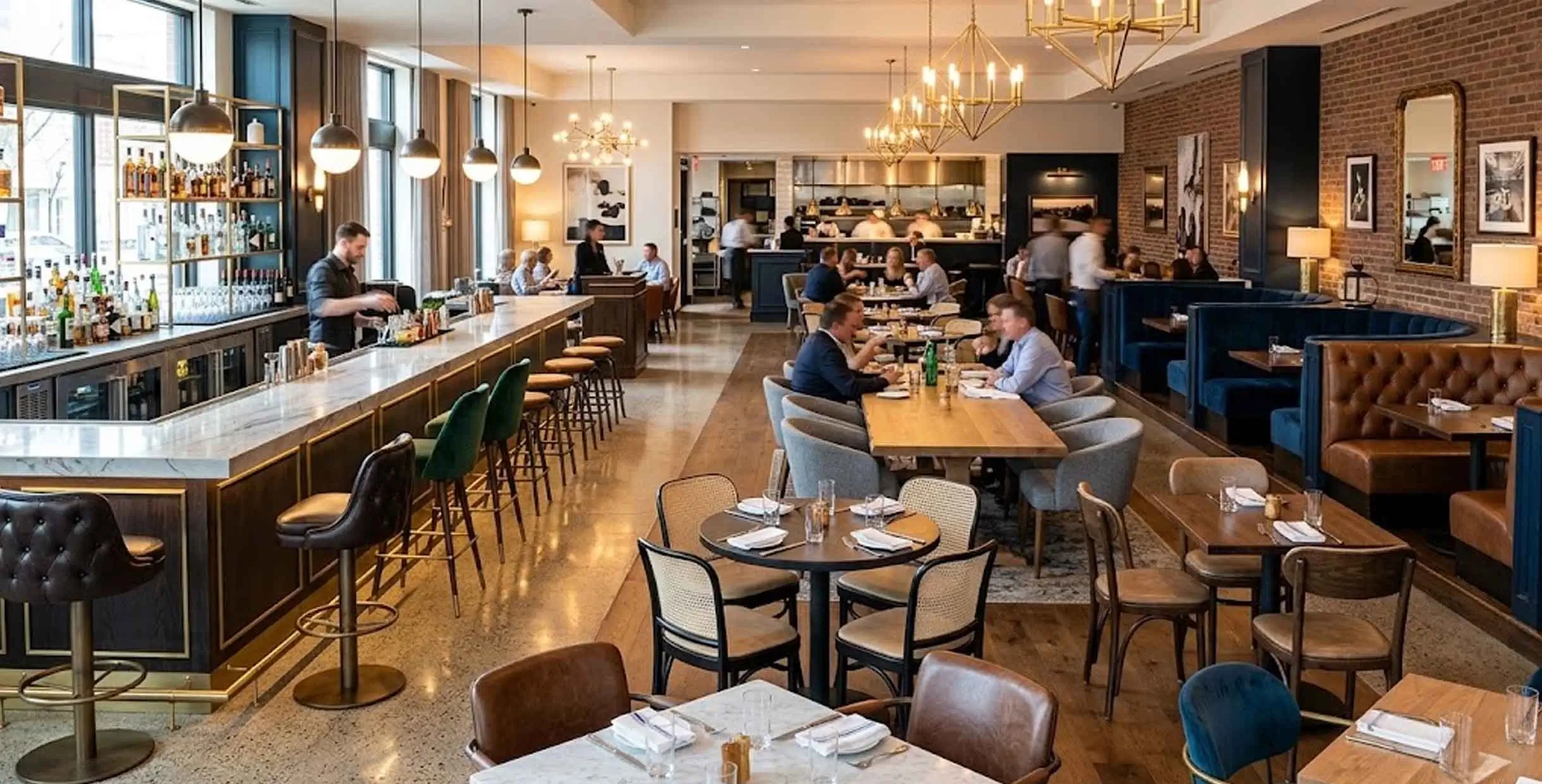
Restaurant Furniture is not decoration. It gets slammed, leaned on, wiped down with harsh chemicals, and moved around daily.
When we supplied a craft beer bar called “The Ox” in Canada, we found that their old stools from another supplier started wobbling within a year. It wasn’t loose screws—the footrest ring welds had cracked. The steel tube was only 1.2mm thick, with spot welds at two points.
We replaced them with 14-gauge steel tube (approx 2mm) + full-penetration welds + cast iron bases. Three years later, zero wobble complaints. Same patrons, same force.
Here’s a quick reference table to help you judge whether a supplier understands commercial environments:
| Environment Factor | What It Means for Furniture |
|---|---|
| High table turnover | Quick entry/exit, edges take hits, legs get kicked |
| Long sitting time (bars, lounges) | Foam must not sag; seat depth and back angle matter |
| Daily cleaning with disinfectants | Finish must resist chemicals without fading or softening |
| High spills (wine, beer, sauces) | Fabric must be stain-resistant or easy to wipe |
| Different intensity levels | Fast-casual (light, stackable) vs. fine dining (heavy, upholstered) vs. nightclub (extremely sturdy) |
A reliable bar and restaurant furniture supplier should ask about your venue type, average check, and daily covers before handing you a catalog.
Check 2: Review Their Main Product Categories
A supplier that only makes one product type will struggle with full restaurant projects. You want a partner who can supply chairs, stools, booths, tables, and outdoor seating from one production line—so colors, styles, and lead times stay consistent.
Restaurant Chairs
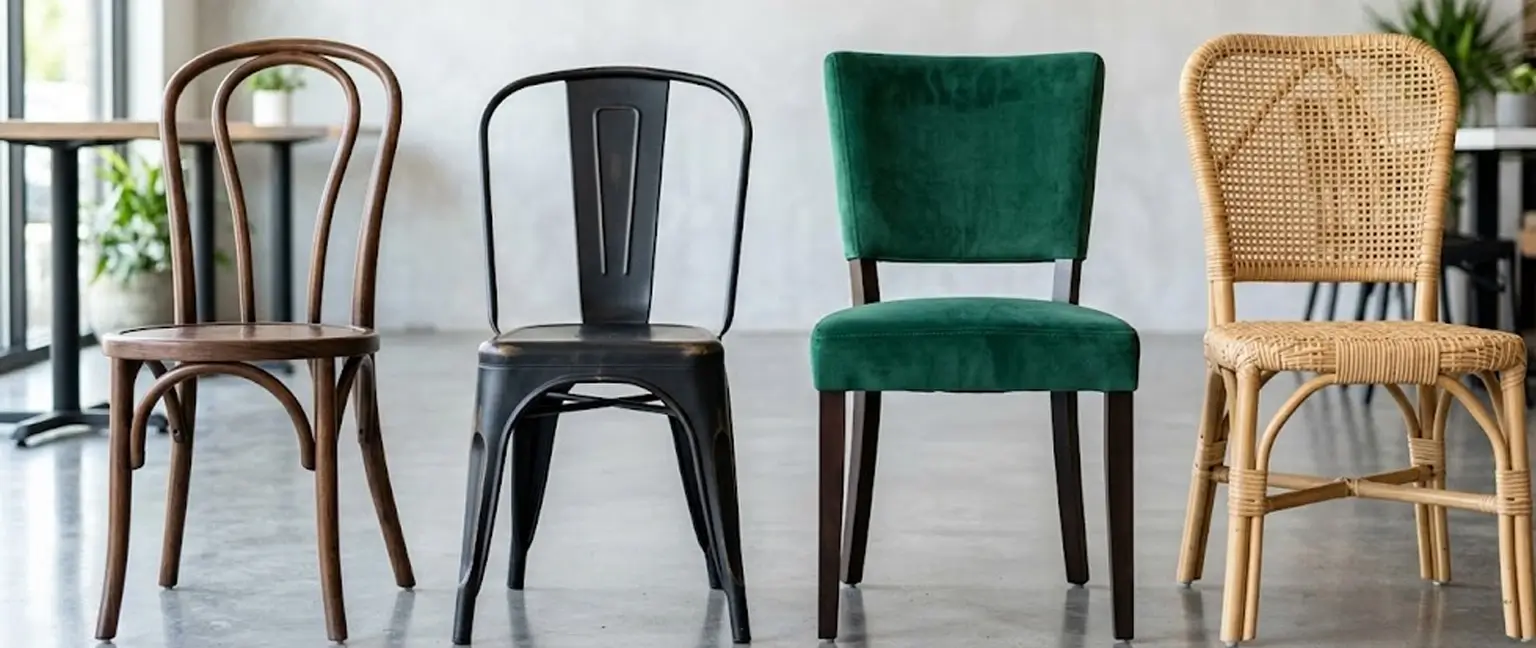
Solid wood, metal frame, upholstered, rattan… all possible. For high-traffic areas, welded metal frames outlast clip-together resin chairs. For fine dining, solid wood frames with corner brackets provide the right weight and stability.
Bar Stools
We saw a typical case: a Seattle brewpub bought steel-tube bar stools that started wobbling after eight months. We cut one open – finger-jointed pine with voids, spot welds at two points. We replaced them with cast iron bases + 14-gauge full-welded steel. Why cast iron? A 24″ round table with a cast iron base weighs 55–65 lbs; a steel tube base weighs 20–30 lbs. That extra 30+ pounds is all lateral stability.
Restaurant Booths
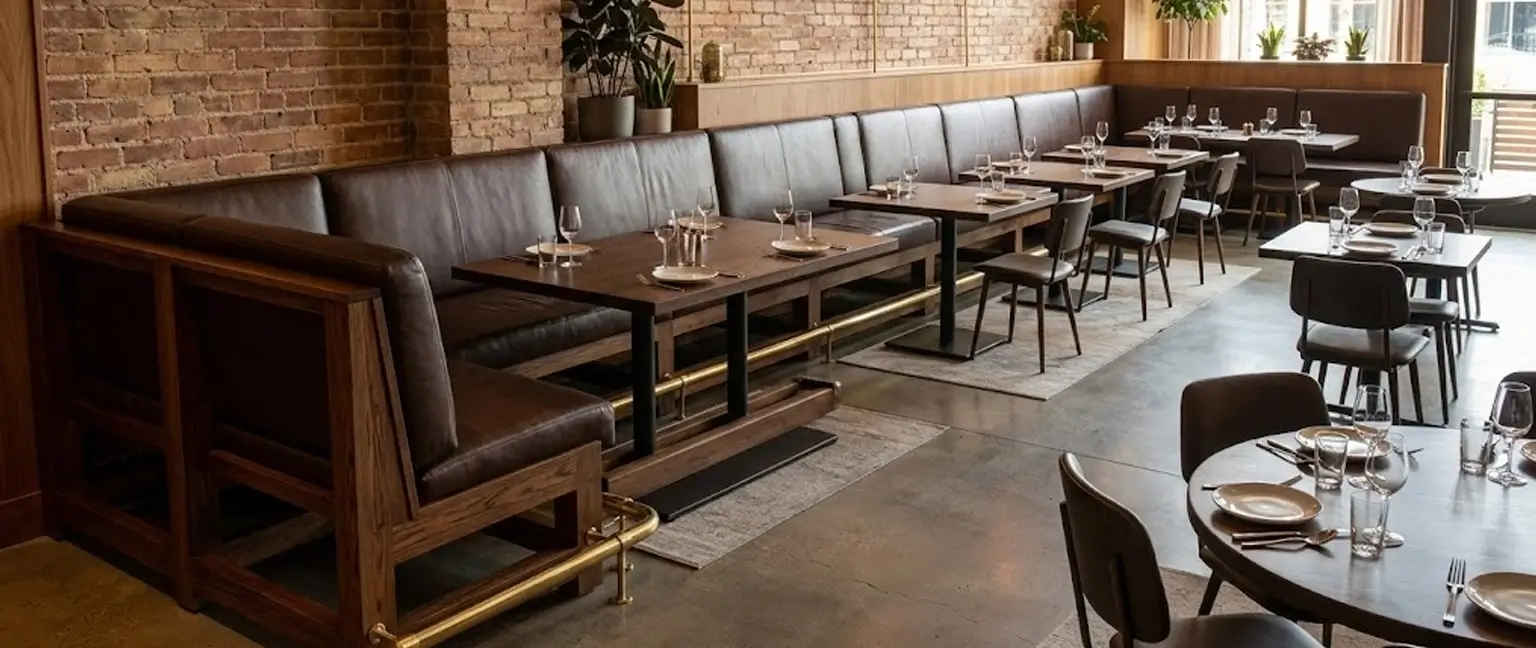
Wall-mounted booth seating takes up less floor space than individual chairs because guests don’t need to push back. Booths also protect walls from chair backs.
Key specs:
- Wood frame: 2″×3″ kiln-dried oak or maple, FAS grade. No pine, no finger-jointed.
- Suspension: No-sag sinuous wire springs (8 or 9 gauge) or high-resiliency rubber webbing.
- Foam density: 2.2 lb/ft³ (approx 35kg/m³) for seats, 1.8 lb/ft³ for backs. Below that, it’ll flatten within months.
Real pain point we solved: Many booths sit too low to the floor – mops can’t get underneath, dust builds up. When we worked with a Toronto breakfast chain, we raised the bottom clearance to 12cm and added a fully enclosed toe kick. Their cleaning staff stopped crawling on the floor, and their health inspection score went from B to A.
For a broader view of top-tier players, check out our guide: Top 6 Restaurant Furniture Suppliers in the USA (2025 Guide).
Restaurant Tables and Table Bases
Tabletops take the most abuse: hot plates, spills, daily scrubbing. High-Pressure Laminate (HPL) is the most durable; solid wood needs a commercial-grade catalyzed varnish; ceramic/porcelain is hardest but heavy and expensive. For bases, central pedestal gives more legroom; four-leg is most stable.
Outdoor Furniture
Outdoor pieces need UV resistance, rust-proof frames, and quick-dry cushions. Aluminum frame + PE rattan or powder-coated aluminum + sling mesh are standard. For beachfront projects, add a marine-grade clear coat (+15% cost, +3–5 years life).
Check 3: Ask About Customization Capability
Off-the-shelf sizes rarely fit your floor plan perfectly. For project buyers, customization is often more important than a low catalog price.
A qualified bar and restaurant furniture supplier should offer:
- Dimension customization – Seat height (18″ for dining, 29–31″ for bar), seat depth (16–19″), width – tailored to your layout.
- Fabric customization – In-house fabric library, plus COM (Customer’s Own Material).
- Wood finish customization – Custom stains and lacquers, open or closed pore.
- Metal finish customization – Powder coating to any RAL color.
- Booth layout customization – Single row, L‑shape, U‑shape, back‑to‑back – based on your wall corners and columns.
- Logo/branding – Embroidery or embossing for high-end projects.
At Mingmeng, many custom Restaurant Furniture projects start from a floor plan, a few reference photos, or even a fabric swatch. That way we avoid “dimension mismatch” and “color doesn’t match” later.
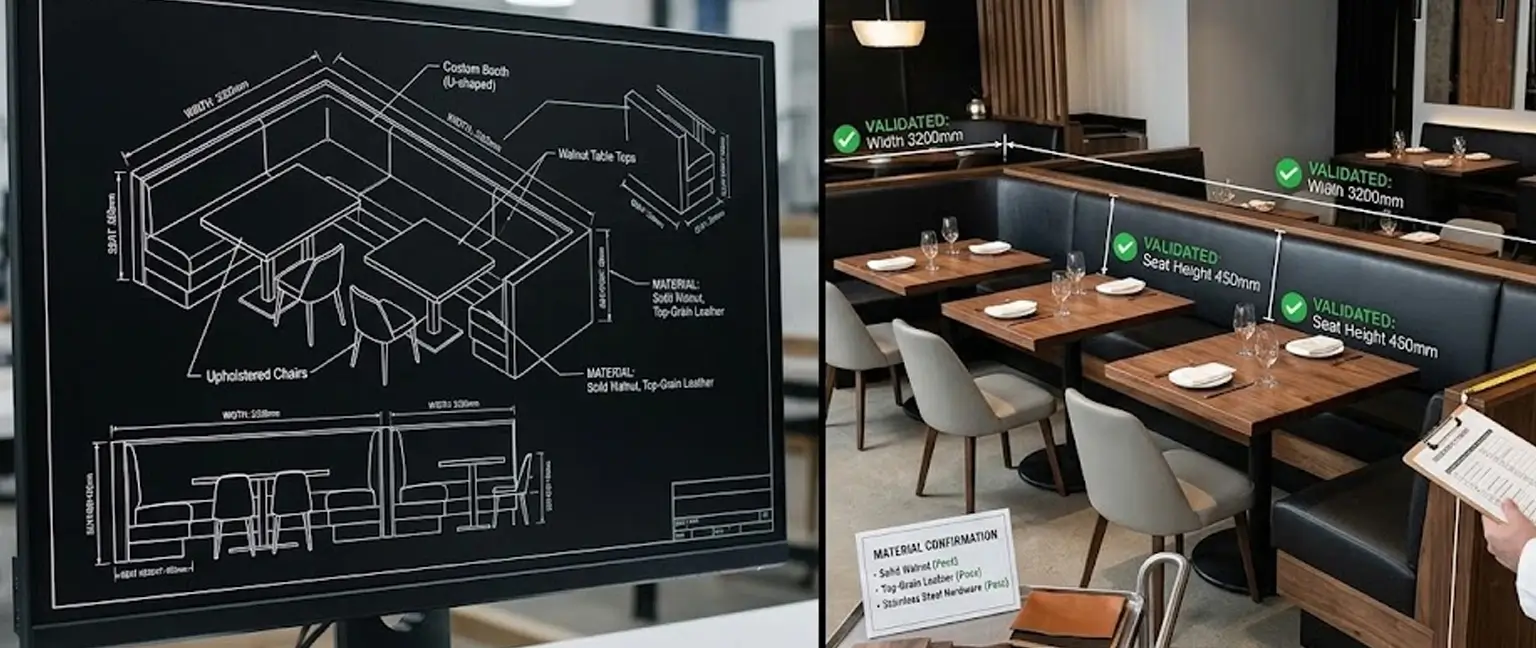
Check 4: Compare Materials and Frame Construction
“Solid wood frame” can mean anything from FAS-grade oak to finger-jointed pine. “Fully upholstered” can hide particleboard. Ask for specifics.
| Component | Mingmeng Standard | Red Flags |
|---|---|---|
| Steel tube | 14-gauge A3 carbon steel, wall thickness ≈2mm | 16-gauge (<1.5mm) too thin; 12-gauge overkill |
| Welding | Full-penetration MIG weld, ground smooth | Spot welds fatigue and crack, especially on footrest rings |
| Powder coating | Zinc primer + topcoat, total 75–100 microns thickness | Cheap painted finish rusts in months |
| Solid wood frame | 2″×3″ kiln-dried oak or maple, FAS grade | Pine, poplar not commercial-grade; finger-jointed has voids |
| Wood joinery | Mortise-and-tenon or double dowels, corner brackets | Screws + glue only won’t last |
| Foam density | 2.2 lb/ft³ (35kg/m³) for seats, 1.8 lb/ft³ for backs | Below 1.8 lb/ft³ is residential grade |
| Fabric abrasion | Wyzenbeek ≥100,000 double rubs (our standard) | Commercial minimum is 50,000; lower is not acceptable |
| Tabletop | HPL (0.048″ min thickness), solid wood + catalyzed varnish, or ceramic | Melamine doesn’t resist heat or scratches |
One extra detail: On high-stress points (seat-to-back connection, armrest roots, floor-contact corners), we add 3mm L-shaped steel corner brackets fastened with M6 stainless steel bolts. Not nail guns.
Check 5: Confirm Fire-Rated and Compliance Options
A frequently overlooked question: Which restaurant furniture suppliers have fire-rated options that meet local compliance requirements?
For public dining spaces, fire safety is a hard line.
- North America: Most common is California Technical Bulletin 117-2013 (CAL 117) – requires foam and fabric to resist a small open flame.
- UK / Europe: BS 5852, with Crib 5 being the most demanding for high-risk public seating. Bars, nightclubs, hotels typically require at least Crib 5.
- Europe general: EN 16139:2013 – specific strength, durability, and safety requirements for non-domestic seating.
Before ordering, ask your local fire marshal what standard applies. A responsible bar and restaurant furniture supplier should respond: “We can do CAL 117, BS 5852 Crib 5, or EN 16139. Which one do you need?”
Also, California has another often-missed rule: For unsecured seating, maximum one seat per 15 square feet of usable floor space (excluding dance floors and stages). Keep this in mind when planning your bar layout.
Check 6: Check Packaging and Export Experience
A good supplier should not only make furniture look good in the showroom, but also ensure it arrives safely after ocean freight.
Ask these questions:
- Do you use KD (knock-down) packing? KD reduces shipping volume by 40–50%, cutting freight cost significantly.
- Carton thickness? Export standard: 5-layer corrugated (B/C flute), burst strength ≥200 lb/in².
- Corner protection? EPS foam corner guards prevent edge damage.
- Hardware kit included? Assembly instructions + hex key.
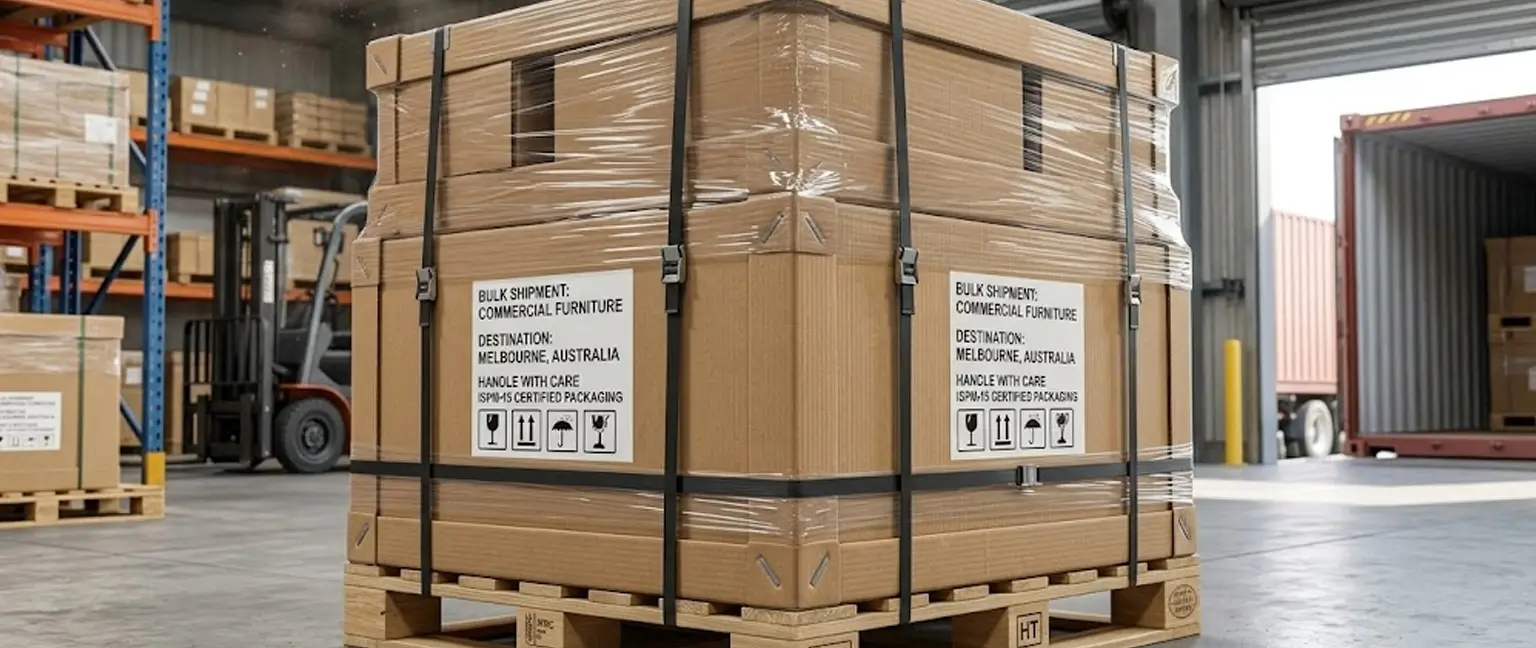
- Wood pallets/crates ISPM-15 certified? For international ocean freight, must have IPPC stamp.
- Can you provide a container loading plan? Show how many units fit per 20GP/40HQ, optimized to prevent shifting.
Our method: 5mm PE foam + EPS corner guards + industrial stretch wrap + ISPM-15 plywood pallet + strapping. For KD designs, we provide an exploded view drawing and hex key. One 40HQ container fits 60 KD bar stools or 30 fully assembled stools – we calculate which is more economical for your freight budget.
Check 7: Evaluate Lead Time, MOQ, and Project Communication
Lock down these details before ordering:
- Sample lead time: Custom specs usually 2–4 weeks.
- Bulk production lead time: Standard 6–8 weeks; rush options available.
- Can they send production photos before shipment? Best quality assurance.
- How do they confirm color/size? Shop drawing sign-off before cutting materials.
For orders over $20,000, consider adding a late delivery penalty in the contract – 1% of order value per week after the agreed date (cap at 10%). This filters out unreliable suppliers.
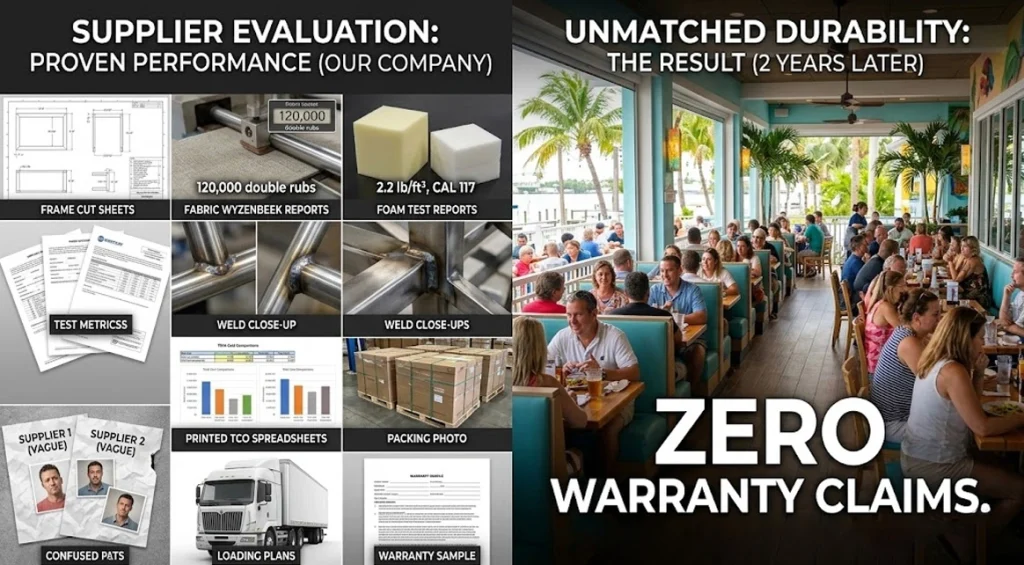
Real example: A Florida restaurant chain evaluating three suppliers using these eight checks sent all eight questions to each candidate. Two gave vague answers. We sent frame cut sheets, foam test reports (2.2 lb/ft³, CAL 117), fabric Wyzenbeek reports (120,000 double rubs), weld close-ups, TCO spreadsheets, packing photos, loading plans, and a warranty sample. They placed the order with us. Two years later, zero warranty claims.
Check 8: Look for Real Project Experience, Not Just Catalog Photos
Anyone can buy stock photography. You want to see:
- Restaurant project case studies – before/after or installation photos.
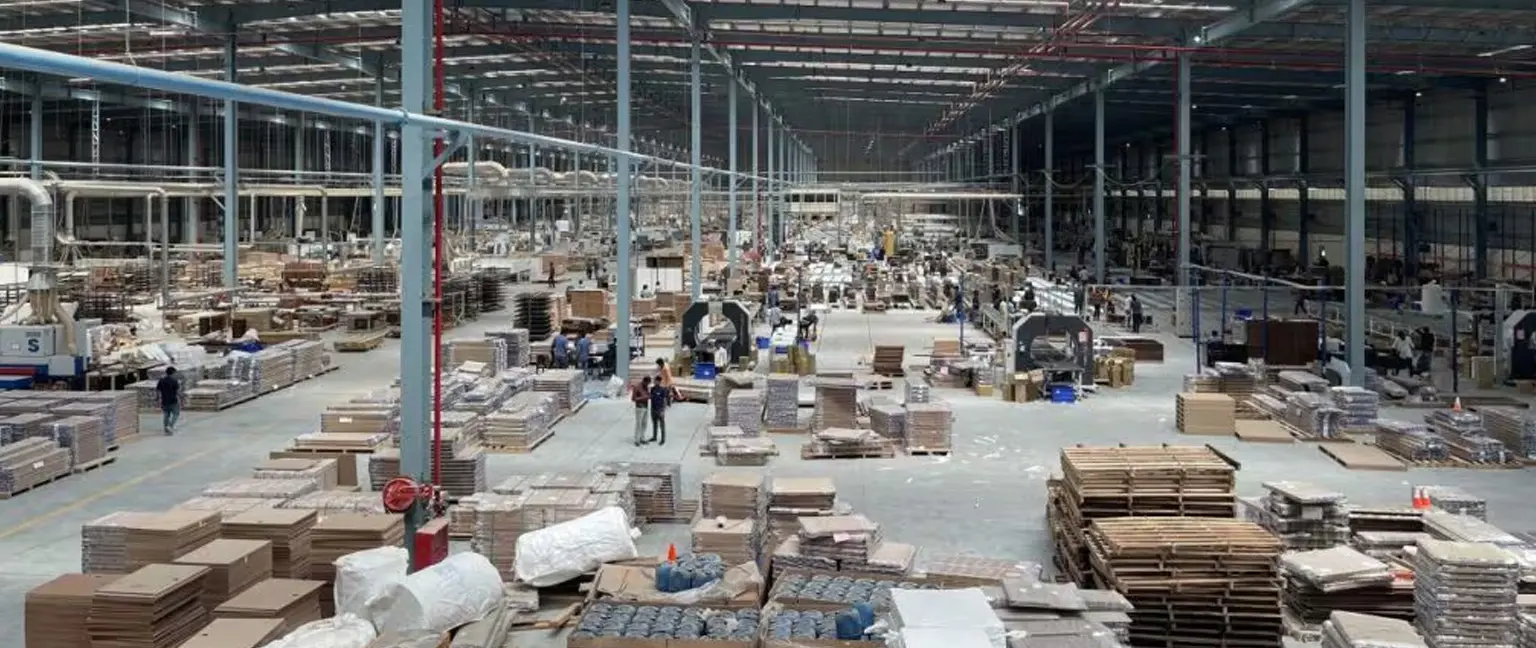
- Factory floor photos – real production, not staged.
- Showroom photos – furniture actually in use.
- Installation photos – real lighting, real environments.
- Demonstrated understanding of floor plans, ADA compliance, and service flow.
If a supplier’s Instagram is all white-background product shots with zero venue photos, they probably lack real-world experience.
At Mingmeng, many custom Restaurant Furniture projects start from a floor plan, a few reference photos, or even a hand sketch. That kind of project experience doesn’t come from a catalog. For a broader perspective on evaluating different suppliers in the U.S. market, you can also refer to our detailed ranking of leading industry partners: Top 6 Restaurant Furniture Suppliers in the USA (2025 Guide).
Frequently Asked Questions About Bar and Restaurant Furniture Suppliers
Q1: What should I look for in bar and restaurant furniture suppliers?
Look for commercial durability, stable production, customization options, clear lead times, and export packaging experience. A good supplier should understand restaurant, bar, café, and hotel projects.
Q2: Are restaurant furniture manufacturers better than trading companies?
For custom projects, manufacturers are usually a better choice because they control materials, sizes, finishes, and production quality more directly. Trading companies may be useful when buyers need a wider product range.
Q3: Can you provide custom booth seating?
Yes. Many suppliers can customize booth length, height, seat depth, upholstery color, foam, and base structure. For fixed booths, buyers should provide floor plans or reference dimensions.
Q4: Do commercial restaurant chairs need fire-rated materials?
It depends on the local project requirements. Hotels, public dining areas, and chain restaurants may need fire-rated upholstery or foam. Buyers should confirm local standards before ordering.
Q5: What furniture is commonly used in bar and restaurant projects?
Common items include restaurant chairs, bar stools, booth seating, dining tables, table bases, outdoor seating, and lounge chairs. The final choice depends on the layout and dining concept.
Q6: How do I reduce shipping damage when buying restaurant furniture in bulk?
Choose suppliers with export packaging experience. Reinforced cartons, foam protection, corner guards, pallets, and packing photos before shipment can help reduce damage during transport.
A Smarter Way to Source Restaurant Furniture
The right supplier helps you reduce risk before the order is placed – from material selection and seating layout to packaging and final delivery. For restaurants, bars, cafes, and hotels, furniture is not just decoration. It’s part of the guest experience, the operating cost, and the long-term brand image.
Ready to start your custom seating project?
Send your floor plan, CAD files, or reference photos. Our engineering team will reply within 24 hours with a tailored fabrication roadmap, layout suggestions, material recommendations, and a preliminary quote.
Mingmeng Furniture – We don’t just sell furniture. We help you avoid costly mistakes.